
Surface Finishing Services for Plastic and Metal Parts
Enhance the appearance, durability, branding, and functionality of your manufactured parts.
Depending on the material and product requirements, finishing processes can be used to create custom colors, textures, gloss levels, printed graphics, permanent markings, decorative surfaces, or protective coatings.
Surface Finishing Options for Custom Parts
Different products require different combinations of appearance, protection, texture, branding, and surface performance. Maidder provides surface finishing services for injection molded plastic parts, CNC machined components, prototypes, and production parts.
By coordinating part manufacturing and surface finishing within the same production workflow, we help move components from raw manufactured parts to finished, market-ready products.
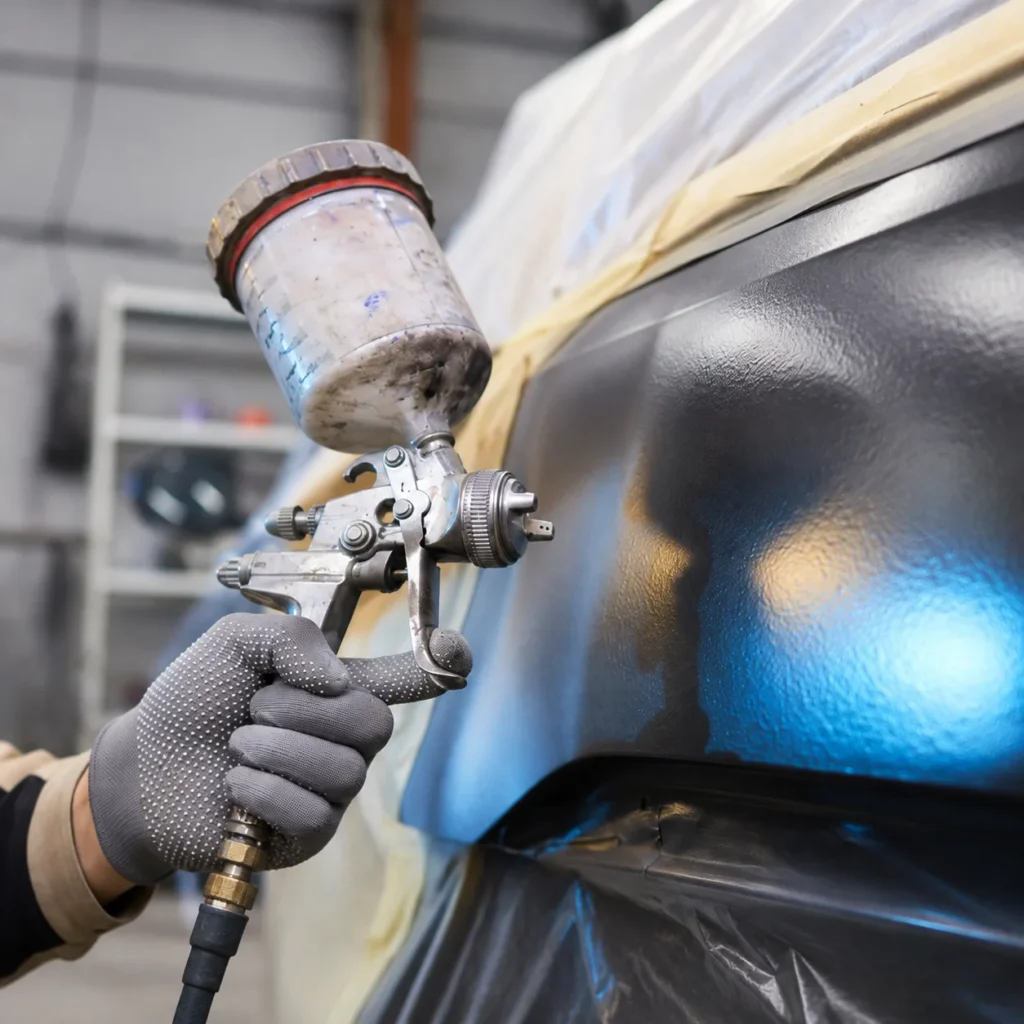
Painting & Color Matching
Painting adds custom colors, gloss levels, textures, and decorative effects to plastic or metal parts.
Common applications include electronics, smart devices, appliances, enclosures, and industrial products, with matte, gloss, metallic, soft-touch, and color-matched finishes available.
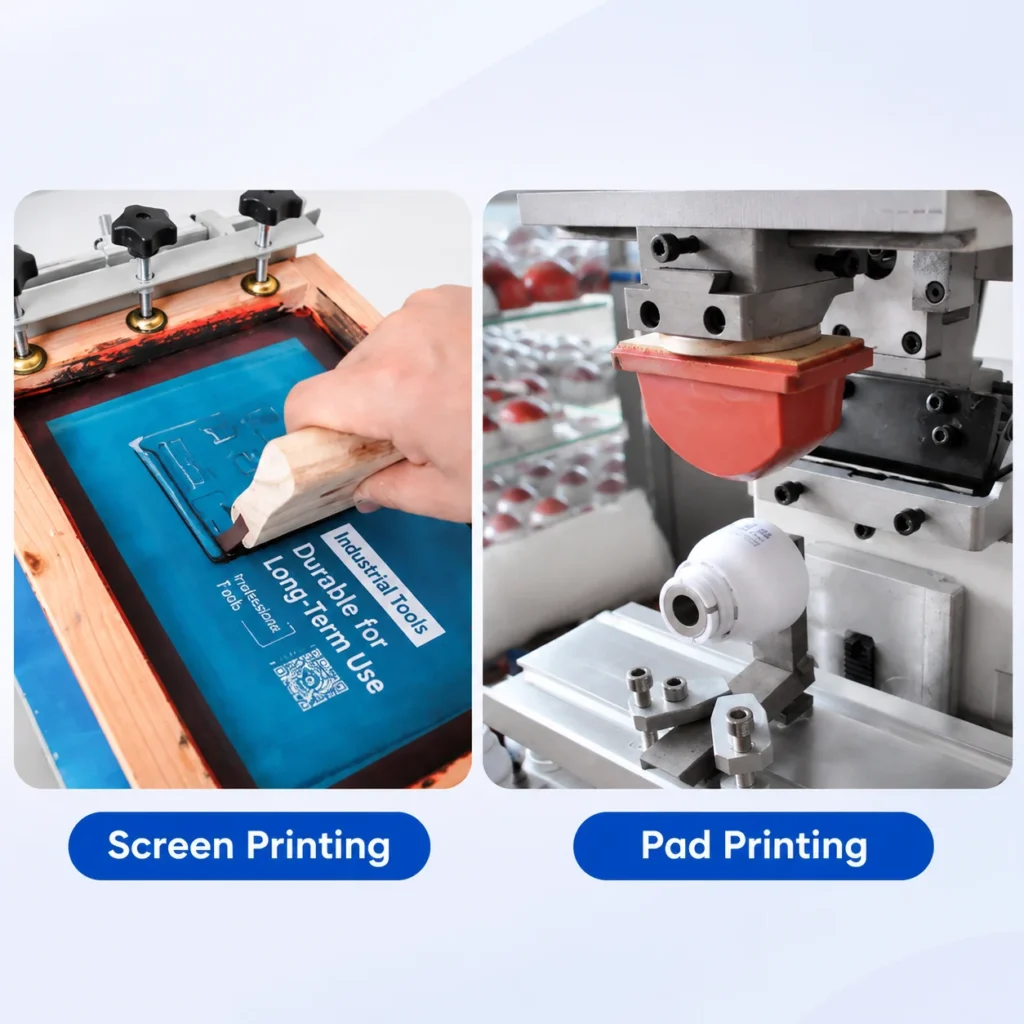
Pad Printing & Silk Screen Printing
Printing adds logos, symbols, instructions, and graphics to finished products.
Pad printing suits small or curved surfaces, while silk screen printing works well on larger or flatter areas. Common applications include branding, control symbols, product labels, and decorative graphics.
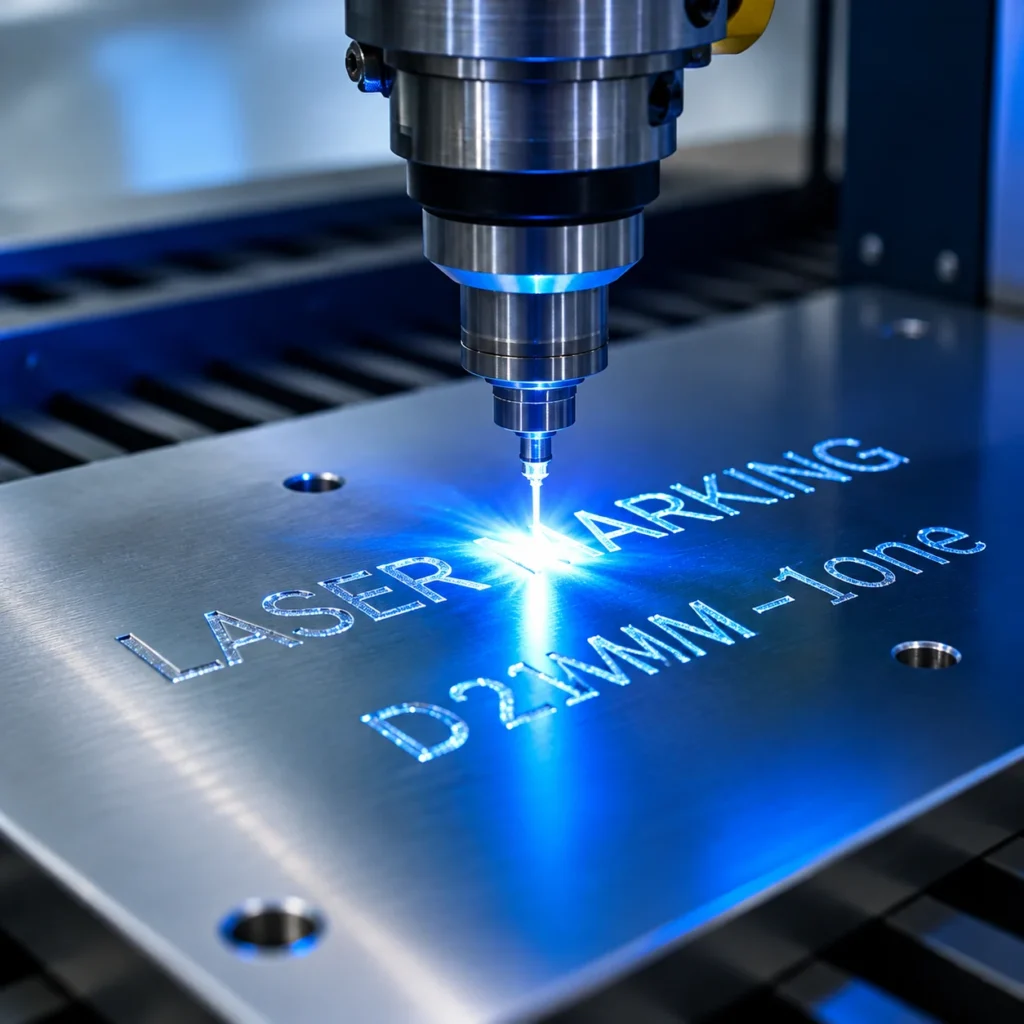
Laser Marking & Engraving
Laser marking creates permanent, precise markings without ink, including logos, serial numbers, QR codes, symbols, and traceability information.
It is ideal for durable product identification and fine visual details.
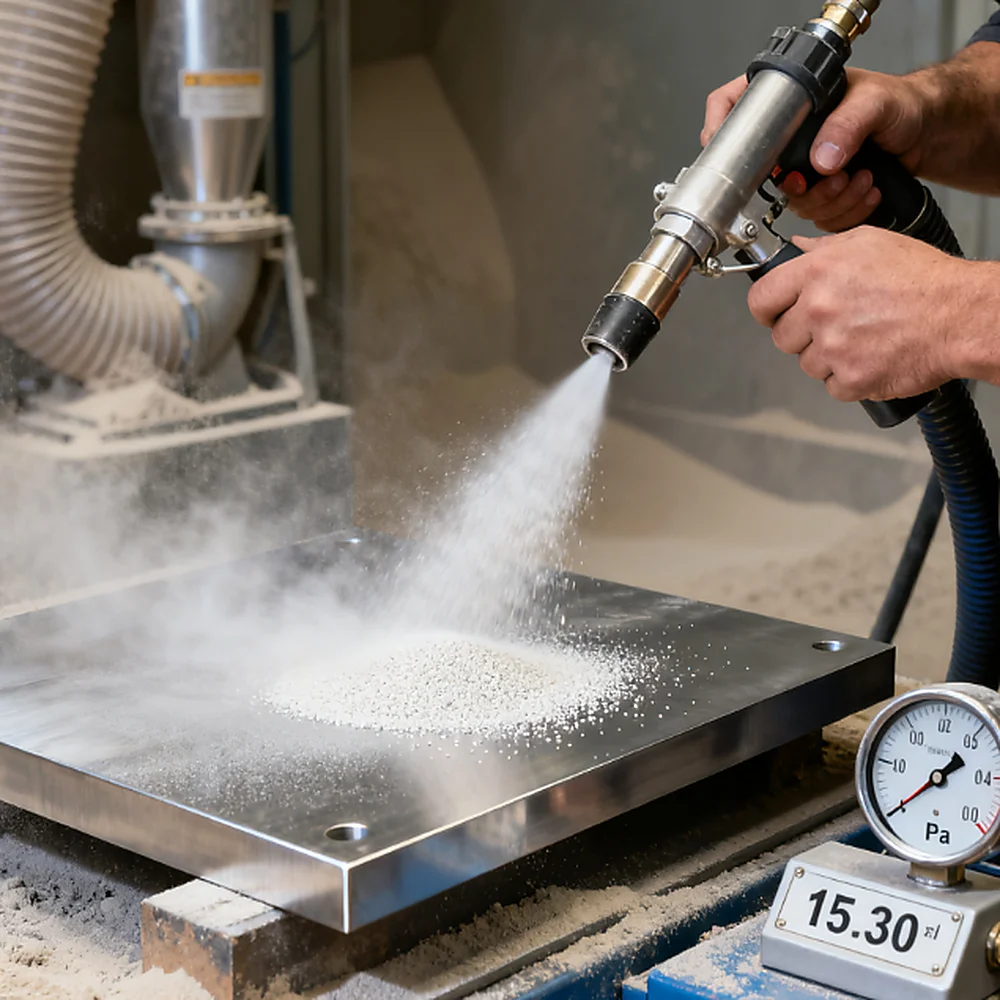
Polishing, Blasting & Surface Preparation
Mechanical finishing modifies surface texture and appearance through polishing, sanding, brushing, or bead blasting.
These processes smooth machining marks, create matte finishes, improve appearance, or prepare parts for coatings.
Surface Finishing for Plastic and Metal Parts
The appropriate finishing process depends heavily on the substrate material.
A finish that works well on aluminum may not be suitable for ABS, PC, Nylon, or other engineering plastics.
01
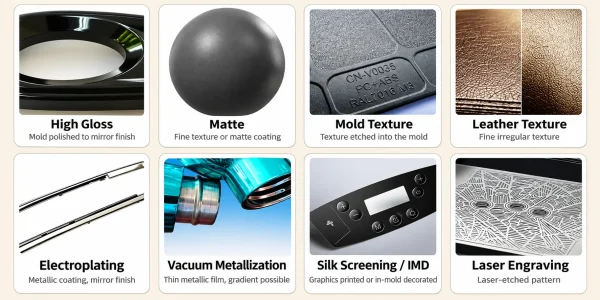
Plastic Surface Finishing
Injection molded and prototype plastic parts can receive secondary finishing for appearance, branding, or functional requirements.
Depending on the resin and application, options may include:
- Painting
- Soft-touch coating
- Pad printing
- Silk screen printing
- Laser marking
- Polishing
- Decorative coatings
- Color and texture matching
For injection molded products, surface appearance can also be influenced by mold polishing and mold texture before the part is produced.
02
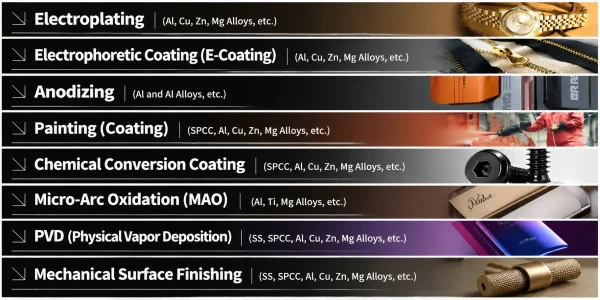
Metal Surface Finishing
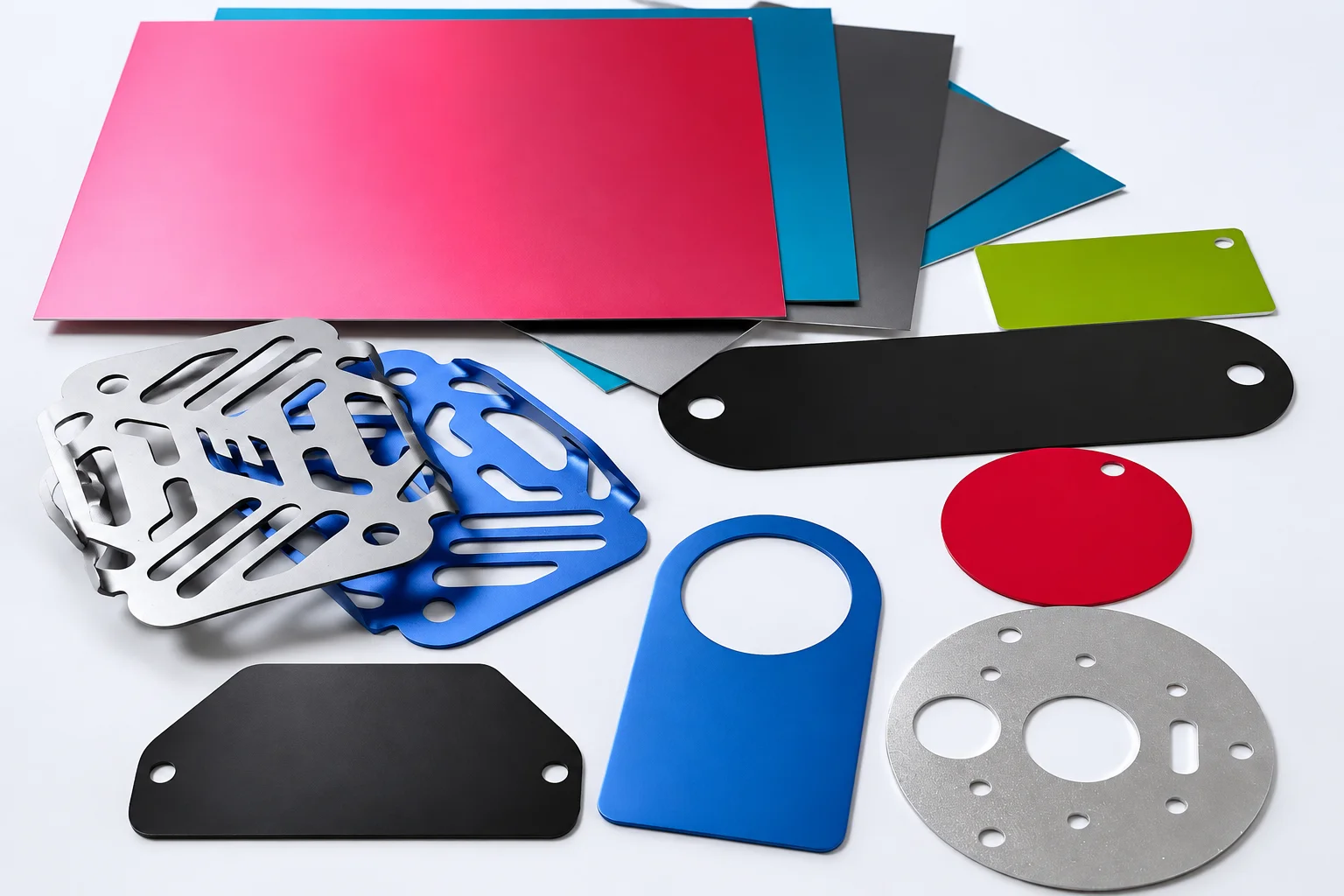
Metal CNC machined parts may require finishing for corrosion protection, wear resistance, appearance, or color.
Depending on the metal and project requirements, finishing options may include:
- Anodizing
- Powder coating
- Electroplating
- Painting
- Polishing
- Brushing
- Bead blasting
Aluminum, stainless steel, brass, and other metals require different finishing strategies based on their material properties and intended use.
03
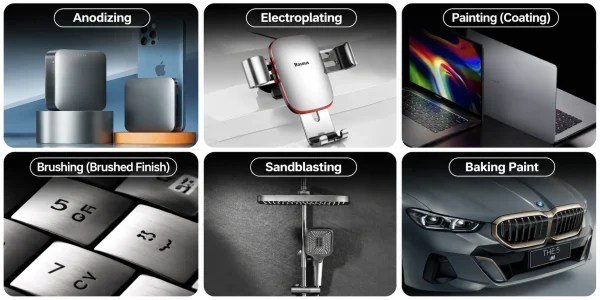
Decorative vs. Functional Finishes
Surface finishing does not only affect appearance.
Decorative finishes may focus on:
- Color
- Gloss
- Texture
- Branding
- Premium appearance
Functional finishes may be selected to improve:
- Corrosion resistance
- Wear resistance
- Surface hardness
- Grip
- Chemical resistance
- UV resistance
- Product identification
The finish should therefore be selected according to both visual and performance requirements.
Choosing the Right Surface Finish
A successful surface finish must work with the part material, geometry, manufacturing process, and final product environment.
01
Material Compatibility
The substrate material determines which coatings, treatments, and printing processes can be applied reliably.
For plastic parts, resin type, surface energy, additives, and molded texture can affect coating adhesion.
For metal parts, alloy type influences anodizing, plating, blasting, polishing, and other finishing options.
02
Appearance Requirements
Important visual requirements may include:
- Pantone or custom color
- Matte or gloss level
- Texture
- Metallic appearance
- Transparency
- Printed graphics
- Cosmetic surface quality
These requirements should ideally be defined before production so the manufacturing and finishing processes can be coordinated.
03
Part Geometry
Deep features, thin walls, sharp corners, complex curves, recesses, and tight interfaces can affect coating coverage or printing access.
Part geometry should therefore be considered when selecting the finishing process.
04
Tolerances & Assembly
Some coatings add measurable thickness to the part surface.
Critical mating surfaces, holes, threads, sealing areas, electrical contacts, and assembly interfaces may need masking or additional dimensional consideration.
05
Production Volume
Prototype parts, low-volume batches, and mass production may require different finishing strategies.
The selected process should balance appearance, consistency, production efficiency, and total manufacturing cost.
Need the Right Finish for Your Parts?
Send Maidder your CAD files, material, quantities, color references, surface specifications, and application requirements.
Our team can review the part and help determine an appropriate finishing approach for prototypes, injection molded parts, CNC components, or production assemblies.
Integrated Surface Finishing and Quality Control
Surface finishing is most effective when it is considered as part of the complete manufacturing process rather than as a separate final operation. Maidder can coordinate finishing requirements with prototype manufacturing, CNC machining, injection molding, assembly, and production.
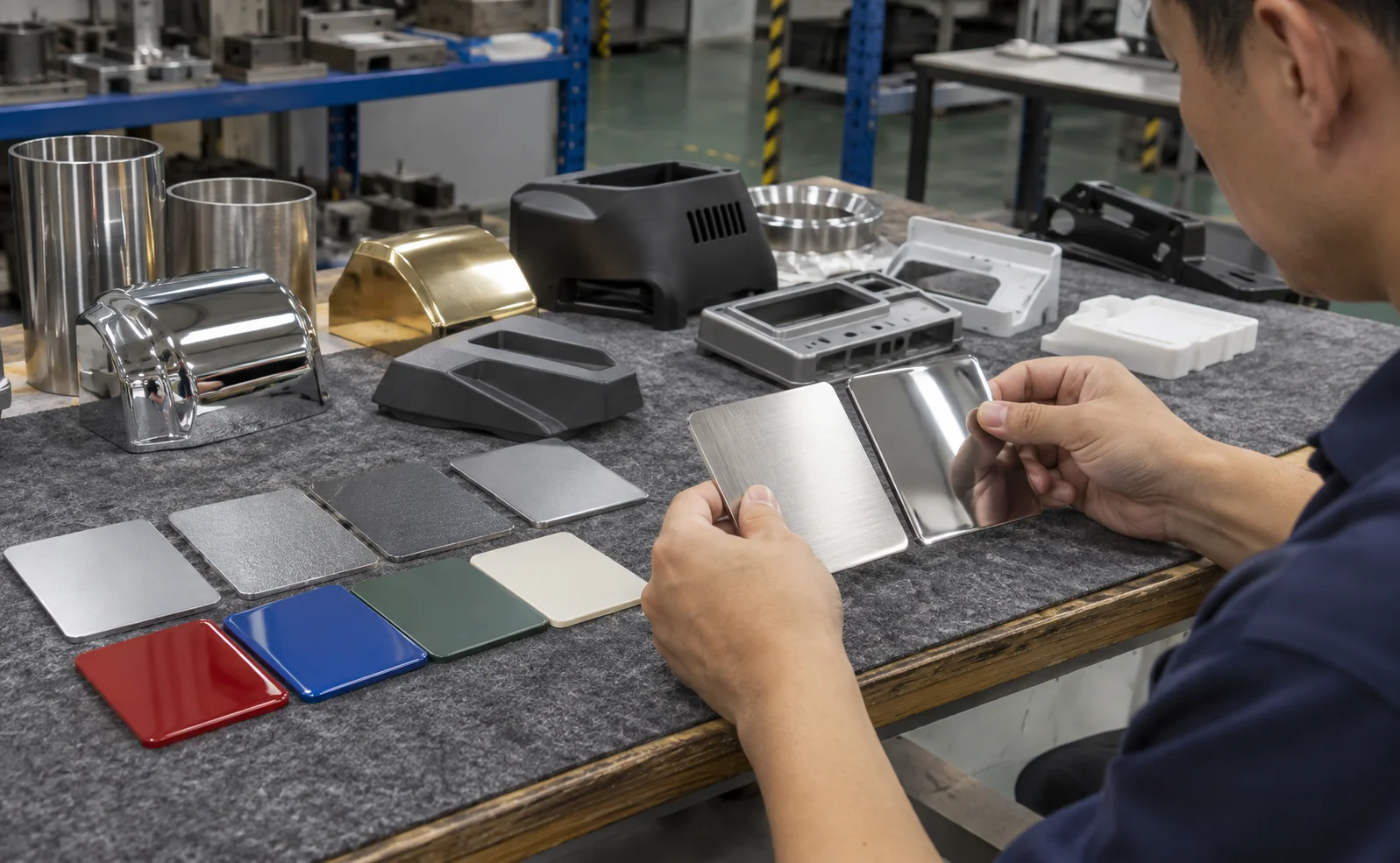
Surface Finish Definition
Before production, key requirements can be defined, including:
- Material
- Color
- Texture
- Gloss
- Coating type
- Printing position
- Logo or marking files
- Cosmetic standards
- Masking requirements
Sample Approval
Where required, finished samples can be reviewed before full production.
This allows color, texture, appearance, graphics, and other cosmetic details to be confirmed before larger quantities are processed.
Finished Part Inspection
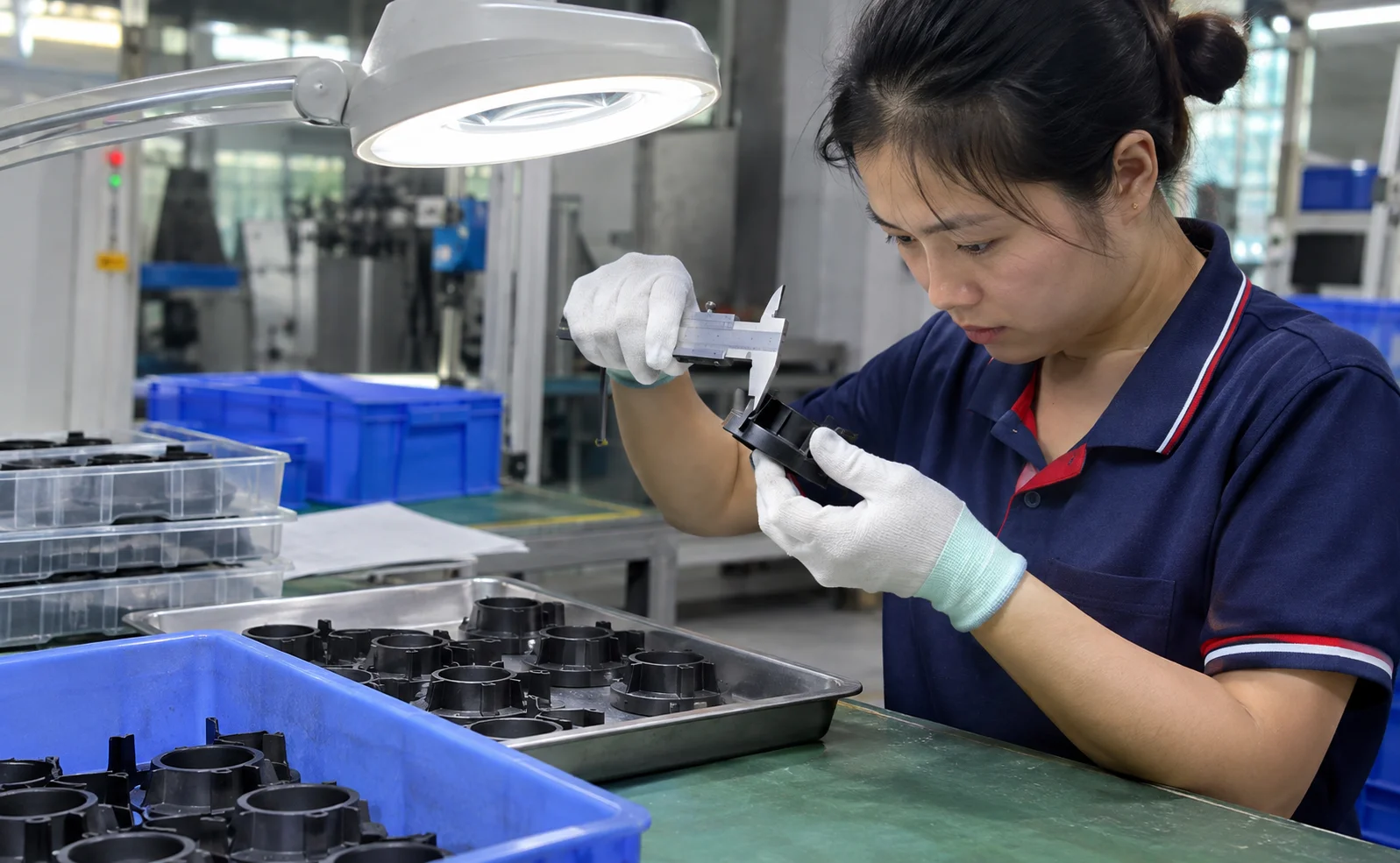
Depending on project requirements, inspection can include:
- Color and appearance
- Coating coverage
- Surface defects
- Printing position
- Marking quality
- Cosmetic consistency
- Critical dimensions after finishing
From Manufacturing to Finished Product
A typical Maidder workflow can include:
Prototype / Injection Molding / CNC Machining → Surface Preparation → Surface Finishing → Printing or Marking → Inspection → Assembly → Packaging → Mass Production
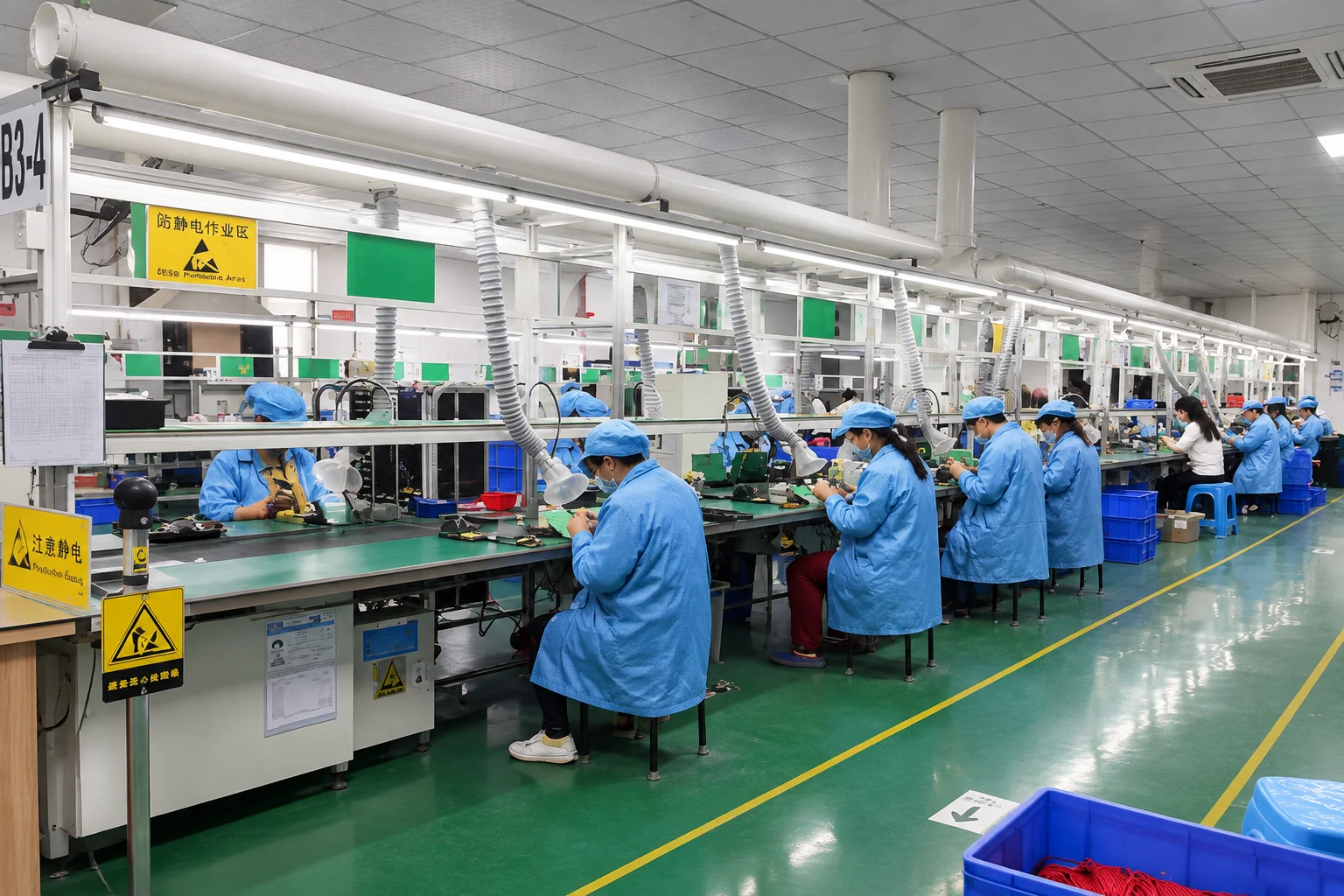
Keeping these stages coordinated helps reduce supplier handoffs and improves consistency between the manufactured component and the finished product.
Surface Finishing FAQs
What are surface finishing services?
Surface finishing services are manufacturing processes used to modify the exterior surface of a part after or during production.
They can improve appearance, color, texture, corrosion resistance, wear resistance, branding, identification, or other functional properties.
Common processes include painting, printing, laser marking, anodizing, powder coating, plating, polishing, and blasting.
What surface finishes can be used on plastic injection molded parts?
Plastic parts can use processes such as painting, soft-touch coating, pad printing, silk screen printing, laser marking, polishing, and other decorative treatments depending on the resin and product requirements.
The injection mold itself can also create different molded textures and polish levels on the finished plastic surface.
What surface finishes are available for CNC machined metal parts?
Depending on the metal, CNC machined parts may use anodizing, powder coating, electroplating, painting, polishing, brushing, bead blasting, or other finishing processes.
The right process depends on the alloy, appearance, corrosion resistance, wear requirements, tolerances, and product application.
How do I choose the right surface finish for my product?
The appropriate finish depends on the part material, manufacturing method, product environment, appearance, color, texture, durability, dimensional requirements, quantity, and cost target.
Providing CAD files, material information, color references, and performance requirements helps determine a suitable finishing process.
Can Maidder combine manufacturing, surface finishing and assembly?
Yes. Surface finishing can be coordinated with Maidder’s product development and manufacturing workflow, including prototyping, CNC machining, injection molding, secondary operations, assembly, packaging, and mass production.
This helps maintain consistency as parts move from manufacturing into finished product production.
Contact Us
Have a product idea or manufacturing requirement? Our engineering team supports you from product development and rapid prototyping to custom injection molds, injection molding and mass production. Share your CAD files, drawings or project details, and we’ll help define the right solution.