
Liquid Silicone Rubber Molding Services for Precision Silicone Parts
Maidder provides custom liquid silicone rubber (LSR) molding services for precision silicone parts requiring flexibility, durability, sealing performance, and dimensional consistency.
From material selection and mold development to sampling and production, we support custom LSR components with complex geometries and demanding performance requirements for industrial, consumer, and other applications.
Why Choose Liquid Silicone Rubber Injection Molding?
Liquid silicone rubber molding produces flexible, durable thermoset components with properties that conventional rigid thermoplastics cannot provide. LSR is particularly suitable for parts requiring elasticity, sealing, temperature resistance, and consistent performance.
Our LSR injection molding solutions support precision silicone components for consumer electronics, industrial equipment, household products, and other demanding applications. From material selection and DFM to LSR mold manufacturing, T1 sampling, and production, Maidder helps turn product designs into reliable molded silicone parts.
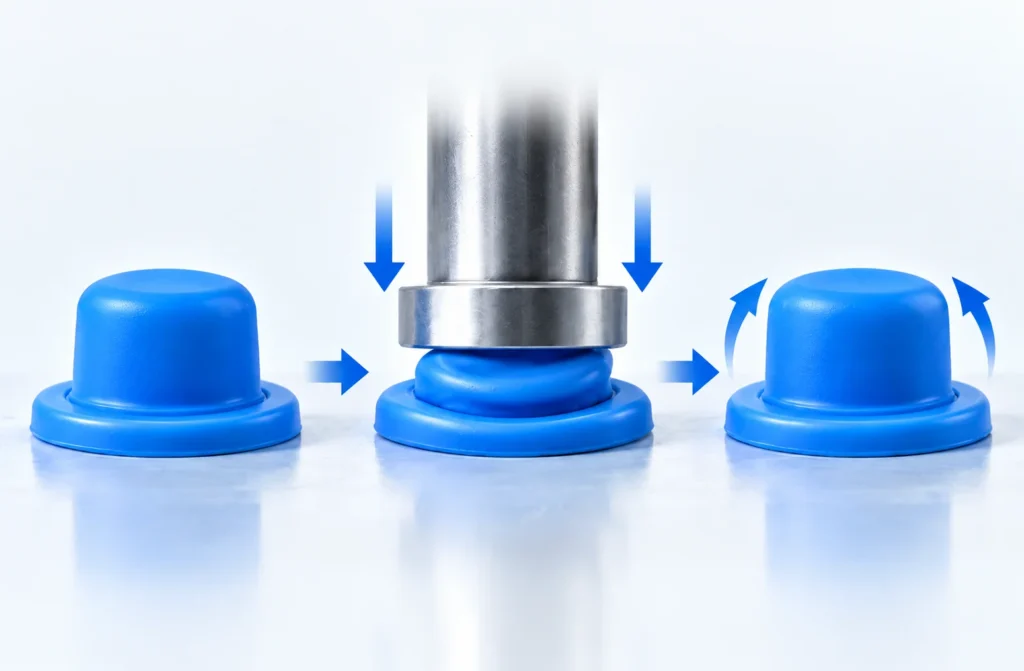
Flexibility & Elastic Recovery
LSR offers excellent elasticity and can recover its shape after repeated compression or deformation.
This makes it suitable for flexible components, buttons, seals, diaphragms, and other parts requiring repeated movement or compression.
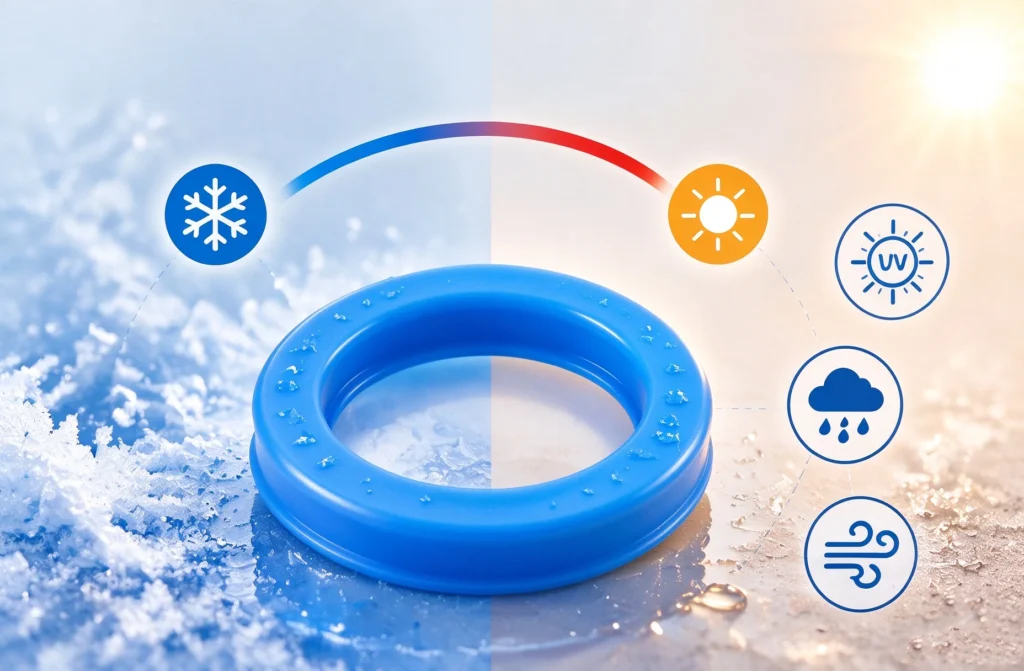
Temperature & Environmental Resistance
Silicone rubber can maintain useful properties across a broad temperature range while offering resistance to weathering, UV exposure, ozone, and moisture.
Actual performance depends on the selected LSR grade and operating conditions.
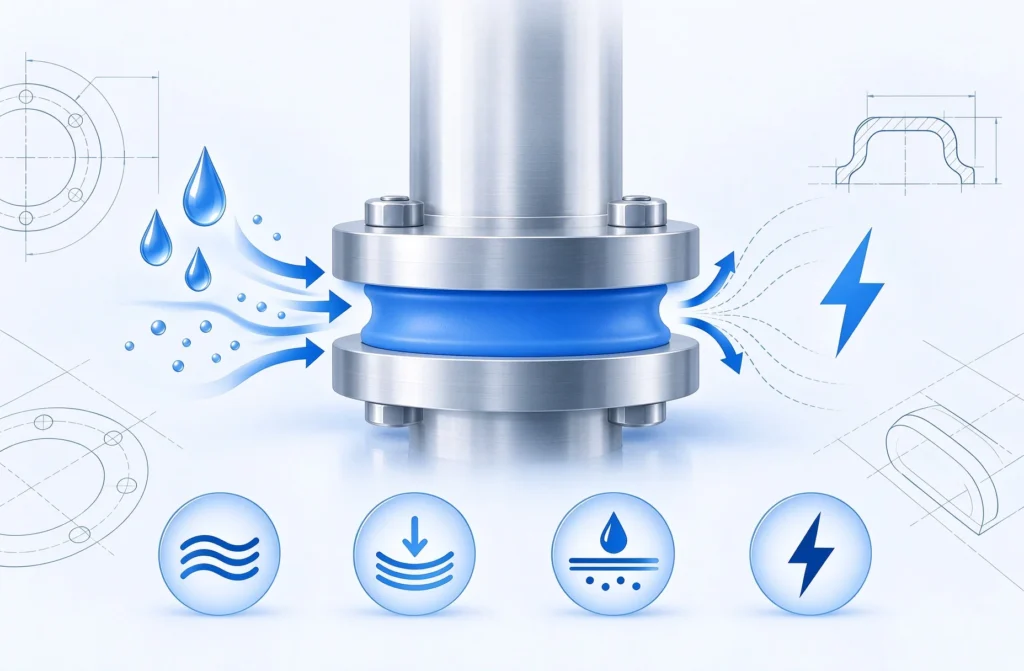
Sealing & Insulation Performance
LSR provides flexibility, low compression set in suitable grades, and electrical insulation properties.
These characteristics make it useful for gaskets, sealing components, protective covers, and electronic applications.
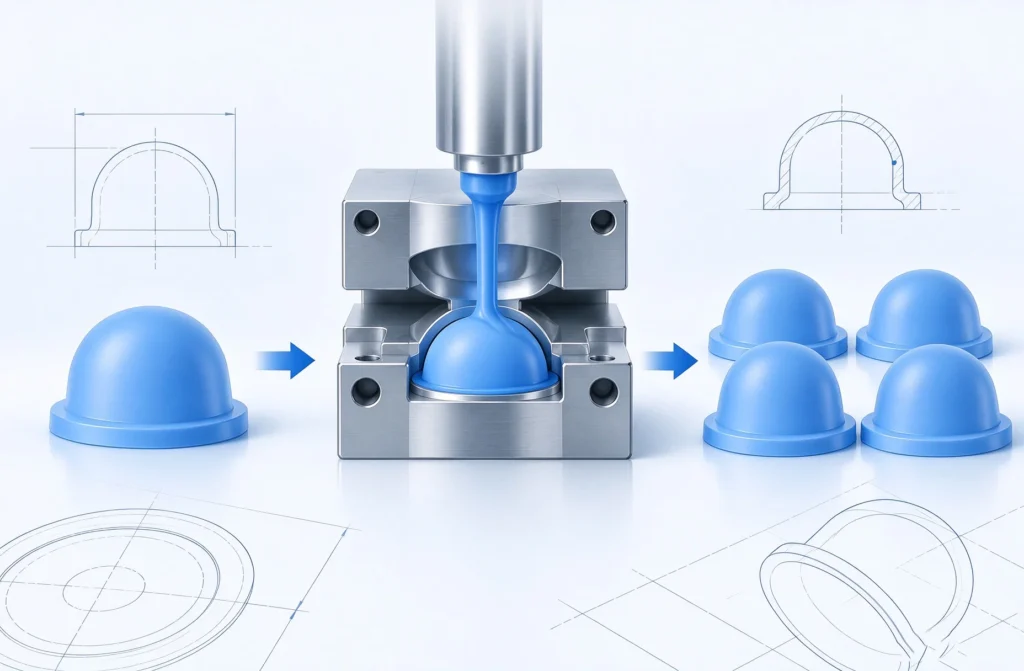
Precision & Repeatable Production
LSR injection molding can reproduce complex geometries, fine details, and flexible features through a controlled molding process.
With appropriate tooling and process validation, it supports consistent silicone parts for repeat production.
LSR Materials and Applications
Selecting the right liquid silicone rubber material is essential for achieving the required hardness, flexibility, appearance, temperature resistance, and long-term performance. Maidder can evaluate LSR material requirements together with part geometry, tooling, and manufacturing conditions.
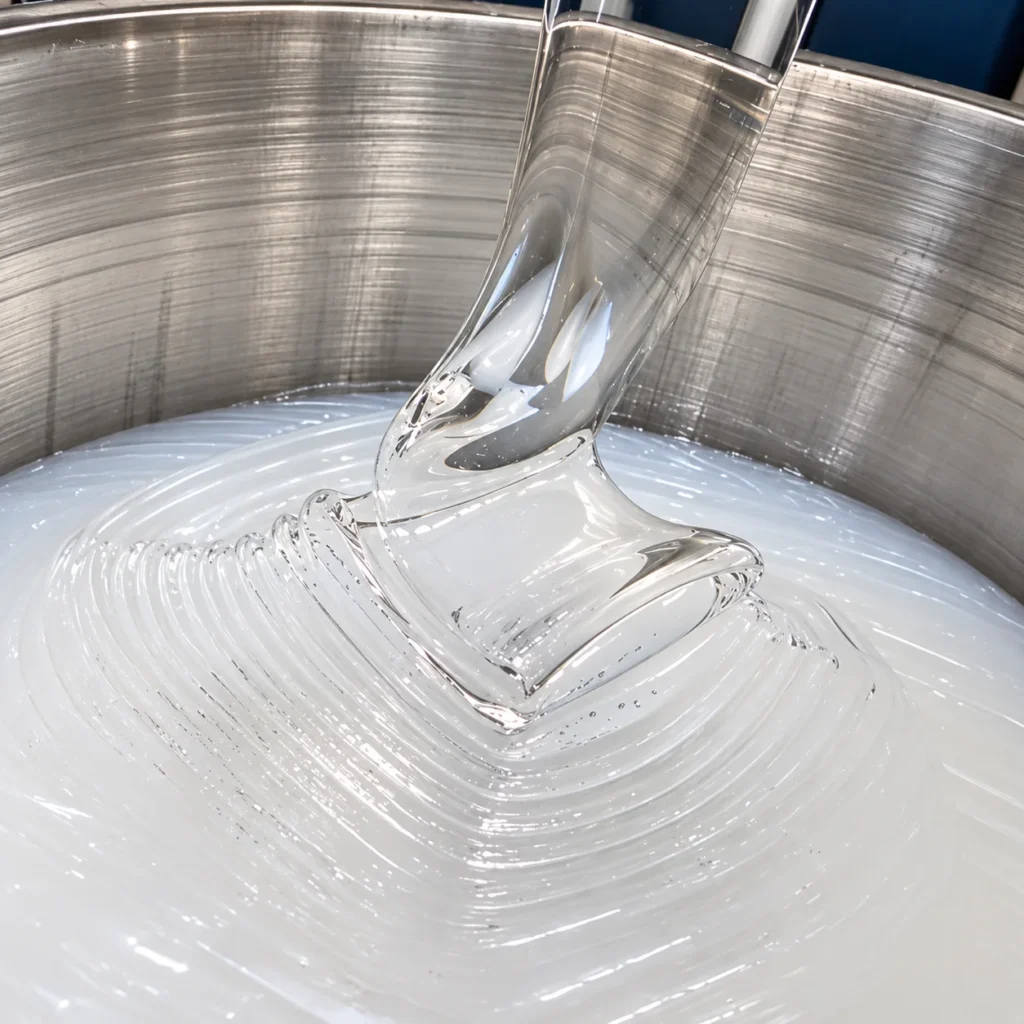
Liquid Silicone Rubber Material Options
Material options include general-purpose, soft, transparent, high-temperature-resistant, medical-grade, food-contact-grade, and custom-colored LSR.
Selection depends on Shore A hardness, tensile and tear strength, compression set, chemical resistance, and regulatory requirements.
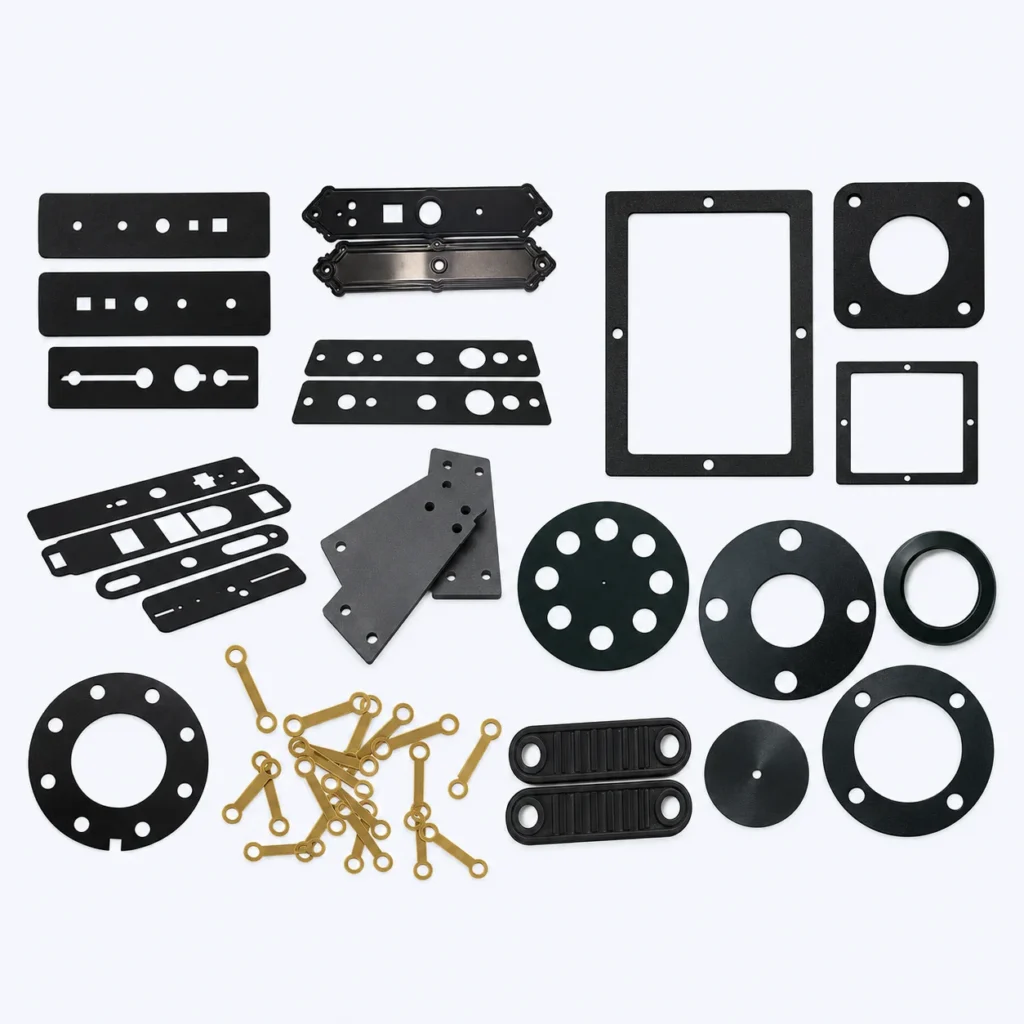
Silicone Seals, Gaskets & Valves
LSR is well suited for precision sealing components requiring flexibility and consistent contact with mating surfaces.Typical applications include:
- Silicone gaskets
- O-rings and seals
- Flexible valves
- Diaphragms
- Protective sealing components
- Fluid-control components
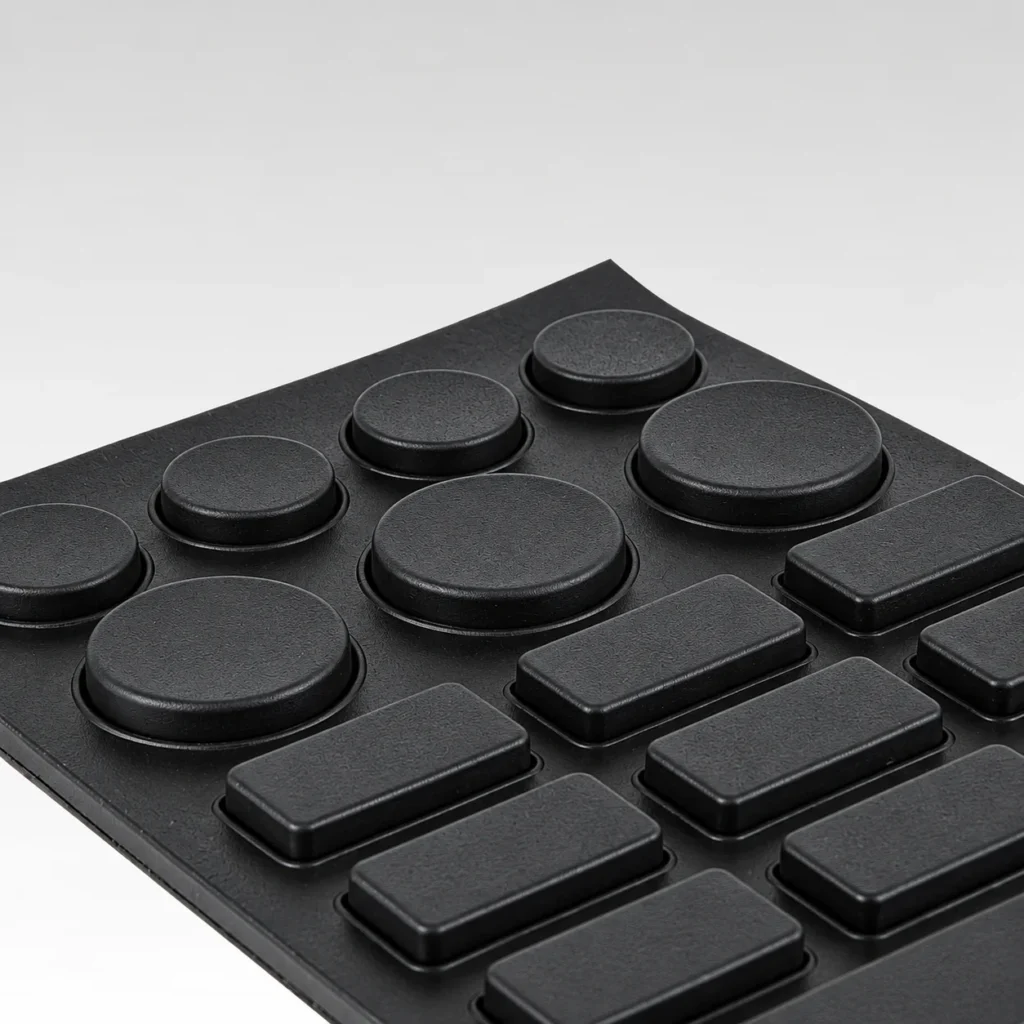
Consumer Electronics & Industrial Products
LSR molding can support flexible components used in electronic devices, household products, tools, and industrial equipment.
Common applications include silicone buttons, keypads, protective covers, connectors, vibration-damping components, and flexible interfaces.
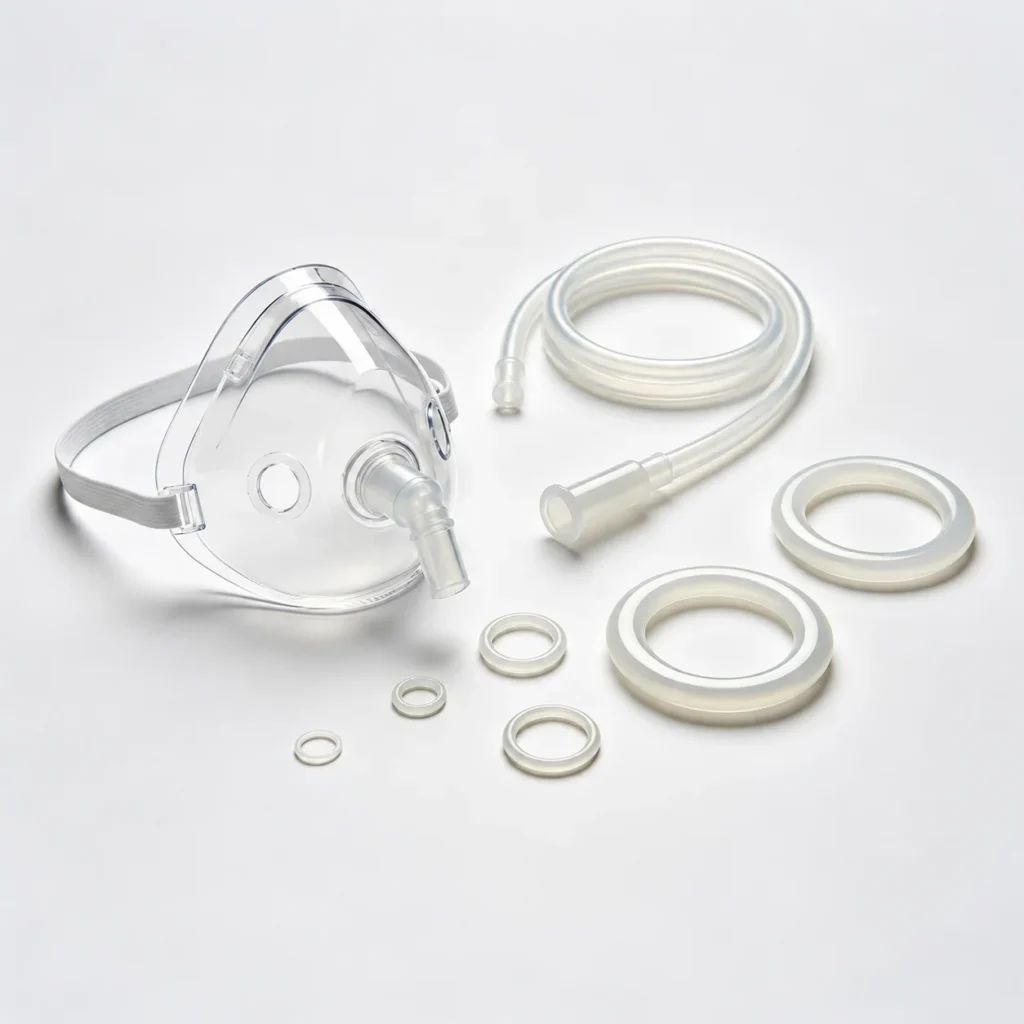
Medical & Food-Contact Applications
Specially formulated LSR grades can be suitable for selected medical, healthcare, infant-care, and food-contact applications.
Material grade, biocompatibility, regulatory compliance, cleanliness, and product-specific testing requirements must be confirmed for each application.
Design for Liquid Silicone Rubber Molding
LSR molding requires different design considerations from conventional thermoplastic injection molding.
Because liquid silicone flows easily and cures inside a heated mold, part geometry, tooling precision, sealing surfaces, and process control strongly influence final part quality.
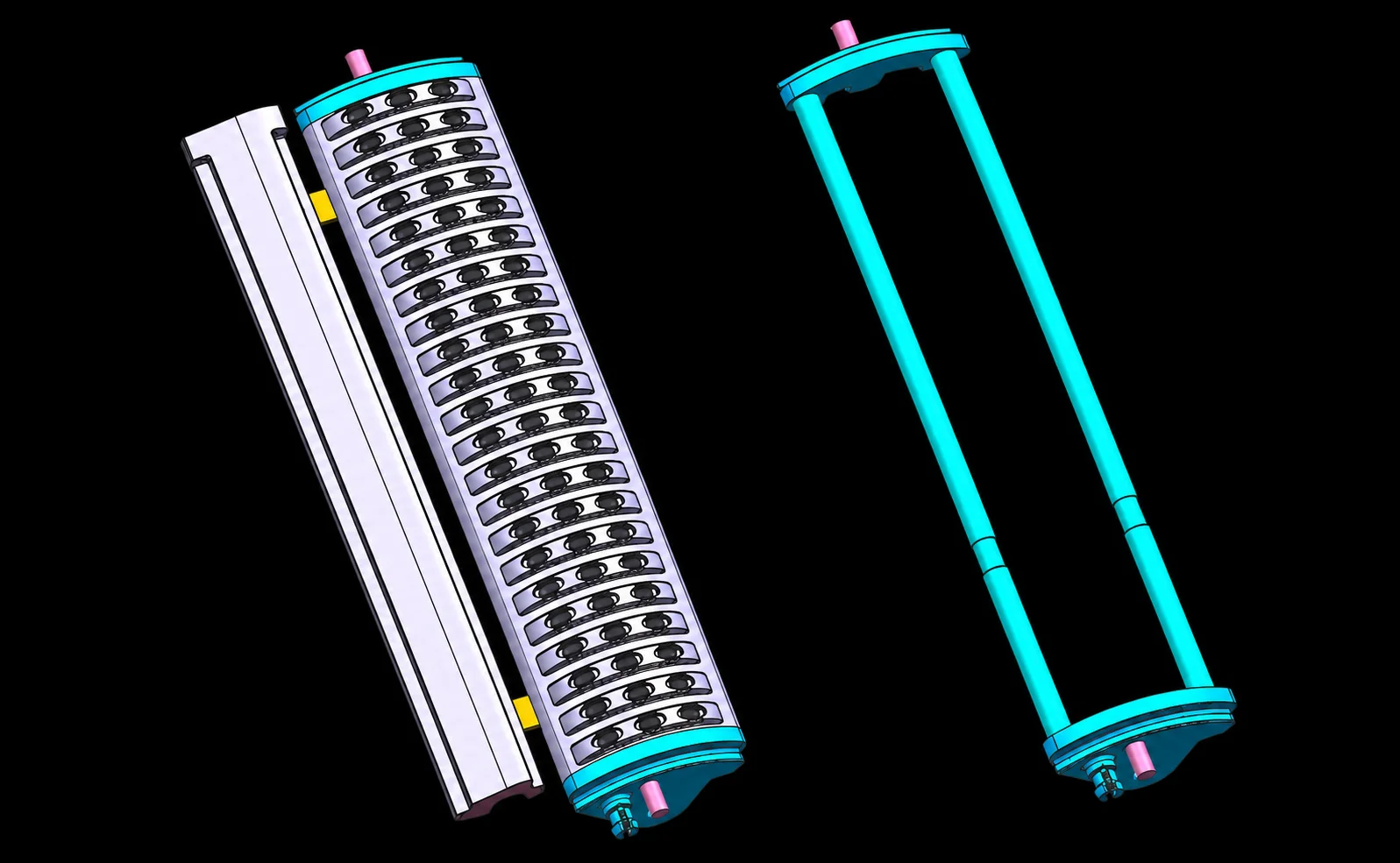
Wall Thickness & Part Geometry
Our LSR DFM review evaluates wall thickness, transitions, radii, undercuts, and flexible features to improve moldability and dimensional consistency.
Suitable part geometry helps reduce molding defects and supports reliable demolding.
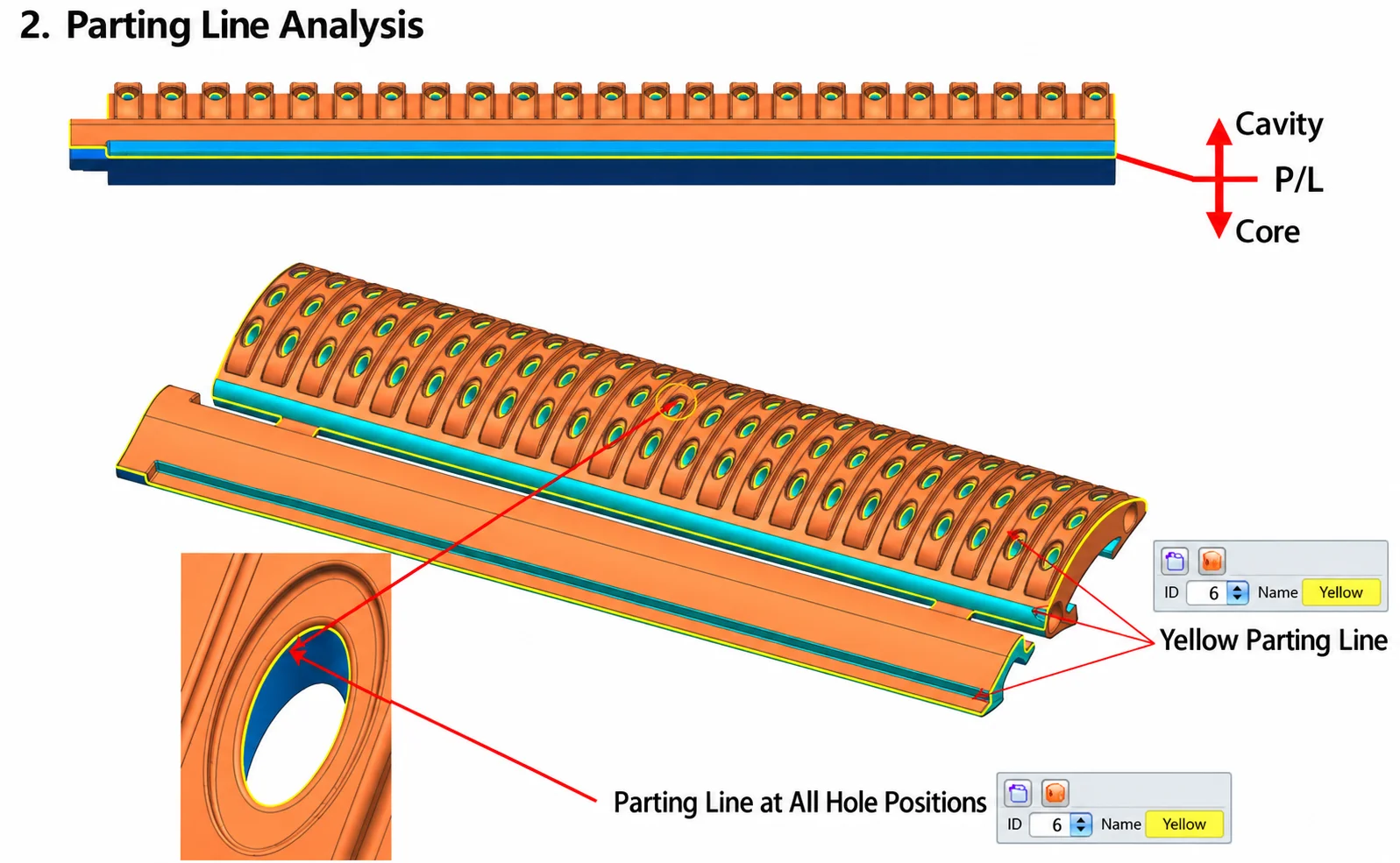
Parting Lines, Flash & Venting
LSR can flow into extremely small gaps, making flash control particularly important.
Our tooling review considers parting lines, shut-off surfaces, venting, gate locations, and mold alignment to reduce unwanted flash and support consistent part appearance.
LSR Mold Design & Tooling
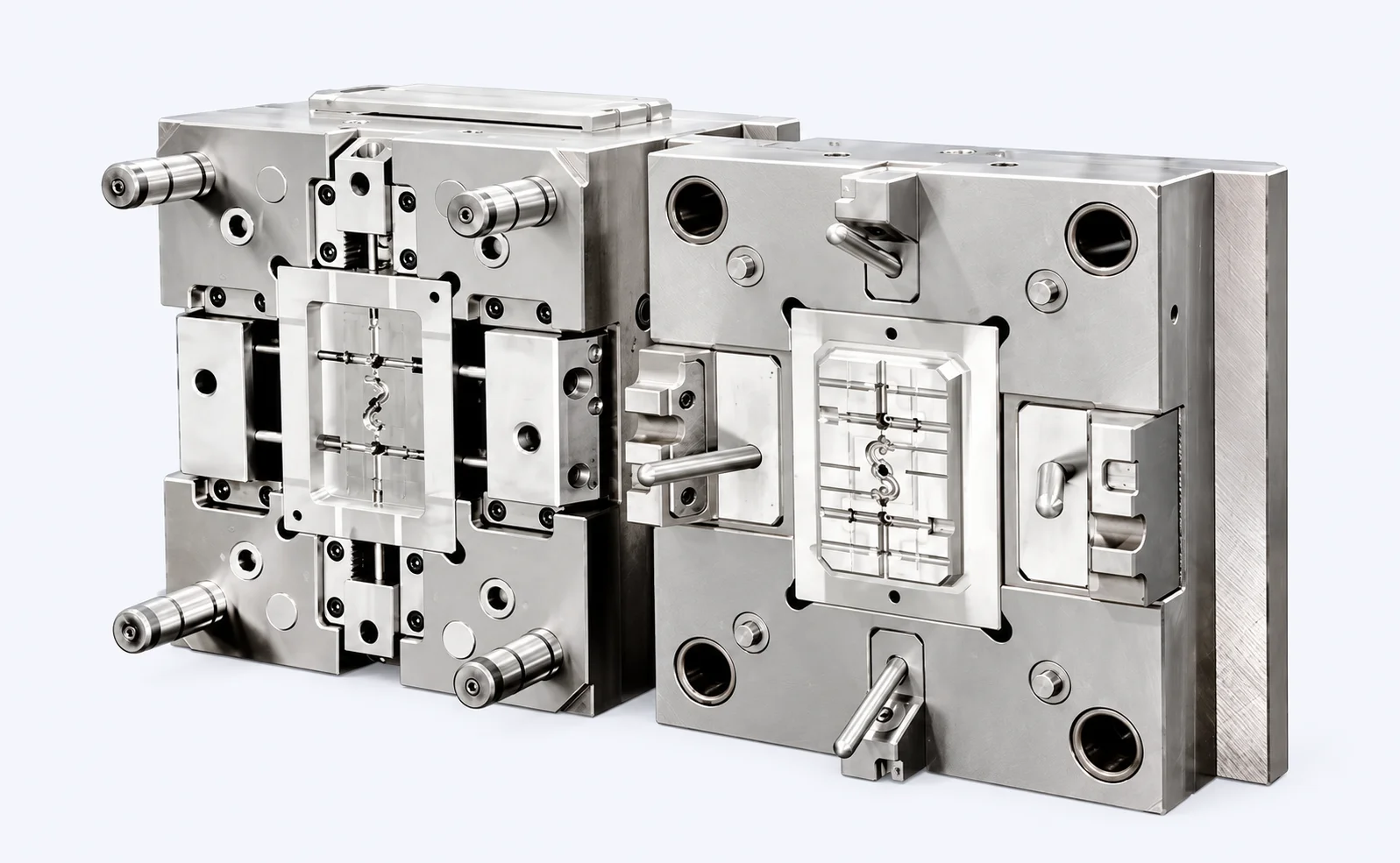
LSR molds require controlled heating and accurate material delivery to support consistent filling and curing.
Depending on the application, mold design considerations may include:
- Cavity and core design
- Runner and gate systems
- Mold temperature control
- Venting
- Parting lines and shut-offs
- Shrinkage allowance
- Demolding strategy
- Multi-cavity tooling
LSR Overmolding & Insert Molding
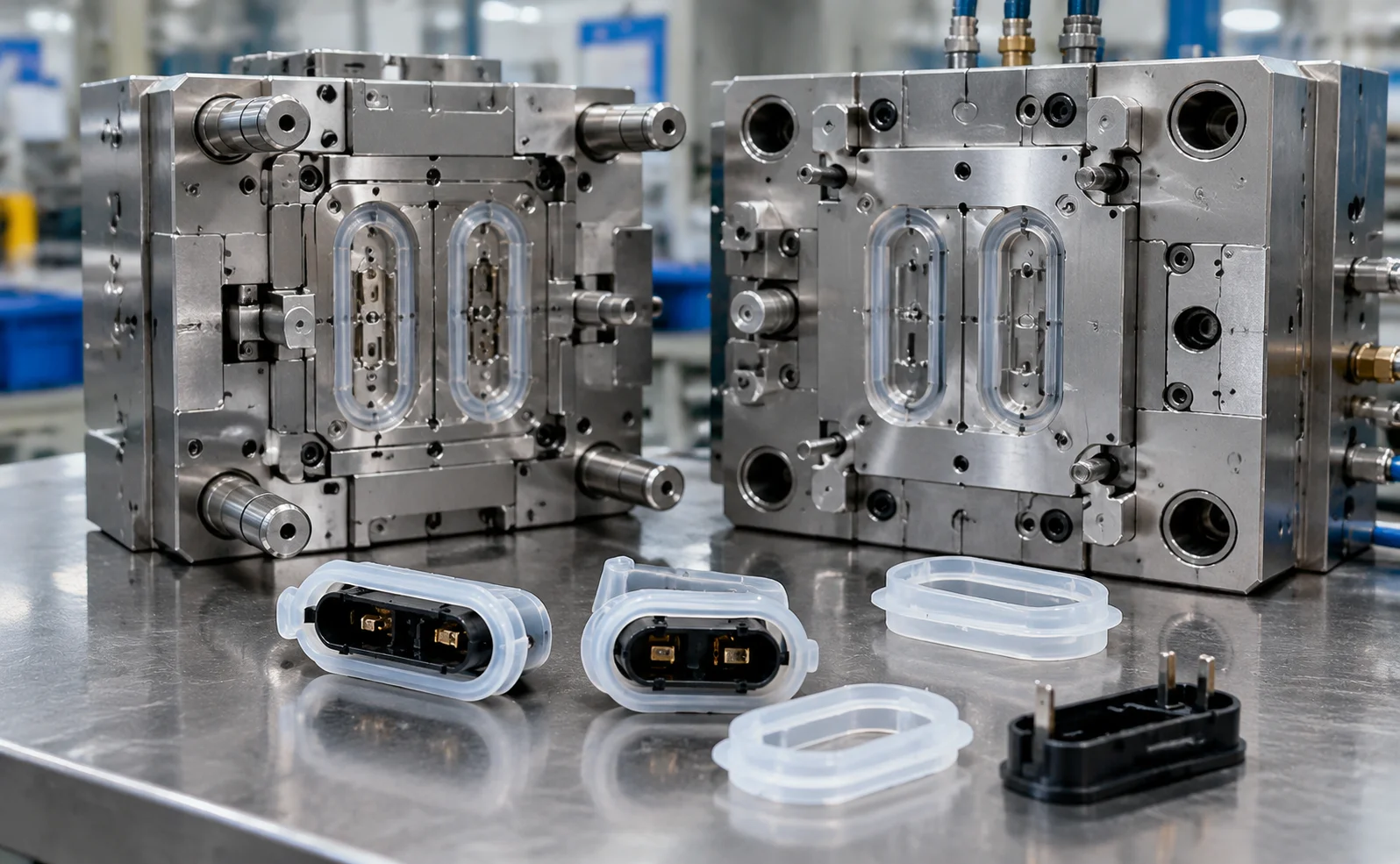
LSR can also be molded around selected plastic or metal substrates to create integrated multi-material components.
Substrate compatibility, curing temperature, adhesion, mechanical retention, and insert positioning should be evaluated before tooling.
This can support integrated seals, protective features, and flexible interfaces where the design and materials are compatible.
Need Precision Silicone Parts for Your Project?
From flexible seals and gaskets to custom silicone components, Maidder can help evaluate your LSR material, part design, tooling, and production requirements.
Send us your CAD files, expected quantities, hardness requirements, tolerances, and application details for an engineering review and quotation.
Our Liquid Silicone Rubber Molding Process
Maidder connects engineering review, mold manufacturing, sampling, and injection molding to support reliable silicone part production.
01
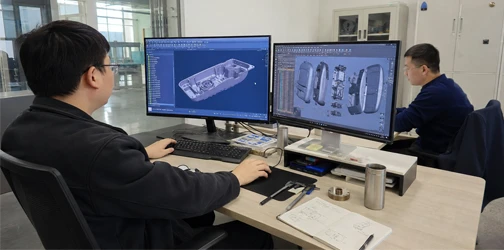
CAD & Material Review
Provide your 3D CAD files, material requirements, Shore A hardness, quantities, tolerances, surface requirements, and application details. Our engineers evaluate part geometry and material suitability.
02
LSR DFM & Mold Design
We review wall thickness, parting lines, undercuts, gates, flash control, venting, shrinkage, and demolding requirements. The mold design is developed around the selected LSR material and production requirements.
03
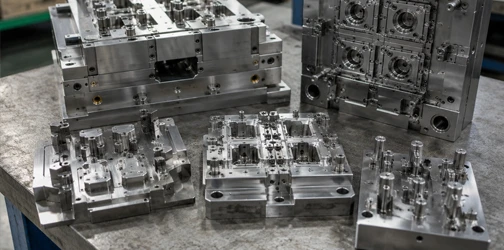
Mold Manufacturing & Process Setup
After design approval, the mold is manufactured and prepared for LSR processing. The two-component liquid silicone system is metered and mixed, then injected into the heated mold where it cures into the required shape.
04
T1 Sampling & Validation
Initial molded silicone parts are evaluated for:
- Dimensions
- Surface appearance
- Flash
- Hardness
- Flexibility
- Fit and assembly
- Sealing or functional requirements
Tooling and molding parameters can be refined where necessary.
05
Process Validation & Production
After sample approval, molding parameters are established for repeat production. Depending on project requirements, inspection can include dimensional measurements, appearance checks, material verification, and specified functional tests. Maidder can coordinate the transition from LSR tooling to silicone part production and downstream assembly.
Liquid Silicone Rubber Molding FAQs
What is liquid silicone rubber molding?
Liquid silicone rubber molding is an injection molding process that uses a two-component liquid silicone material to manufacture flexible thermoset parts.
The liquid silicone is mixed, injected into a heated mold, and cured to produce the final component.
LSR injection molding is commonly used for seals, gaskets, valves, buttons, flexible components, and other precision silicone parts.
What products are suitable for LSR injection molding?
LSR injection molding is suitable for products requiring elasticity, temperature resistance, sealing performance, electrical insulation, or flexible features.
Typical applications include silicone gaskets, O-rings, diaphragms, keypads, protective covers, industrial seals, and selected medical or food-contact components.
What is the difference between LSR molding and TPE/TPU injection molding?
LSR is a thermoset silicone material that undergoes chemical curing inside a heated mold.
TPE and TPU are thermoplastic elastomers that generally melt during processing and solidify as they cool.
LSR may offer advantages in temperature stability, elastic recovery, and weather resistance, while TPE/TPU can be suitable for recyclable thermoplastic processing and selected overmolding applications.
The appropriate material depends on product performance, bonding, manufacturing, and cost requirements.
Can LSR molding be used for medical-grade or food-contact silicone parts?
Yes, when suitable LSR grades and appropriate manufacturing controls are used.
Medical and food-contact applications may require specific material certifications, biocompatibility evaluations, traceability, cleanliness controls, or product testing.
These requirements should be confirmed before production because using silicone alone does not automatically make a finished product medically certified or food-contact compliant.
Can Maidder support LSR mold making and mass production?
Yes. Maidder can support LSR material review, DFM, mold design and manufacturing, T1 sampling, tooling optimization, process validation, silicone injection molding, and downstream assembly.
This provides a coordinated path from product design to repeat silicone part production.
Contact Us
Have a product idea or manufacturing requirement? Our engineering team supports you from product development and rapid prototyping to custom injection molds, injection molding and mass production. Share your CAD files, drawings or project details, and we’ll help define the right solution.