
Clear Acrylic for Optical, Display and Precision Plastic Parts
PMMA (Polymethyl Methacrylate), commonly known as acrylic, is a transparent thermoplastic valued for its excellent optical clarity, UV resistance, dimensional stability, and smooth surface appearance.
As a lightweight alternative to glass, PMMA is widely used for transparent covers, display components, lighting parts, lenses, equipment windows, and other applications where clarity and appearance are important.
Why Choose PMMA Acrylic?
PMMA stands out from many engineering plastics because of its combination of transparency, appearance, weather resistance, and manufacturing versatility.
Maidder manufactures custom PMMA plastic parts through CNC machining, injection molding, and prototype manufacturing, supporting projects from early design validation to production.
Clear PMMA provides excellent light transmission and visual transparency, making it suitable for products where visibility, illumination, or appearance is important.
Common applications include:
- Clear windows
- Display panels
- Light guides
- Lenses
- Transparent covers
Good UV & Weather Resistance
Acrylic offers good resistance to UV exposure and outdoor weathering, helping transparent components maintain their appearance in suitable outdoor applications.
High Surface Quality
PMMA can achieve a clean, glossy appearance and can be polished to improve transparency after CNC machining.
Good Dimensional Stability
Its rigidity and dimensional stability make PMMA suitable for precision components, panels, covers, and assemblies requiring consistent dimensions.
Lightweight Alternative to Glass
PMMA offers glass-like transparency at significantly lower weight and is less prone to shattering than conventional glass.
PMMA Manufacturing Options
Choosing the right manufacturing process depends on your part geometry, quantity, tolerance, surface requirements, and project stage.
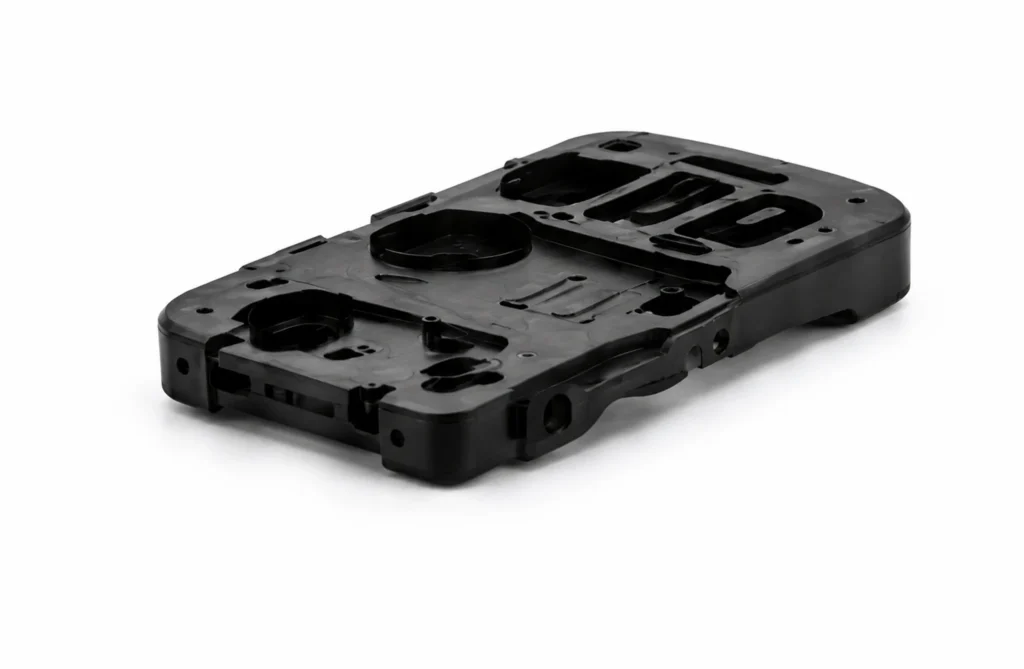
PMMA CNC Machining
CNC machining is a practical choice for PMMA prototypes, transparent components, and low-volume production parts.
It eliminates the need for injection mold tooling while providing good dimensional control and design flexibility.
- Functional prototypes
- Clear panels
- Equipment windows
- Transparent covers
- Light guides
- Display components
- Low-volume custom parts
Machining PMMA requires appropriate cutting parameters and tooling to reduce chipping, cracking, overheating, and poor edge quality.
Polishing can also be applied when improved transparency or cosmetic appearance is required.
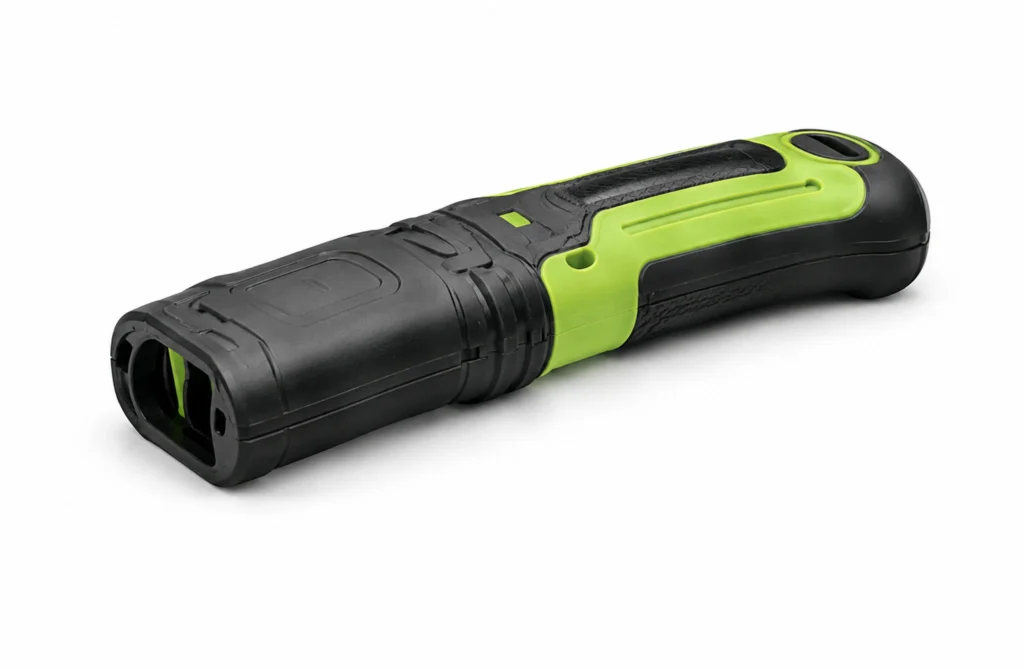
PMMA CNC Machining
CNC machining is a practical choice for PMMA prototypes, transparent components, and low-volume production parts.
It eliminates the need for injection mold tooling while providing good dimensional control and design flexibility.
- Functional prototypes
- Clear panels
- Equipment windows
- Transparent covers
- Light guides
- Display components
- Low-volume custom parts
Machining PMMA requires appropriate cutting parameters and tooling to reduce chipping, cracking, overheating, and poor edge quality.
Polishing can also be applied when improved transparency or cosmetic appearance is required.
Need Clear Plastic Parts but Unsure Which Process to Use?
Send us your 3D files, quantity, tolerance, and appearance requirements. Maidder can help evaluate whether CNC machining, injection molding, or another manufacturing process is better suited to your PMMA parts.
Where Is PMMA Commonly Used?
Because PMMA combines optical clarity with good surface appearance and environmental resistance, it is used across a wide range of industries.
Lighting & Optical Components
PMMA is commonly selected for:
- Light guides
- LED covers
- Lenses
- Diffusers
- Illuminated components
Its transparency makes it particularly useful for components designed to transmit or control visible light.
Displays & Consumer Products
Typical applications include:
- Display cases
- Transparent housings
- Cosmetic covers
- Product stands
- Decorative components
PMMA is particularly useful when visual appearance is an important part of the product design.
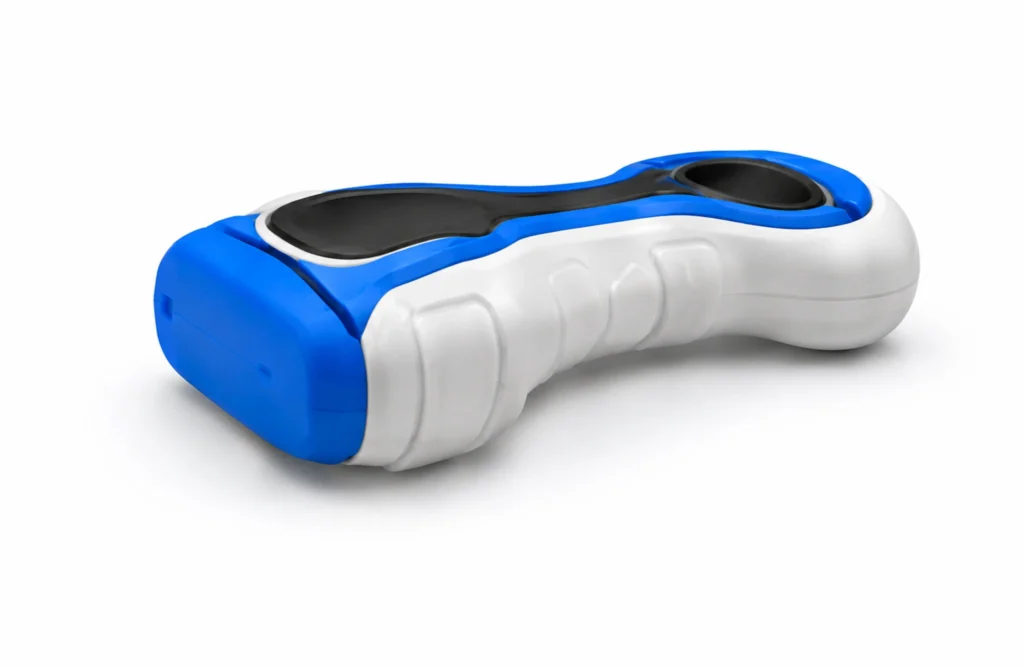
Industrial Equipment
PMMA can be used for:
- Machine windows
- Inspection panels
- Instrument covers
- Transparent guards
- Equipment panels
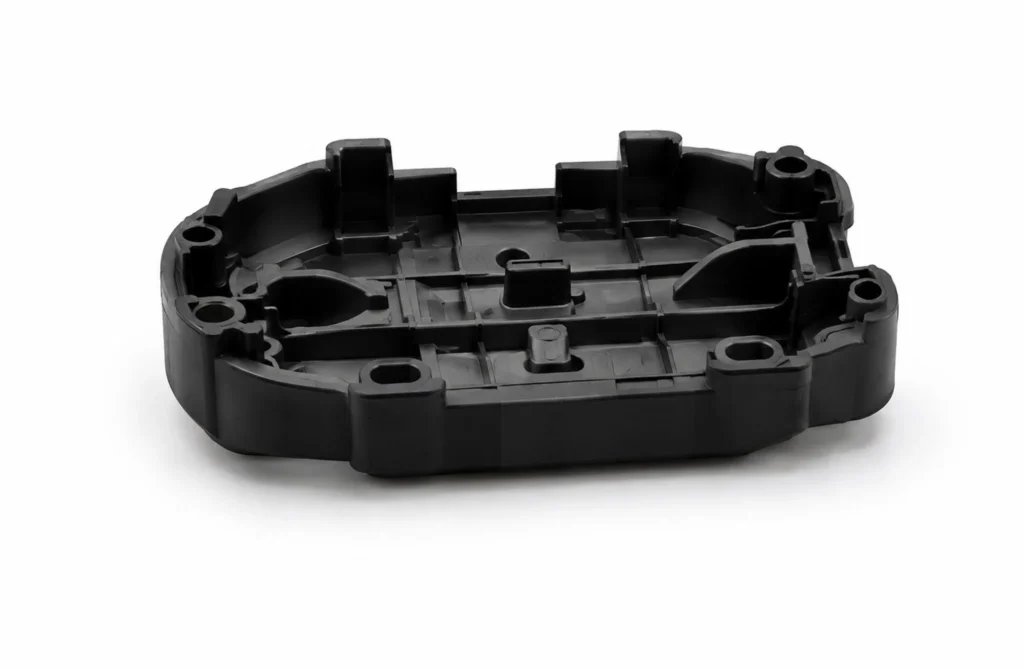
Automotive Components
Typical applications include:
- Lighting components
- Interior display parts
- Decorative transparent components
- Instrument-related covers
Its transparency makes it particularly useful for components designed to transmit or control visible light.
Medical & Laboratory Equipment
Clear PMMA can also be used for selected non-implant medical and laboratory applications such as equipment covers, transparent panels, holders, and inspection components, depending on the required material grade and regulatory requirements.
PMMA Surface Finishing Options
The final appearance of an acrylic part depends not only on the material but also on the manufacturing and finishing process.
As-Machined
Suitable for functional prototypes and internal components where machining marks are acceptable.
Polishing
Mechanical or other suitable polishing processes can improve edge transparency and cosmetic appearance.
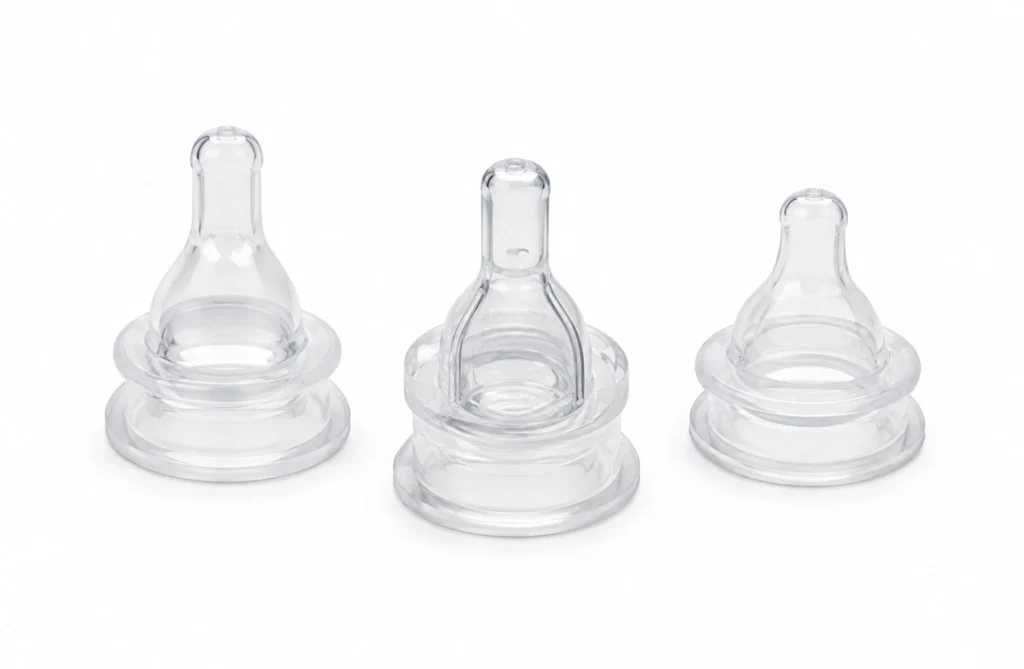
Frosted Finish
A matte or frosted surface can diffuse light and reduce direct visibility through the component.
Painting
PMMA parts can be painted for custom colors or decorative effects.
Printing & Marking
Logos, graphics, identification information, and other visual elements can be added depending on the application.
PMMA vs Other Plastic Materials
PMMA vs Polycarbonate: Which Clear Plastic Should You Choose?
PMMA and PC are two of the most common transparent engineering plastics, but they are suited to different requirements.
Choose PMMA when:
Optical clarity, surface appearance, UV resistance, and transparency are priorities.
Choose PC when:
Impact resistance, toughness, and mechanical durability are more important.
PMMA vs ABS
Choose PMMA for transparency, UV resistance, and cosmetic appearance.Choose ABS when toughness, impact resistance, and general-purpose structural performance are more important.
PMMA vs PS
PMMA generally offers better optical quality and weather resistance for demanding transparent applications, while PS can provide a lower-cost solution for less demanding applications.
PMMA vs PC
PMMA offers superior cosmetic clarity and surface hardness, while PC is preferred when high impact resistance is required.
From Clear Prototype to Production Part
A transparent plastic part requires more than selecting a clear material.
Surface finish, wall thickness, tooling quality, machining parameters, polishing, internal stress, and part geometry can all affect the final appearance.
Maidder supports the complete development process for custom PMMA parts, including:
- Material selection
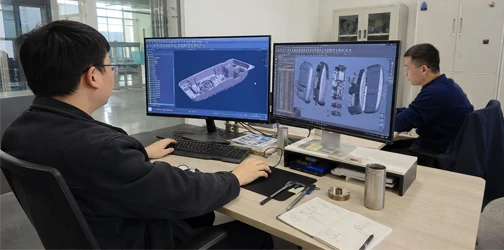
- DFM review
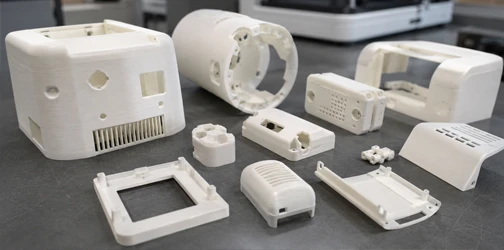
- Prototype manufacturing
- CNC machining
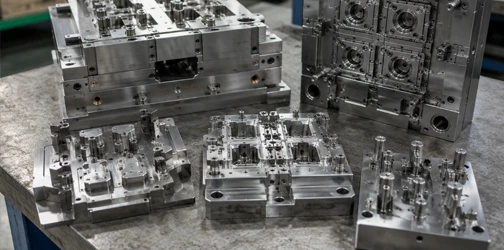
- Injection mold development
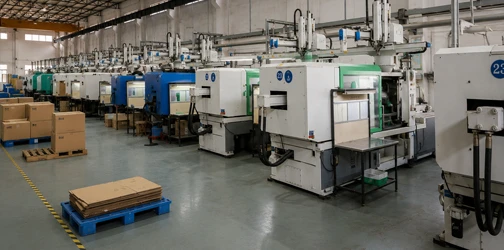
- Injection molding
- Surface finishing
- Inspection and production
This allows customers to validate both function and appearance before moving into stable production.
FAQs

What is PMMA plastic?
PMMA stands for Polymethyl Methacrylate. It is a transparent thermoplastic commonly known as acrylic and is widely used for clear plastic components requiring good optical clarity and surface appearance.
Is PMMA the same as acrylic?
Yes. Acrylic is the common name for PMMA, although specific commercial acrylic products can vary by grade and formulation.
Is PMMA suitable for CNC machining?
Yes. PMMA is widely used in CNC machining for transparent prototypes, panels, covers, light guides, and precision acrylic components.
Can PMMA be injection molded?
Yes. PMMA can be injection molded for medium- and high-volume production of transparent and cosmetic plastic components.
Is PMMA better than polycarbonate?
It depends on the application. PMMA is generally preferred for optical clarity, surface appearance, and UV resistance, while polycarbonate is better when high impact resistance and toughness are required.
What are common applications of PMMA?
PMMA is commonly used for transparent covers, displays, lighting components, lenses, equipment windows, automotive lighting parts, and consumer products.
Can PMMA parts be polished?
Yes. CNC-machined PMMA can be polished to improve edge quality, transparency, and cosmetic appearance. The appropriate finishing process depends on the geometry and optical requirements.
Can Maidder manufacture custom PMMA parts?
Yes. Maidder supports custom PMMA parts through CNC machining, prototype manufacturing, injection mold development, injection molding, and surface finishing.
Contact Us
Have a product idea or manufacturing requirement? Our engineering team supports you from product development and rapid prototyping to custom injection molds, injection molding and mass production. Share your CAD files, drawings or project details, and we’ll help define the right solution.