
Tough Engineering Plastic for Wear-Resistant Functional Parts
PA (Polyamide), commonly known as Nylon, is a versatile engineering thermoplastic valued for its high mechanical strength, toughness, wear resistance, fatigue resistance, and low-friction performance.
From PA6 and PA66 to glass-filled and specialty Nylon grades, polyamide materials are widely used for gears, bearings, bushings, clips, automotive components, industrial mechanisms, and other functional plastic parts.
Why Engineers Choose POM
Unlike general-purpose plastics primarily selected for appearance or cost, POM is often chosen for mechanical performance.
Its combination of stiffness, wear resistance, low friction, and dimensional stability makes it suitable for parts that move, slide, rotate, or maintain precise mechanical relationships.
Maidder provides custom POM plastic parts through CNC machining and injection molding, supporting projects from functional prototypes and engineering validation to repeat production.
POM has naturally low friction characteristics, making it well suited for moving components and sliding surfaces.
Typical parts include:
- Gears
- Bearings
- Bushings
- Rollers
- Sliding components
Excellent Wear Resistance
POM performs well in applications involving repeated mechanical movement and surface contact, helping reduce wear over extended service periods.
High Strength and Stiffness
Its mechanical strength and rigidity allow POM to handle structural loads while maintaining part geometry.
Excellent Dimensional Stability
Low moisture absorption and good dimensional stability help POM maintain accurate dimensions, making it a strong choice for precision components.
Good Creep Resistance
POM maintains its shape effectively under sustained mechanical loads, making it suitable for functional parts exposed to long-term stress.
Understanding Nylon Grades
Nylon is a family of polyamide materials rather than a single plastic.
Different PA grades offer different balances of toughness, stiffness, heat resistance, moisture absorption, dimensional stability, and processing characteristics.
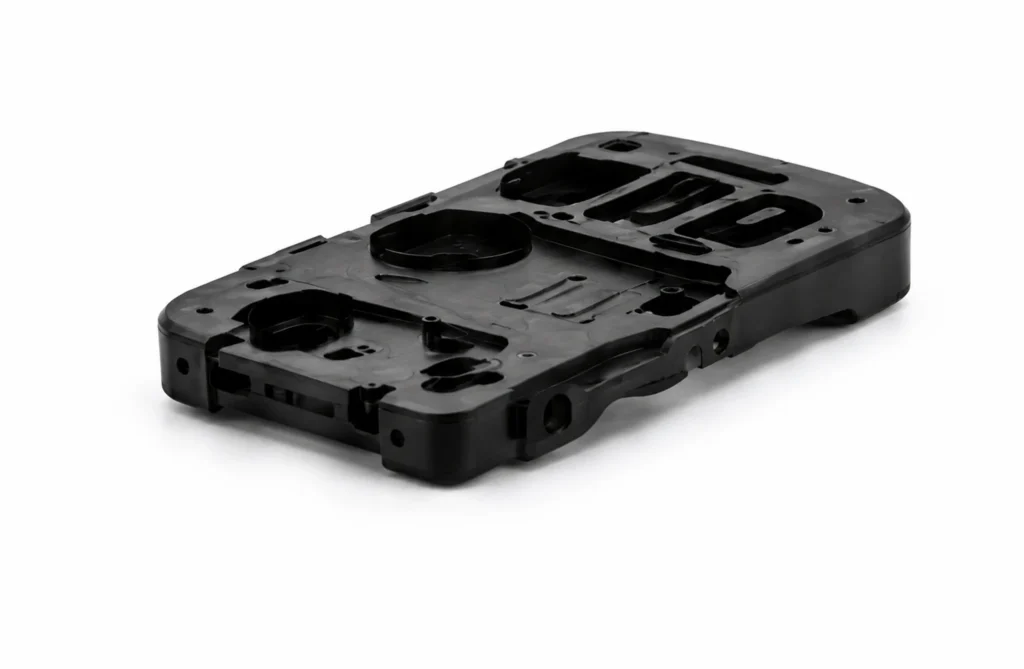
PA6 — Nylon 6
PA6 offers a strong balance of toughness, wear resistance, and processability.
- Good toughness
- High impact resistance
- Good wear resistance
- Good surface finish
- Easy processing
- Gears
- Bushings
- Industrial components
- Automotive parts
- Mechanical housings
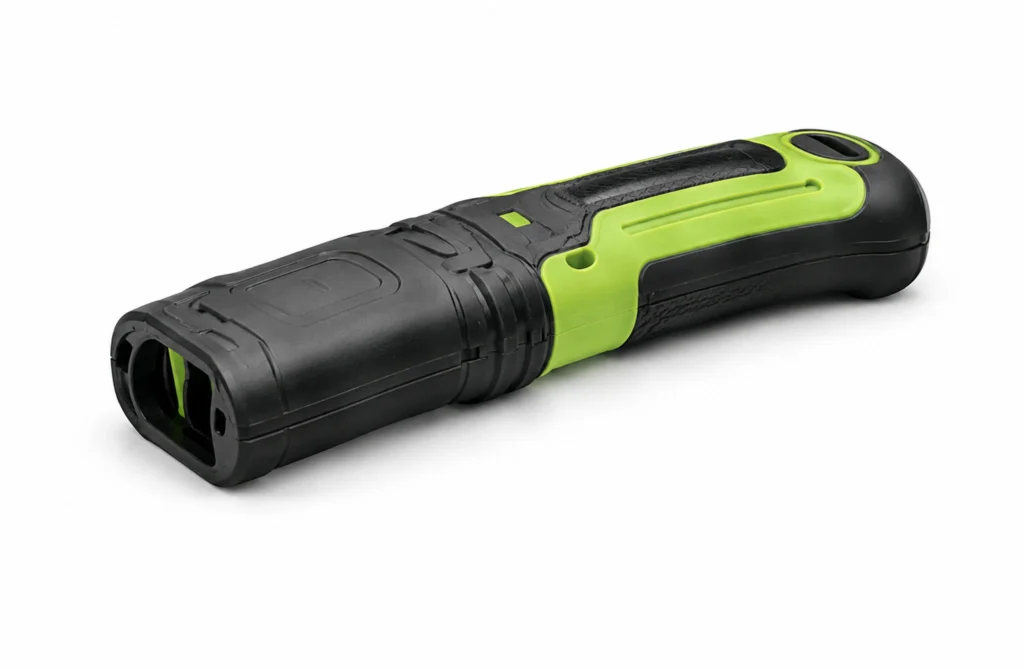
PA66 — Nylon 66
PA66 generally provides higher stiffness and heat resistance than PA6, making it suitable for more demanding mechanical and thermal applications.
- Higher stiffness
- Good mechanical strength
- Higher heat resistance
- Excellent wear performance
- Good fatigue resistance
- Automotive components
- Electrical connectors
- Gears
- Fasteners
- Industrial mechanisms
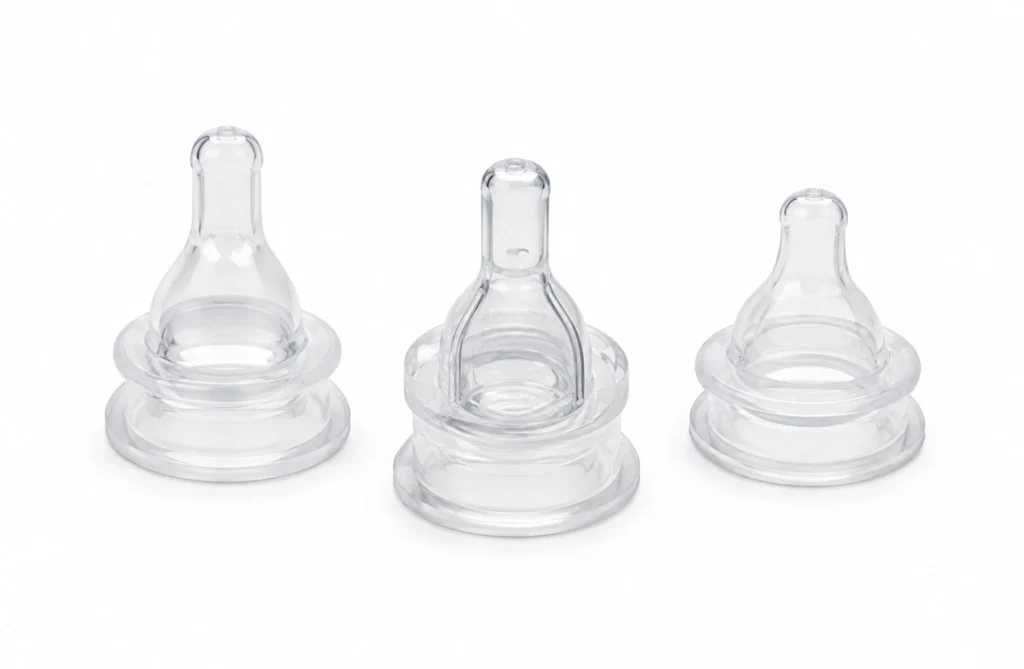
PA12 — Nylon 12
PA12 provides lower moisture absorption than PA6 and PA66 and is widely used in additive manufacturing.
- Good dimensional stability
- Low moisture absorption
- Good toughness
- Excellent 3D printing capability
- Good chemical resistance
- Functional prototypes
- Complex 3D printed parts
- Snap-fit components
- Housings
- Low-volume production parts
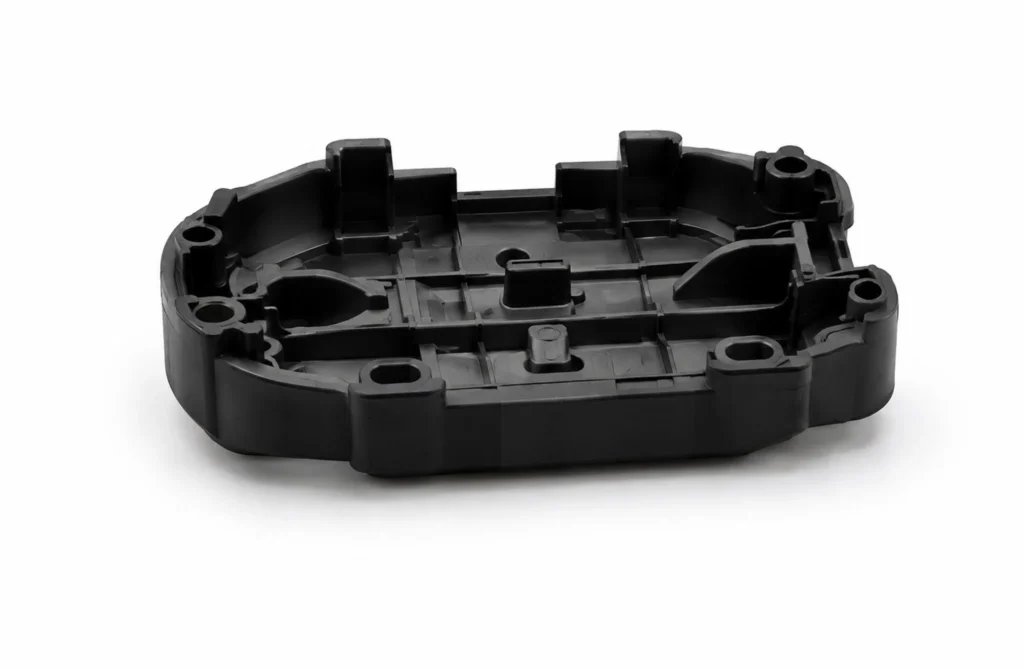
Glass-Filled Nylon
Glass fibers can be added to Nylon to improve stiffness, strength, heat resistance, and dimensional stability.
- PA6 GF15
- PA6 GF30
- PA66 GF30
- Other reinforced PA grades
Glass-filled Nylon is particularly useful for structural and mechanical components where standard Nylon does not provide enough rigidity.
PA6 vs PA66: Which Nylon Should You Choose?
PA6 and PA66 are two of the most widely used Nylon materials for manufacturing.
Choose PA6 when:
Toughness, impact performance, processing flexibility, and cost efficiency are priorities.
Choose PA66 when:
Higher stiffness, mechanical strength, and heat resistance are more important.
The final material should always be selected according to the actual operating temperature, load, moisture exposure, dimensional requirements, and production process.
Need Help Choosing the Right Nylon Grade?
Whether you need a PA12 3D printed prototype, CNC-machined PA6/PA66 component, or glass-filled Nylon injection molded part, Maidder can help evaluate the material and manufacturing process for your application.
Nylon Manufacturing Options
One of Nylon’s biggest advantages is its compatibility with several manufacturing processes.
Maidder supports Nylon parts from early functional prototypes through production using CNC machining, 3D printing, and injection molding.
Nylon Injection Molding
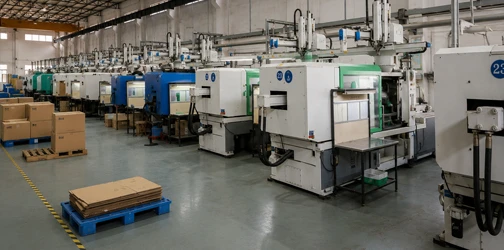
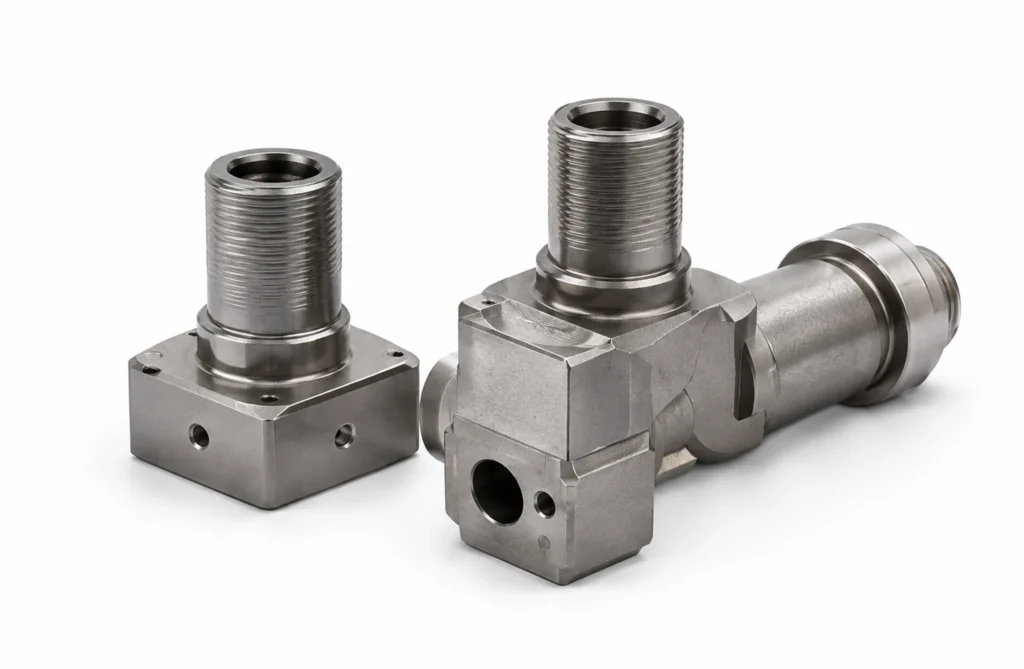
Injection molding is the primary manufacturing process for medium- and high-volume Nylon plastic parts.
It is particularly suitable for complex functional components requiring repeatability, mechanical strength, and production efficiency.
- Gears
- Clips and fasteners
- Connectors
- Mechanical housings
- Automotive components
- Electrical components
- Industrial mechanisms
- High-volume functional parts
Why Injection Mold Nylon?
Nylon injection molding offers:
- Efficient volume production
- Complex part geometries
- High repeatability
- Excellent mechanical performance
- Reinforced material options
- Low unit costs at production volume
Because Nylon is hygroscopic, proper material drying and moisture control are particularly important before molding.
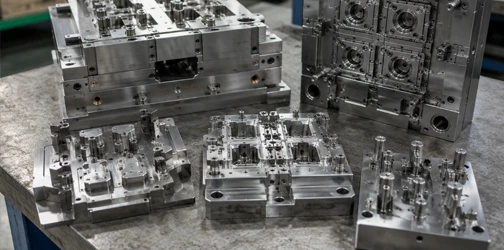
Mold design should also consider material shrinkage, wall thickness, gate location, fiber orientation, and dimensional requirements.
Nylon CNC Machining
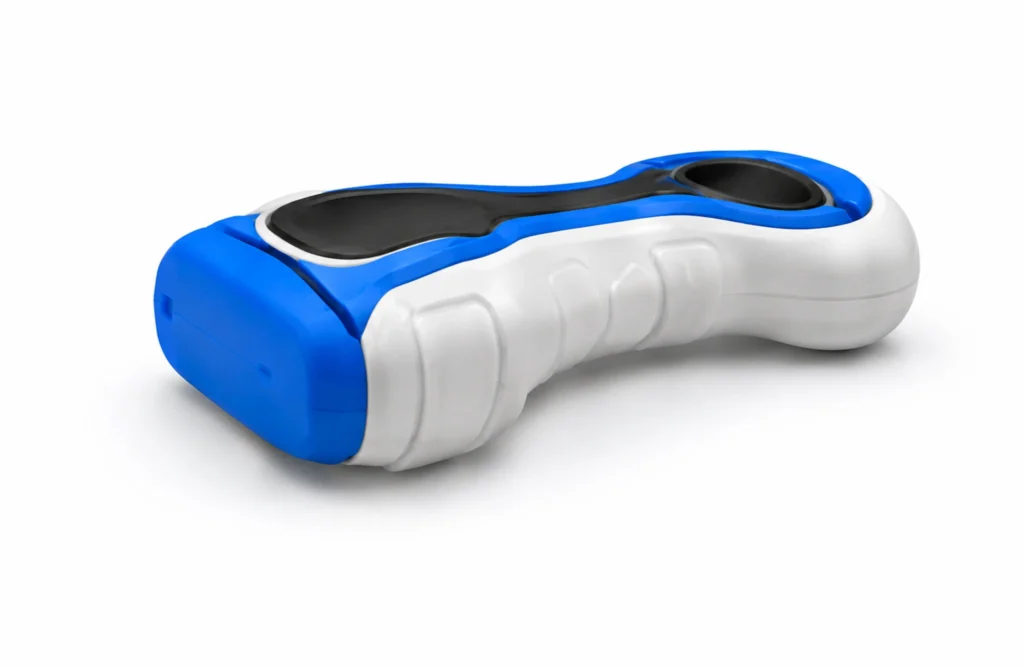
Nylon is widely used for CNC-machined functional prototypes and precision mechanical parts.
Its machinability and mechanical performance make it particularly useful when engineers need production-like parts without investing in injection mold tooling.
Best suited for:
- Functional prototypes
- Gears
- Bearings
- Bushings
- Rollers
- Fixtures
- Mechanical components
- Low-volume production
Advantages of CNC Machining Nylon
- No tooling required
- Fast prototype production
- Good dimensional accuracy
- Suitable for functional testing
- Wide range of PA6 and PA66 grades
- Easy transition from prototype to production
CNC-machined Nylon parts can be used to validate fit, movement, load, assembly, and mechanical performance before production tooling.
Nylon 3D Printing
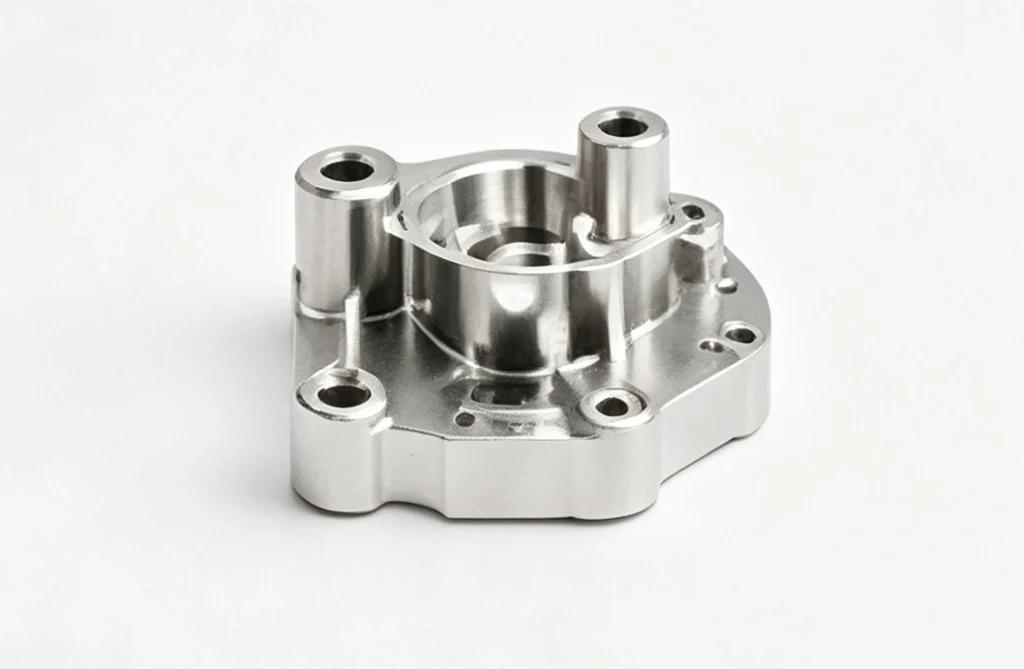
Nylon is one of the most widely used engineering materials for functional 3D printing. PA11 and PA12 are particularly suitable for SLS and MJF additive manufacturing, allowing complex geometries to be produced without conventional tooling.
Best suited for:
- Functional prototypes
- Complex geometries
- Snap-fit components
- Lightweight structures
- Housings
- Assembly validation
- Low-volume production parts
Advantages of Nylon 3D Printing
- No mold tooling required
- Fast design iteration
- Complex geometry capability
- Good mechanical performance
- Suitable for functional testing
- Efficient low-volume production
Nylon 3D printing is particularly useful during product development when several design iterations must be tested before CNC machining or injection molding.
Common Applications of Nylon Plastic
Gears, Bearings & Moving Components
Nylon is commonly used for:
- Gears
- Bearings
- Bushings
- Rollers
- Sprockets
- Guides
Its wear resistance, fatigue performance, and low friction make it particularly suitable for moving mechanical parts.
Automotive Components
PA6, PA66, and glass-filled Nylon are widely used for automotive applications such as:
- Under-hood components
- Clips and fasteners
- Connectors
- Brackets
- Mechanical housings
- Structural components
Heat-stabilized and reinforced grades can be selected for more demanding operating environments.
Electrical & Electronics
Common applications include:
- Electrical connectors
- Switch components
- Cable management parts
- Insulating components
- Electronic housings
Specific flame-retardant or reinforced grades may be selected according to product requirements.
Industrial Equipment
Nylon can be used for:
- Machine components
- Rollers
- Guides
- Bearings
- Conveyor components
- Mechanical fixtures
Consumer Products
Typical applications include:
- Power tool components
- Sports equipment
- Appliance components
- Hinges
- Clips
- Handles
- Functional mechanisms
From 3D Printed Prototype to Injection Molded Nylon Parts
Nylon provides product teams with a flexible development path.
Early Design Stage
Use PA12 3D printing to quickly evaluate:
- Overall geometry
- Assembly fit
- Snap features
- Product ergonomics
- Functional concepts
Engineering Validation
Use CNC-machined PA6 or PA66 when material behavior, mechanical performance, tolerances, or functional movement require more realistic testing.
Production Stage
Move to Nylon injection molding once the design, material, and assembly have been validated. This manufacturing pathway helps reduce tooling risks while allowing engineers to validate the product progressively before mass production.
Glass-Filled Nylon for Higher Performance
Standard Nylon provides good mechanical performance, but demanding structural applications may require additional stiffness and dimensional stability.
Glass-filled Nylon addresses this by reinforcing the polymer with glass fibers.
Why Use Glass-Filled Nylon?
Compared with unfilled Nylon, glass-filled grades can provide:
- Higher stiffness
- Increased mechanical strength
- Improved dimensional stability
- Better heat resistance
- Reduced deformation under load
This makes materials such as PA6 GF30 and PA66 GF30 useful for structural components and metal replacement applications.
However, glass fiber can affect surface appearance, processing behavior, tool wear, and fiber orientation, so reinforced Nylon should be selected according to actual functional requirements.
Nylon vs Other Engineering Plastics
Nylon vs POM
- Higher toughness
- Good fatigue resistance
- Strong wear performance
- Glass-filled structural grades
- Lower moisture absorption
- Better dimensional stability
- Low friction
- Precision mechanical tolerances
Nylon vs ABS
- Better wear resistance
- Better fatigue performance
- Better suited for mechanical components
- Higher engineering performance
- Better cosmetic appearance
- Easier surface finishing
- Lower material cost
- Better suited for general housings
Nylon vs PC
Choose Nylon for wear-resistant mechanical components, gears, bearings, and structural mechanisms.
Choose PC when high impact resistance, transparency, or clear protective components are required.
FAQs
What is PA Nylon?
PA stands for Polyamide, a family of engineering thermoplastics commonly known as Nylon. It offers a strong combination of mechanical strength, toughness, wear resistance, and fatigue performance.
What is the difference between PA6 and PA66?
PA6 generally provides excellent toughness and processing characteristics, while PA66 typically offers higher stiffness and heat resistance. The best option depends on the application’s mechanical and environmental requirements.
What is glass-filled Nylon?
Glass-filled Nylon contains reinforcing glass fibers that increase stiffness, strength, dimensional stability, and heat resistance. Common examples include PA6 GF30 and PA66 GF30.
Is Nylon good for injection molding?
Yes. PA6 and PA66 are widely used for injection molding functional and mechanical plastic parts, including gears, connectors, clips, housings, and automotive components.
Can Nylon be CNC machined?
Yes. Nylon is widely CNC machined for functional prototypes, gears, bearings, bushings, fixtures, and low-volume mechanical parts.
Is Nylon suitable for 3D printing?
Yes. PA11 and PA12 are widely used for SLS and MJF 3D printing because they provide good toughness, durability, and functional performance.
Does Nylon absorb water?
Yes. Nylon is hygroscopic and can absorb moisture from its environment. This can affect dimensions and mechanical properties, so moisture should be considered when designing precision Nylon components.
Is Nylon good for gears?
Yes. Nylon’s wear resistance, low friction, fatigue resistance, and noise-damping characteristics make it a common material for plastic gears and other moving components.
Can Nylon replace metal?
In selected applications, Nylon or glass-filled Nylon can replace metal to reduce weight, corrosion, friction, noise, and manufacturing cost. Actual loads and operating conditions should be evaluated first.
Can Maidder manufacture custom Nylon parts?
Yes. Maidder supports custom Nylon parts through CNC machining, 3D printing, injection mold development, injection molding, and secondary processing.
Contact Us
Have a product idea or manufacturing requirement? Our engineering team supports you from product development and rapid prototyping to custom injection molds, injection molding and mass production. Share your CAD files, drawings or project details, and we’ll help define the right solution.