
PE (Polyethylene) Plastic Material - Lightweight, Chemical-Resistant Plastic
PE (Polyethylene) is one of the most widely used thermoplastics, valued for its lightweight structure, excellent chemical resistance, low moisture absorption, toughness, and cost-effective processing.
Available in several forms—including HDPE, LDPE, and LLDPE—polyethylene can be selected for applications ranging from rigid industrial components and containers to flexible products and protective parts.
What Makes Polyethylene Different?
Polyethylene is not a single material with one fixed set of properties.
Its performance changes significantly depending on molecular structure and density. This is why HDPE, LDPE, and LLDPE can behave differently even though they all belong to the polyethylene family.
Across these grades, PE materials are generally known for:
- Excellent chemical resistance
- Very low moisture absorption
- Low density
- Good toughness
- Good electrical insulation
- Cost-effective processing
- Good impact resistance
- Wide availability
These characteristics make PE especially useful for products exposed to water, chemicals, repeated handling, or outdoor and industrial environments.
Maidder supports custom PE plastic parts through injection molding and CNC machining, helping customers select the appropriate polyethylene grade and manufacturing process based on part geometry, performance requirements, and production volume.
Types of Polyethylene Plastic
Choosing the correct PE grade is one of the most important decisions when designing a polyethylene part.
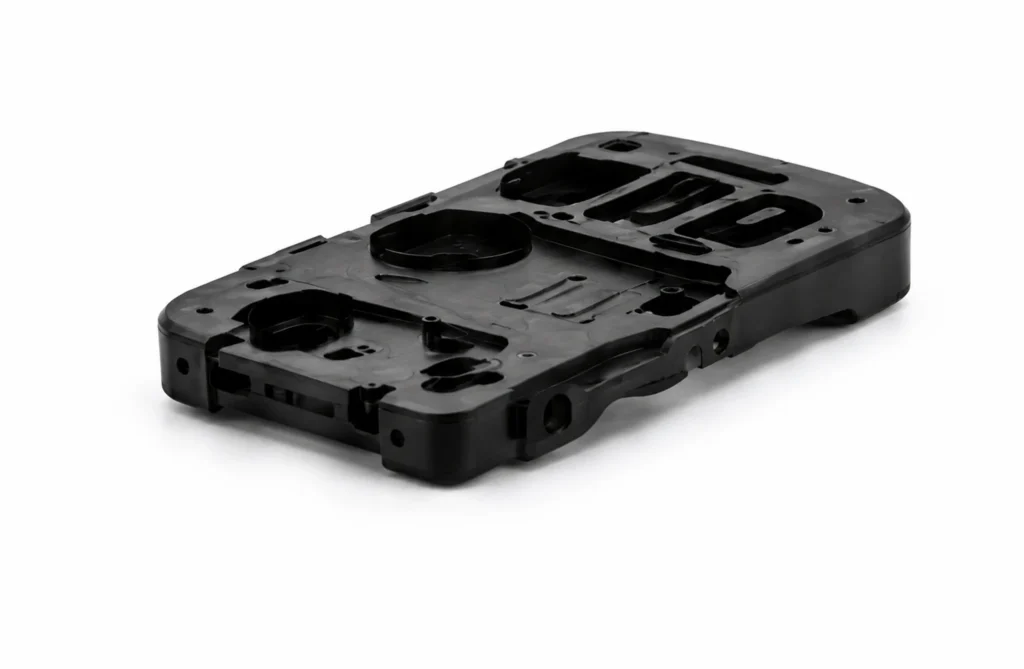
HDPE — High-Density Polyethylene
HDPE provides greater rigidity and strength than lower-density polyethylene grades while maintaining excellent chemical and moisture resistance.
- Higher stiffness
- Good impact resistance
- Excellent chemical resistance
- Low moisture absorption
- Lightweight
- Good machinability
- Excellent moldability
- Industrial containers
- Tanks
- Fluid-handling components
- Caps and closures
- Equipment components
- Guides and wear strips
- Consumer products
HDPE is usually the most relevant PE grade for CNC machining and rigid injection molded parts.
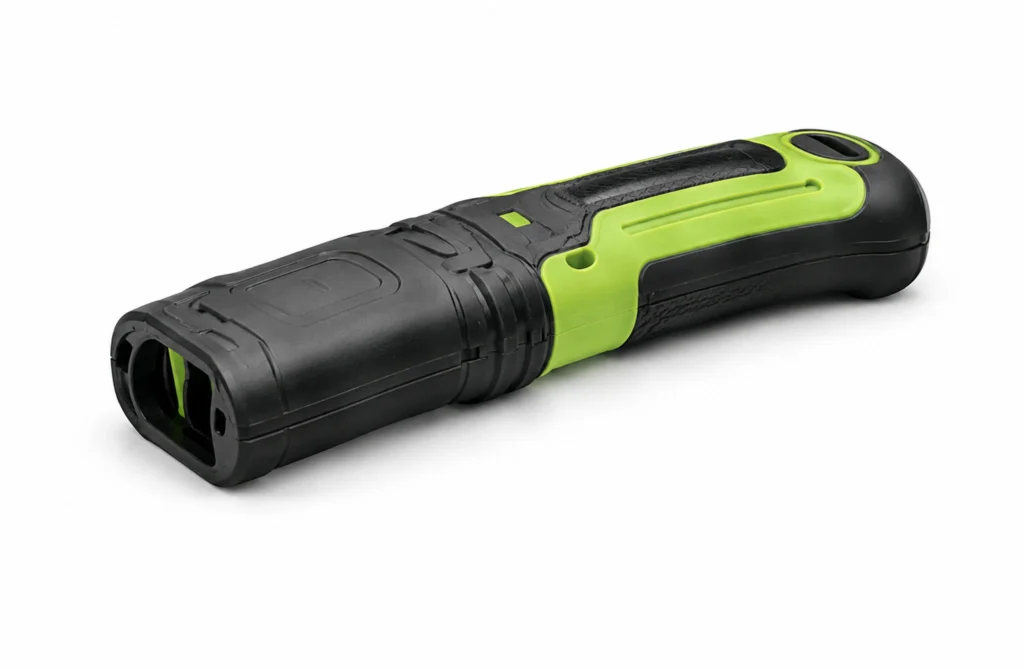
LDPE — Low-Density Polyethylene
LDPE is softer and more flexible than HDPE.
It is commonly selected when flexibility, toughness, and chemical resistance are more important than structural rigidity.
- High flexibility
- Good toughness
- Excellent moisture resistance
- Good chemical resistance
- Low density
- Easy processing
- Flexible components
- Packaging
- Protective parts
- Flexible lids
- Containers
- Consumer products
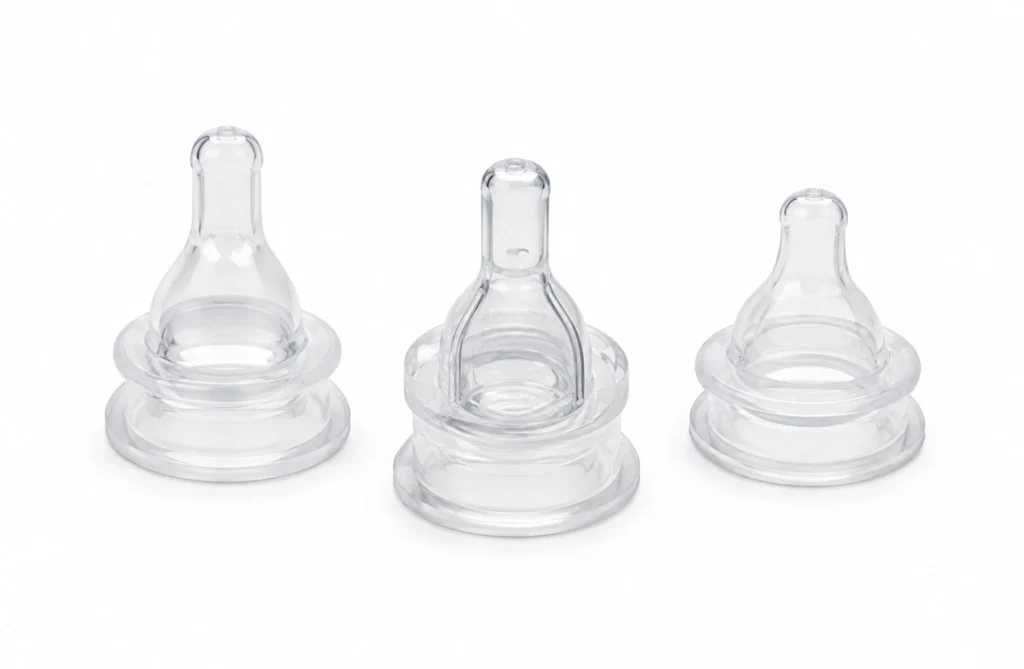
LLDPE — Linear Low-Density Polyethylene
LLDPE combines flexibility with good toughness and impact performance.
Compared with conventional LDPE, it can provide improved tensile and puncture performance depending on the grade.
- Flexible molded components
- Containers
- Protective products
- Industrial packaging
- Impact-resistant flexible parts
HDPE vs LDPE: Which Polyethylene Should You Choose?
Although both materials belong to the PE family, HDPE and LDPE serve different design requirements.
Choose HDPE when:
You need a stronger, more rigid PE material for containers, industrial components, machined parts, or structural products.
Choose LDPE when:
Flexibility, softness, and toughness are more important than rigidity.
Need Help Choosing the Right Polyethylene?
Whether you need a CNC-machined HDPE prototype or injection molded PE production part, Maidder can help evaluate the right material grade, manufacturing process, and part design for your application.
Manufacturing PE Plastic Parts
The best manufacturing process depends heavily on the PE grade, production quantity, geometry, tolerances, and intended application.
For most custom PE projects, injection molding and CNC machining are the two most relevant manufacturing processes.
PE Injection Molding
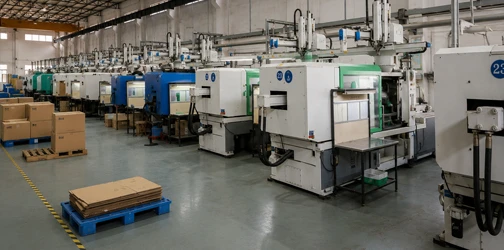
Injection molding is the primary manufacturing method for medium- and high-volume polyethylene parts.
HDPE, LDPE, and LLDPE can all be injection molded when the selected resin grade is designed for the process.
- Containers
- Caps and closures
- Housings
- Fittings
- Protective components
- Industrial parts
- Consumer products
- Repeat production
- Efficient high-volume production
- Low material cost
- Good repeatability
- Complex molded geometries
- Wide range of PE grades
- Custom color options
- Low unit cost at production volumes
HDPE CNC Machining
HDPE is one of the most practical polyethylene grades for CNC machining.
It is commonly used for prototypes, industrial components, fixtures, guides, and low-volume parts requiring chemical resistance and low moisture absorption.
- Functional prototypes
- Industrial components
- Chemical-handling parts
- Guides
- Wear strips
- Fixtures
- Tanks and equipment components
- Low-volume production
- No mold tooling required
- Fast prototype production
- Good chemical resistance
- Low moisture absorption
- Suitable for low-volume custom parts
Because HDPE is softer and more flexible than many engineering plastics, machining strategy and workholding should be considered carefully to control deflection and surface quality.
CNC Machining or Injection Molding for PE?
The right process usually depends on quantity and project stage.
Choose CNC Machining When You Need:
- Prototype quantities
- Low-volume parts
- No tooling investment
- Fast design changes
- Thick or simple mechanical components
Choose Injection Molding When You Need:
- Medium- or high-volume production
- Complex molded geometries
- Consistent repeat parts
- Lower unit costs at scale
- Custom colors and molded features
A common development pathway is:
01
CNC Prototype
02
Design Validation
03
Injection Mold
04
Production
This allows engineers to validate part geometry and basic functionality before investing in production tooling.
Where Is Polyethylene Used?
Industrial Equipment
HDPE is widely used for:
- Guides
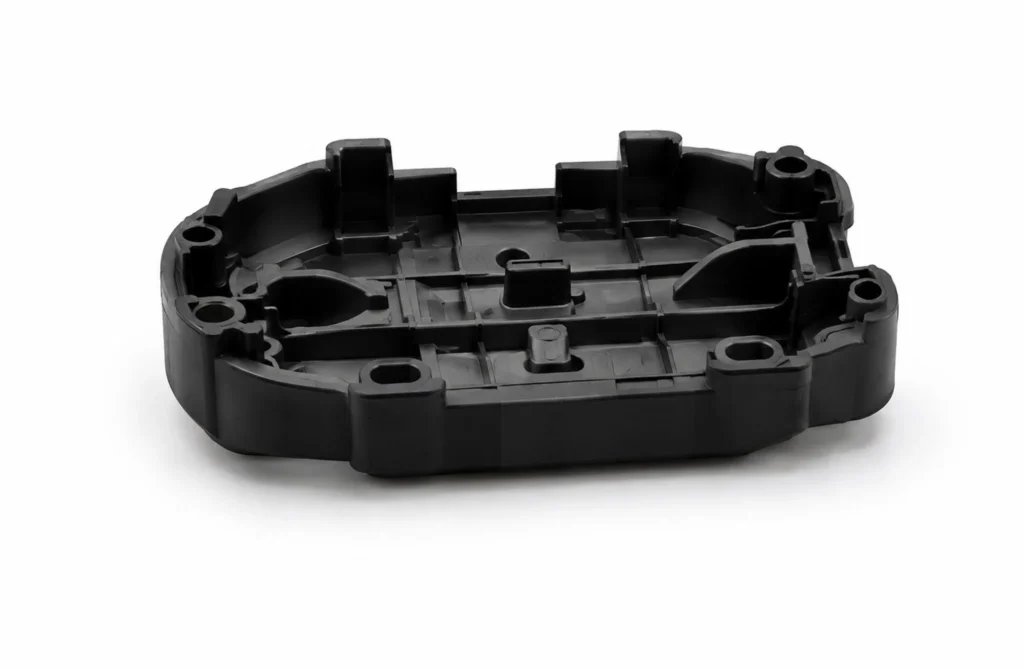
- LED covers
- Machine components
- Chemical-handling parts
- Tanks
- Piping-related components
Its chemical resistance and low moisture absorption make it particularly useful in demanding industrial environments.
Packaging & Containers
PE is commonly found in:
- Caps
- Closures
- Containers
- Bins
- Bottles
- Protective packaging
Different polyethylene densities can be selected according to the required rigidity and flexibility.
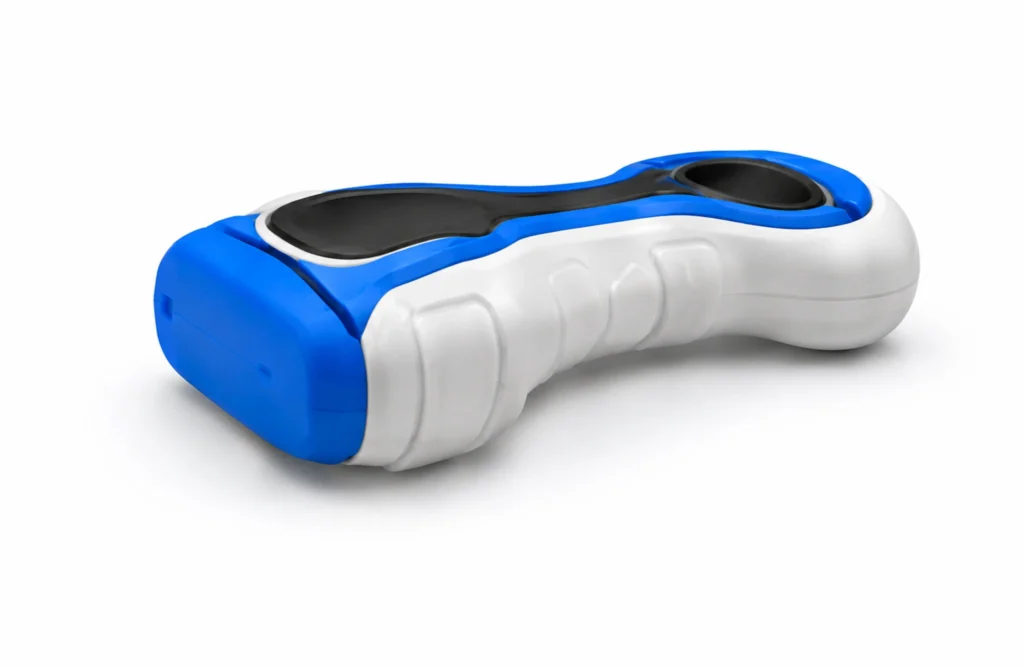
Food Handling
Appropriate food-contact PE grades can be used for:
- Food containers
- Cutting boards
- Food-processing components
- Storage systems
- Handling equipment
Food-contact compliance depends on the exact resin grade, additives, colorants, manufacturing process, and applicable market regulations.
Medical & Laboratory Equipment
Suitable PE grades may be used for:
- Fluid-handling components
- Laboratory containers
- Equipment components
- Selected medical device parts
The specific resin and compliance requirements should be confirmed for regulated applications.
Consumer Products
Common PE applications include:
- Storage products
- Household products
- Toys
- Outdoor products
- Protective components
PE vs PP: Which Material Is Better?
PE and PP are two of the most widely used commodity thermoplastics. However, they have different strengths.
Choose PE When You Need:
- Better low-temperature toughness
- Excellent moisture resistance
- Excellent chemical resistance
- Flexible material options
- Durable containers or fluid-handling components
Choose PP When You Need:
- Higher stiffness in many applications
- Better heat resistance
- Excellent living-hinge performance
- Low-density molded components
- Repeated flexing
PE vs Other Plastic Materials
PE vs POM
PE provides lower cost, excellent chemical resistance, and lower density.
POM provides greater stiffness, dimensional precision, and better performance for gears and precision mechanical mechanisms.
PE vs Nylon
PE offers very low moisture absorption and excellent chemical resistance.
Nylon generally provides higher mechanical strength, stiffness, and wear performance.
PE vs ABS
PE is often preferred for chemical resistance, moisture resistance, containers, and outdoor-type applications.
ABS is generally better suited to rigid housings, cosmetic surfaces, and products requiring easier painting or finishing.
FAQs
What is PE plastic?
PE stands for Polyethylene, a family of thermoplastics known for low density, excellent chemical resistance, low moisture absorption, toughness, and cost-effective manufacturing.
What are the main types of polyethylene?
The most common types include HDPE (High-Density Polyethylene), LDPE (Low-Density Polyethylene), and LLDPE (Linear Low-Density Polyethylene).
What is the difference between HDPE and LDPE?
HDPE is generally stronger and more rigid, while LDPE is softer and more flexible. Both provide excellent moisture and chemical resistance.
Is PE suitable for injection molding?
Yes. HDPE, LDPE, and LLDPE can be injection molded when an appropriate molding grade is selected.
Can HDPE be CNC machined?
Yes. HDPE is widely CNC machined for prototypes, fixtures, guides, industrial components, and low-volume custom parts.
Does polyethylene absorb water?
PE has very low moisture absorption, making it suitable for wet environments, containers, and fluid-handling applications.
Is polyethylene chemical resistant?
Yes. PE offers excellent resistance to many chemicals. Compatibility should still be checked against the exact chemical, concentration, temperature, and material grade.
Is PE suitable for food-contact parts?
Certain PE grades are manufactured for food-contact applications. Compliance should be verified for the exact resin, additives, manufacturing process, and target market.
Is PE easy to glue or paint?
Generally, no. Polyethylene has low surface energy, which makes conventional adhesive bonding and painting difficult without appropriate surface treatment or specialized processes.
Can Maidder manufacture custom PE parts?
Yes. Maidder supports custom PE and HDPE parts through CNC machining, injection mold development, injection molding, and secondary manufacturing processes.
Contact Us
Have a product idea or manufacturing requirement? Our engineering team supports you from product development and rapid prototyping to custom injection molds, injection molding and mass production. Share your CAD files, drawings or project details, and we’ll help define the right solution.