
Product Assembly Services for Finished Products
Turn individual manufactured components into complete, ready-to-use products.
By coordinating part manufacturing, surface finishing, component installation, joining, inspection, and packaging within one production workflow, we help reduce supplier handoffs and simplify the transition from individual parts to finished products.
Product Assembly Capabilities
Different products require different assembly methods depending on materials, part geometry, function, strength, appearance, and whether future disassembly is required. Maidder can coordinate multiple assembly processes for custom plastic and manufactured products.
Maidder provide product assembly services for injection molded plastic parts, CNC machined components, purchased components, and multi-part product assemblies. From simple plastic sub-assemblies to multi-component products, our assembly solutions can be matched to your product design, quantity, quality requirements, and production stage.
01
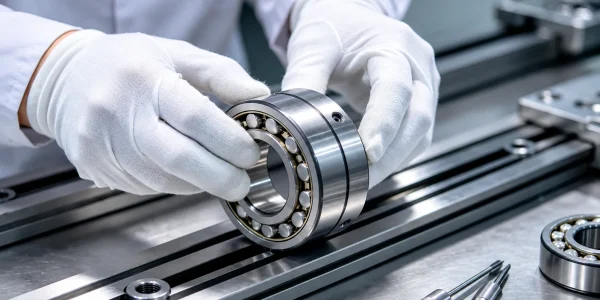
Mechanical Assembly
Mechanical assembly joins components using screws, nuts and bolts, pins, clips, snap-fits, press-fit features, threaded inserts, and other fasteners.
These methods provide secure connections, controlled assembly, and service access when required.
02
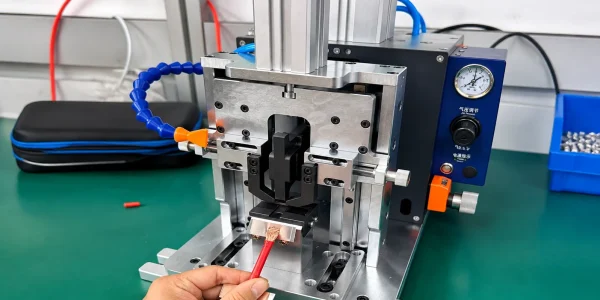
Ultrasonic Welding
Ultrasonic welding uses high-frequency vibrations to generate heat and join compatible thermoplastic parts without screws or adhesives.
Common applications include plastic housings, enclosures, covers, electronic products, and multi-part assemblies. Joint design and material compatibility are essential for reliable bonding.
03
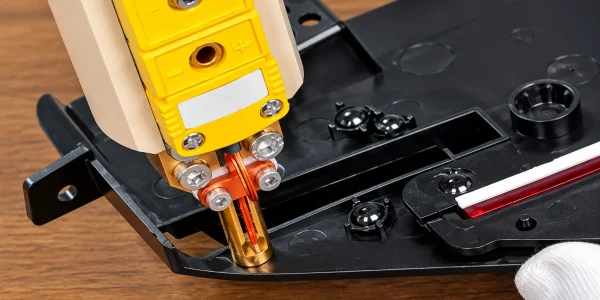
Heat Staking & Insert Installation
Heat staking can be used to install metal inserts or secure plastic components through controlled heating and forming.
Threaded inserts can provide stronger and more durable fastening points in plastic products that require repeated assembly or mechanical loading.
04
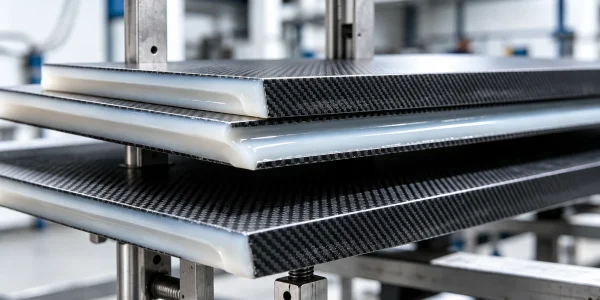
Adhesive Bonding
Adhesive bonding can join plastic, metal, and other components where mechanical fasteners or welding are not appropriate.
The adhesive should be selected according to substrate materials, required strength, temperature, chemicals, appearance, and product environment.
05
Component Integration
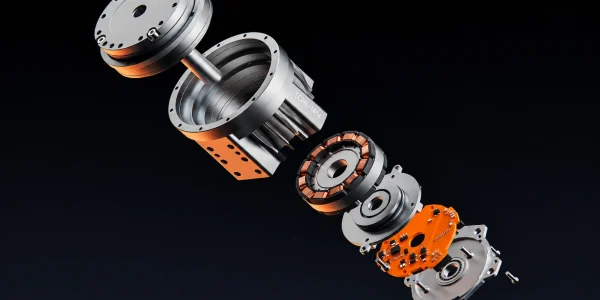
Multiple molded, machined, purchased, or finished components can be assembled into functional sub-assemblies before final product integration.
This can help simplify downstream production and reduce the number of separate parts your team needs to manage.
Our Product Assembly Process
A repeatable assembly process starts with clear product documentation and defined quality requirements.
01
Assembly Requirements Review
Provide available project information such as:
- 3D CAD files
- Assembly drawings
- BOM
- Component specifications
- Fastener requirements
- Joining methods
- Cosmetic standards
- Testing requirements
- Packaging instructions
- Expected quantities
Our team reviews the product structure and assembly sequence before production.
02
Part Preparation & Inspection
Manufactured and purchased components are checked before assembly.
Depending on project requirements, preparation may include cleaning, trimming, surface finishing, insert installation, labeling, or other secondary operations.
Critical components can also be inspected before entering the assembly process.
03
Assembly & Joining
Parts are assembled using the defined mechanical, welding, bonding, or component integration methods.
Assembly fixtures or work instructions can be used where required to improve positioning and repeatability.
04
Inspection & Functional Checks
Completed assemblies can be reviewed for specified requirements such as:
- Component presence
- Alignment
- Fastener installation
- Fit
- Cosmetic appearance
- Basic movement or mechanical function
- Critical dimensions
- Assembly completeness
Inspection requirements should be defined according to the product and application.
05
Packaging & Production Handoff
After assembly and inspection, finished products or sub-assemblies can move into labeling, kitting, packaging, or the next manufacturing stage.
Need Assembly Support for Your Manufactured Parts?
Maidder can review your CAD files, BOM, assembly drawings, production quantities, joining methods, finishing requirements, and packaging needs to develop an appropriate assembly workflow.
From part manufacturing and finishing to assembly, inspection, and packaging, our teams help move individual components toward complete products.
Assembly Quality and Production Control
Assembly quality depends on consistent components, controlled processes, and clear acceptance standards.
When manufacturing and assembly are managed together, issues can often be identified earlier in the production workflow.
Component Fit & Tolerance Control
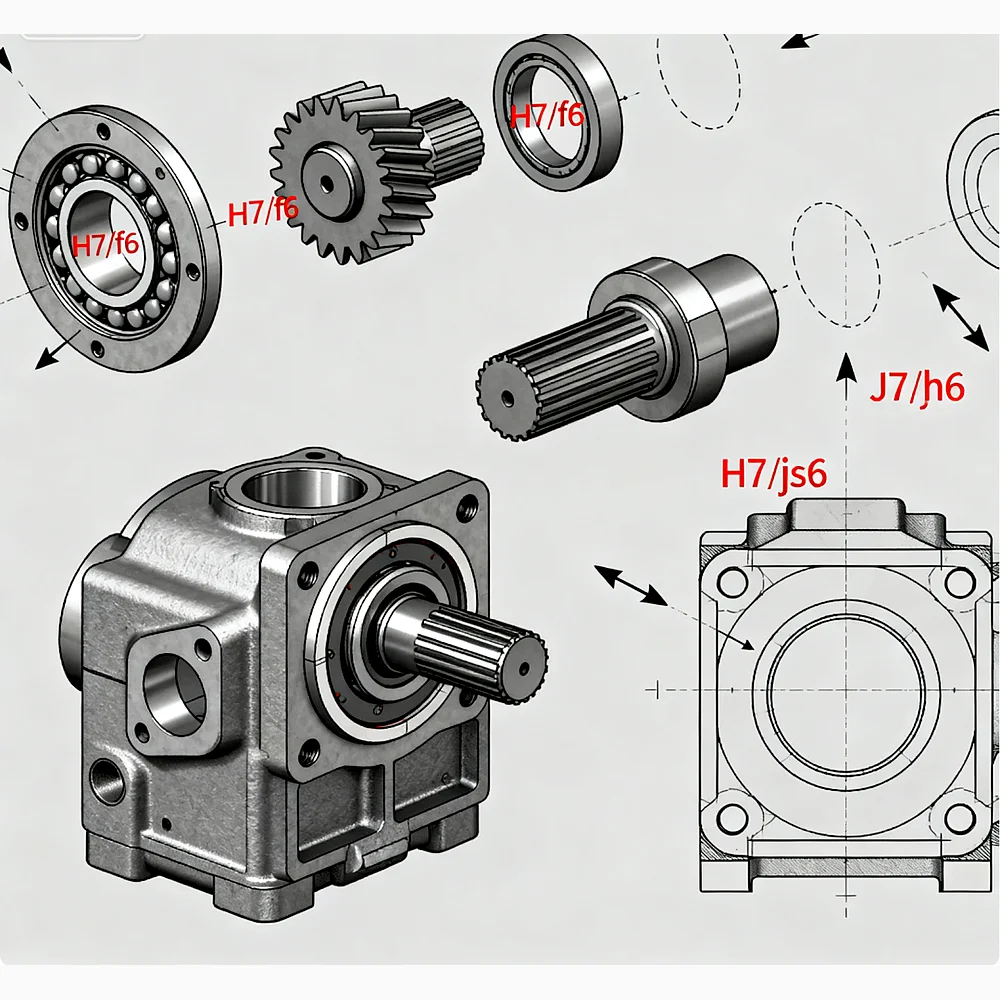
Injection molded and machined parts must fit correctly for reliable assembly.
Our product development and DFM reviews check critical dimensions, tolerances, mating features, snap-fits, holes, bosses, and fastener locations to reduce assembly issues.
Assembly Fixtures & Work Instructions
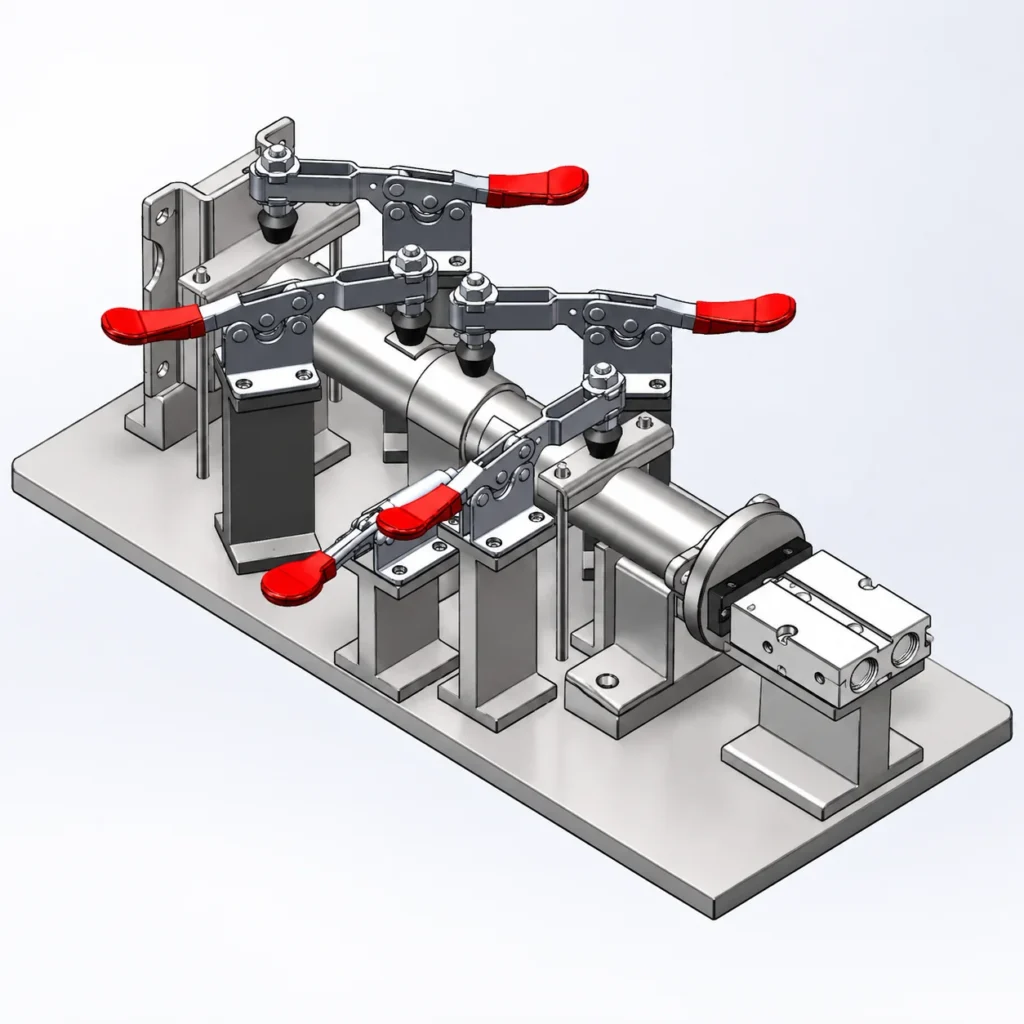
For repeat production, fixtures and standardized assembly instructions can help maintain component positioning and process consistency.
The appropriate level of tooling depends on product complexity and production volume.
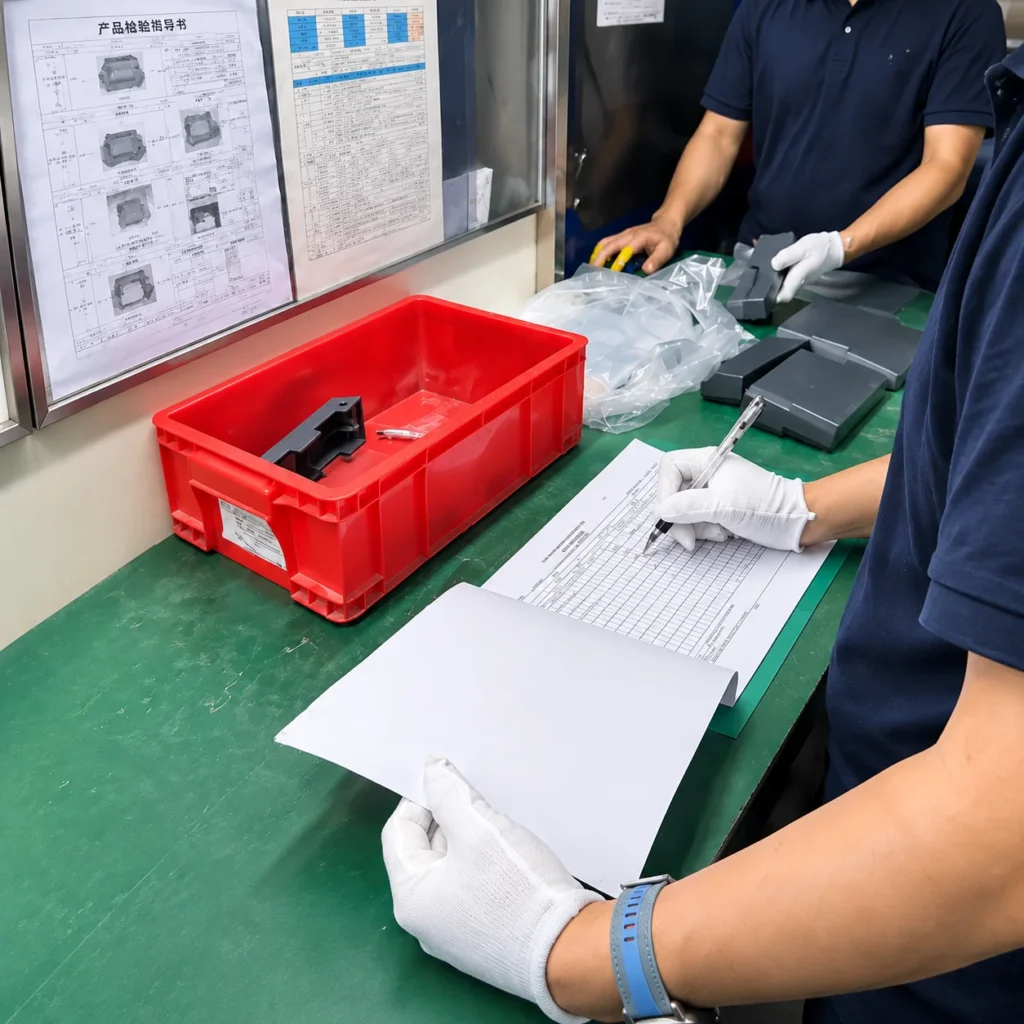
Cosmetic Inspection
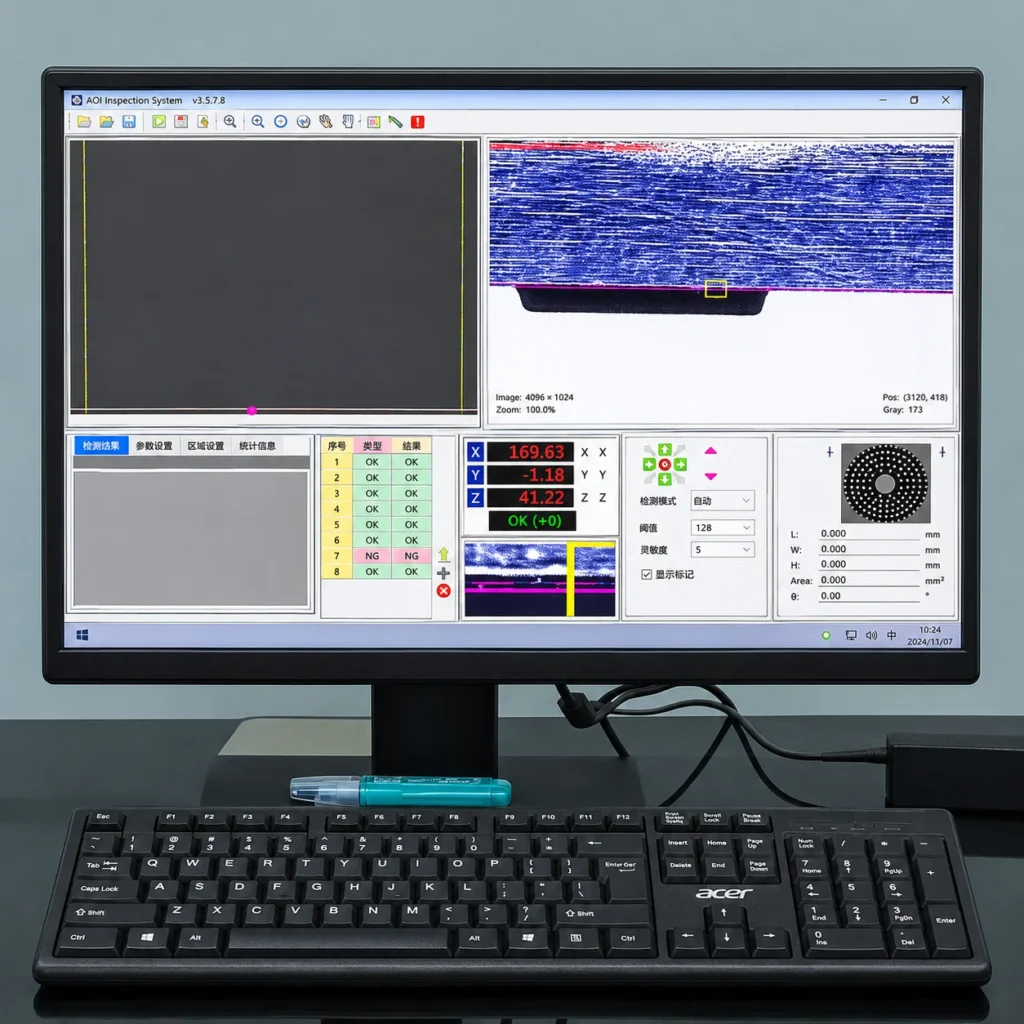
Products with visible housings or finished surfaces require cosmetic inspection after assembly.
Checks include scratches, gaps, misalignment, surface damage, marking position, visible fasteners, and color or finish consistency.
Traceable Production Requirements
Where required by the project, part specifications, BOM information, assembly instructions, inspection requirements, and packaging standards can be defined before production.
This creates a clearer reference for repeat assembly runs.
From Manufactured Parts to Complete Product Assembly
Assembly works most efficiently when it is planned together with part manufacturing rather than added as an afterthought.
Maidder can connect product development, tooling, injection molding, CNC machining, surface finishing, and assembly within one manufacturing workflow.
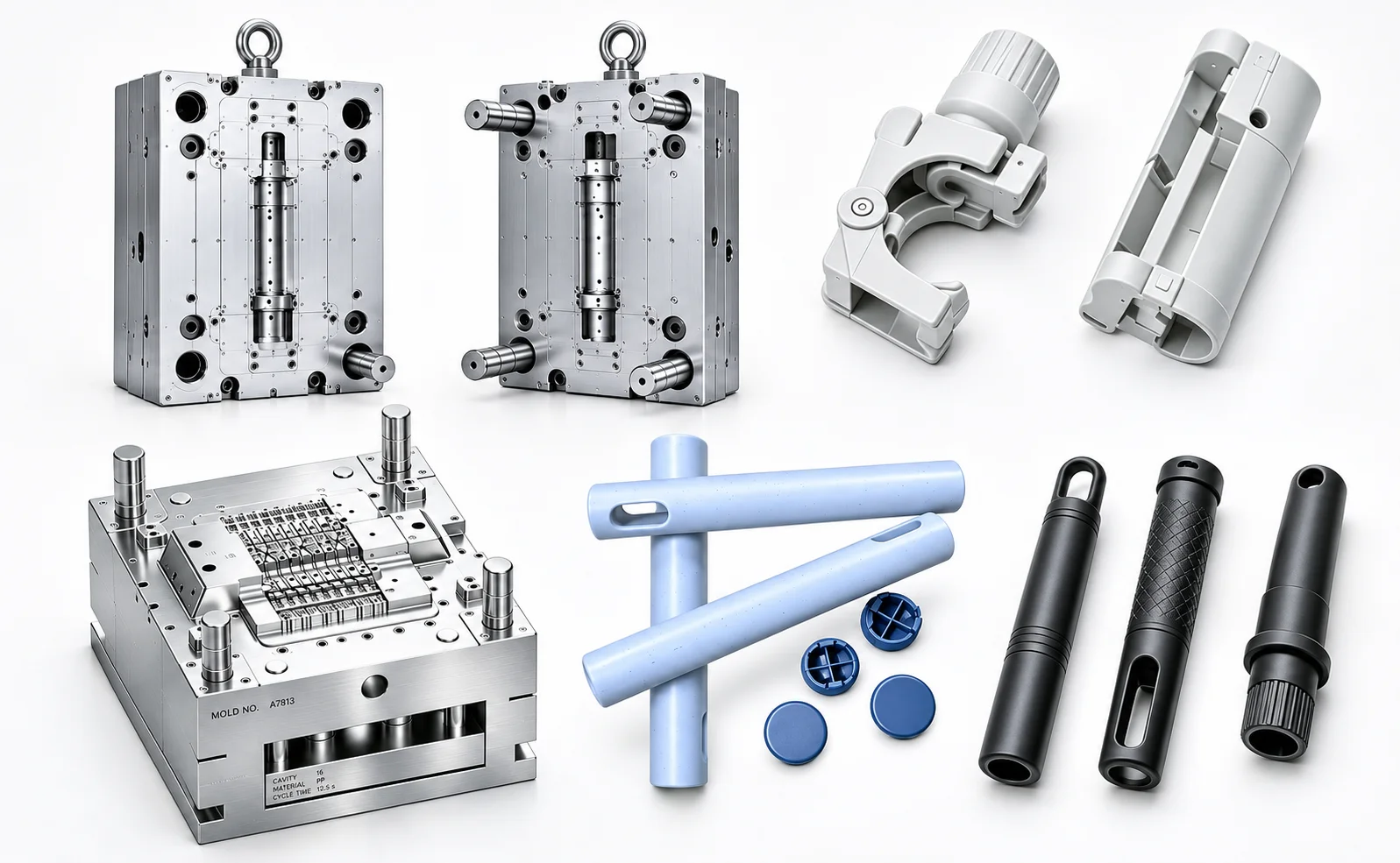
Injection Molded Part Assembly
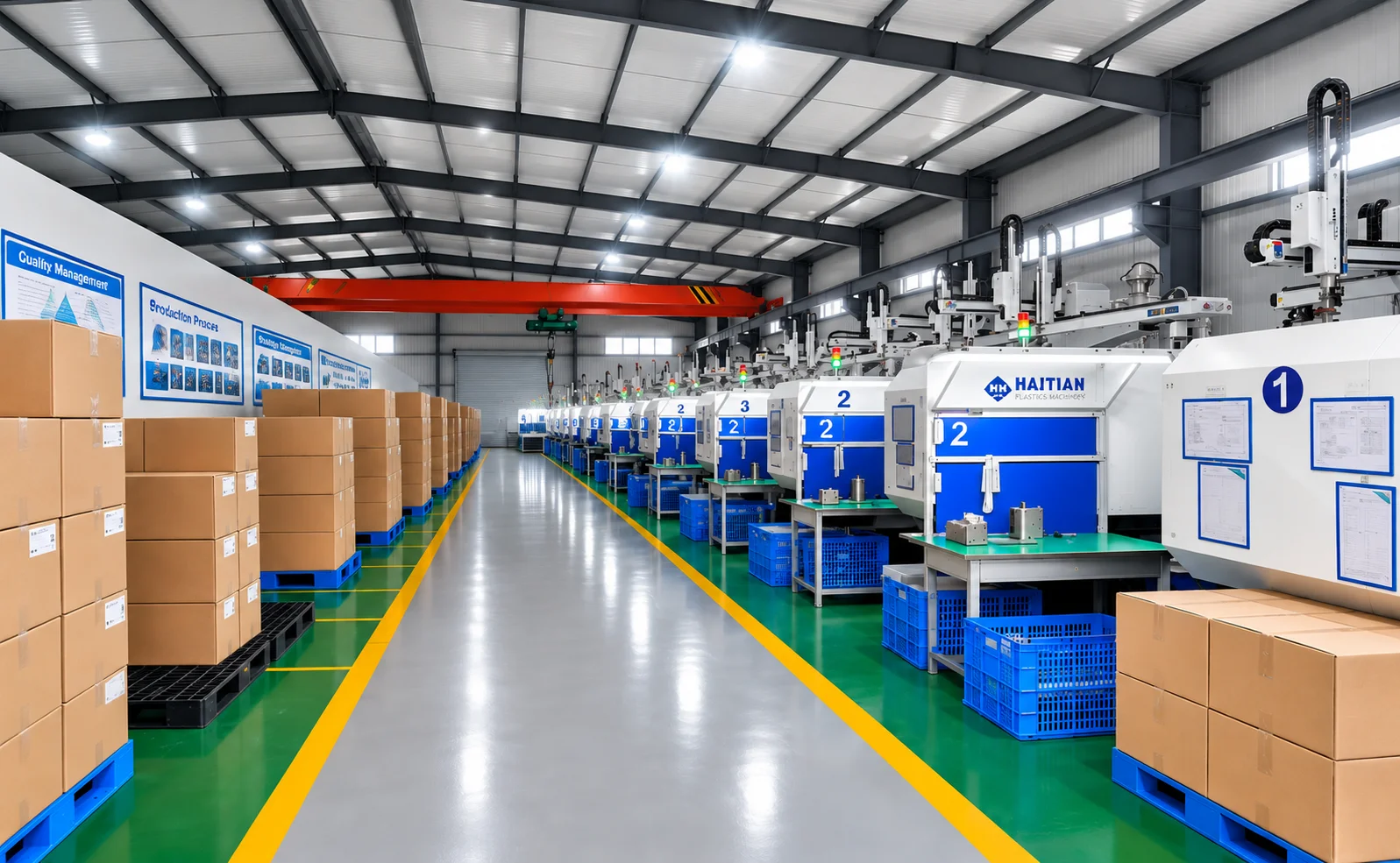
Plastic housings, covers, structural components, buttons, inserts, and other injection molded parts can continue directly into secondary operations and assembly.
Keeping molding and assembly connected helps identify issues involving fit, tolerances, fastening, or cosmetic interfaces earlier.
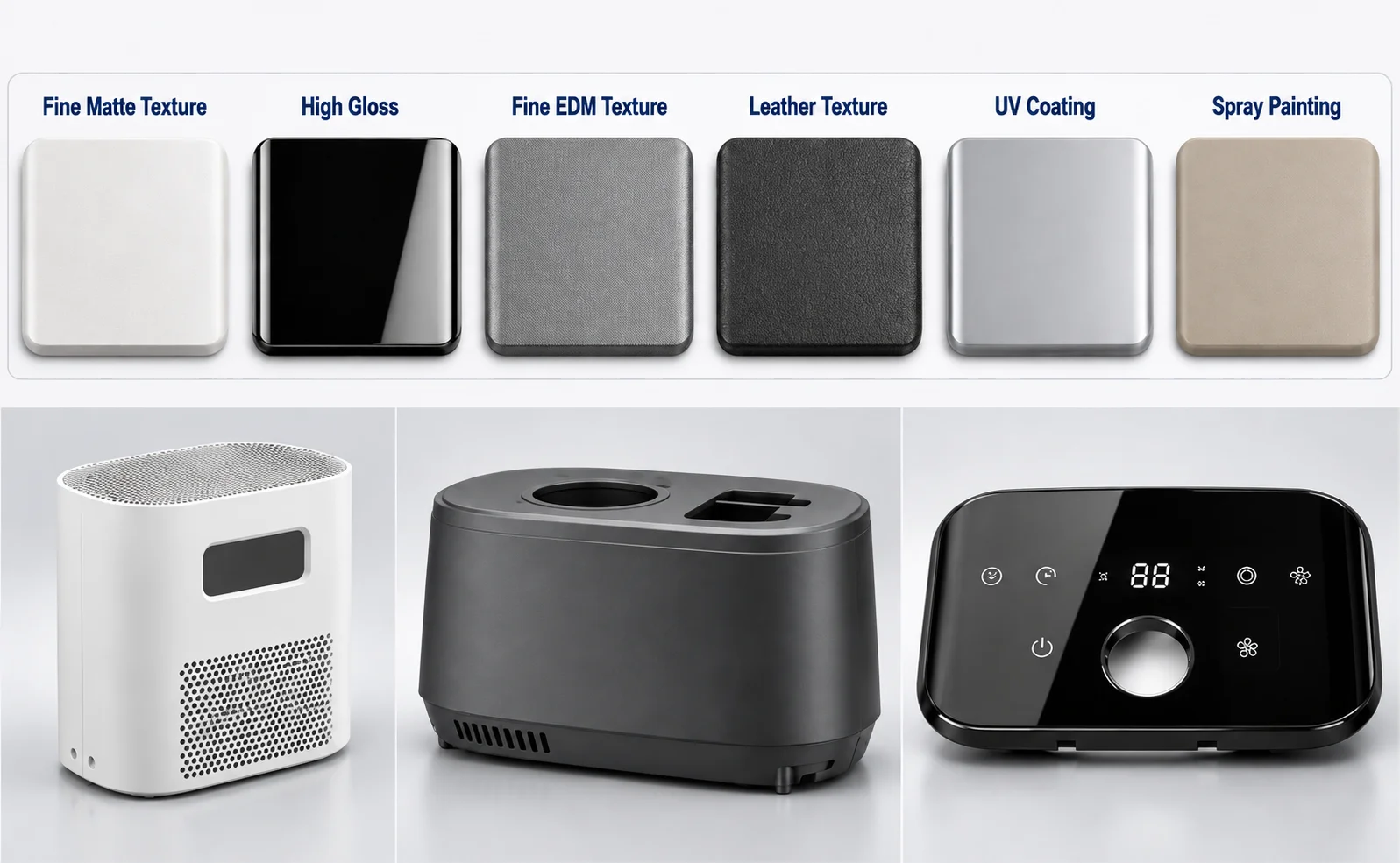
Surface Finishing Before Assembly
Painting, printing, laser marking, texturing, or other finishing processes can be coordinated before final assembly where required.
The sequence should be planned carefully to prevent finished surfaces from being damaged during joining or handling.
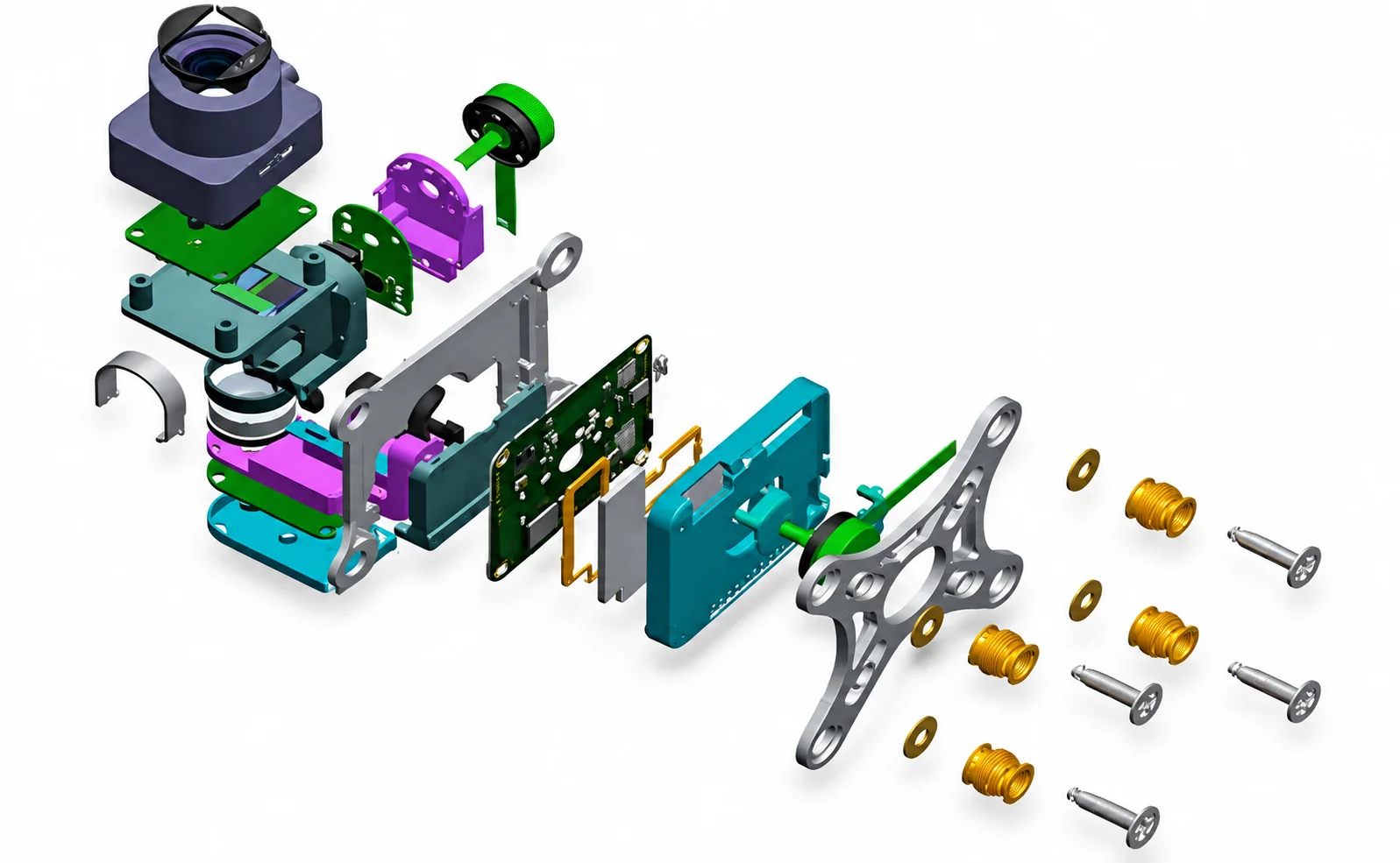
Multi-Part Product Assembly
Products containing several plastic, metal, and purchased components can be integrated into sub-assemblies or finished units according to the approved BOM and assembly instructions.
This is particularly useful for:
- Consumer products
- Electronic housings
- Smart devices
- Tools and hardware
- Home products
- Industrial equipment
- Multi-part plastic products
Kitting & Packaging
Depending on project requirements, assembled parts can continue into kitting, labeling, packaging, or shipment preparation.
A typical Maidder manufacturing workflow may include:
Product Engineering → Prototype Validation → DFM → Tooling → Part Manufacturing → Surface Finishing → Component Assembly → Inspection → Packaging → Mass Production
This connected approach helps reduce coordination between multiple independent suppliers.
Product Assembly Services FAQs
What product assembly services does Maidder provide?
Maidder can support assembly of manufactured components using methods such as mechanical fastening, ultrasonic welding, heat staking, threaded insert installation, adhesive bonding, and component integration depending on the product requirements.
Assembly can be coordinated with injection molding, CNC machining, surface finishing, inspection, and packaging.
Can you assemble injection molded plastic parts?
Yes. Injection molded parts can move directly into assembly after molding and any required secondary operations.
Assembly methods may include screws, snap-fits, inserts, ultrasonic welding, heat staking, bonding, or other methods depending on the product design and materials.
What is the difference between ultrasonic welding and mechanical fastening?
Mechanical fastening uses components such as screws, pins, clips, or inserts to hold parts together and may allow future disassembly.
Ultrasonic welding permanently joins compatible thermoplastic components through localized heat generated by high-frequency vibration.
The appropriate method depends on materials, strength requirements, appearance, production volume, and whether the product needs to be serviced later.
What information do you need for an assembly quote?
Useful information includes 3D CAD files, assembly drawings, BOM, component specifications, quantities, joining methods, fasteners, cosmetic requirements, testing requirements, and packaging instructions.
Providing complete assembly information helps define the process, labor, fixtures, quality requirements, and production cost.
Can Maidder manufacture and assemble the parts within the same project?
Yes. Maidder can coordinate product development, prototyping, injection mold manufacturing, injection molding, CNC machining, surface finishing, secondary operations, assembly, and production within one manufacturing workflow.
This can reduce the number of suppliers involved between individual component manufacturing and final product assembly.
Can assembled products also be packaged?
Depending on the project requirements, assembly can be followed by labeling, kitting, packaging, and preparation for the next supply-chain stage.
Packaging requirements should ideally be defined before production so the assembly and handling workflow can be planned together.
Contact Us
Have a product idea or manufacturing requirement? Our engineering team supports you from product development and rapid prototyping to custom injection molds, injection molding and mass production. Share your CAD files, drawings or project details, and we’ll help define the right solution.