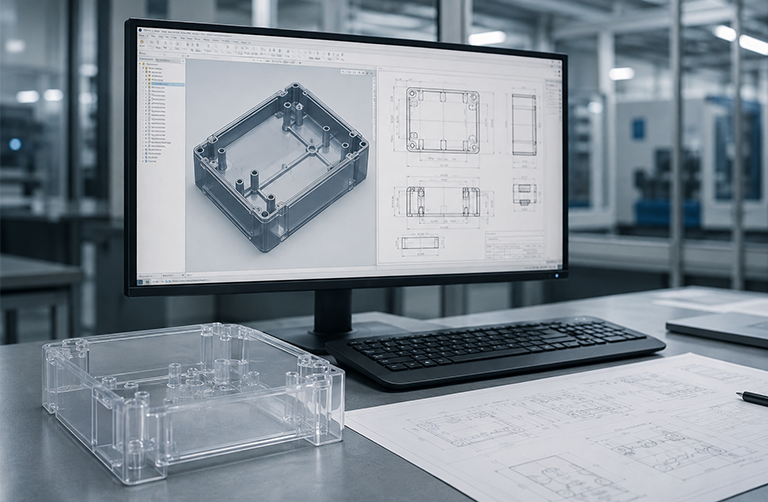
Custom Injection Molding Services for Plastic Parts
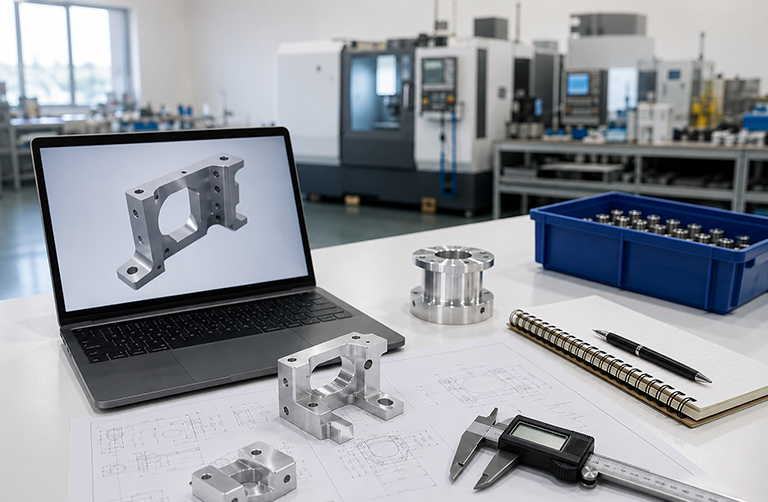
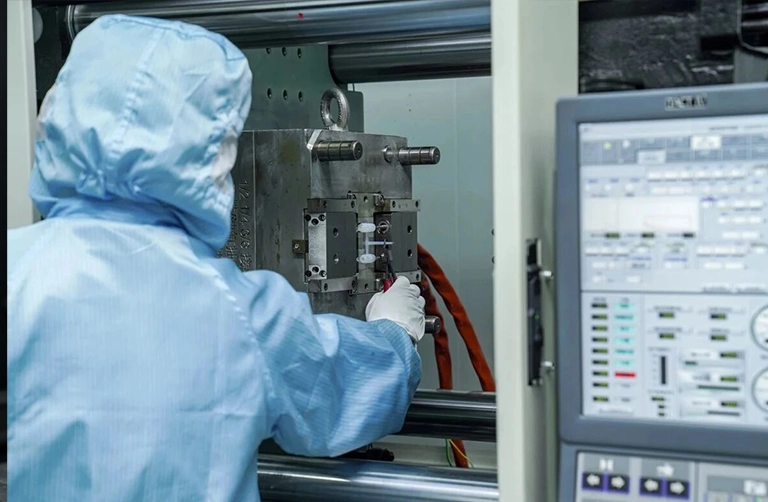
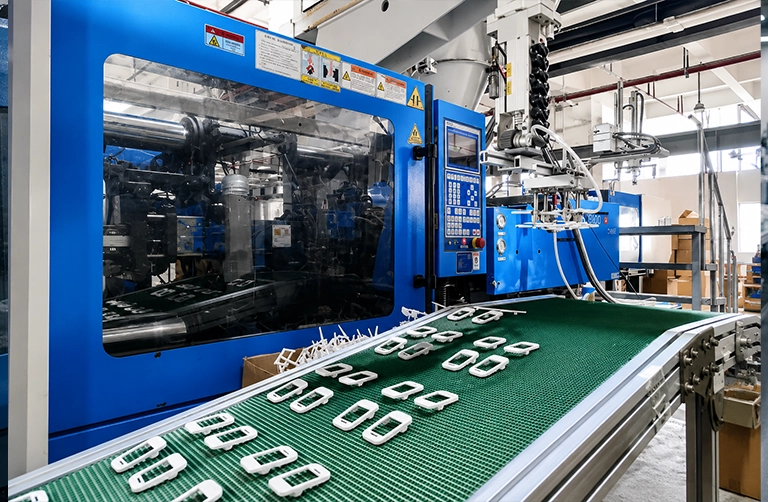
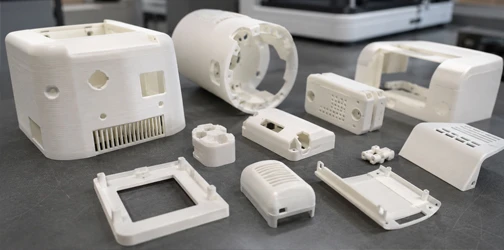
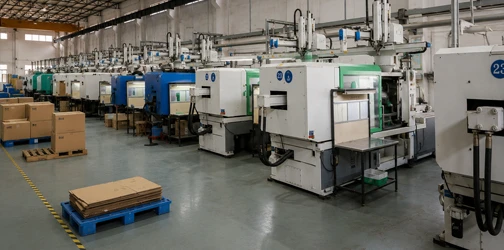
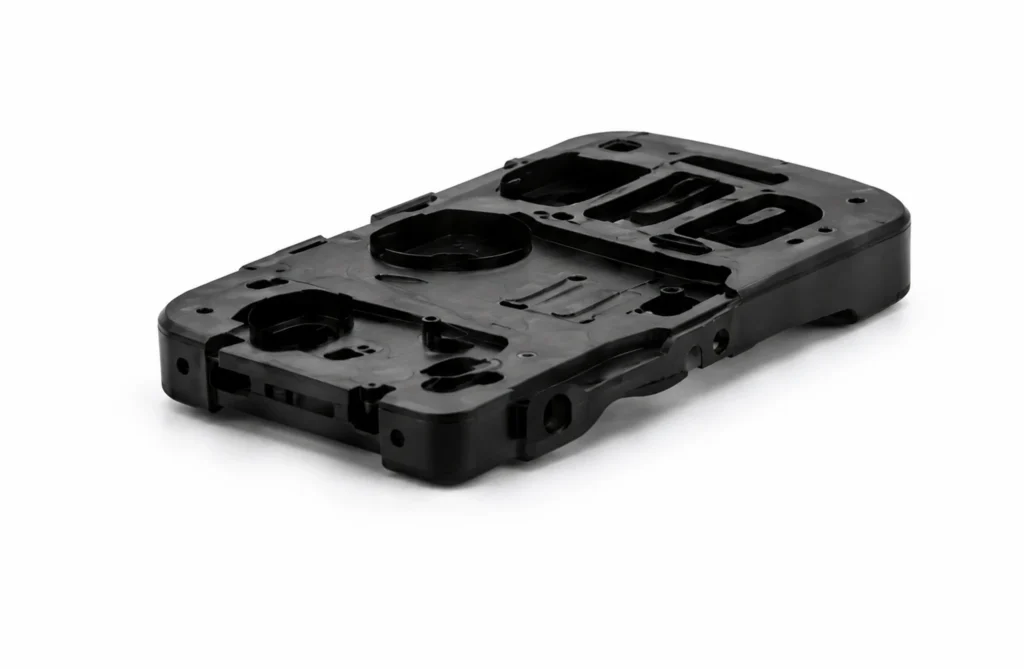
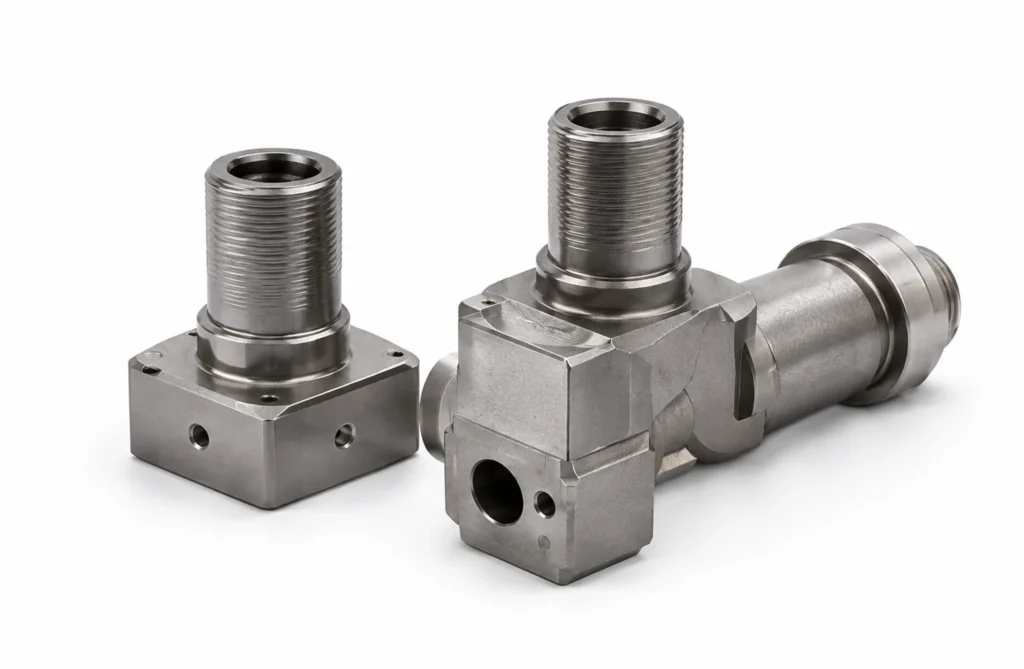
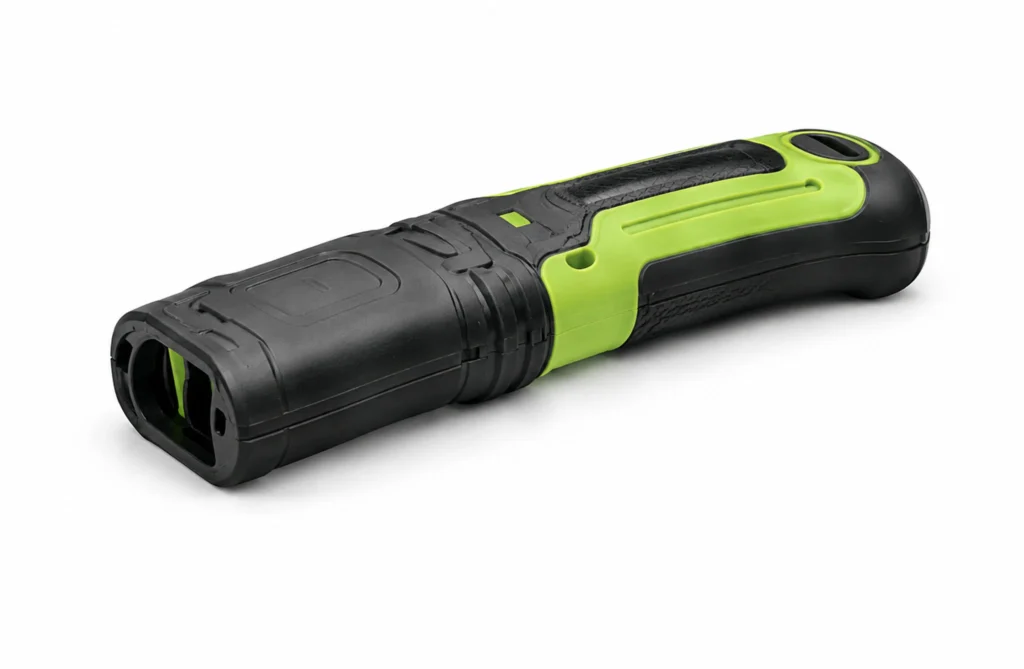
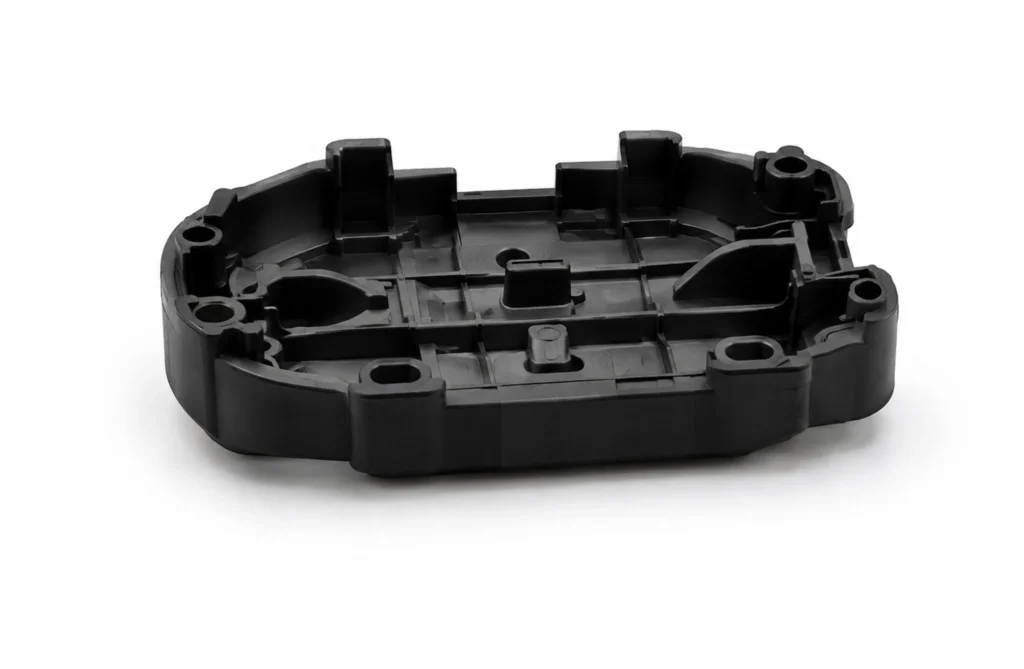
Maidder provides custom plastic injection molding services for precision plastic parts, from mold design and tooling to sampling and mass production. We support a wide range of materials, part geometries, and production volumes, helping you achieve consistent quality, reliable performance, and cost-effective manufacturing.
Certification + Compliance
ISO 9001:2015 | ISO 13485:2016 | AS9100D | ITAR
15+
Years of Experience
500+
Mold Projects Delivered
100+
Materials Supported
30–2,000
Ton Molding Capacity
24-Hour
Engineering Response
Injection Molding Processes
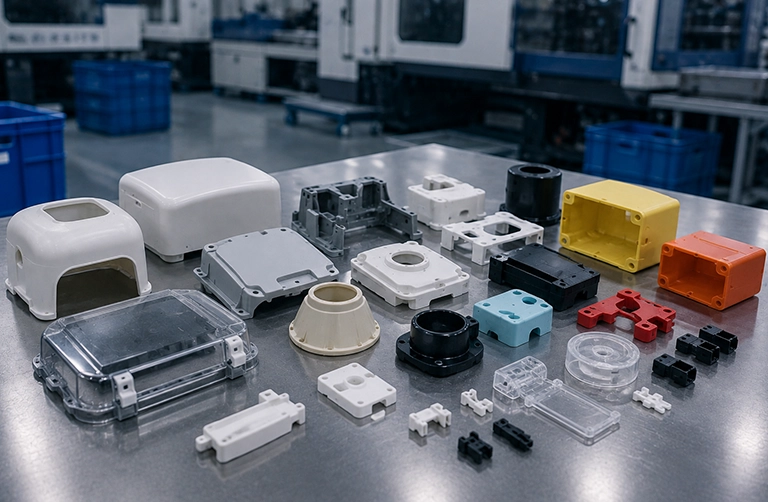
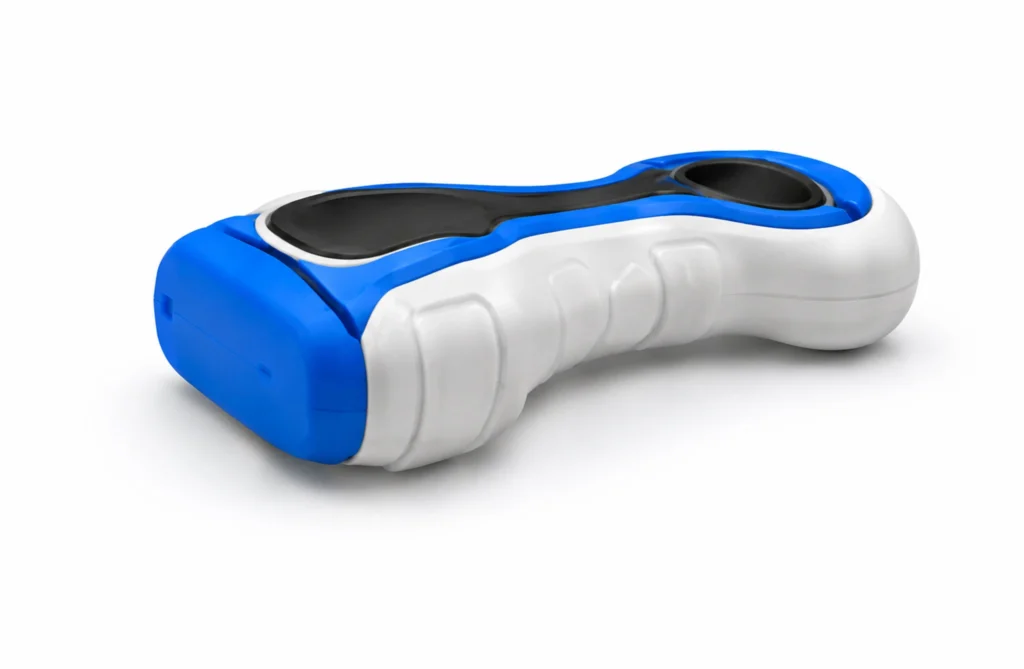
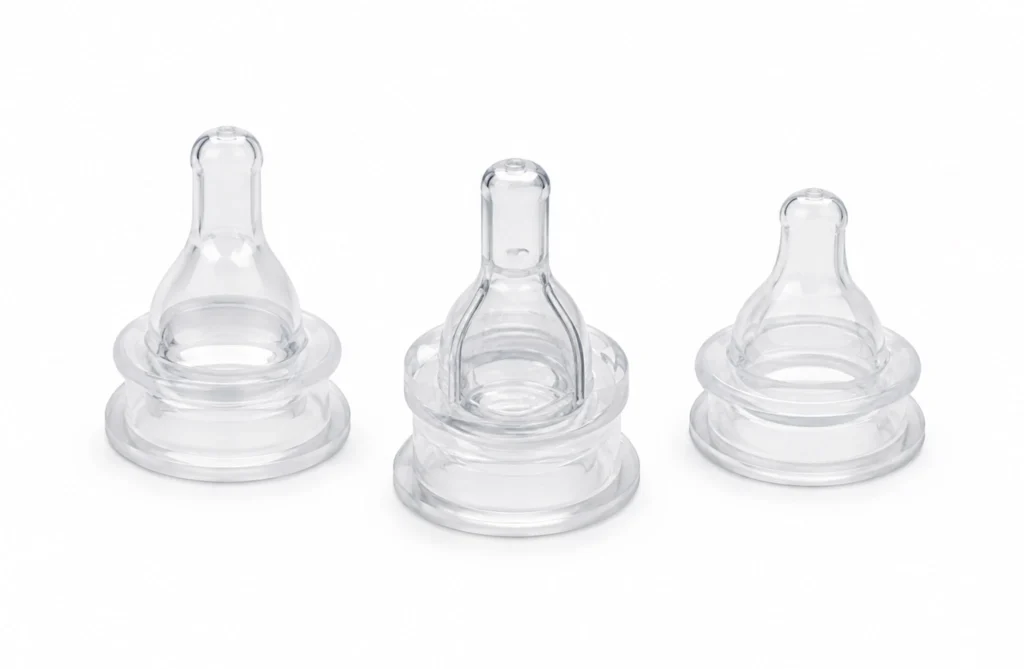
Injection molding processes use different tooling, material, and molding methods to achieve specific part structures, functions, and performance requirements. Maidder supports standard injection molding, overmolding, insert molding, two-shot molding, gas-assist molding, and LSR molding for custom production needs.
Plastic Injection Molding
- Wide range of thermoplastics
- Tight tolerances and quality
- Low-to-high volume production
Insert Molding
- Metal & plastic integration
- Strong bonding & alignment
- Fewer assembly operations
Overmolding
- Multi-material combinations
- Improved grip and performance
- Functional & aesthetic finishes
Gas-Assist Molding
- Reduced sink marks & warpage
- Lightweight hollow structures
- Lower material & cycle costs
Two-Shot Molding
- Two materials or colors
- Soft-touch & sealing features
- Integrated product functionality
Liquid Silicone Rubber Molding
- Medical-grade and food-safe LSR
- Overmolding and insert options
- Excellent clarity and flexibility
From DFM to Stable Injection Molding Production
Resolve Injection Molding Risks Before Tooling Begins
Avoid Costly Tooling Rework
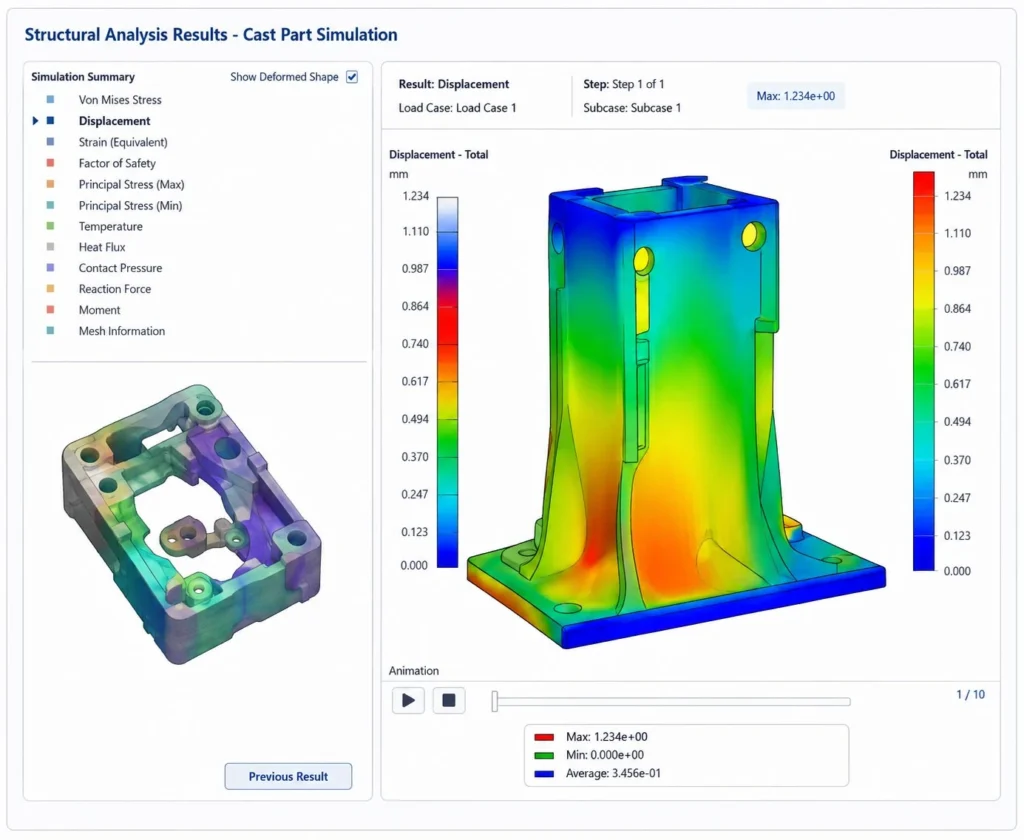
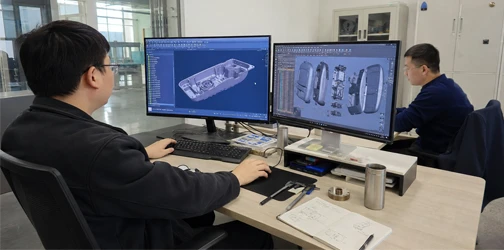
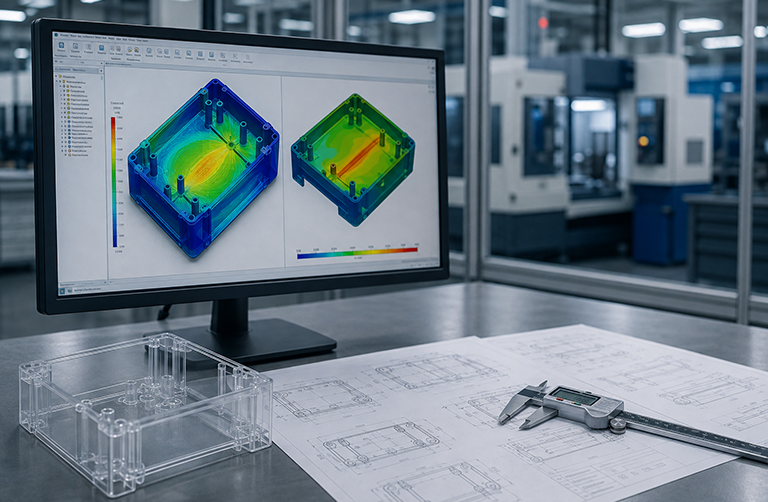
Our engineers review part geometry, material behavior, mold structure and assembly requirements before mold cutting. Early DFM and mold flow analysis help reduce tooling revisions, molding defects and costly production delays.

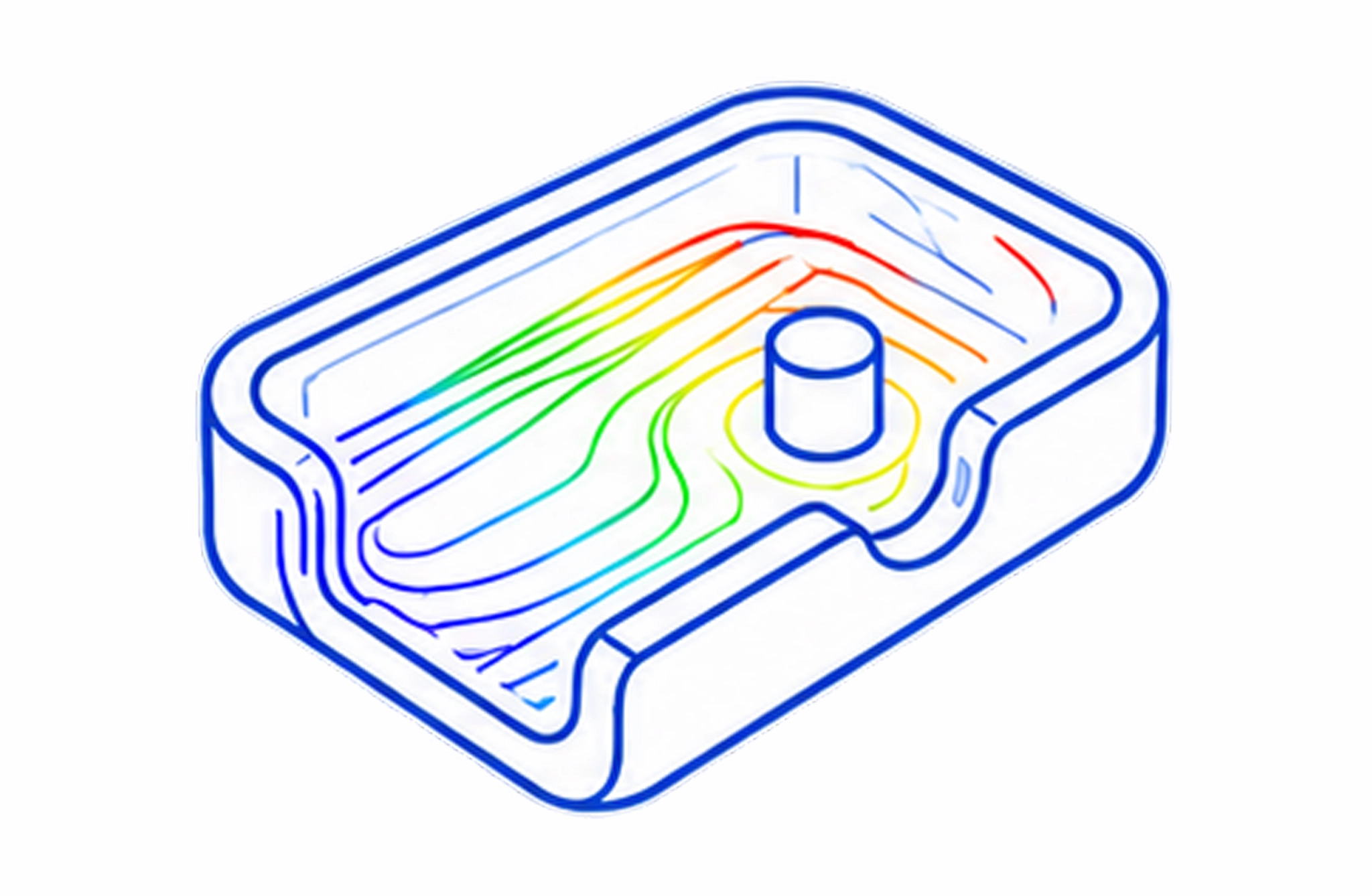
Mold Flow and Warpage Analysis
Predict filling, pressure, cooling and deformation risks.
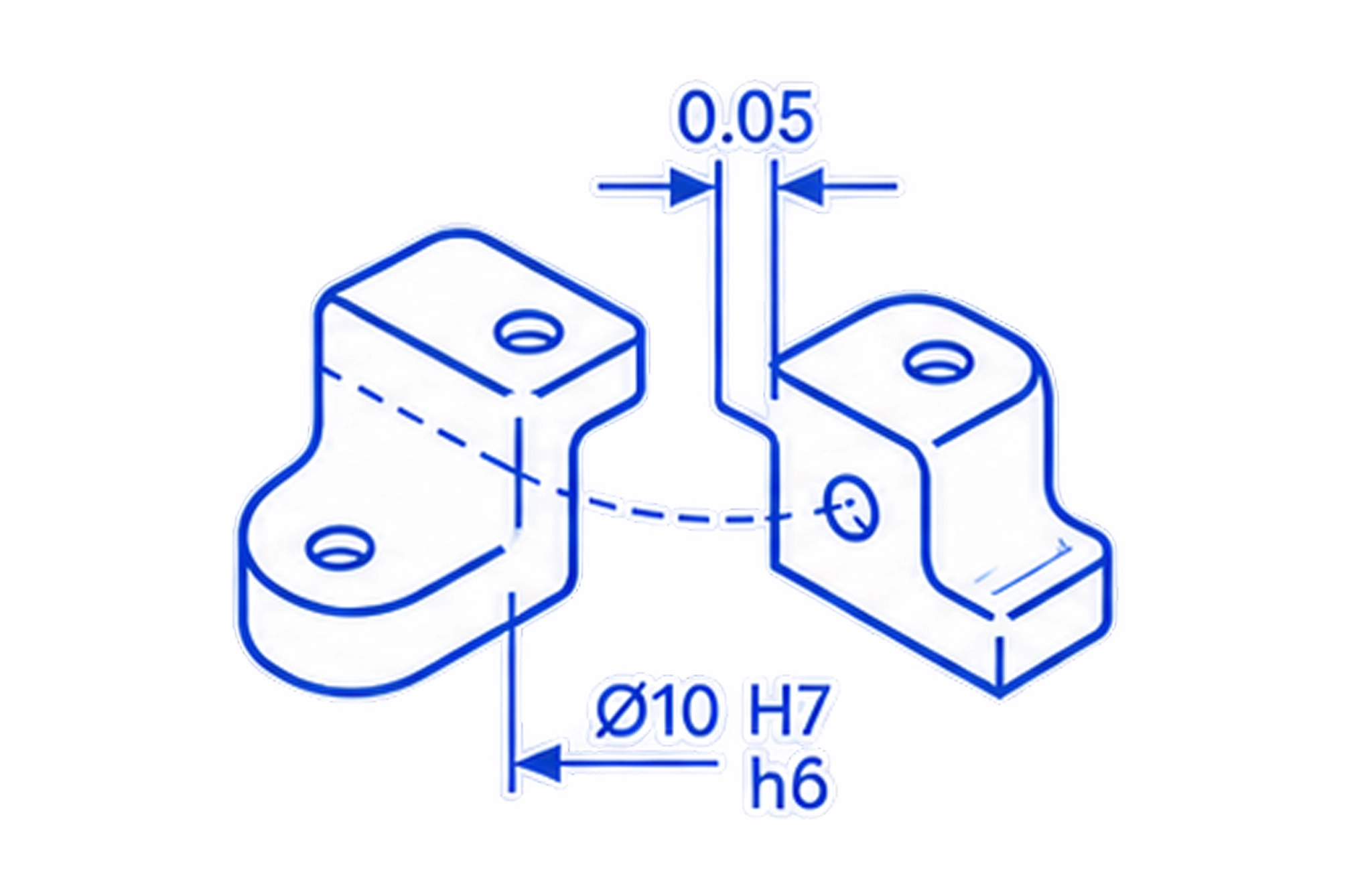
Tolerance and Assembly Check
Confirm shrinkage, clearances and critical interfaces.
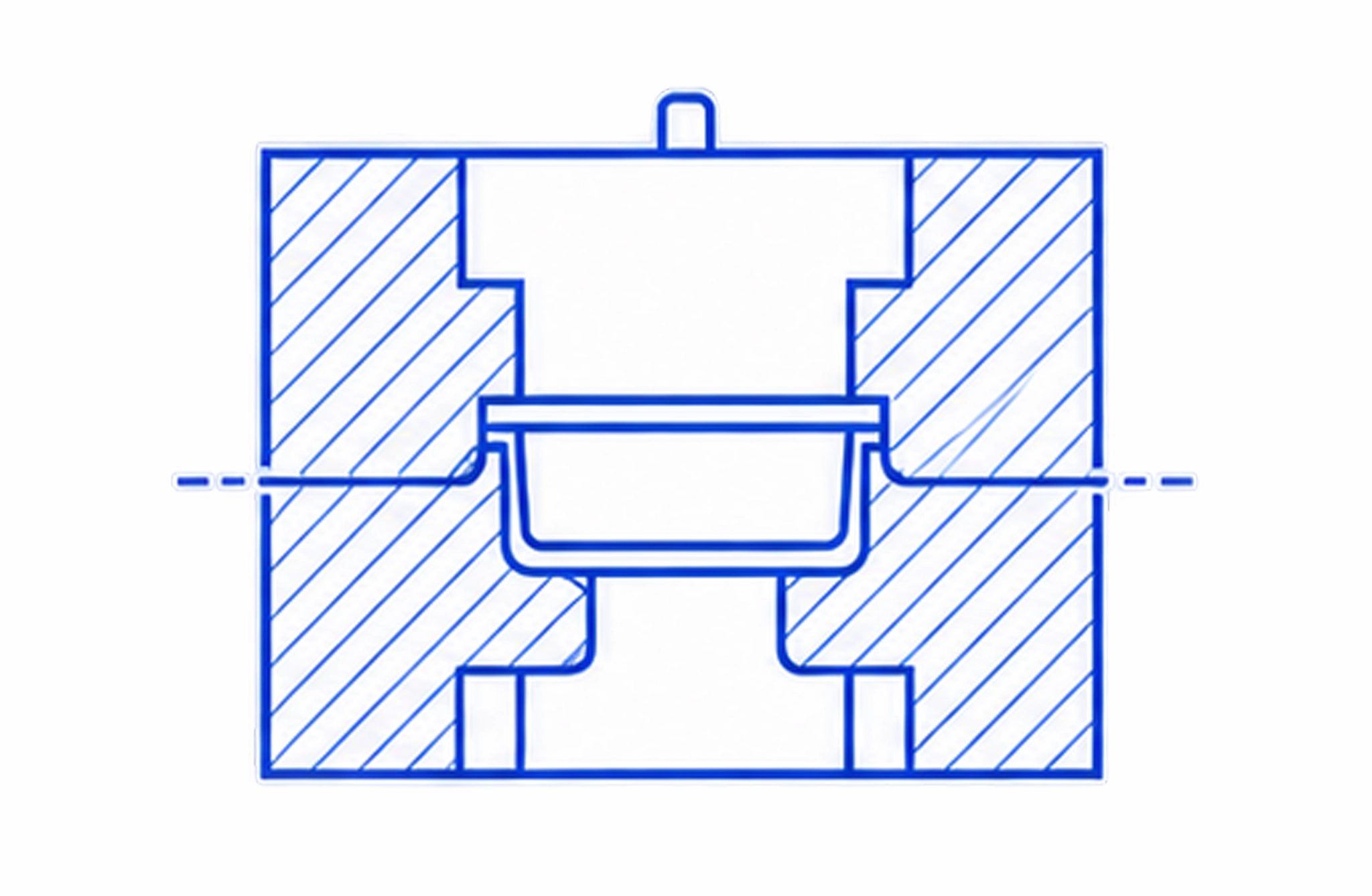
Parting Line Optimization
Balance moldability, appearance and tool reliability.
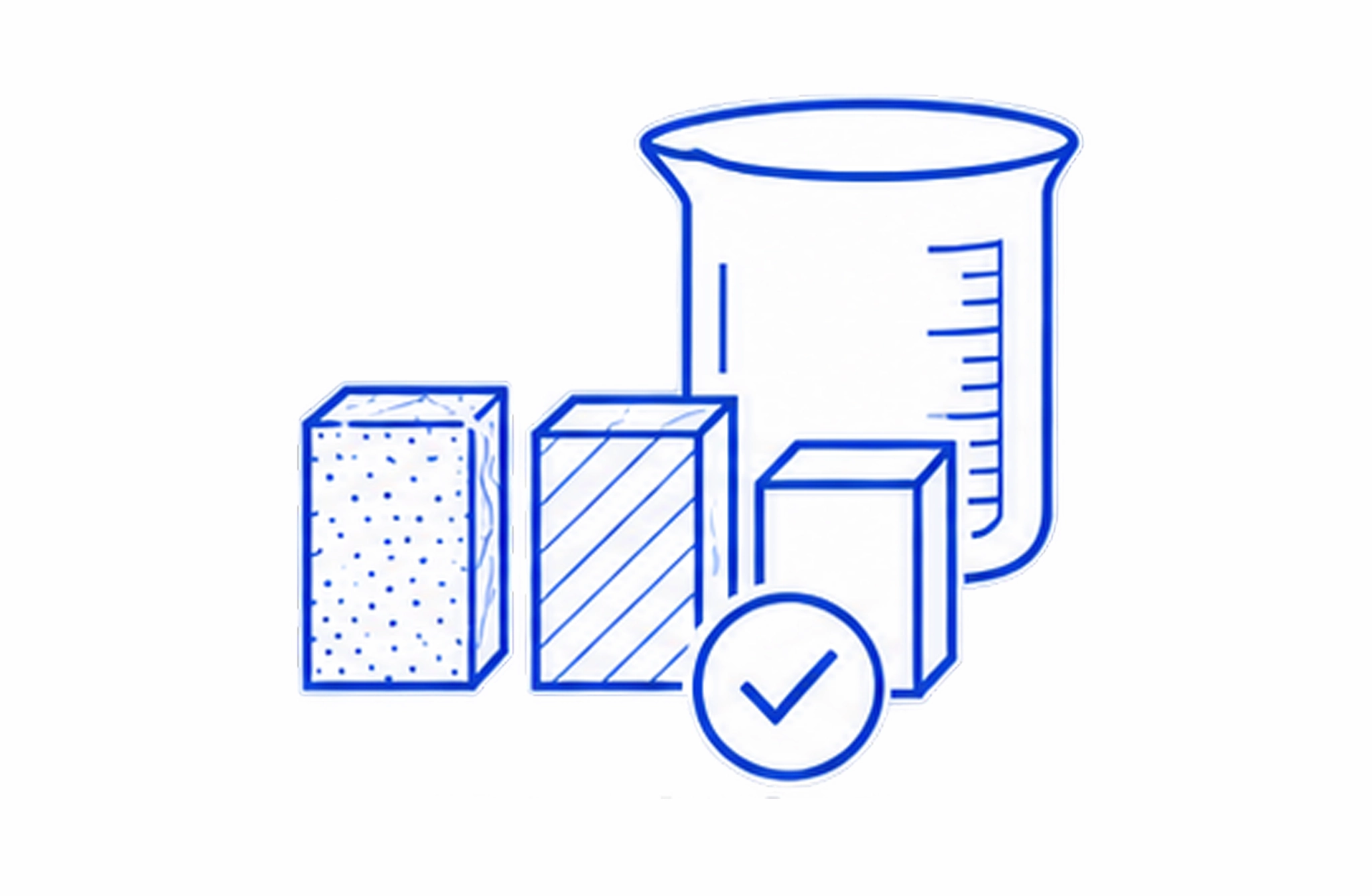
Material Selection Review
Match resin performance to product and molding requirements.
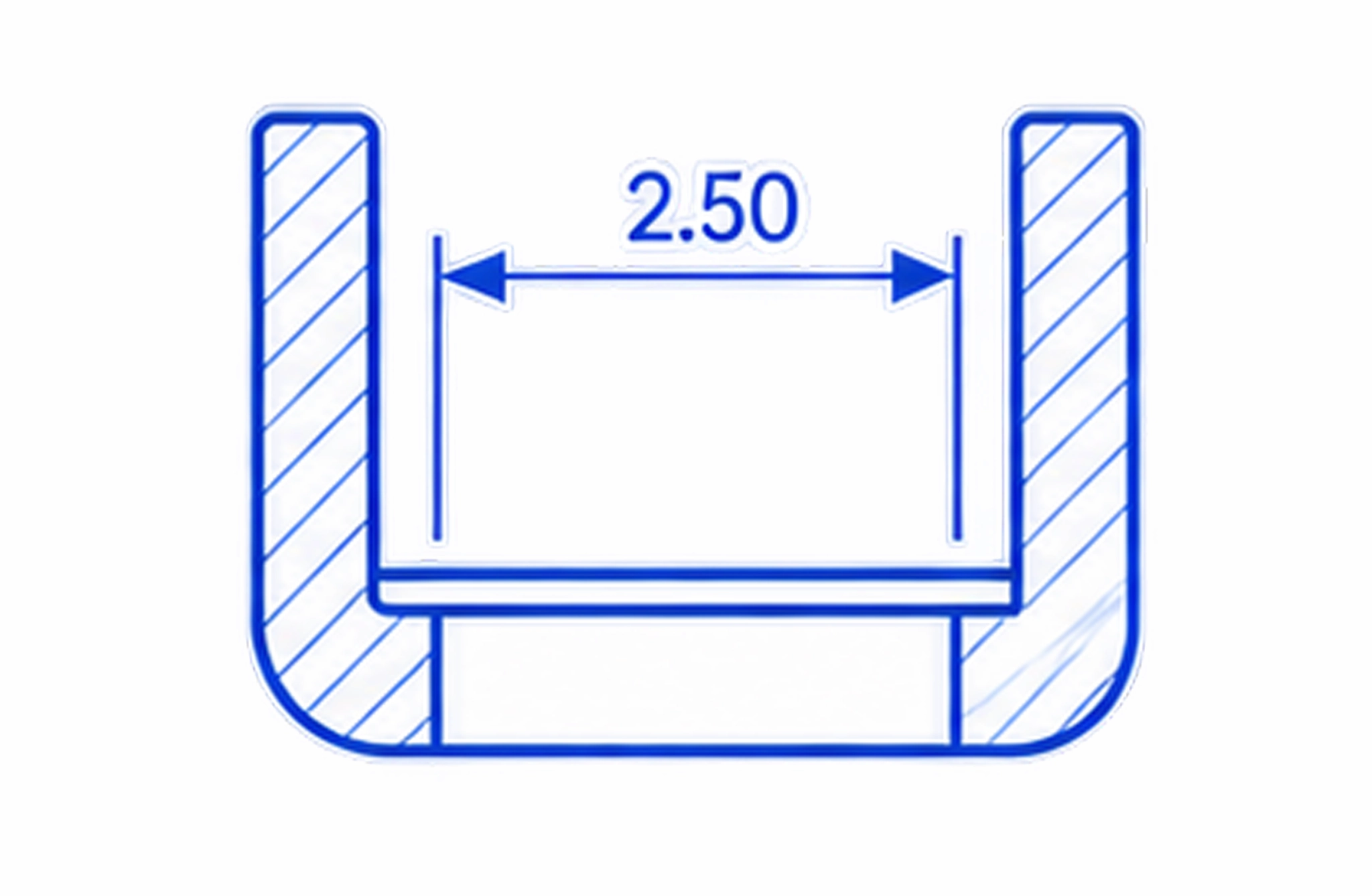
Wall Thickness Analysis
Detect sink, void, cooling and warpage risks.
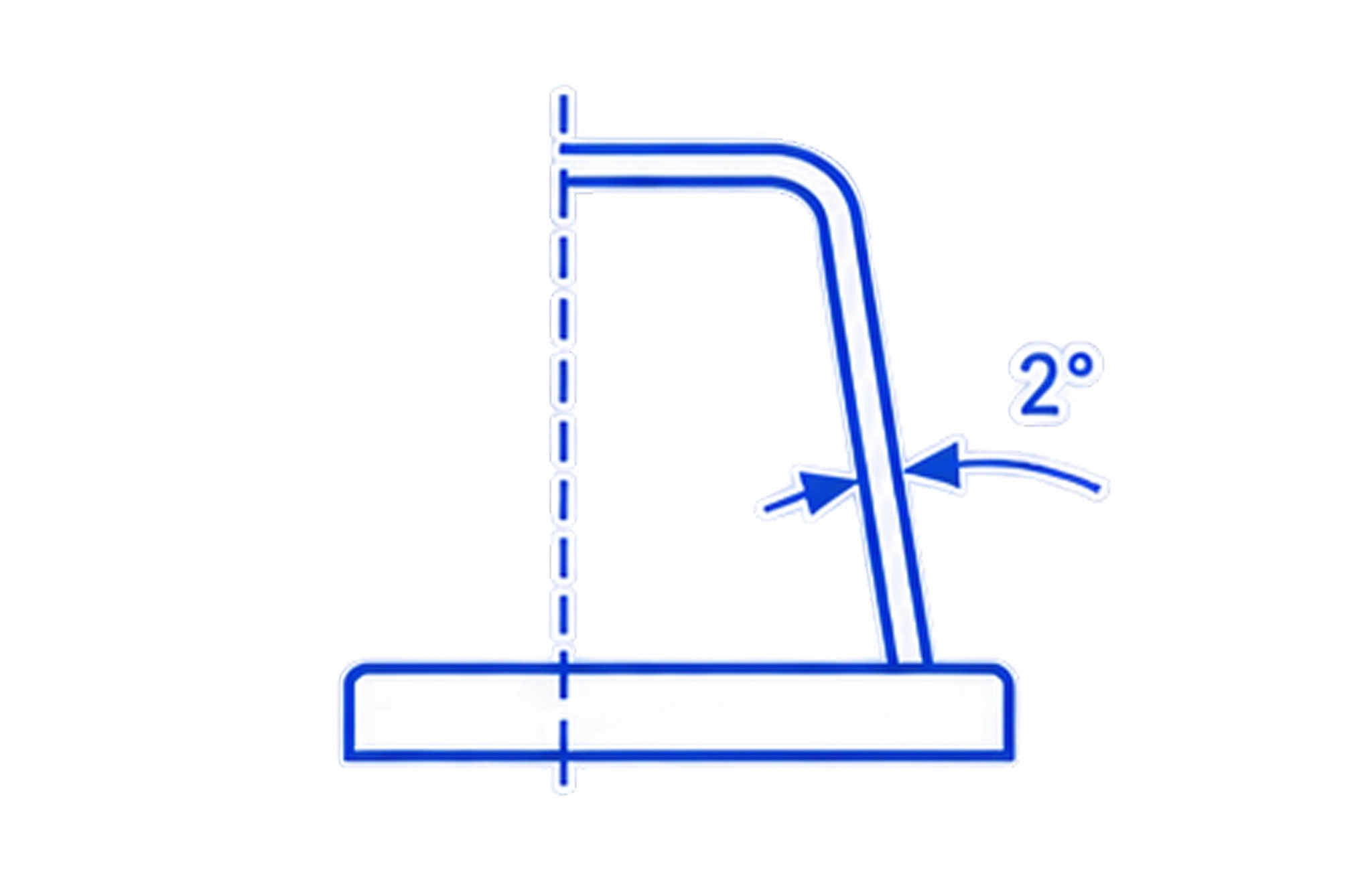
Draft Angle Evaluation
Improve mold release and protect cosmetic surfaces.
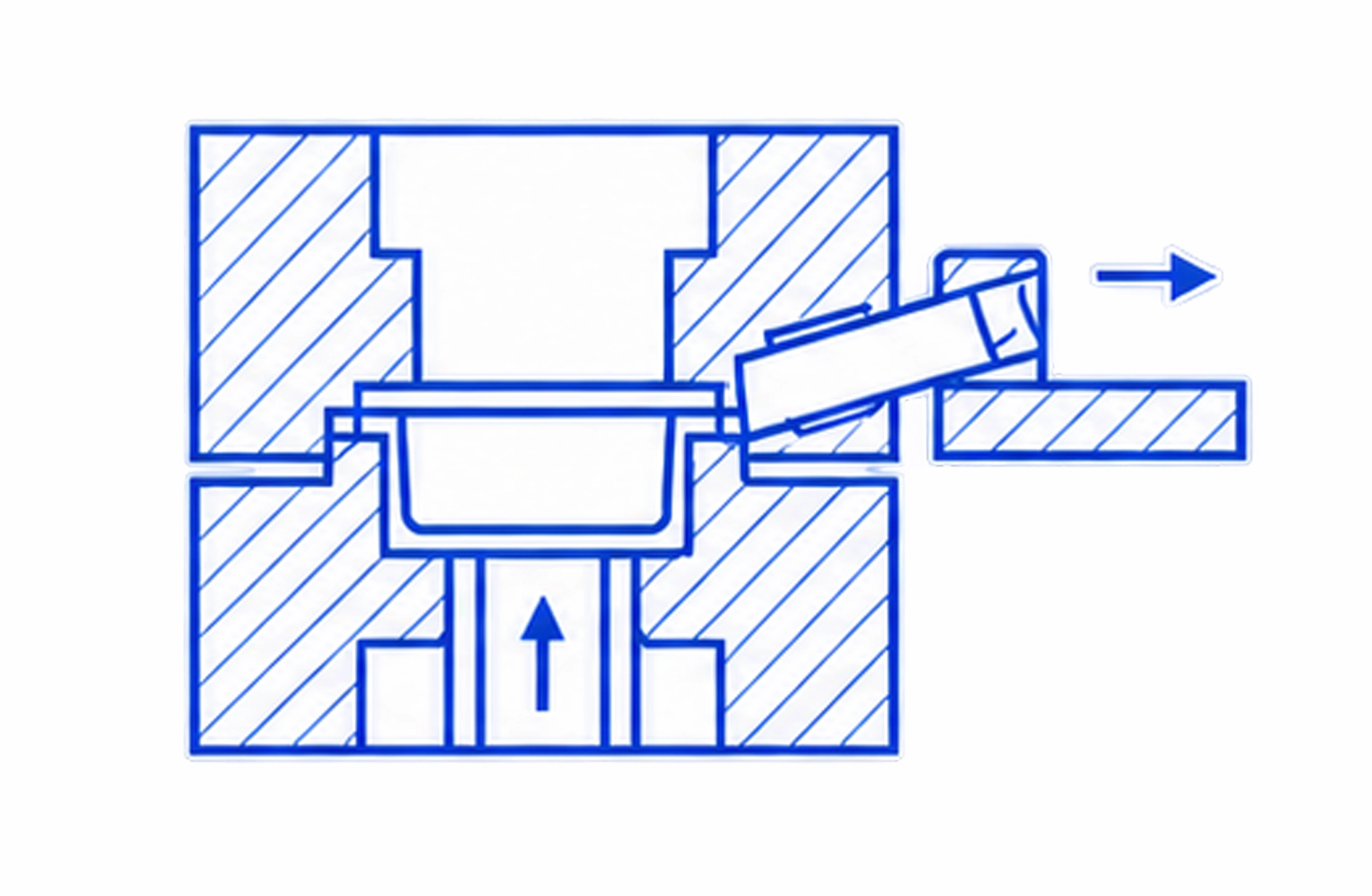
Undercut and Ejection Review
Optimize slides, lifters and ejector locations.
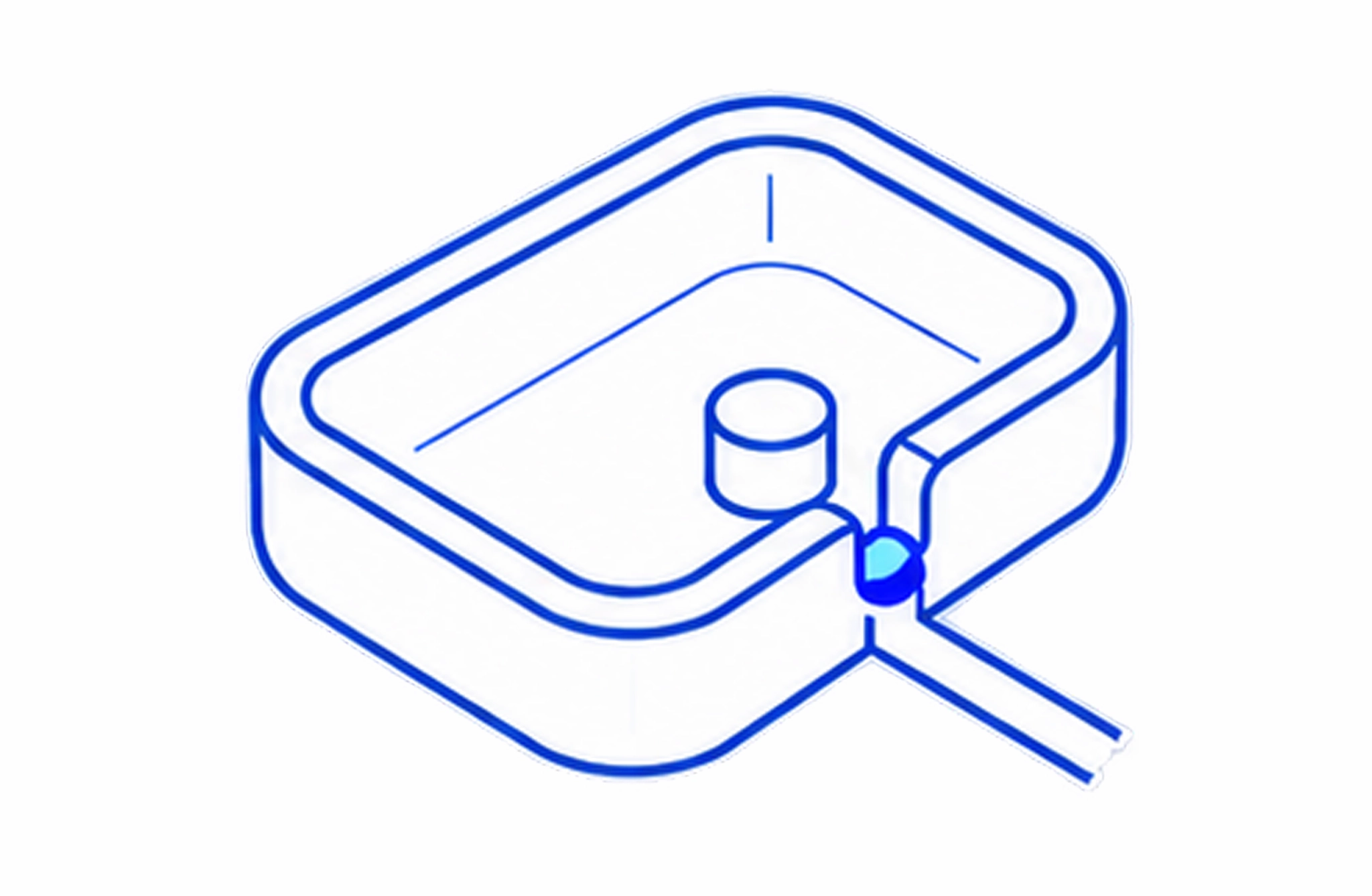
Gate Location and Type
Improve filling balance and reduce visible defects.
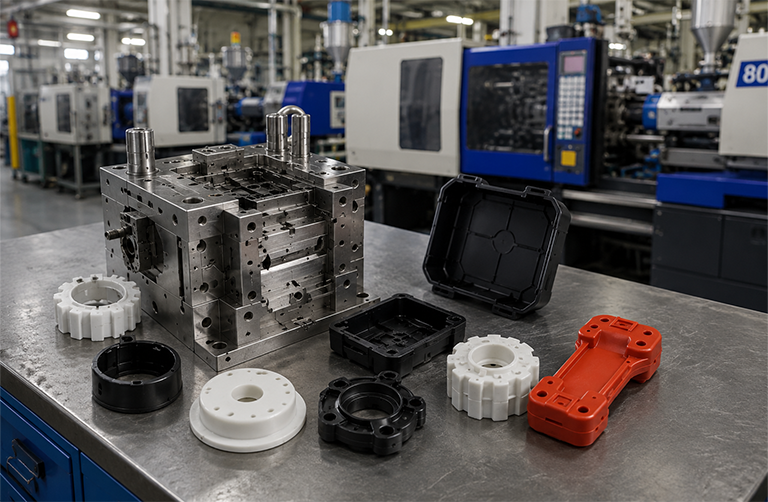
Tooling & Molding Capabilities
Advanced tooling equipment and engineering capabilities ensure precision, efficiency and reliable injection molding production.
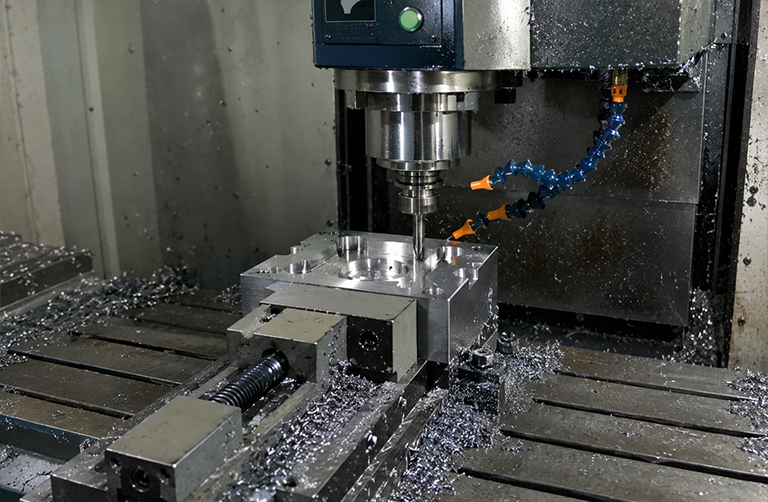
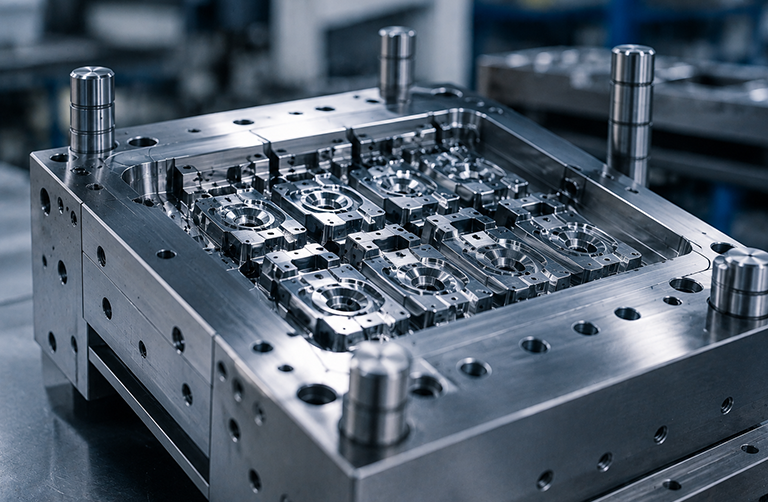
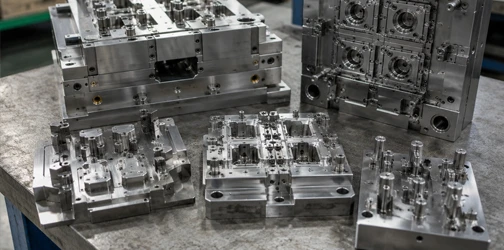
Mold Design & Build
Precision molds designed and built for reliable injection molding production.
Mold Making Machines
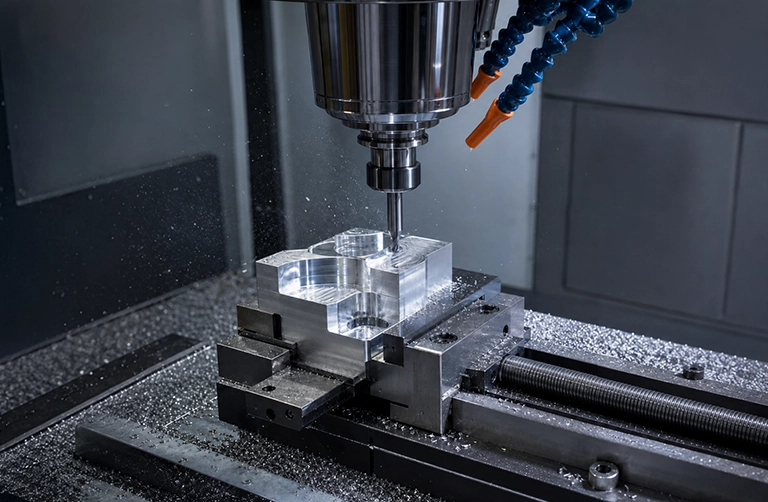
Advanced CNC, EDM and grinding equipment for high-accuracy mold manufacturing.
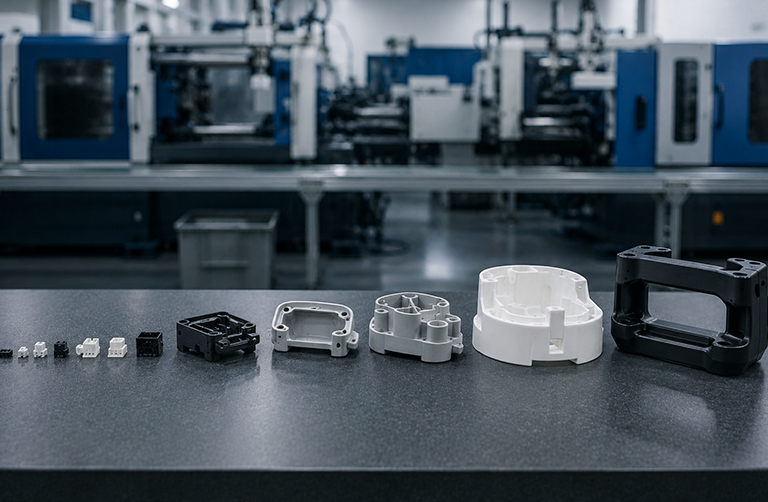
Part Size Capability
Support small precision components and large plastic parts with flexible tooling solutions.
Mold Cavities
Single and multi-cavity molds optimized for quality, efficiency and production volume.
Tight Tolerances
Maintain critical dimensions through precision machining and advanced inspection control.
Production Range
Maintain critical dimensions through precision machining and advanced inspection control.
Quality Control from Mold Trial to Production
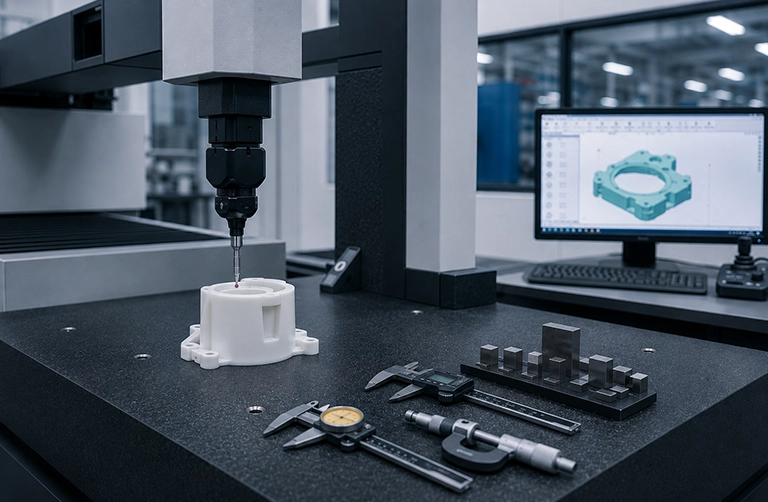
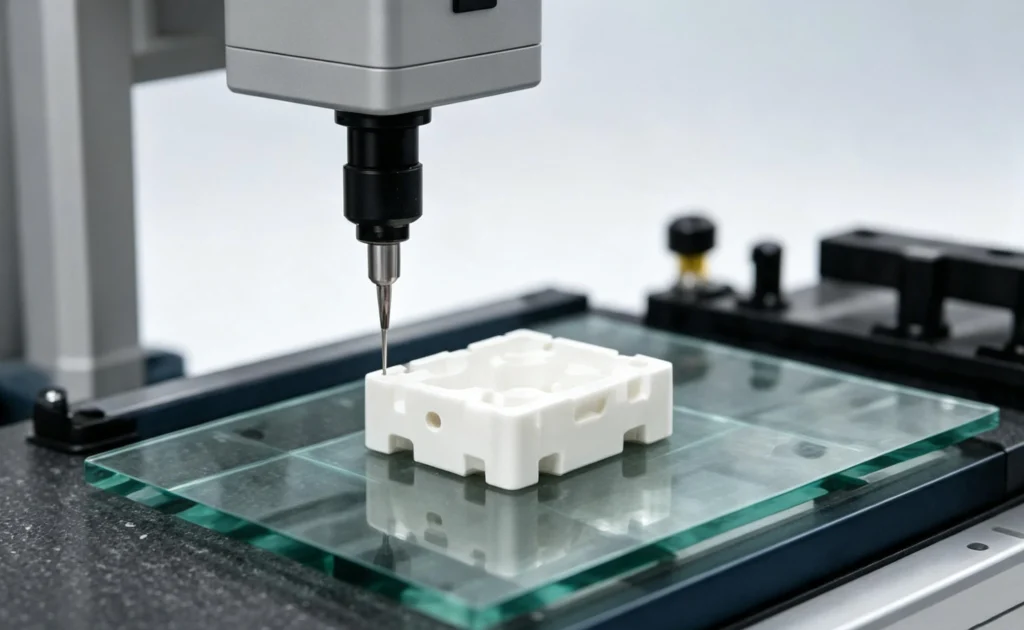
Maidder integrates material inspection, first-article validation, in-process monitoring and dimensional measurement to maintain consistent quality throughout injection molding production.
- Incoming Material Inspection
- First Article Validation
- In-Process Monitoring
- Final Dimensional Inspection
- CMM Measurement
- Production Traceability
Materials & Finishes
Common Plastic Materials
A wide range of engineering plastics and general-purpose materials to meet diverse application needs.
ABS
PC
PC/ABS
PP
PA (Nylon)
POM
PMMA
TPU/TPE
PBT
LSR
Surface Finishes & Secondary Operations
Value-added finishing and secondary operationsto enhance appearance, functionality and efficiency.
Injection Mold & Tooling Cost
The mold is usually the largest upfront investment in injection molding. Injection mold cost depends on part size and complexity, mold size, cavities, mold steel, mold life, runner system, side actions, surface finish, and tolerance requirements. Simple straight-pull molds generally cost less than molds requiring sliders, lifters, tight tolerances, or complex finishes.
Part Geometry & Complexity
Complex part geometry can increase tooling cost. Undercuts, threads, deep ribs, difficult parting lines, and complex shut-offs may require sliders, lifters, inserts, or additional mold components. DFM helps simplify these features before mold manufacturing and control overall cost.
Plastic Material
Plastic material affects both part cost and the injection molding process. Resins such as PP and ABS typically have different cost structures from engineering plastics such as PC, PA, PBT, and PEEK. Material cost also depends on part weight, runner waste, additives, colors, and fillers.
Production Volume & Mold Cavities
Production volume directly affects injection molding cost per part. Single-cavity molds usually require lower upfront investment, while multi-cavity molds cost more but produce more parts per cycle. For higher volumes, additional cavities can reduce machine time and unit cost.
Cycle Time & Machine Requirements
Injection molding cycle time includes filling, cooling, mold opening, ejection, and closing. Part thickness, material, cooling, mold design, and part size all affect cycle time. Larger parts may also require higher-tonnage machines, increasing production cost.
Finishing & Secondary Operations
Secondary operations add to the total injection molding cost. Common processes include mold texturing, painting, printing, laser engraving, welding, insert installation, assembly, inspection, and packaging.
Plastic Injection Molding Guide: From DFM to Production
Learn how part design, material selection, mold planning, process validation and quality control reduce tooling risks and support stable injection molding production.
What files do you need for an injection molding quote?
We prefer STEP, STP, IGES, X_T or native 3D CAD files. Please also provide 2D drawings, resin, quantity, finish and critical tolerance requirements.
What factors affect injection mold cost?
Mold cost depends on part size, complexity, cavities, steel grade, runner system, side actions, surface finish, expected volume and inspection requirements.
What plastic materials can you injection mold?
Mold cost depends on part size, complexity, cavities, steel grade, runner system, side actions, surface finish, expected volume and inspection requirements.
Do you support low-volume injection molding?
Mold cost depends on part size, complexity, cavities, steel grade, runner system, side actions, surface finish, expected volume and inspection requirements.
What injection molding tolerances can you achieve?
Mold cost depends on part size, complexity, cavities, steel grade, runner system, side actions, surface finish, expected volume and inspection requirements.
Do you provide samples before production?
Mold cost depends on part size, complexity, cavities, steel grade, runner system, side actions, surface finish, expected volume and inspection requirements.
What quality reports can you provide?
Mold cost depends on part size, complexity, cavities, steel grade, runner system, side actions, surface finish, expected volume and inspection requirements.
Can you sign an NDA and protect my design files?
Yes. Maidder can sign an NDA before project review. CAD files, drawings and project information are limited to authorized engineering and production personnel.