
Mechanical Engineering Services for Product Development
Maidder provides mechanical engineering services for companies developing plastic products, consumer electronics, smart devices, industrial equipment, tools, enclosures, and other physical products.
From early engineering concepts to production-ready design, we help reduce technical risks and prepare your product for prototyping, tooling, injection molding, and mass production.
Mechanical Design from Product Architecture to Detailed Engineering
Mechanical engineering defines how a product works, fits together, withstands real-world use, and can be manufactured consistently.
Our mechanical design services combine functionality with manufacturability from the start, turning industrial design concepts into practical, production-ready engineering solutions.
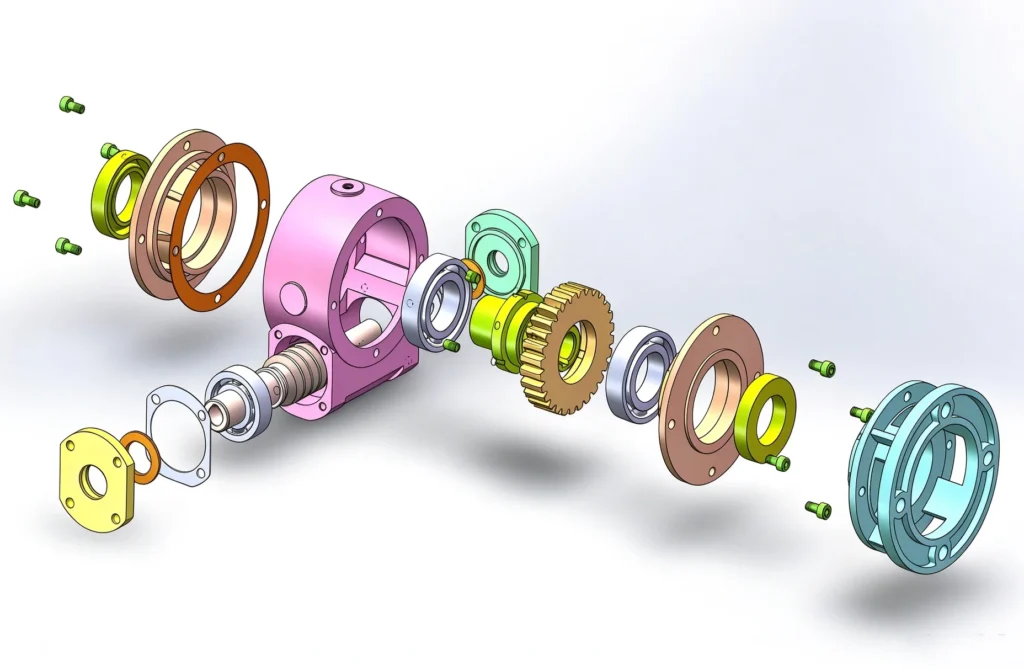
Product Architecture & Structural Design
We define how enclosures, electronics, mechanisms, fasteners, and other components fit together within the product.
Our engineers consider structure, internal space, assembly, sealing, serviceability, and manufacturing requirements when developing the product architecture.
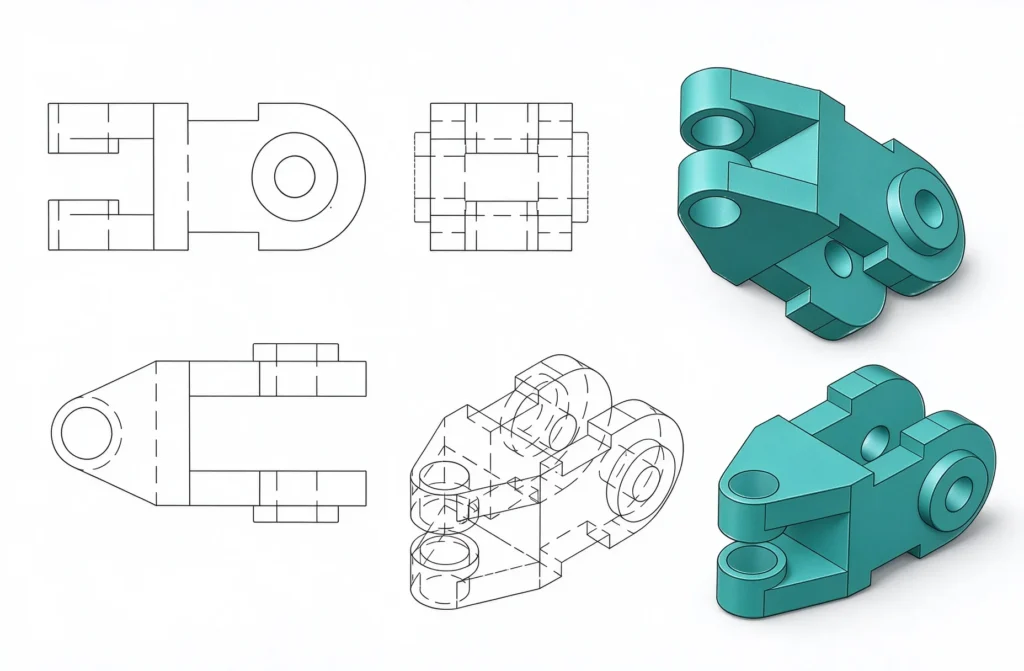
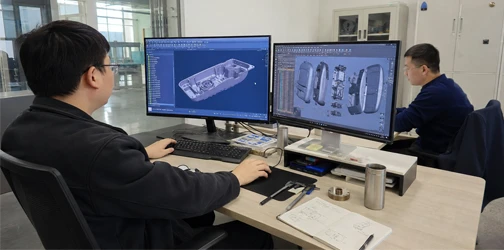
3D CAD Modeling & Engineering Drawings
We develop detailed 3D CAD models and production-ready engineering documentation for parts and assemblies.
Typical deliverables include:
- 3D CAD models
- 2D engineering drawings
- Assembly drawings and exploded views
- Critical dimensions and tolerances
- BOM and manufacturing specifications
These files provide the technical foundation for prototyping, DFM, tooling, and production.
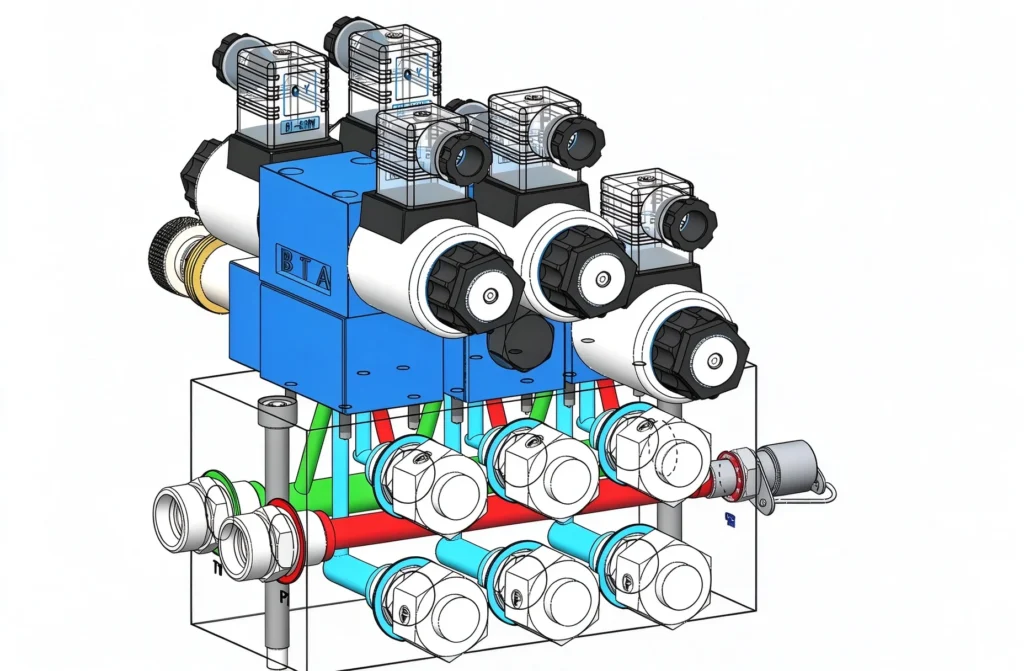
Mechanism & Assembly Design
We design mechanisms and assembly solutions for products with moving or multi-part components, including hinges, latches, sliders, gears, springs, snap-fits, fasteners, and seals.
Designs can be evaluated and refined through prototyping before tooling.
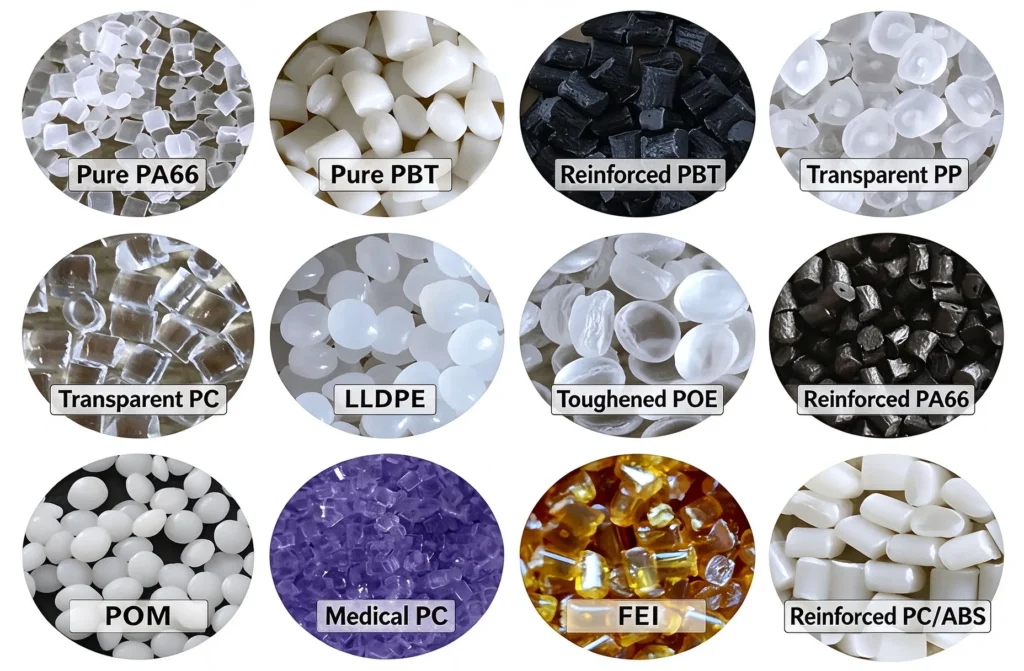
Materials, Tolerances & Component Integration
We evaluate materials, tolerance stack-ups, mating parts, fastening methods, electronics integration, and operating conditions to improve product performance, assembly reliability, and manufacturability.
Our Mechanical Engineering Process
Our engineering process moves from technical requirements to validated, production-ready mechanical design while keeping manufacturing requirements visible throughout development.
01
Requirements & Feasibility Review
We begin by reviewing product functions, dimensions, internal components, operating conditions, target materials, production volumes, cost targets, and manufacturing requirements. Existing sketches, industrial design files, CAD models, prototypes, PCB layouts, or reference products can all be used as starting points.
02
Mechanical Design & 3D CAD
Our engineers develop the product architecture, component layout, part geometry, mechanisms, fastening methods, and assembly strategy. Detailed mechanical CAD is created while considering performance, materials, tolerances, prototyping, and eventual manufacturing.
03
Prototype Validation & Iteration
Engineering prototypes help verify fit, assembly, mechanism performance, structural behavior, component integration, and other critical product functions. Feedback from testing is incorporated into the CAD design before tooling investment. Depending on the project, prototypes may be produced using 3D printing, CNC machining, urethane casting, or rapid injection molding.
04
Production-Ready Engineering
After validation, mechanical designs are refined for manufacturing. Final CAD, drawings, tolerances, materials, assembly requirements, and critical dimensions are reviewed before the product moves into DFM, mold development, injection molding, or production.
Need Mechanical Engineering Support for Your Product?
Maidder can help you develop the structure, mechanisms, assemblies, materials, tolerances, and manufacturing details required to move your product forward.
Mechanical Engineering for Manufacturing and Production

Mechanical Engineering for Injection Molding and Production
Mechanical engineering decisions made early in development directly affect how efficiently a product can be prototyped, tooled, assembled, and manufactured.
Because Maidder connects product engineering with prototype manufacturing, mold making, and injection molding, our engineers can consider production requirements while the design is still flexible.
Plastic Product Design for Injection Molding
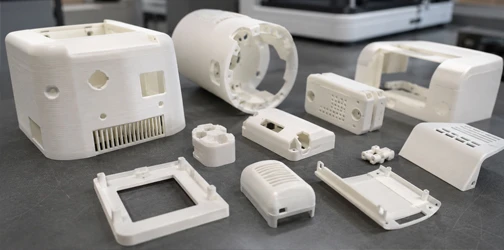
For injection-molded products, we design plastic part geometry for both product performance and manufacturability.
Key considerations include wall thickness, draft angles, ribs, bosses, snap-fits, parting lines, undercuts, materials, tolerances, surface requirements, and warpage or sink risk.
This manufacturing-focused approach helps reduce redesign before injection mold development.


DFM and Tooling Handoff
Before tooling, mechanical design can be reviewed through Design for Manufacturing to identify moldability, assembly, material, tolerance, and cost issues.
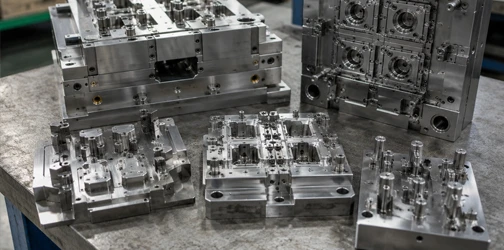
Our engineering and mold teams can then refine details such as tooling direction, parting strategy, critical dimensions, cosmetic surfaces, gates, ejector considerations, and assembly requirements.
Because engineering, prototyping, DFM, mold manufacturing, and injection molding can be supported within the same development workflow, important product decisions are less likely to be lost between separate suppliers.
From Engineering to Mass Production
Once the mechanical design has been validated and released, Maidder can continue supporting:
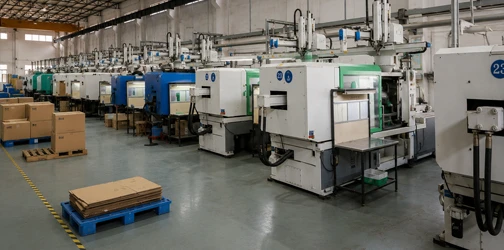
Mechanical Engineering → Prototype Validation → DFM → Mold Manufacturing → T1 Sampling → Injection Molding → Assembly → Mass Production
This gives product teams a continuous path from mechanical product design to scalable manufacturing.

Mechanical Engineering Services FAQs
What are mechanical engineering services for product development?
Mechanical engineering services turn product concepts into functional and manufacturable mechanical designs.
The work may include product architecture, structural design, 3D CAD modeling, mechanism design, material selection, tolerance analysis, assembly design, engineering drawings, prototype validation, and manufacturing preparation.
For products intended for mass production, mechanical engineering also helps ensure that the design can move efficiently into tooling and manufacturing.
What is the difference between industrial design and mechanical engineering?
Industrial design primarily focuses on product form, aesthetics, ergonomics, user interaction, and visual identity.
Mechanical engineering focuses on how the product functions and is constructed, including internal structures, mechanisms, component integration, materials, tolerances, fastening, sealing, and assembly.
At Maidder, industrial designers and mechanical engineers can work together so that appearance, function, and manufacturability develop in parallel.
Can Maidder work from an existing industrial design or CAD model?
Yes. We can start from industrial design files, sketches, existing CAD models, prototypes, reference samples, PCB layouts, or partially developed products.
Our engineers can review the existing design, identify mechanical or manufacturing risks, and continue developing it toward prototyping and production.
Do you provide 3D CAD models and engineering drawings?
Yes. Depending on the project scope, mechanical engineering deliverables can include detailed 3D CAD models, 2D engineering drawings, assembly drawings, exploded views, critical dimensions, tolerances, BOM information, and manufacturing specifications.
These files can support prototype manufacturing, supplier review, DFM, tooling, and production.
Can you design plastic parts specifically for injection molding?
Yes. For injection-molded plastic products, our mechanical engineers can consider wall thickness, draft angles, ribs, bosses, snap-fits, fastening methods, parting lines, undercuts, materials, tolerances, assembly, and other molding requirements during product development.
The design can then move into a detailed DFM review before mold manufacturing.
Do you provide prototype testing and engineering validation?
Yes. Mechanical designs can be validated using appropriate prototype manufacturing processes such as 3D printing, CNC machining, urethane casting, or rapid injection molding.
Prototypes can be used to evaluate fit, assembly, mechanisms, component integration, structural performance, materials, and other functional requirements before tooling.
Can Maidder continue from mechanical engineering to mold making and mass production?
Yes. After mechanical design and prototype validation, Maidder can continue supporting DFM, injection mold design and manufacturing, T1 sampling, design optimization, injection molding, secondary operations, assembly, and mass production.
This integrated approach helps maintain engineering continuity as the product moves from design into manufacturing.
Contact Us
Have a product idea or manufacturing requirement? Our engineering team supports you from product development and rapid prototyping to custom injection molds, injection molding and mass production. Share your CAD files, drawings or project details, and we’ll help define the right solution.