
Electronics Engineering Services for Product Development
Maidder provides electronics engineering services for consumer electronics, smart devices, industrial products, home products, tools, and other electronic products.
From early electronic product development to prototype validation and production handoff, we help ensure the electronics work reliably within the complete product.
Electronics Engineering Capabilities
Our electronic hardware design process considers functionality, product structure, component availability, assembly, and manufacturing requirements from the beginning.
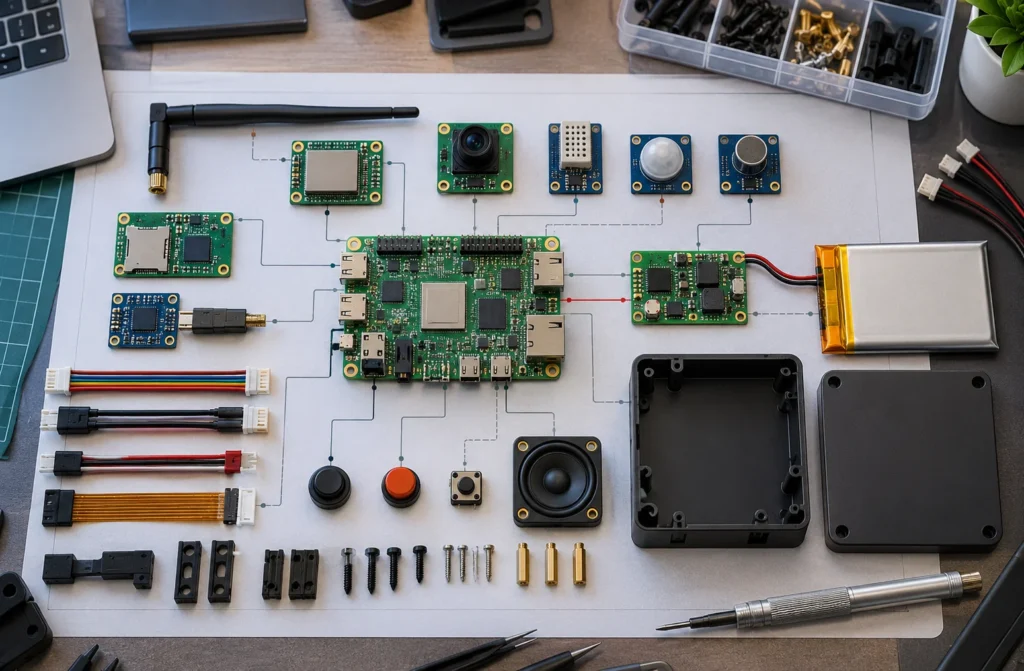
System Architecture & Component Selection
We define the electronic architecture based on product functions, interfaces, power requirements, sensors, connectivity, and mechanical constraints.
Components are selected with performance, size, availability, cost, and product requirements in mind.
Typical considerations include:
- Microcontrollers and processors
- Sensors
- Connectors and interfaces
- Power components
- Communication modules
- Displays and indicators
- Batteries and charging components
- Other electronic components
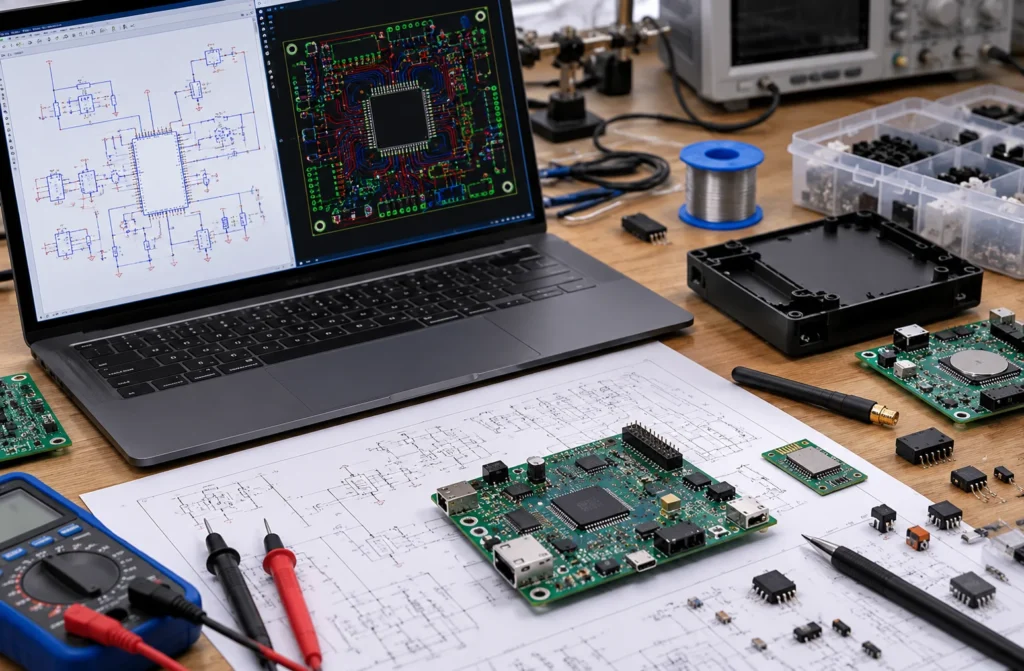
Schematic & PCB Design
We turn electronic requirements into detailed circuit schematics and PCB designs for prototype development and manufacturing.
PCB layout is developed around component placement, board dimensions, connector locations, mechanical interfaces, assembly requirements, and the available space inside the product enclosure.
Typical deliverables may include:
- Circuit schematics
- PCB layout files
- Gerber and manufacturing files
- Component BOM
- PCB assembly information
- Hardware design documentation
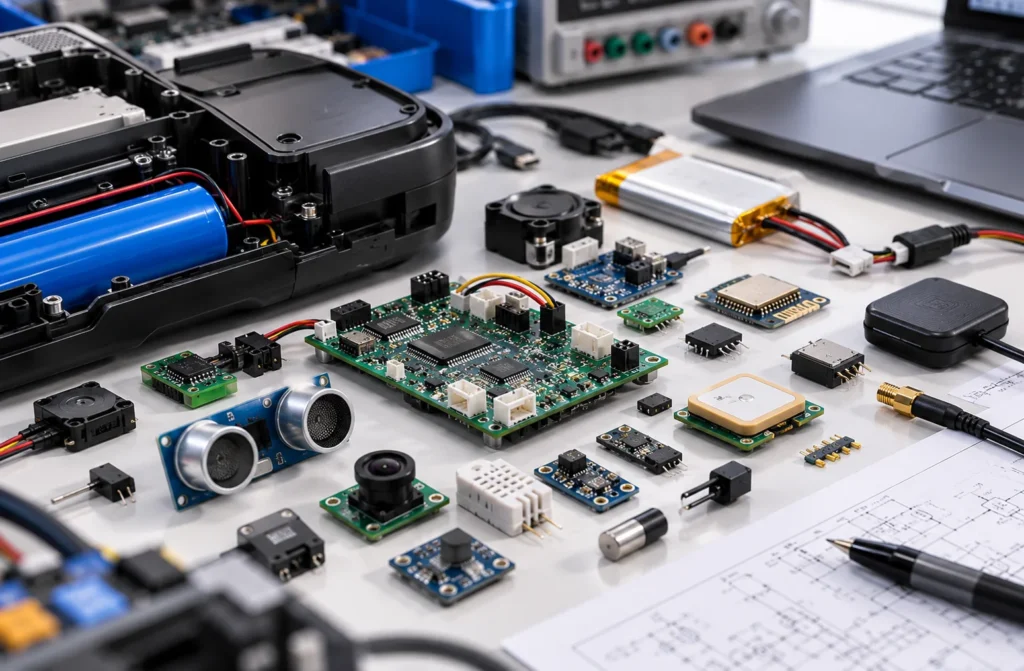
Power, Sensors & Connectivity
Power, sensing, and connectivity are critical to many modern electronic products.
Our engineers integrate appropriate power architecture, batteries, sensors, connectors, communication modules, and related hardware based on the intended product functions and operating environment.
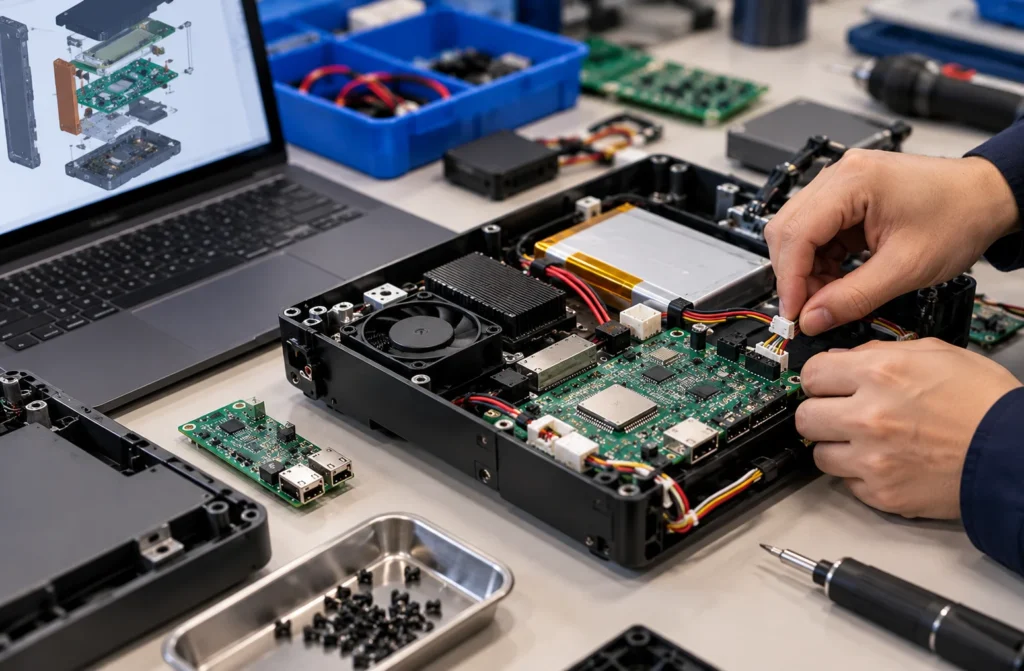
Hardware Integration
Electronics cannot be developed independently from the physical product.
We coordinate PCB dimensions, mounting points, connectors, buttons, displays, batteries, antennas, sensors, and other components with the mechanical design to help prevent fit, assembly, access, and enclosure conflicts.
Our Electronics Engineering Process
Our electronics engineering process moves from functional requirements to validated hardware while keeping mechanical integration and manufacturing requirements visible throughout development.
01
Requirements & Feasibility
We review product functions, interfaces, power requirements, sensors, connectivity, enclosure constraints, target cost, production volume, and other technical requirements. Existing concepts, CAD files, PCB designs, prototypes, or reference products can be used as starting points.
02
Circuit & PCB Development
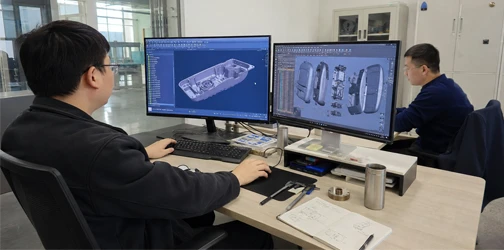
The electronic architecture is translated into schematics, component selections, and PCB layouts. Our electronics and mechanical engineers coordinate board size, connector locations, mounting features, component clearances, and enclosure space during development.
03
Prototype & Hardware Validation
Prototype electronics are used to verify basic function, power behavior, sensor operation, interfaces, PCB fit, connector access, and integration with mechanical components. Issues identified during testing can be incorporated into the next design iteration before production release.
04
Design Refinement & Production Release
After validation, PCB files, BOMs, component specifications, and assembly information are finalized for manufacturing. The electronics can then move forward together with the mechanical design, enclosure, and other product components.
Ready to Develop Your Electronic Product?
From PCB design and hardware validation to DFM, injection-molded enclosures, assembly, and mass production, our teams help move your product from engineering to manufacturing.
Electronics Engineering for Prototyping and Production
Successful electronic products require more than a functional PCB. Electronics must integrate with the enclosure, mechanical components, assembly, and manufacturing requirements.
Maidder combines electronics engineering with mechanical design, prototyping, DFM, injection molding, and production to reduce integration issues during development.
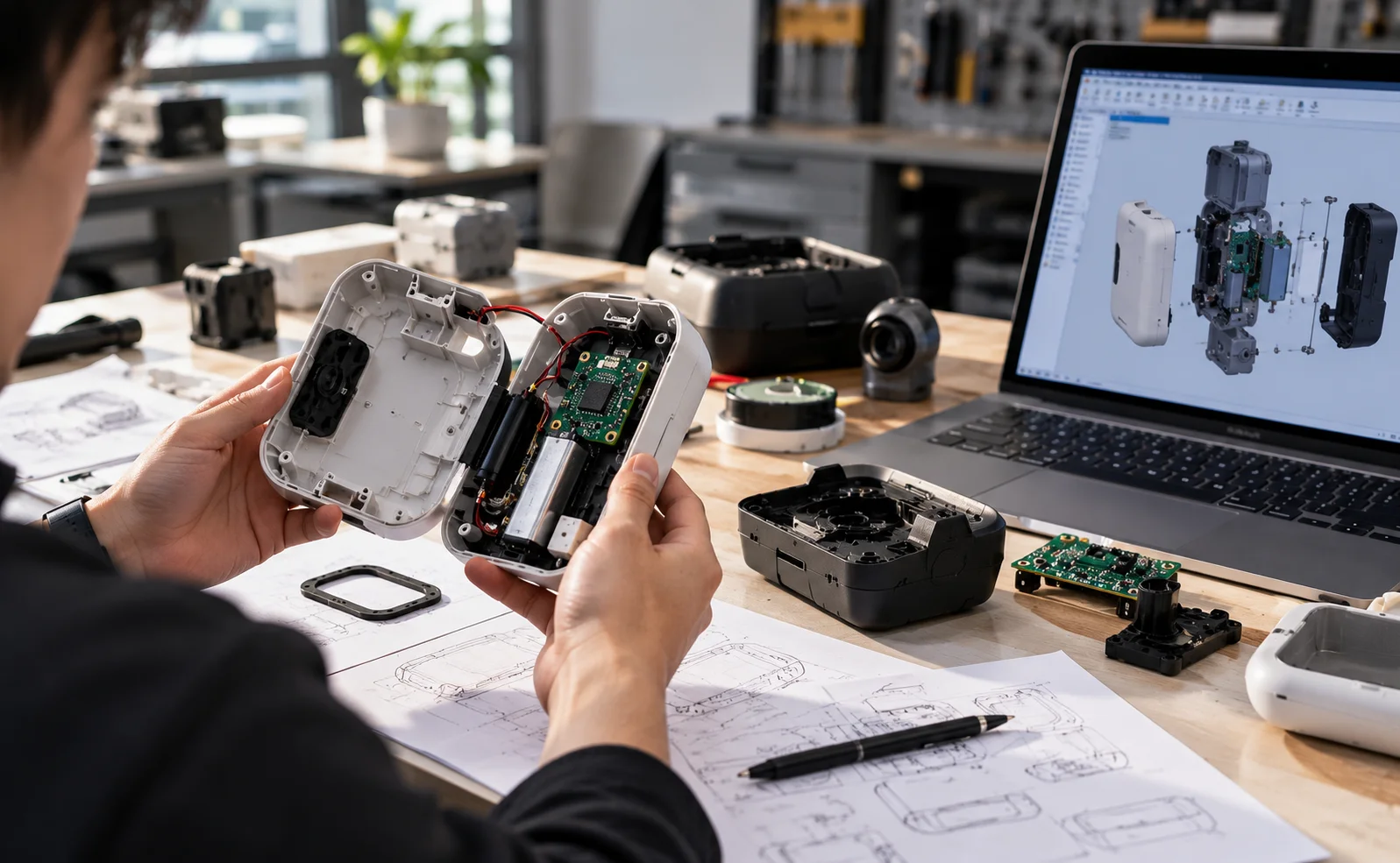
Mechanical & Electronics Integration
We coordinate PCB size, connectors, buttons, displays, batteries, sensors, mounting features, and enclosure space with the mechanical design.
This helps reduce interference, alignment issues, insufficient clearances, and assembly difficulties.
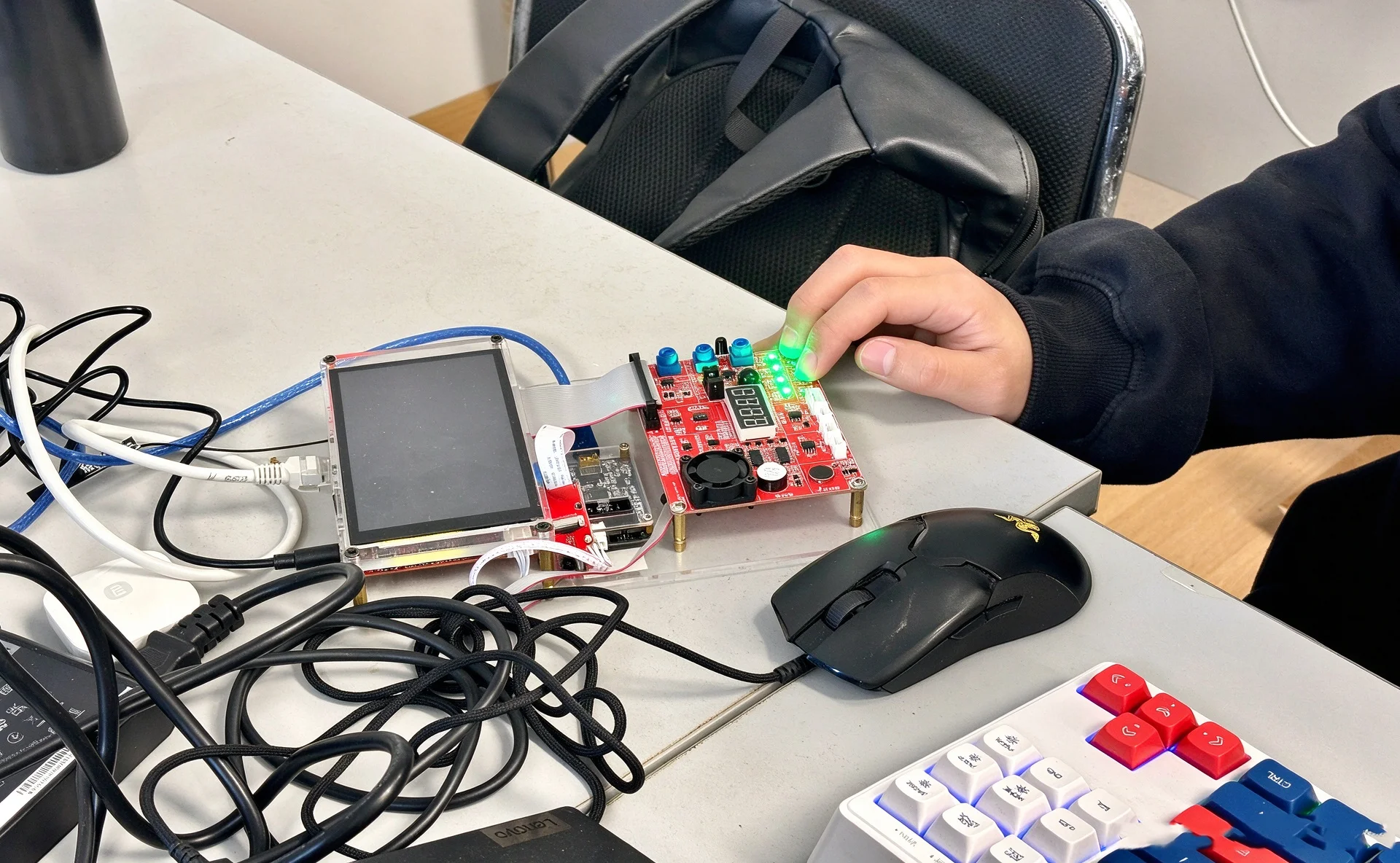
Electronic Hardware Prototyping & Validation
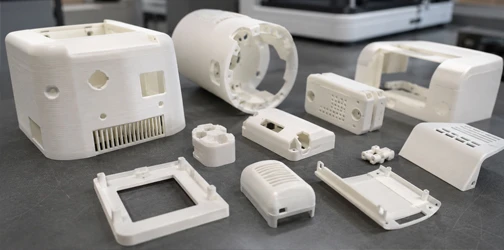
Prototype PCBs can be integrated with 3D printed, CNC machined, urethane cast, or rapid injection molded parts to evaluate fit, function, interfaces, and assembly before production.
This helps identify electrical and mechanical issues before tooling.
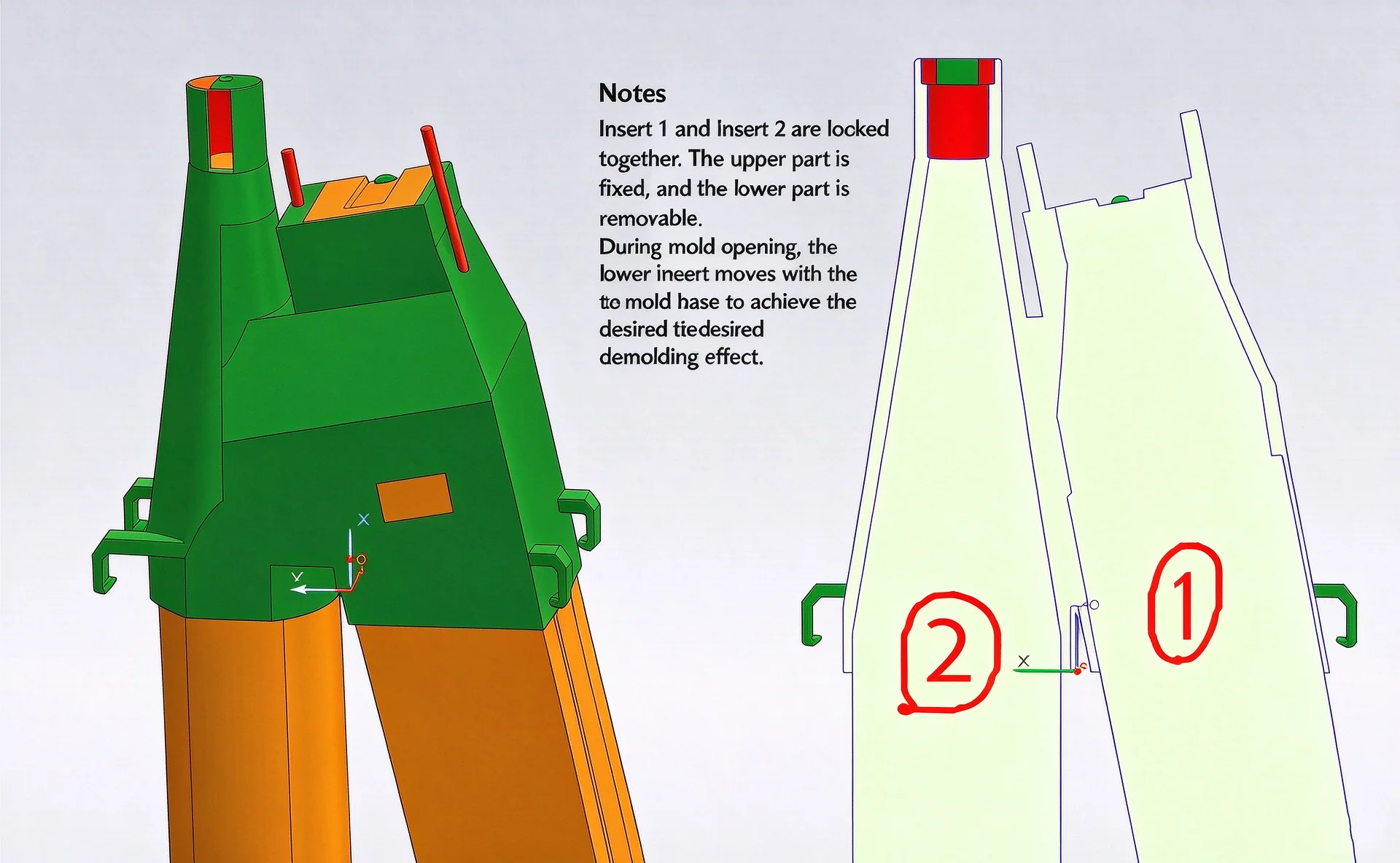
DFM & Production Handoff
Before production, we review the electronics, enclosure, and assembly requirements together.
PCB files, BOMs, enclosure CAD, and manufacturing specifications are then prepared for prototyping, tooling, injection molding, assembly, and mass production.
Why Choose Maidder for Electronics Engineering?

01
Cross-Disciplinary Product Engineering
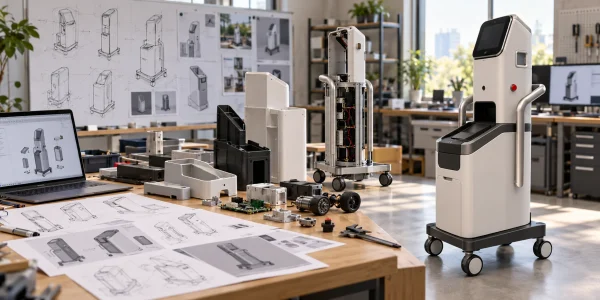
Electronics engineers work with industrial designers and mechanical engineers so that PCB architecture, components, enclosure design, user interfaces, and assembly requirements develop as one product system.
02
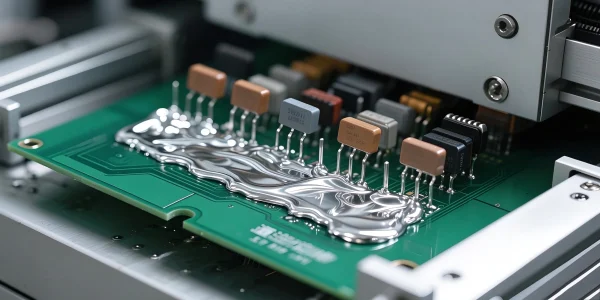
Electronics Connected to Manufacturing
Electronic hardware is developed with downstream prototyping, enclosure manufacturing, injection molding, assembly, and production requirements in mind.
This is particularly valuable for products where PCB design and plastic enclosure design must be closely coordinated.
03
From Engineering to Complete Product
Maidder can continue supporting your project after electronics engineering through:
Electronics Engineering → Mechanical Integration → Prototype Validation → DFM → Tooling → Injection Molding → Assembly → Mass Production
This integrated approach helps maintain design intent and reduce unnecessary handoffs between separate engineering and manufacturing suppliers.
Electronics Engineering Services FAQs
What are electronics engineering services?
Electronics engineering services cover the design and development of the electronic hardware inside a product.
This can include system architecture, circuit design, PCB design, component selection, power systems, sensors, connectivity, hardware integration, PCB documentation, prototyping, and validation.
For commercial products, electronics engineering should also consider how the hardware integrates with the enclosure and moves into manufacturing.
What information do I need to start an electronics engineering project?
You can begin with a product concept, functional requirements, existing PCB design, CAD model, prototype, or reference product.
Useful information may include required functions, dimensions, sensors, connectivity, power source, interfaces, expected operating environment, target production volume, and cost expectations.
If some requirements are not yet defined, they can be reviewed during the early engineering stage.
Do you provide PCB design services?
Yes. Electronics engineering projects can include circuit schematics, component selection, PCB layout, manufacturing files, BOM information, and PCB assembly documentation depending on project requirements.
PCB development is coordinated with the mechanical design to ensure the board fits and integrates correctly with the complete product.
Can you integrate electronics with an existing product enclosure?
Yes. If you already have industrial design or mechanical CAD, our engineers can review PCB dimensions, mounting locations, connectors, buttons, displays, sensors, batteries, and other electronic components against the existing enclosure.
The mechanical design can then be adjusted where necessary to improve integration and manufacturability.
Can Maidder develop electronics for injection-molded products?
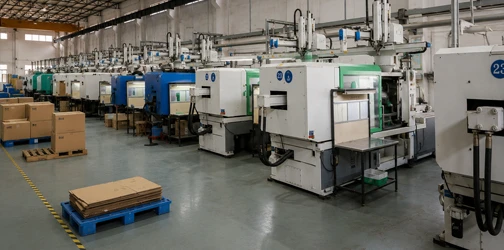
Yes. For electronic products with plastic housings, the electronics and enclosure can be developed together.
PCB mounting, connector openings, buttons, displays, battery compartments, internal ribs, bosses, assembly methods, and other features can be coordinated before the enclosure moves into injection mold development.
Do you support electronic hardware prototyping?
Yes. Prototype PCBs can be integrated with prototype mechanical parts to evaluate product function, fit, component placement, interfaces, assembly, and overall hardware integration before production.
Depending on the product, enclosure prototypes can be manufactured using processes such as 3D printing, CNC machining, urethane casting, or rapid injection molding.
Can Maidder continue from electronics engineering to mass production?
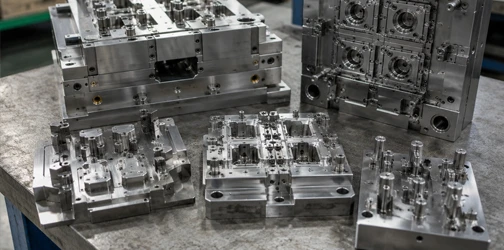
Yes. After electronics and mechanical designs are validated, Maidder can continue supporting DFM, prototype builds, injection mold manufacturing, injection molding, assembly, and mass production.
This creates a continuous development path from electronic hardware design to the finished physical product.
Contact Us
Have a product idea or manufacturing requirement? Our engineering team supports you from product development and rapid prototyping to custom injection molds, injection molding and mass production. Share your CAD files, drawings or project details, and we’ll help define the right solution.