
Plastic Mold Making Services for Production Injection Molding
Build reliable injection molds for consistent plastic part production.
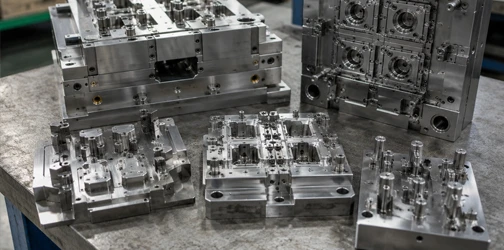
Our tooling capabilities support single-cavity and multi-cavity molds, hot and cold runner systems, slides, lifters, inserts, and other complex mold structures.
Custom Plastic Injection Mold Manufacturing
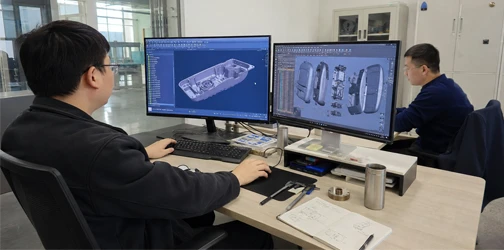
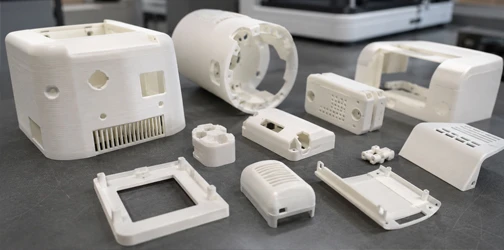
A production mold must consistently control part dimensions, appearance, material flow, cooling, and ejection over repeated molding cycles. Our mold engineering and manufacturing teams develop tooling according to part geometry, plastic material, production volume, tolerances, surface requirements, and expected mold life. By connecting mold making with injection molding production, we design and manufacture tooling around part quality, mold life, cycle stability, and long-term manufacturing requirements.
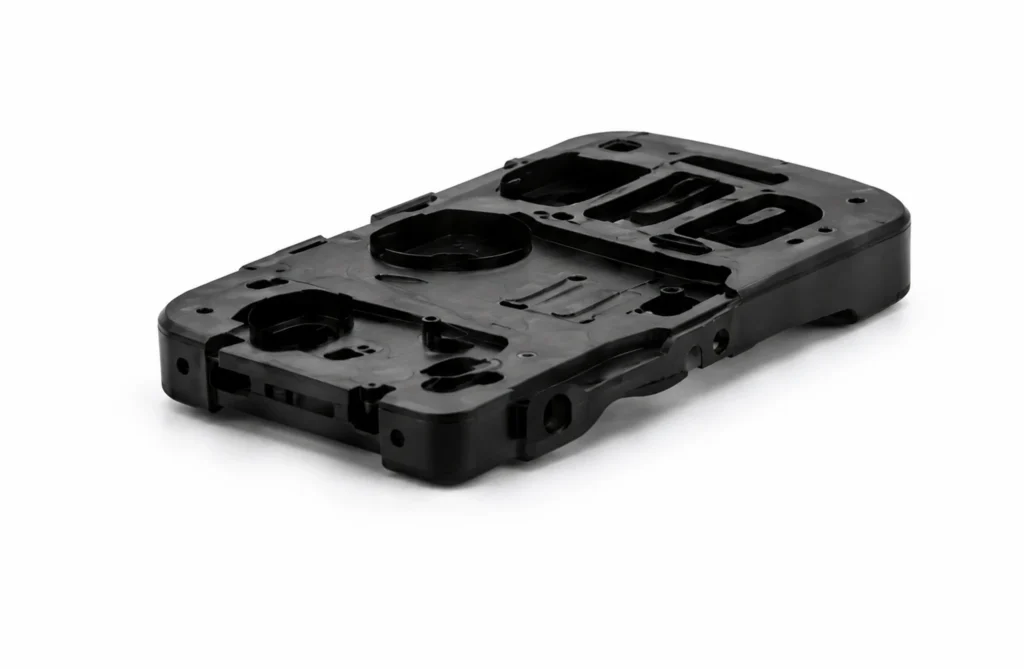
Single-Cavity & Multi-Cavity Molds
Single-cavity tooling provides one molded part per cycle and can be suitable for lower production requirements or larger, more complex components.
Multi-cavity molds produce several parts in each molding cycle and can improve production efficiency for higher-volume programs.
Cavity strategy is selected based on production demand, part geometry, machine requirements, tooling investment, and long-term part cost.
Hot Runner & Cold Runner Molds
Runner system selection can affect material usage, mold complexity, cycle performance, and production economics.
Cold runner molds provide a conventional and flexible tooling solution, while hot runner systems can reduce runner waste and support efficient production for suitable high-volume applications.
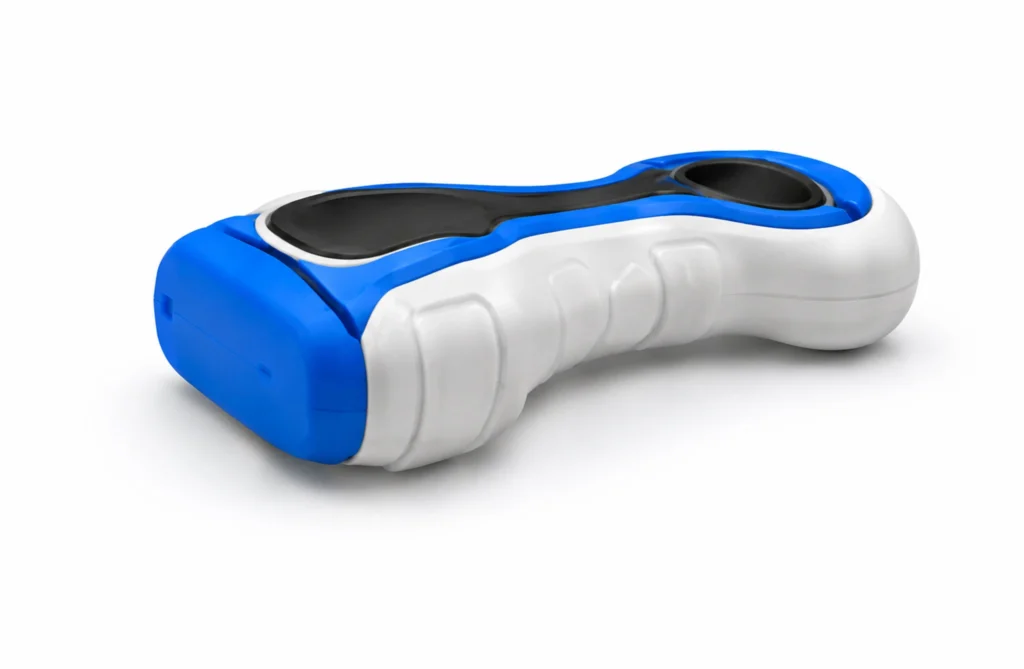
Complex Injection Molds
Maidder can support tooling structures requiring:
- Slides and lifters
- Inserts
- Shut-offs
- Complex parting lines
- Multiple cavities
- Tight assembly interfaces
- Cosmetic surfaces
- Insert molding
- Overmolding
- Specialized tooling requirements
The appropriate mold structure is determined during DFM and mold design.
Our Plastic Mold Making Process
A reliable production mold begins with the part design and continues through engineering, machining, assembly, trials, and validation.
01
CAD & Tooling Requirements Review
Provide your 3D CAD files, drawings, plastic material, expected production volume, tolerances, surface finish, and other critical specifications. Our engineers review the part and define the required tooling strategy.
02
DFM & Moldability Review
Before mold manufacturing, the part is evaluated for factors including:
- Wall thickness
- Draft angles
- Ribs and bosses
- Undercuts
- Parting lines
- Gate locations
- Ejection
- Tolerances
- Surface requirements
- Material behavior
Potential moldability problems can be addressed before tooling is released.
03
Mold Design
The mold structure is developed around part geometry and production requirements. Engineering considerations may include cavity layout, core and cavity design, runner and gate systems, slides, lifters, cooling channels, ejectors, inserts, mold base, and standard components.
04
Mold Manufacturing & Assembly
Mold components are manufactured using precision processes such as CNC machining, EDM, grinding, drilling, polishing, and fitting as required. The mold is then assembled and checked for component movement, alignment, shut-offs, cooling, ejection, and overall operation.
05
T1 Trial & Mold Optimization
After mold assembly, initial T1 samples are produced. Samples are reviewed for dimensions, appearance, filling, shrinkage, warpage, fit, assembly, and other specified requirements. Tooling or molding parameters can then be adjusted before the mold is approved for production
Mold Materials and Tooling Strategies
The right mold material depends on production volume, plastic resin, part complexity, expected tool life, surface requirements, and dimensional demands.
Production Mold Steels
Maidder can select tooling steels according to specific mold requirements, including materials such as:
- P20
- 718
- NAK80
- S136
- Other customized tool steels
Different grades provide different combinations of machinability, hardness, polishing performance, corrosion resistance, wear resistance, and mold life.
Mold Life & Production Volume
Tooling should be designed around expected lifetime production rather than initial mold cost alone.
A mold intended for moderate production may require a different steel, cavity strategy, cooling system, and component specification from a tool expected to run long-term mass production.
Mold Cavities
Higher production requirements may justify multi-cavity tooling to increase output per molding cycle.
Cavity quantity should be evaluated together with:
- Part size
- Mold dimensions
- Machine capacity
- Material flow
- Cooling
- Cycle time
- Production demand
- Tooling investment
Mold Surface & Texture Requirements
Mold cavity surfaces can be prepared according to the appearance required on the finished plastic part.
Polishing, texturing, EDM surfaces, and other mold finishes should be defined before tooling completion because surface requirements can influence draft, machining, and mold construction.
Need a Production Mold for Your Plastic Part?
Our tooling engineers can review your design for moldability and recommend an appropriate mold structure, steel, cavity strategy, runner system, and production approach.
From DFM and mold design through machining, T1 trials, injection molding, and mass production, we support the complete tooling-to-production process.
From Mold Manufacturing to Production Validation
Finishing the physical mold does not mean the tooling process is complete. Production molds must be tested and validated to confirm that they can repeatedly manufacture parts that meet product requirements.
T1 Sample Validation
Initial molded samples allow the engineering team to evaluate:
- Part dimensions
- Surface appearance
- Mold filling
- Sink and warpage
- Flash
- Parting lines
- Ejection
- Fit and assembly
- Critical functional features
Results from the T1 trial are used to identify tooling or process adjustments before production approval.
Mold Dimension Verification
Critical mold components and cavity dimensions can be inspected to verify machining accuracy and mold assembly.
CMM and other measurement methods can be used where required for critical tooling or part dimensions.
Mold Optimization
Where T1 results indicate a problem, mold components, gates, vents, cooling, ejection, or cavity details can be adjusted before production.
The objective is to establish a stable mold and repeatable injection molding process rather than simply producing an acceptable first sample.
Production Handoff
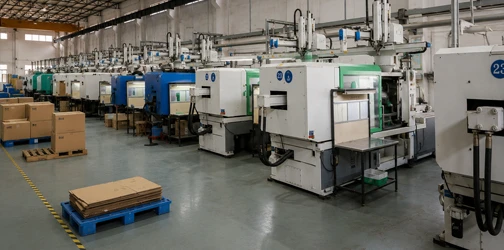
Once the mold and molded parts are validated, the project can move into stable injection molding production.
A typical workflow includes:
DFM → Mold Design → Mold Manufacturing → Mold Assembly → T1 Sampling → Mold Optimization → Tool Validation → Production Injection Molding → Assembly → Mass Production
Keeping mold making and injection molding connected helps carry tooling knowledge directly into process setup and repeat production.
Plastic Mold Making FAQs
What is plastic mold making?
Plastic mold making is the process of designing and manufacturing the tooling used to produce plastic parts through injection molding.
The process typically includes DFM, mold design, material selection, precision machining, EDM, mold assembly, fitting, T1 trials, tooling adjustments, and final validation before production.
What information do you need to quote an injection mold?
A 3D CAD model is normally the primary requirement.
It is also helpful to provide 2D drawings, plastic material, expected annual and lifetime quantities, surface finish, color, critical tolerances, assembly requirements, and other product specifications.
This information helps determine mold structure, cavity quantity, tooling material, and manufacturing complexity.
What mold materials does Maidder use?
Mold material is selected according to production volume, plastic resin, precision requirements, surface finish, and expected mold life.
Production tooling may use steels such as P20, 718, NAK80, S136, or other grades selected according to the application.
What is the difference between single-cavity and multi-cavity molds?
A single-cavity mold produces one part during each molding cycle, while a multi-cavity mold produces multiple identical parts at the same time.
Multi-cavity molds generally require a higher upfront tooling investment but can increase production output and reduce effective molding time per part for higher-volume programs.
The appropriate strategy depends on product demand, part size, mold complexity, and manufacturing economics.
Can Maidder continue from mold making to injection molding production?
Yes. After the mold is manufactured and T1 samples are validated, Maidder can continue with mold optimization, process validation, injection molding, secondary operations, assembly, and mass production.
This provides a continuous manufacturing path from tooling development to repeat plastic part production.
Contact Us
Have a product idea or manufacturing requirement? Our engineering team supports you from product development and rapid prototyping to custom injection molds, injection molding and mass production. Share your CAD files, drawings or project details, and we’ll help define the right solution.