
PS Plastic Material for Cost-Effective Plastic Parts
Polystyrene (PS) is a lightweight and versatile thermoplastic known for its excellent dimensional stability, easy processing, smooth surface finish, and cost efficiency.
Available in different grades including general-purpose polystyrene (GPPS) and high-impact polystyrene (HIPS), PS plastic is widely used for transparent components, consumer products, packaging solutions, and industrial applications.
What Is PS Plastic Material?
PS (Polystyrene) is a widely used thermoplastic polymer made from styrene monomers.
It is valued for its:
- Lightweight structure
- Excellent rigidity
- Good dimensional accuracy
- Smooth surface appearance
- Efficient manufacturing performance
PS plastic can be processed through multiple manufacturing methods, making it suitable for both prototype development and high-volume production.
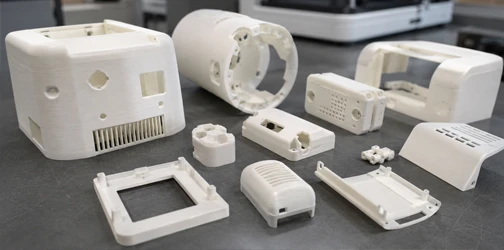
Maidder provides complete PS plastic manufacturing solutions, including CNC machining, injection molding, and prototype development, helping customers select the right material and manufacturing process based on product requirements.
The Two Most Common Ps Material Types Include:
- High transparency
- Excellent rigidity
- Smooth appearance
- Easy processing
- Transparent covers
- Packaging products
- Laboratory containers
- Display components
HIPS is modified with rubber additives to improve toughness and impact resistance.
- Higher impact strength
- Better durability
- Improved mechanical performance
- Consumer products
- Appliance components
- Protective housings
Key Properties of PS Plastic Material
Excellent Dimensional Stability
PS maintains accurate dimensions during manufacturing, making it suitable for components requiring consistent size and assembly performance.
Lightweight and Rigid Structure
Polystyrene provides a good balance between low weight and rigidity, making it suitable for cost-sensitive plastic products.
Smooth Surface Finish
PS naturally provides a clean surface appearance and supports:● Polishing ● Painting ● Printing ● Decorative finishing
Excellent Transparency
GPPS offers high clarity and transparency, making it suitable for visible components and display applications.
Easy Processing Performance
PS has excellent flow characteristics, allowing efficient manufacturing through:● Injection molding ● CNC machining ● Prototype production
Need PS Plastic Parts for Your Next Project?
From prototype validation to mass production, Maidder helps you choose the right PS material and manufacturing process for your application.
Manufacturing Processes for PS Plastic Parts
PS can be manufactured using different processes depending on production requirements.
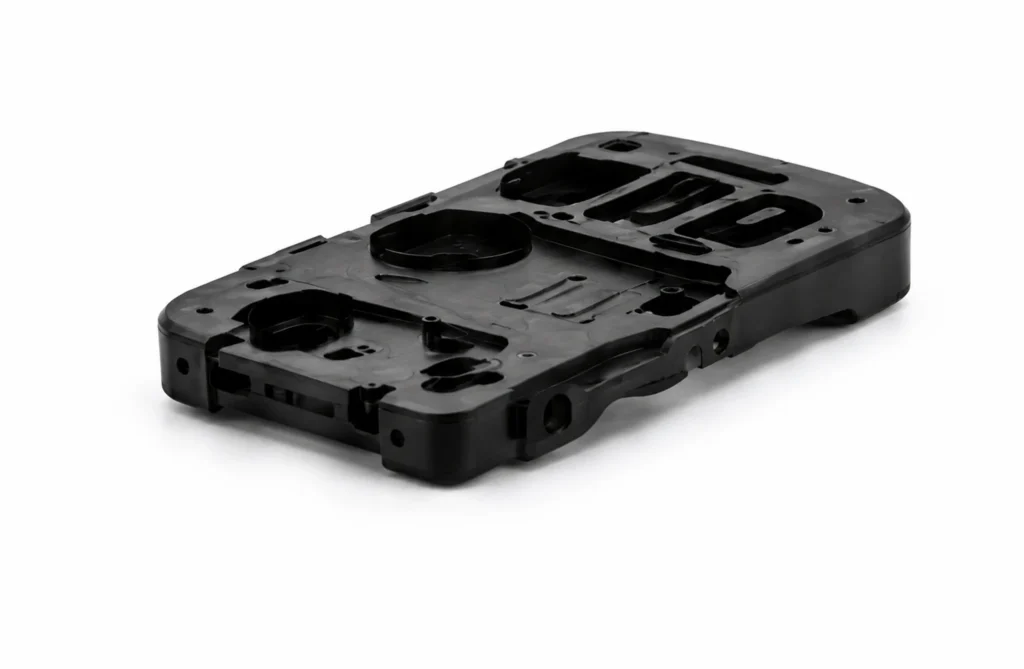
PS CNC Machining
- Functional prototypes
- Low-volume production
- Design verification parts
- Fast production
- No tooling investment
- Accurate dimensions
- Suitable for prototype testing
- Concept models
- Transparent prototypes
- Mechanical validation parts
- Custom plastic components
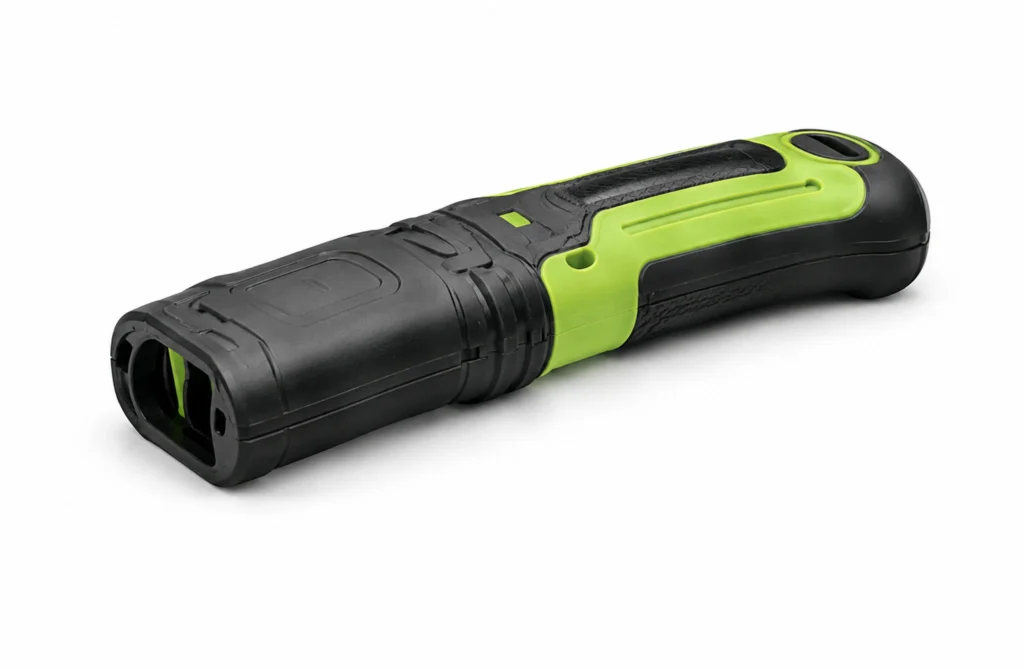
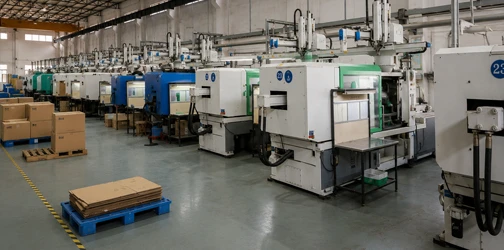
PS Injection Molding
PS injection molding is widely used for producing large quantities of consistent plastic parts.
- High production efficiency
- Excellent repeatability
- Low unit cost for volume production
- Complex part capability
- Packaging components
- Consumer products
- Laboratory products
- Disposable plastic parts
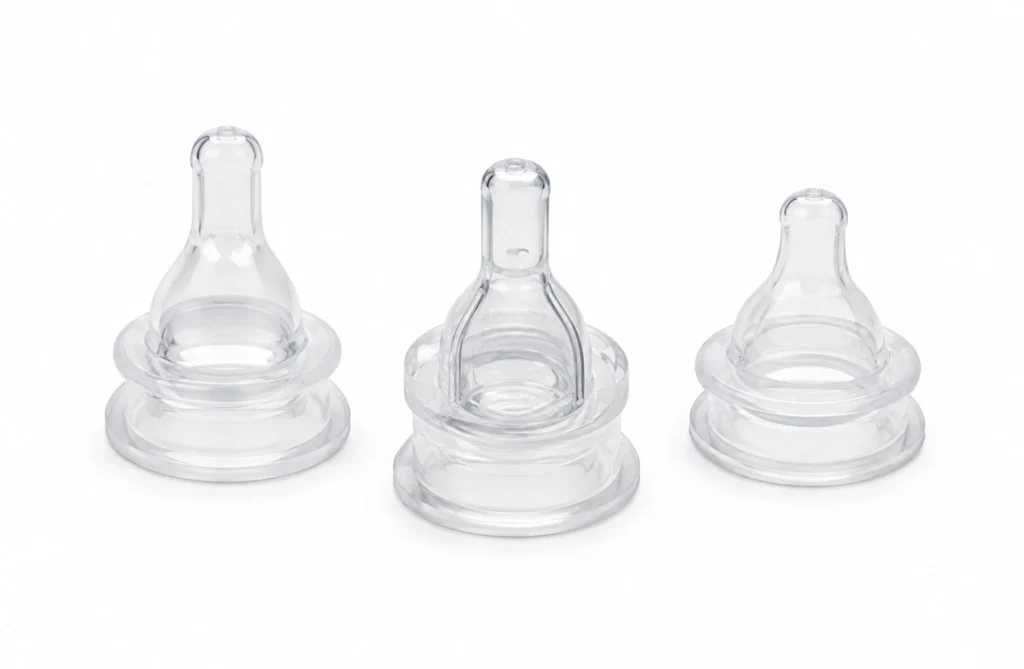
PS Prototype Manufacturing
PS can be selected for prototype development when engineers need to evaluate:
- Product appearance
- Assembly fit
- Basic functionality
- Manufacturing feasibility
Common Applications of PS Plastic
Consumer Products
PS is commonly used for:
- Disposable products
- Household items
- Storage components
- Consumer accessories
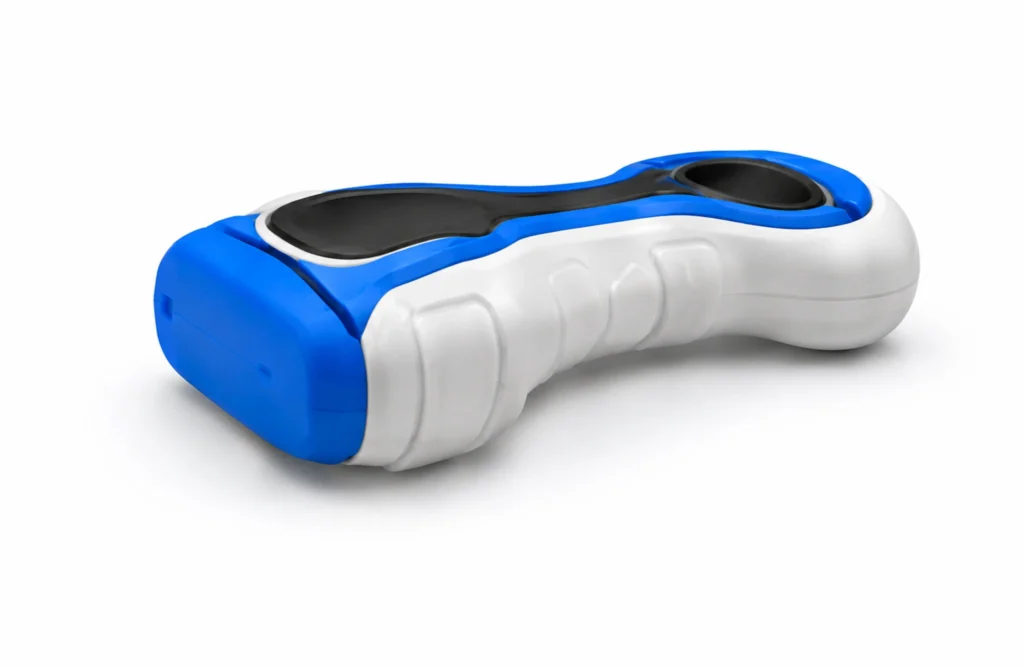
Packaging Applications
PS plastic parts are used for:
- Food containers
- Transparent packaging
- Product trays
- Protective packaging components
Laboratory and Medical Products
Due to its clarity and easy processing, PS is widely used for:
- Laboratory containers
- Test components
- Research products
Electronics and Industrial Components
Applications include:
- Covers
- Housings
- Protective components
- Display parts
PS Plastic Surface Finishing Options
PS supports multiple finishing options for different product requirements.
Polishing
Improves surface smoothness and transparency.
Painting
Provides:
- Custom colors
- Brand appearance
- Decorative effects
Printing
Suitable for:
- Logos
- Product information
- Graphics
Texturing
Adds surface patterns and improves product appearance.
PS Compared With Other Plastic Materials
PS vs ABS
- Lower material cost
- Better transparency
- Easier processing
- Higher toughness
- Better impact resistance
- Better structural performance
PS vs PP
- Higher rigidity
- Better transparency
- More brittle
- Better flexibility
- Better chemical resistance
- Higher durability
PS vs PMMA (Acrylic)
- Lower cost
- Easier processing
- Lower impact resistance
- Better optical clarity
- Higher weather resistance
- Better outdoor performance
FAQs
What is PS plastic material?
PS plastic, also known as polystyrene, is a lightweight thermoplastic known for its rigidity, smooth surface finish, and cost efficiency.
What is the difference between GPPS and HIPS?
GPPS provides higher transparency and rigidity, while HIPS offers improved impact resistance and toughness.
Is PS suitable for injection molding?
Yes. PS has excellent flow characteristics and is widely used for injection molding high-volume plastic parts.
Can PS plastic be CNC machined?
Yes. PS can be CNC machined for prototypes, functional parts, and low-volume production.
What products are made from PS plastic?
PS is commonly used for packaging, laboratory products, consumer items, transparent components, and industrial parts.
Can Maidder manufacture custom PS plastic parts?
Yes. Maidder provides custom PS plastic part manufacturing through CNC machining, injection molding, and prototype development.
Contact Us
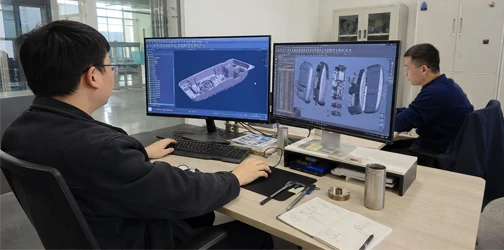
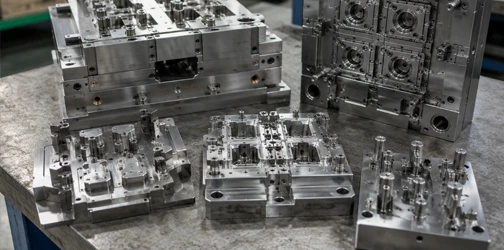
Have a product idea or manufacturing requirement? Our engineering team supports you from product development and rapid prototyping to custom injection molds, injection molding and mass production. Share your CAD files, drawings or project details, and we’ll help define the right solution.