
Design for Manufacturing (DFM) Services for Injection Molding
Maidder provides Design for Manufacturing (DFM) services for plastic products and injection-molded parts. Our engineers review product geometry, materials, tolerances, mold requirements, and manufacturing risks to help move designs from engineering and prototyping into tooling and mass production with fewer unnecessary revisions.
DFM Analysis for Manufacturable Plastic Products
A product that works well in CAD or performs successfully as a prototype is not always ready for injection molding or mass production.
Our DFM analysis reviews how part geometry, wall thickness, draft angles, ribs, bosses, undercuts, parting lines, tolerances, material selection, and assembly requirements may affect moldability and tooling.
By identifying potential issues before tooling begins, we can help reduce unnecessary mold complexity, improve part quality and consistency, simplify assembly, and control manufacturing cost. This creates a smoother transition from product design and prototyping to injection mold development and production.
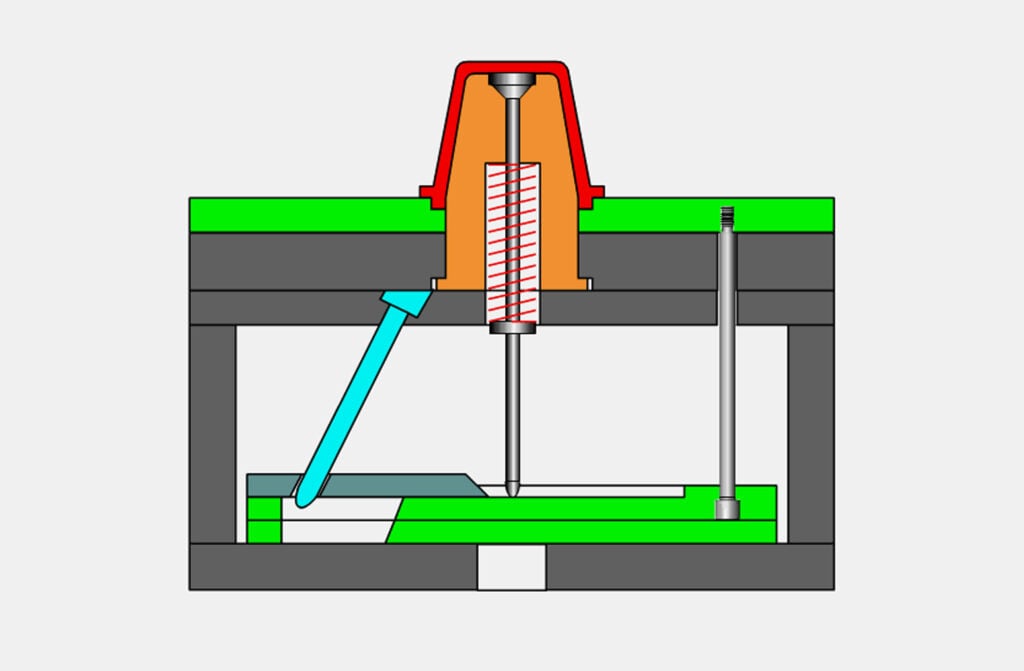
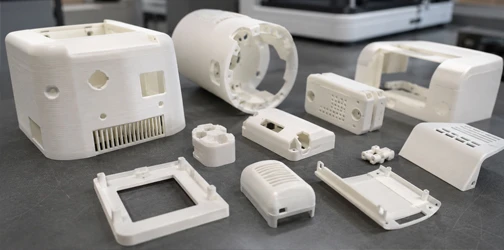
Plastic Part Geometry & Moldability
We review critical plastic part features that affect injection molding, including:
- Wall thickness and transitions
- Draft angles
- Ribs and bosses
- Undercuts
- Snap-fits and fastening features
- Corners and radii
- Parting line considerations
- Gate and ejector requirements
- Cosmetic surfaces
Potential molding risks are identified early so the design can be optimized before tooling.
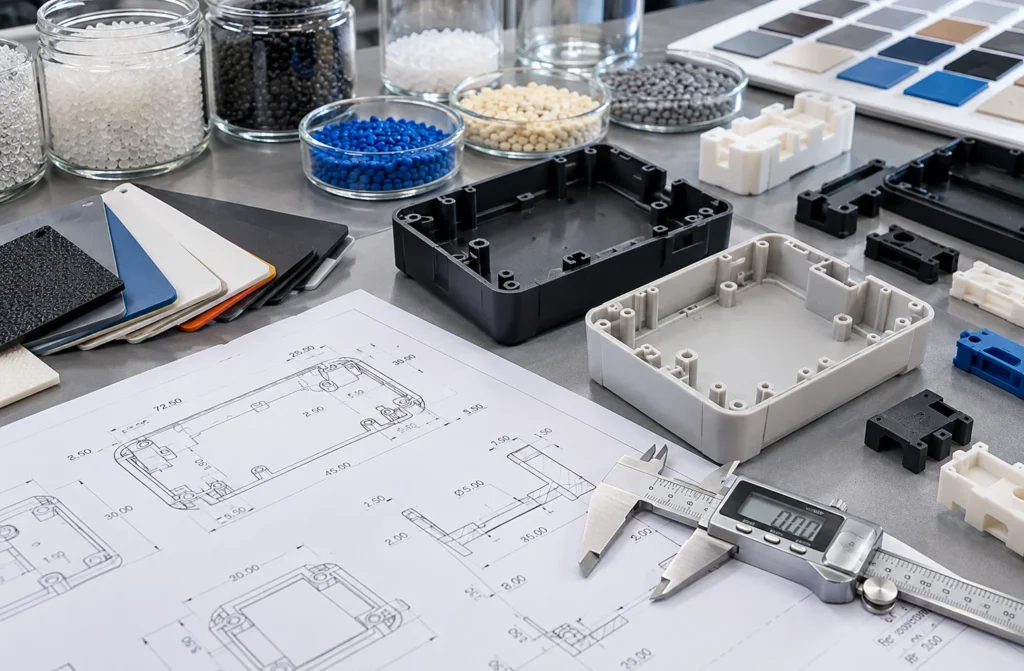
Materials & Tolerances
Material selection and tolerances directly affect moldability, dimensional stability, performance, and cost.
Our engineers review resin requirements, critical dimensions, tolerance stack-ups, shrinkage considerations, mating parts, and functional requirements to determine where tighter specifications are necessary and where they can be simplified.
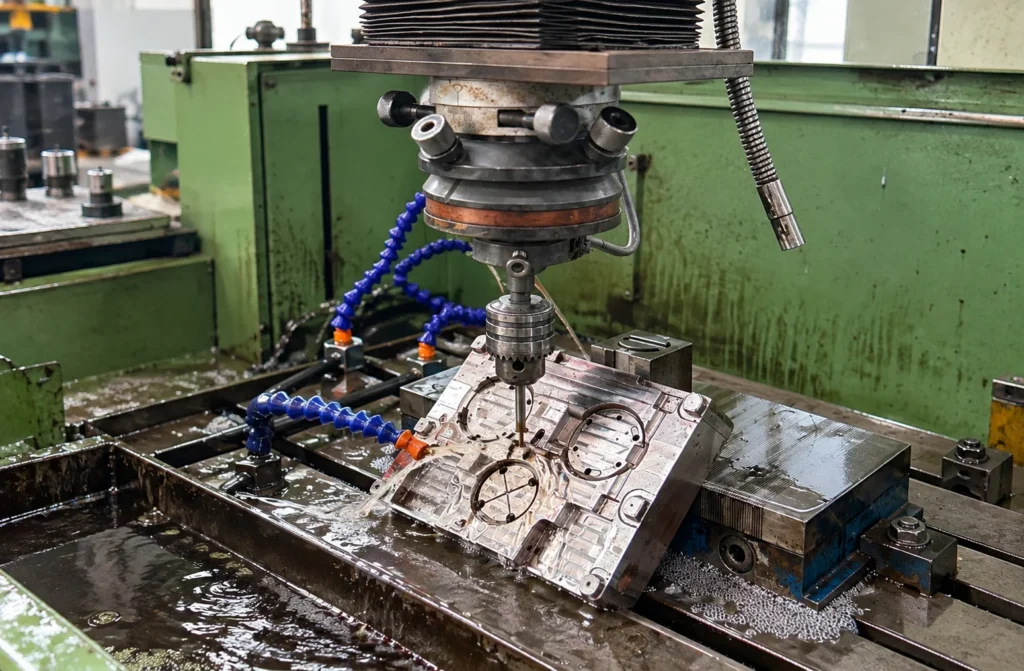
Tooling & Manufacturing Feasibility
Part geometry can significantly influence mold construction and tooling cost.
DFM reviews consider mold direction, core and cavity requirements, side actions, inserts, shut-offs, parting lines, ejection, and other tooling considerations.
Where possible, design changes are recommended to simplify mold construction while maintaining product function and appearance.
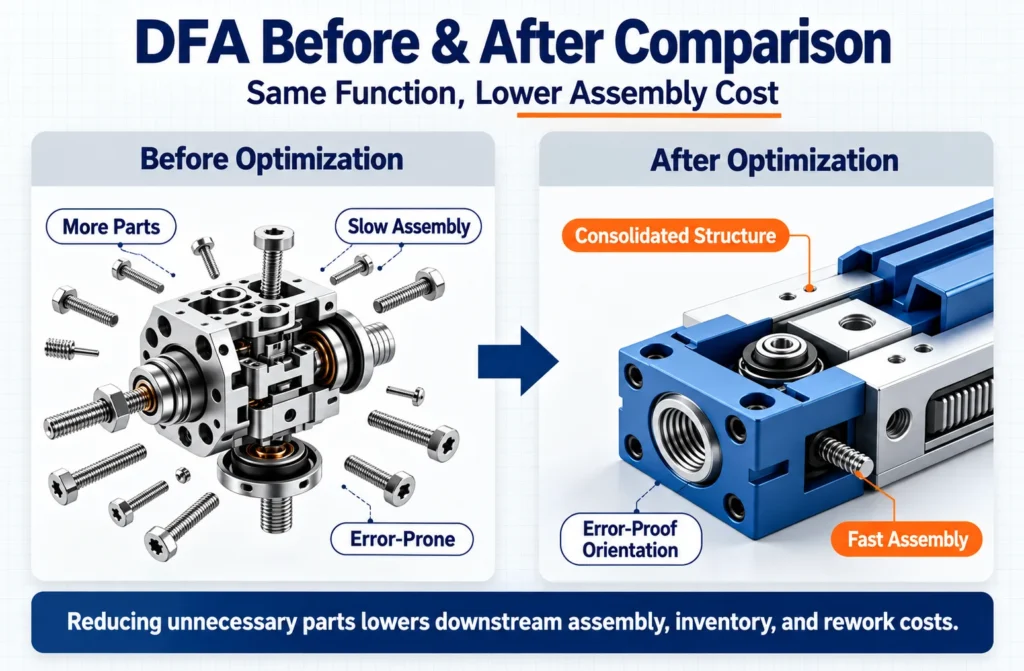
Assembly & Cost Optimization
DFM also considers how molded parts interact with other components during assembly.
We evaluate fastening methods, snap-fits, component access, part count, assembly sequence, and other manufacturing requirements to identify opportunities to simplify production and reduce unnecessary cost.
Our DFM Process
Maidder’s DFM process connects product engineering with mold manufacturing and injection molding, allowing potential issues to be addressed while the design is still flexible.
01
CAD & Design Review
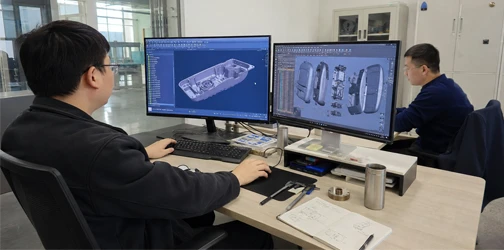
We review 3D CAD files, drawings, materials, tolerances, cosmetic requirements, assembly conditions, and expected production volumes. Critical functional and visual requirements are identified before recommendations are made.
02
Moldability & Manufacturing Analysis
The design is evaluated for injection molding and tooling feasibility. Our engineers review wall thickness, draft, undercuts, ribs, bosses, parting lines, ejection, tolerances, materials, assembly, and other manufacturing factors.
03
DFM Report & Recommendations
Manufacturing risks and recommended design changes are documented in a DFM report. Depending on the project, the report may cover moldability, part geometry, materials, tolerances, parting lines, gates, ejectors, cosmetic surfaces, tooling concerns, and cost reduction opportunities. The design can then be refined and reviewed before tooling approval.
04
Design Approval & Tooling Handoff
Once critical DFM issues are resolved, the design can be finalized for mold development. Approved CAD, drawings, material requirements, critical dimensions, cosmetic specifications, and tooling requirements provide a clearer foundation for mold design, T1 sampling, and production.
Review Your Design Before Investing in Tooling
Maidder can review your design for moldability, materials, tolerances, tooling complexity, assembly, and production cost before mold manufacturing begins.
Our engineering and mold teams work together to identify potential issues early and help prepare your product for reliable injection molding and mass production.
DFM for Injection Molding, Tooling and Production
DFM creates the connection between a finished product design and a manufacturable injection-molded part.
By involving manufacturing engineers before tooling, product geometry and mold requirements can be developed together rather than correcting problems after the mold has already been built.
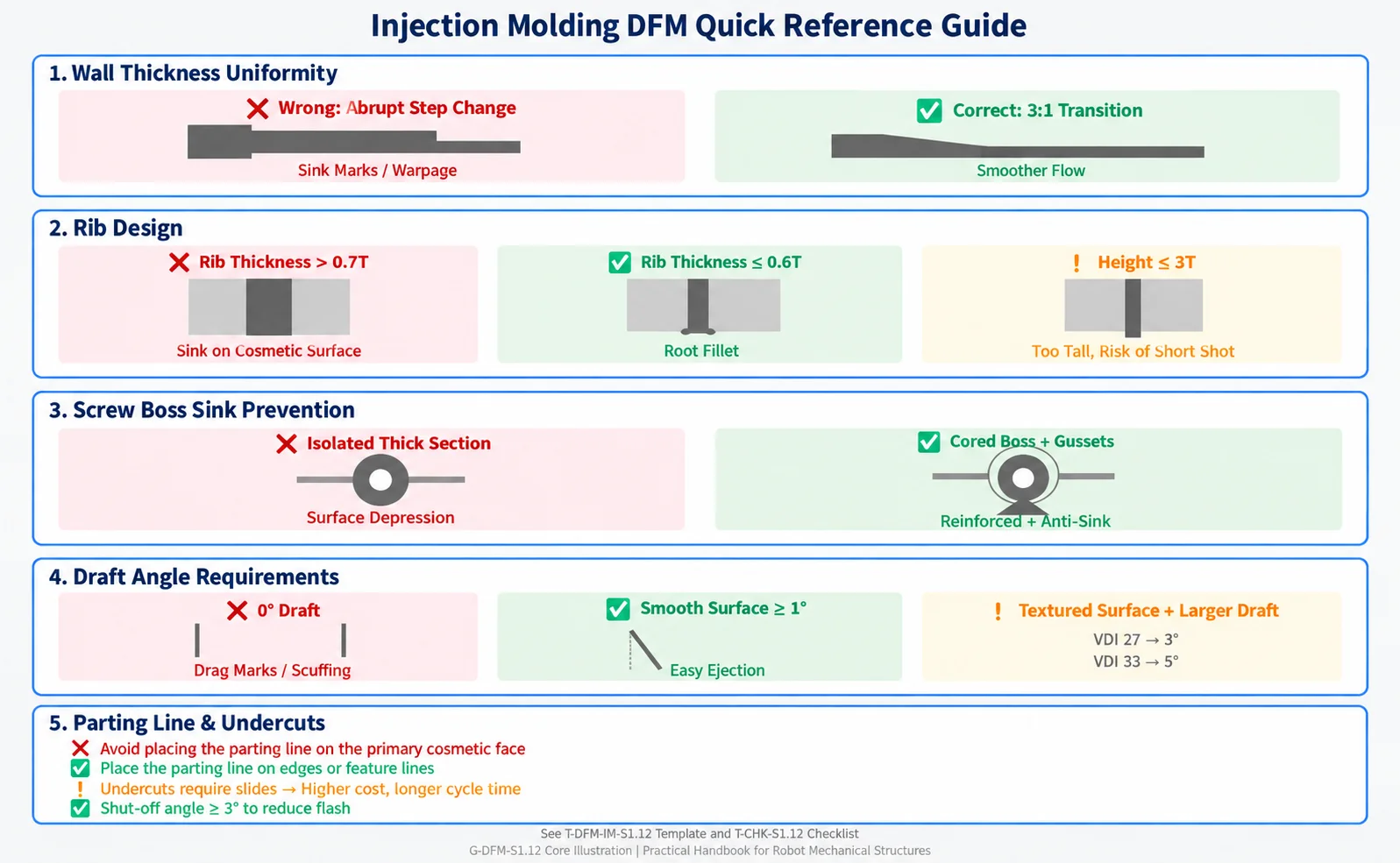
Injection Molding DFM
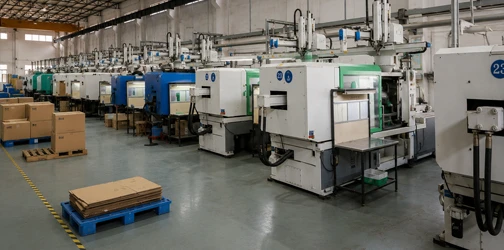
For injection-molded plastic parts, we review design features that directly affect molding quality and consistency.
Key considerations include wall thickness, draft, ribs and bosses, undercuts, parting lines, gates, sink and warpage risks, weld lines, surface finish, and critical tolerances.
The goal is to improve moldability while maintaining product function and appearance.
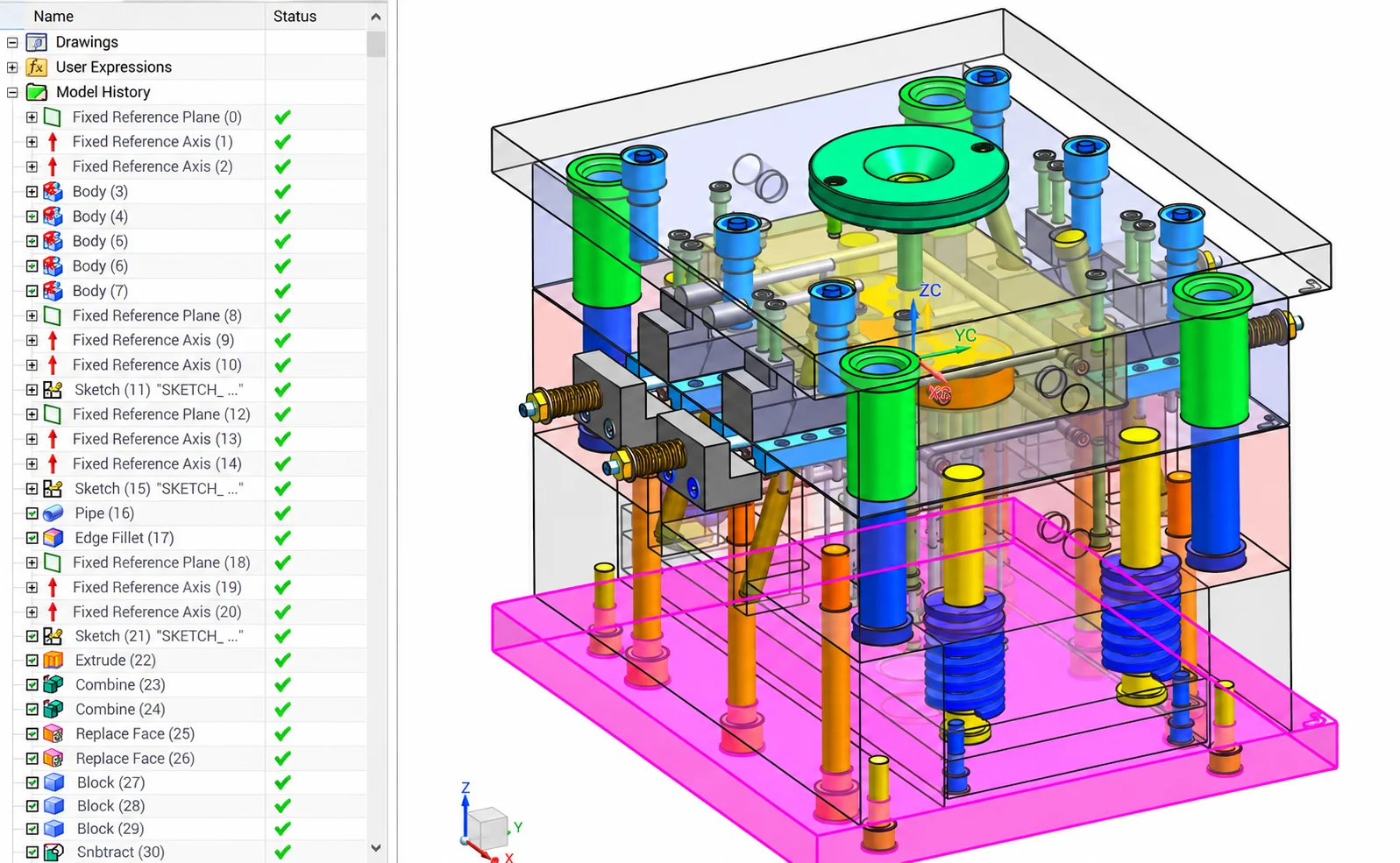
DFM to Mold Design
Once the part design is approved, DFM information can be transferred directly into mold development.
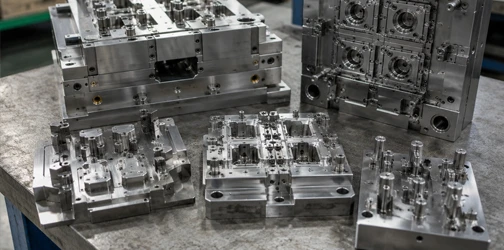
Parting strategy, mold direction, gates, ejectors, sliders, inserts, cosmetic zones, materials, and critical dimensions can be coordinated between product engineers and mold engineers before tooling begins.
This helps reduce avoidable engineering changes during mold manufacturing.
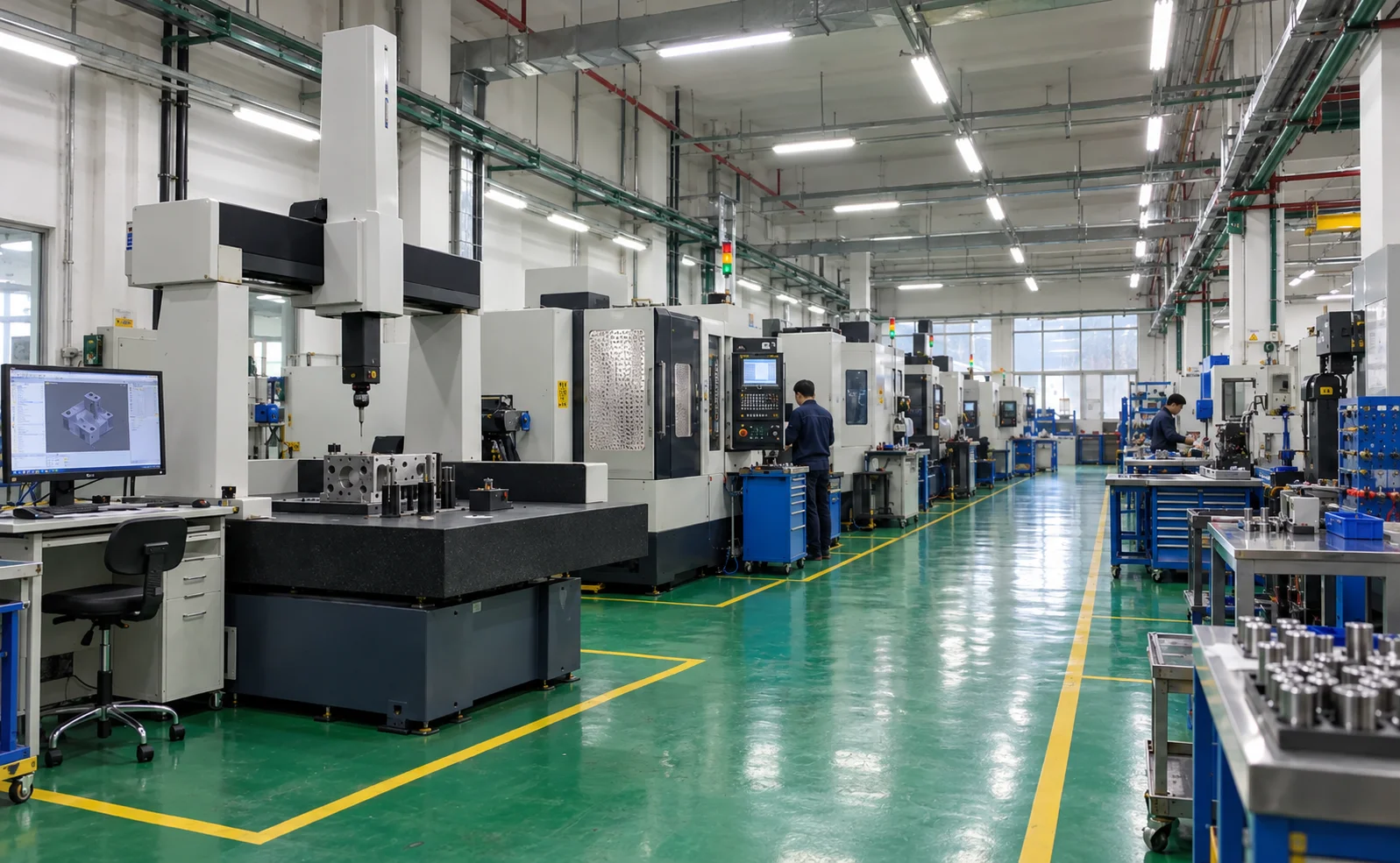
From DFM to Mass Production
Maidder can continue supporting the project after DFM through:
Product Engineering → DFM Review → Design Freeze → Mold Design → Mold Manufacturing → T1 Sampling → Injection Molding → Assembly → Mass Production
Keeping DFM, tooling, and injection molding within a coordinated workflow helps maintain design intent as the product moves into scalable manufacturing.
UI/UX Design Services FAQs
What is Design for Manufacturing (DFM)?
Design for Manufacturing, also called Design for Manufacturability, is the process of reviewing and optimizing a product design so it can be manufactured reliably and efficiently.
For injection-molded products, DFM typically evaluates part geometry, wall thickness, draft, ribs, bosses, undercuts, materials, tolerances, parting lines, gates, ejection, tooling requirements, and assembly.
Why is DFM important before injection molding?
Injection molds require significant tooling investment, so design problems identified after mold manufacturing begins can lead to additional modifications, delays, and cost.
A DFM review helps identify moldability and tooling issues while the CAD design is still relatively easy to change.
What is included in an injection molding DFM report?
A DFM report may include analysis of wall thickness, draft angles, undercuts, ribs, bosses, parting lines, gates, ejector locations, materials, tolerances, cosmetic requirements, tooling complexity, and other potential manufacturing risks.
The exact content depends on the part design and project requirements.
Can Maidder perform DFM on an existing CAD design?
Yes. You can provide existing 3D CAD files, 2D drawings, material requirements, prototypes, or other product documentation.
Our engineers can review the design for injection molding and identify areas that may require optimization before tooling.
Can Maidder continue from DFM to mold making and injection molding?
Yes. After the DFM review and design approval, Maidder can continue with mold design, mold manufacturing, T1 sampling, design optimization, injection molding, secondary operations, assembly, and mass production.
This provides a continuous path from product design review to production.
Contact Us
Have a product idea or manufacturing requirement? Our engineering team supports you from product development and rapid prototyping to custom injection molds, injection molding and mass production. Share your CAD files, drawings or project details, and we’ll help define the right solution.