
On-Demand Manufacturing Services for Flexible Production
Manufacture the parts you need, when you need them, without committing to unnecessary inventory.
Whether you need a small batch today or expect production volumes to grow over time, Maidder helps you select a manufacturing strategy that balances quantity, cost, tooling, quality, and future scalability.
Why Use On-Demand Manufacturing?
Traditional manufacturing relies on demand forecasts and large upfront orders, risking excess inventory, storage costs, obsolete products, or shortages.
On-demand manufacturing offers greater flexibility by producing parts according to current project and market needs.
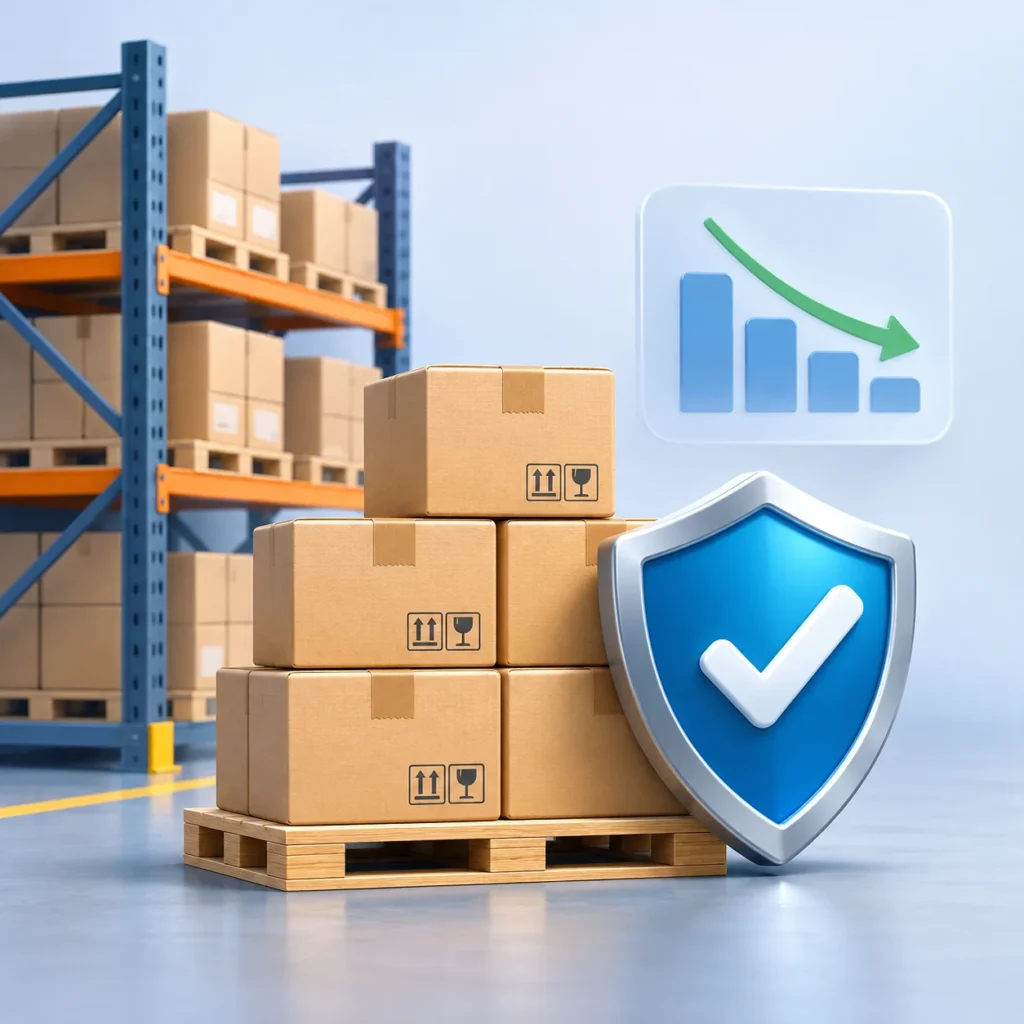
Reduce Inventory Risk
Producing smaller batches based on actual demand helps reduce excess inventory, warehousing costs, obsolete parts, tied-up capital, and risks from design changes.
This approach suits new or specialized products, replacement components, and unpredictable demand.
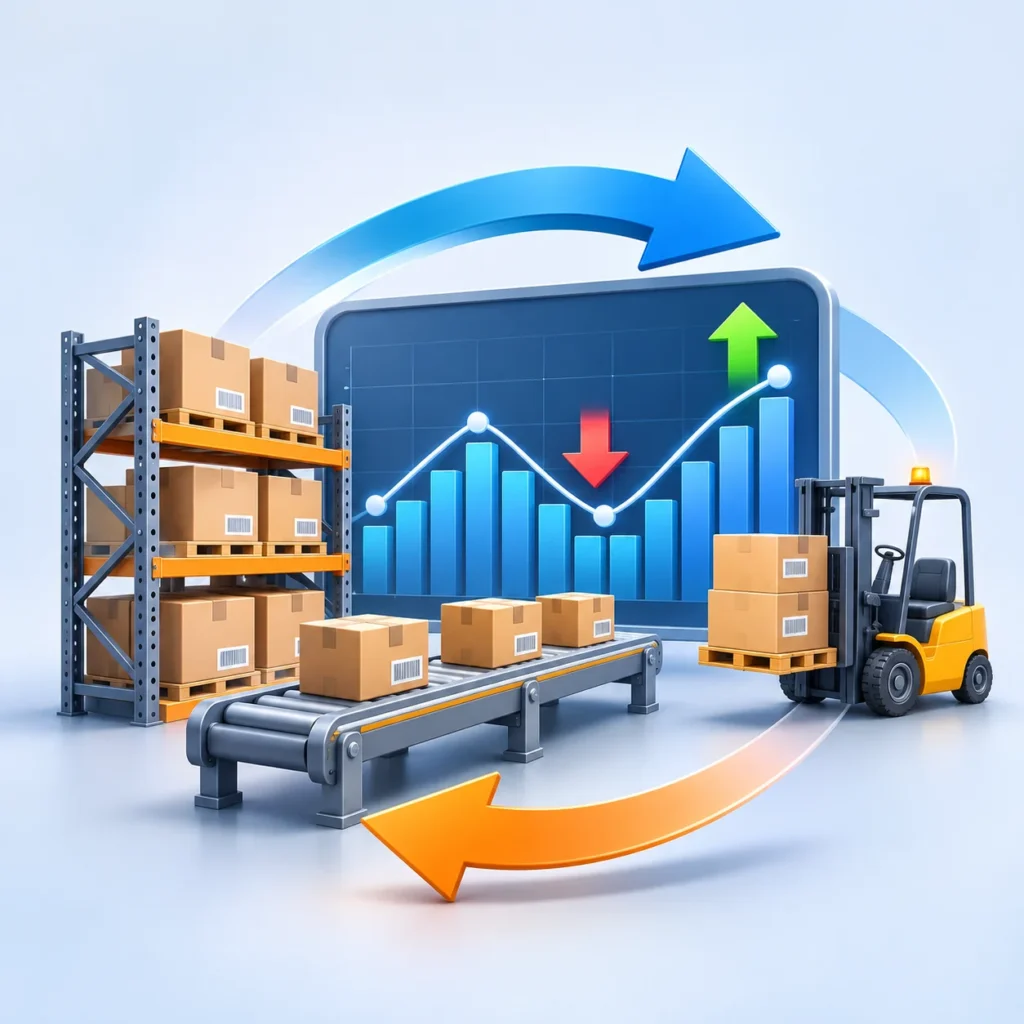
Respond to Changing Demand
On-demand production allows manufacturing quantities and schedules to adapt to changing product demand.
It supports product launches, seasonal demand, market growth, supply disruptions, and unexpected production needs.
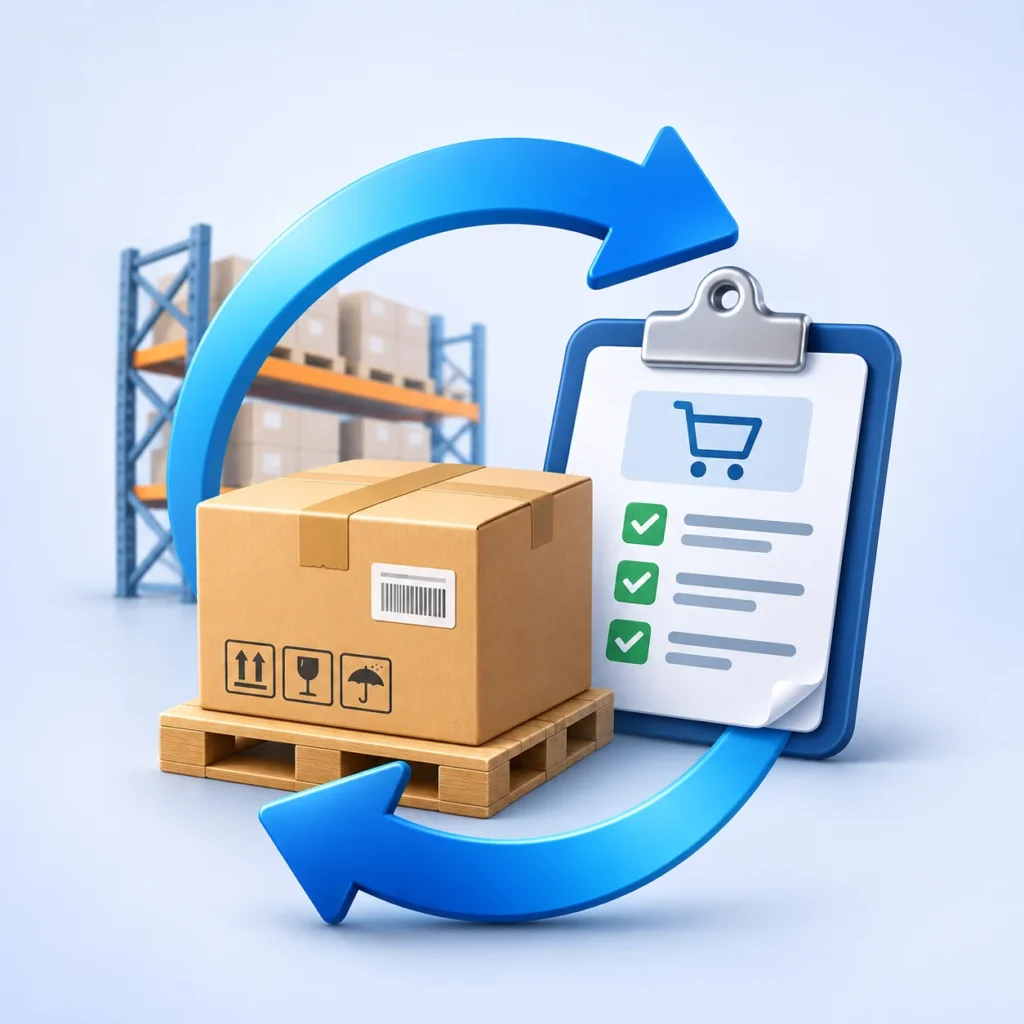
Support Repeat Orders
Once the product and manufacturing process are validated, repeat production can be scheduled according to inventory and customer demand.
Existing CAD, manufacturing specifications, tooling, materials, and quality requirements can be reused for future production runs.
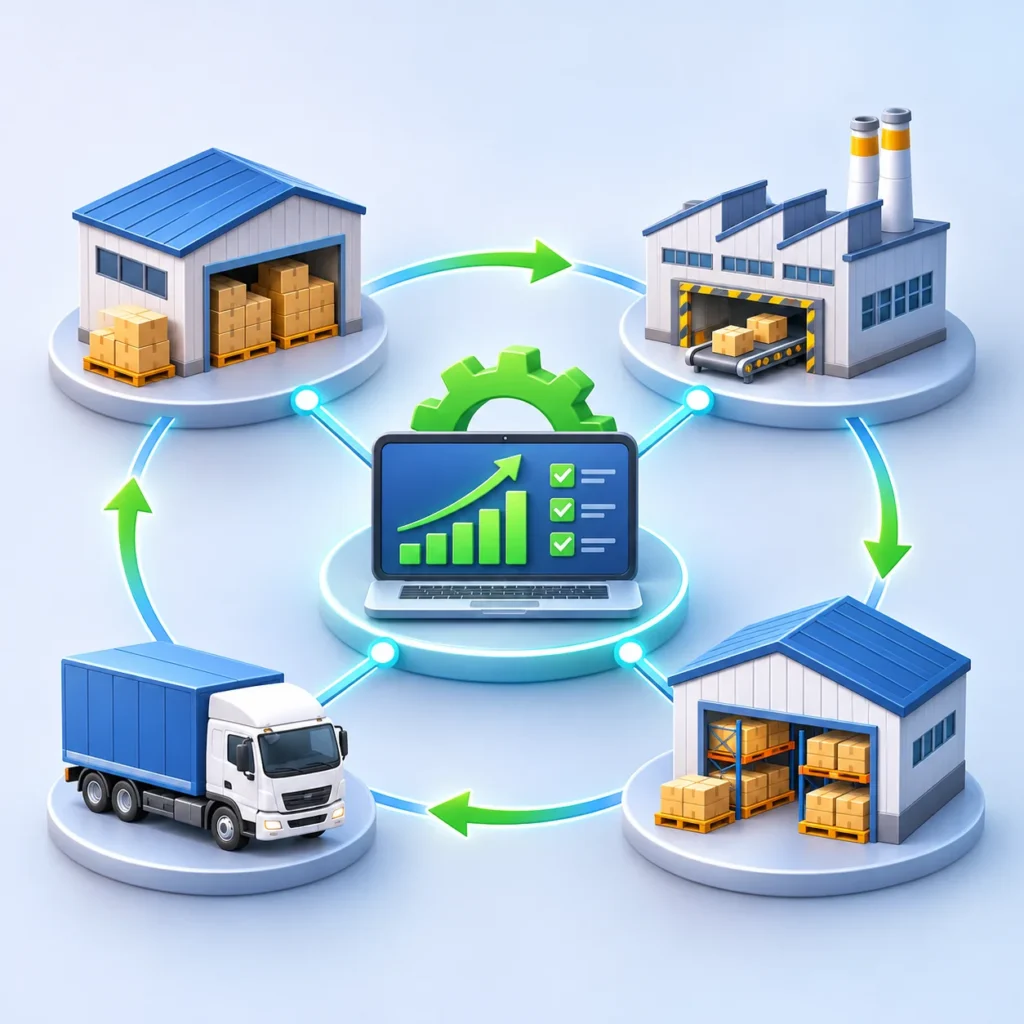
Improve Supply Chain Flexibility
On-demand manufacturing can provide an additional production option when existing suppliers have capacity, lead-time, or supply-chain constraints.
It can also support bridge production while longer-term tooling or manufacturing capacity is being prepared.
On-Demand Manufacturing Options
Different parts and quantities require different manufacturing processes.
Maidder helps select the appropriate process based on product design, material, quantity, tolerances, surface requirements, tooling investment, and future production plans.
01
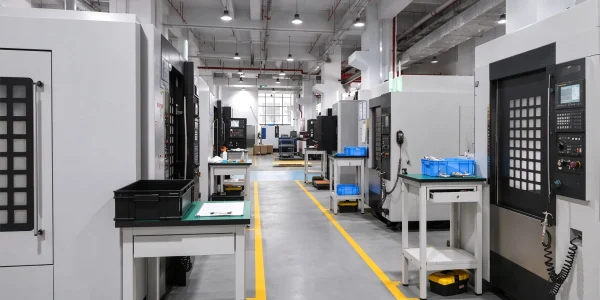
CNC Machining
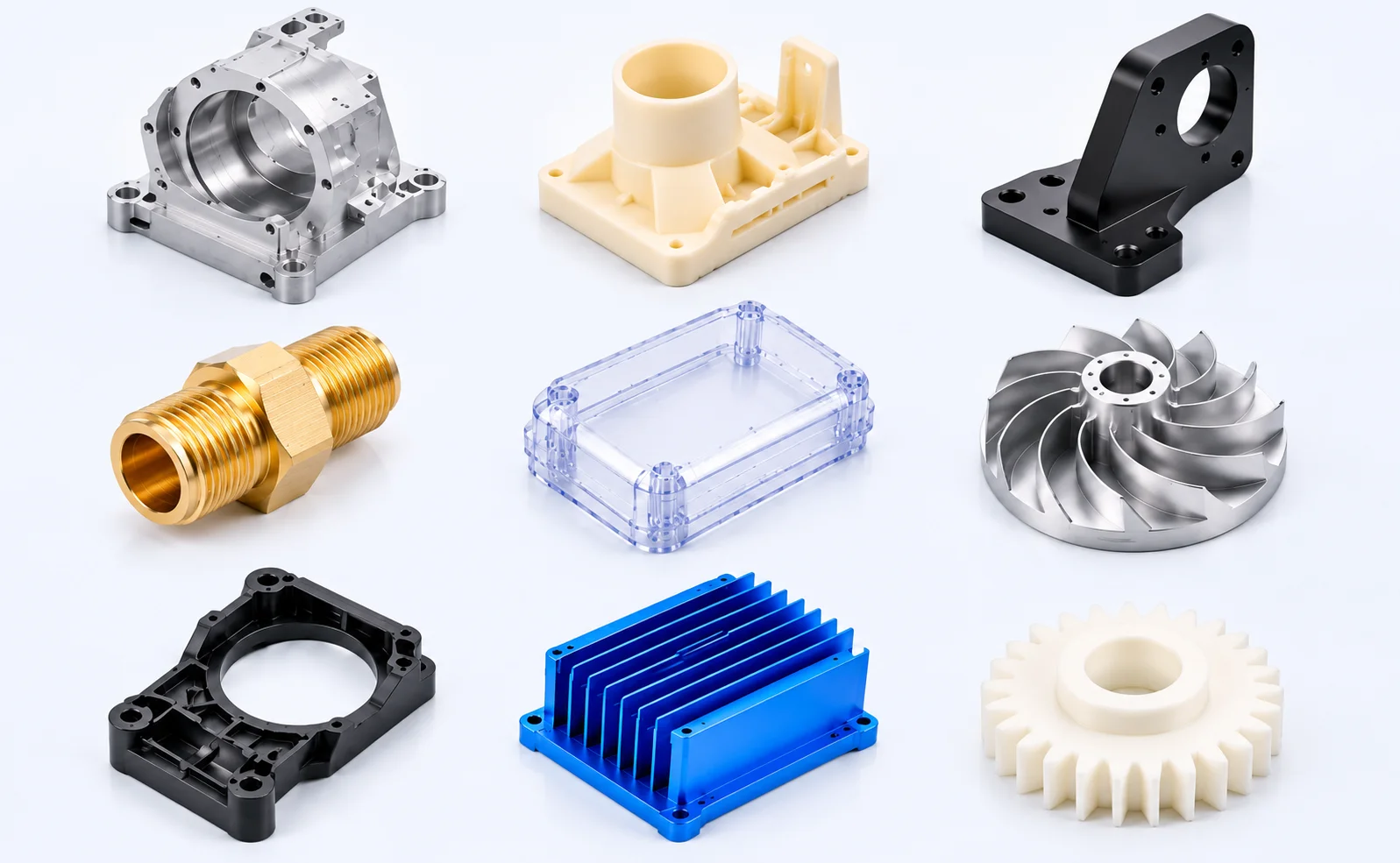
CNC machining is suitable for on-demand plastic and metal parts when production-grade materials, dimensional accuracy, or relatively small quantities are required.
Applications can include:
- Custom components
- Replacement parts
- Engineering parts
- Low-volume production
- Fixtures
- Specialized products
Because dedicated production tooling is generally not required, CNC machining provides flexibility when quantities change between orders.
02
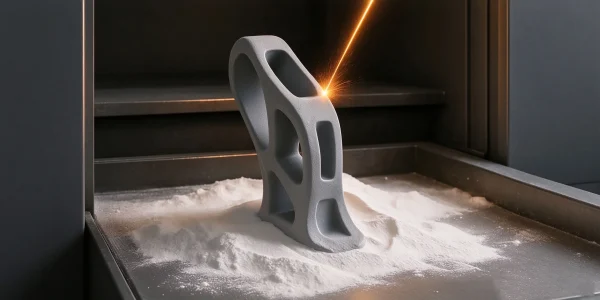
3D Printing
3D printing can support rapid on-demand production for complex geometries, customized parts, engineering components, and smaller production quantities.
SLA, SLS, and FDM can be selected according to appearance, mechanical performance, geometry, material, and quantity requirements.
03
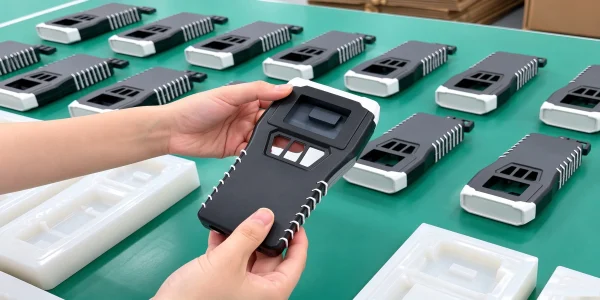
Urethane Casting
Urethane casting can produce small batches of high-quality plastic-like parts using silicone molds.
It is useful for products requiring consistent appearance, colors, flexible or rigid materials, customer samples, market launches, or limited production.
04
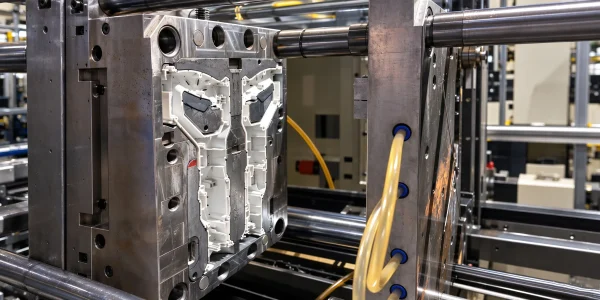
Injection Molding
For repeat production of plastic parts, injection molding can provide lower unit costs as quantities increase.
Depending on expected demand, tooling strategies can support:
- Low-volume production
- Bridge manufacturing
- Repeat batch production
- Scalable mass production
As product demand grows, tooling and production strategies can be adjusted to improve manufacturing efficiency.
Need Flexible Production Without Building Excess Inventory?
Maidder can review your CAD files, materials, quantities, production frequency, quality requirements, and future forecasts to determine an appropriate on-demand manufacturing approach.
From CNC machining and low-volume manufacturing to injection molding, finishing, assembly, and scalable production, our teams can support your product as demand changes.
Our On-Demand Manufacturing Process
A successful on-demand manufacturing program requires more than simply producing small batches.
Product data, manufacturing requirements, quality standards, and repeat-order information need to remain consistent from one production run to the next.
01
CAD & Production Review
Send your:
- 3D CAD files
- 2D drawings
- Materials
- Expected quantities
- Tolerances
- Surface requirements
- Assembly requirements
- Production forecasts
Our team reviews the project and determines the appropriate manufacturing approach.
02
Process & Cost Evaluation
The manufacturing process is selected based on current quantities and future production expectations.
We consider factors such as tooling investment, material cost, unit cost, lead time, design stability, and potential scale-up.
03
DFM & Production Preparation
The design is reviewed for the selected manufacturing process.
Depending on the project, this may include CNC manufacturability review, injection molding DFM, prototype validation, tooling preparation, or production documentation.
04
Production & Quality Control
Parts are manufactured according to approved specifications.
Inspection requirements can be defined according to critical dimensions, appearance, fit, assembly, and other product requirements.
05
Repeat Orders & Scale-Up
After manufacturing requirements are established, additional production runs can be scheduled according to demand.
As quantities increase, the manufacturing strategy can be reviewed to determine whether different tooling, cavity counts, production processes, or automation can reduce long-term cost.
On-Demand Manufacturing Across the Product Lifecycle
On-demand manufacturing can support more than one stage of a product.
The appropriate manufacturing strategy can evolve as the product moves from launch through growth and eventually into mature or replacement-part demand.
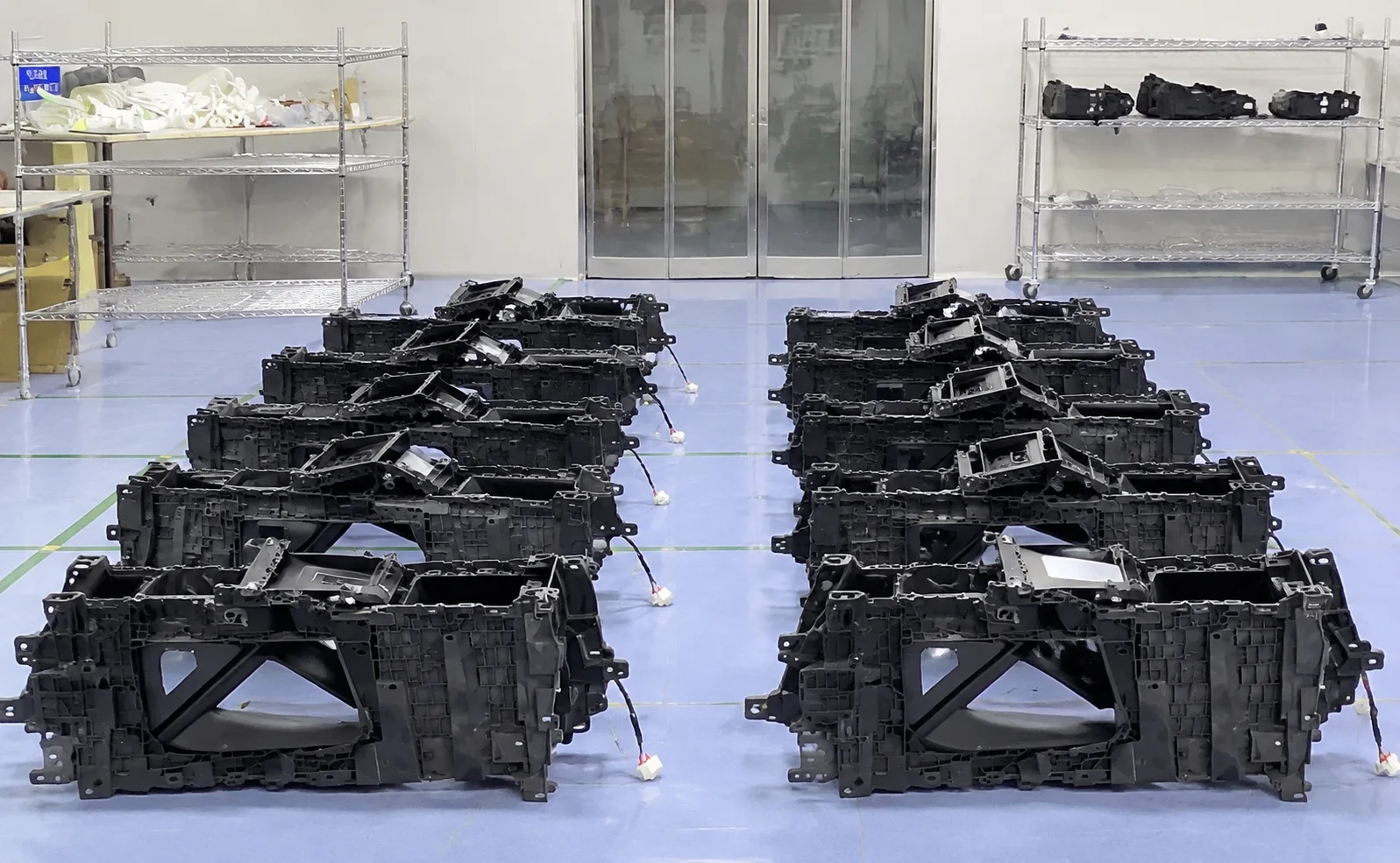
New Product Launches
Early market demand is often difficult to predict.
Producing smaller batches allows companies to launch products, gather customer feedback, and evaluate demand before building large inventories.
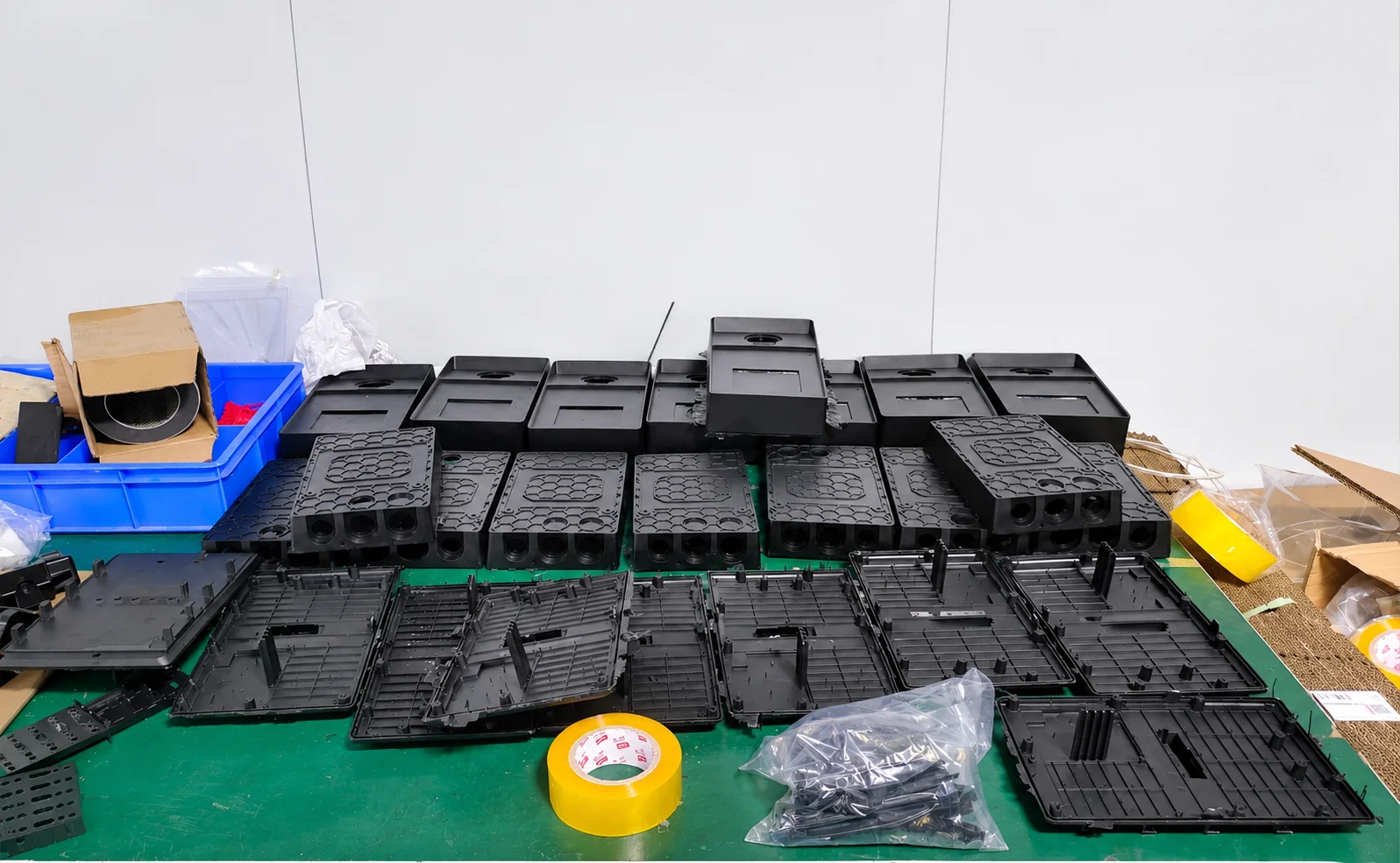
Bridge Production
On-demand manufacturing can provide production parts while long-term tooling, additional capacity, or another manufacturing solution is being prepared.
This helps reduce gaps between product validation and full-scale production.
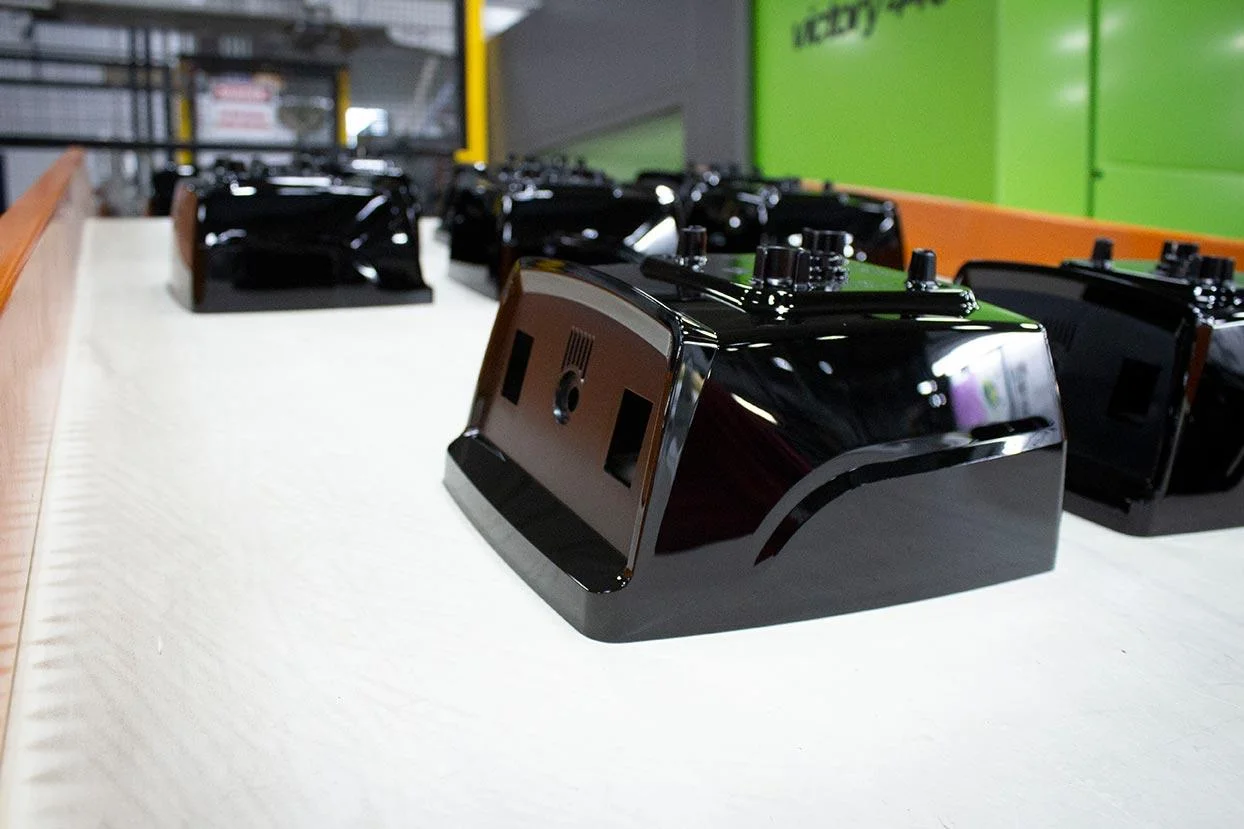
Demand-Based Production
Established products may not require continuous high-volume manufacturing.
Repeat batches can be scheduled according to actual sales, stock levels, customer orders, or project requirements.
Replacement & Legacy Parts
Products that are no longer manufactured continuously may still require replacement or service parts.
Digital CAD data and flexible manufacturing processes can make smaller repeat production runs more practical than maintaining large inventories over long periods.
Scaling Toward Mass Production
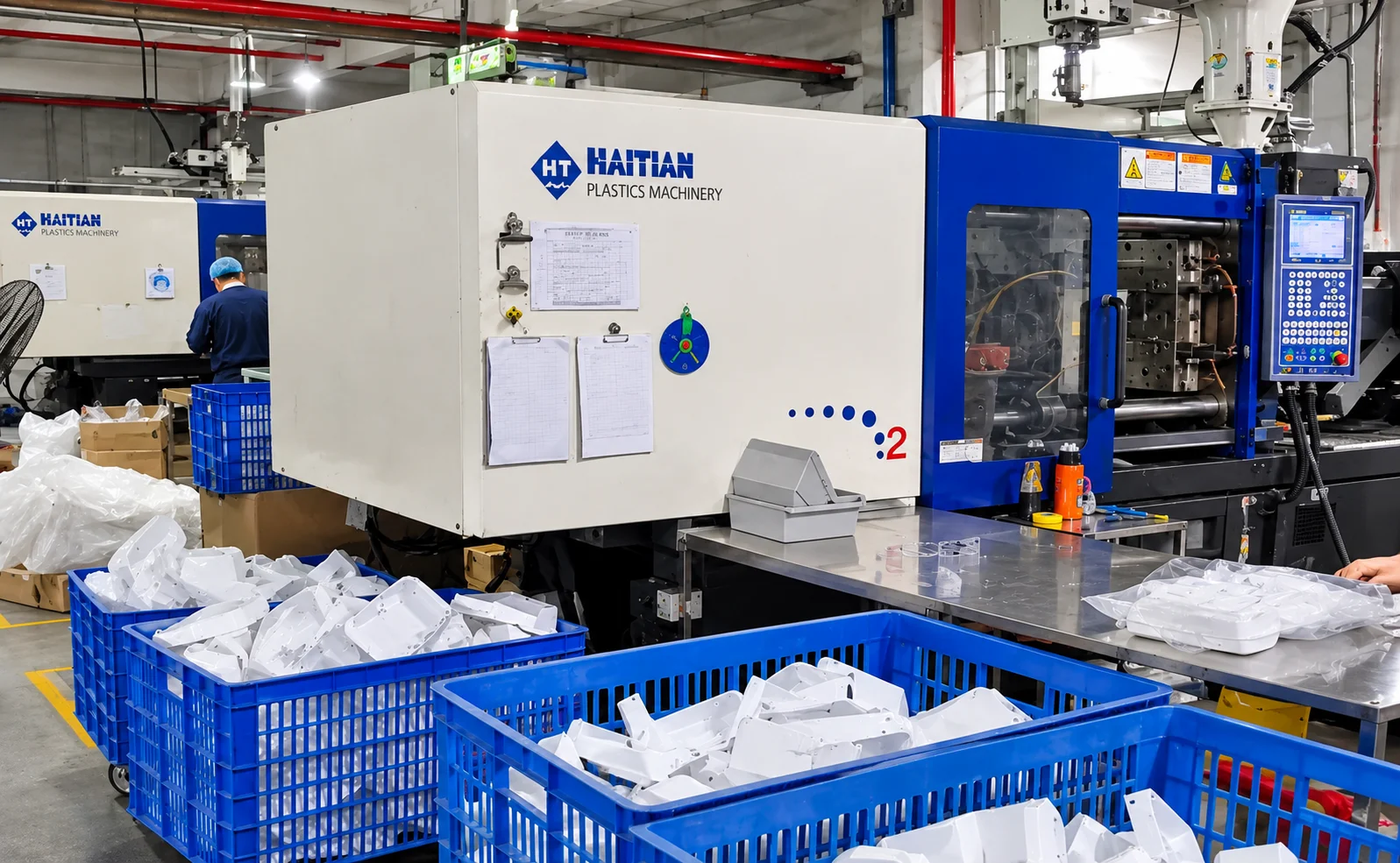
On-demand manufacturing does not have to remain low volume.
As demand increases, the production strategy can evolve toward higher-volume tooling and more efficient manufacturing.
A typical Maidder workflow may include:
Prototype Validation → On-Demand Production → Market Validation → Repeat Production → Production Optimization → Mass Production
On-Demand Manufacturing FAQs
What is on-demand manufacturing?
On-demand manufacturing is a production strategy where parts are manufactured according to actual requirements rather than producing large inventories in advance.
It can be used for small batches, repeat production, bridge manufacturing, replacement parts, product launches, and changing market demand.
The manufacturing process may include CNC machining, 3D printing, urethane casting, injection molding, or other processes depending on the product.
What is the difference between on-demand manufacturing and low-volume manufacturing?
Low-volume manufacturing describes the quantity or scale of production and typically focuses on producing relatively small batches.
On-demand manufacturing describes the production strategy. Parts are manufactured when required based on demand, inventory levels, customer orders, or supply-chain needs.
An on-demand order may be low volume, but the manufacturing strategy can also evolve toward larger repeat quantities as demand increases.
What manufacturing processes can be used for on-demand production?
The appropriate process depends on the material, geometry, quantity, tolerances, surface requirements, and economics of the project.
Possible processes include CNC machining, 3D printing, urethane casting, rapid tooling, and injection molding.
Different processes may also be used as product demand changes over time.
How can on-demand manufacturing reduce inventory?
Instead of producing a large quantity based on a long-term forecast, parts can be manufactured in smaller batches according to actual requirements.
This can reduce excess stock, storage requirements, inventory obsolescence, and capital tied up in products that have not yet been sold.
Can on-demand manufacturing support repeat production?
Yes. Once manufacturing specifications, materials, tooling, quality requirements, and production conditions are established, additional batches can be produced according to future demand.
For injection-molded products, existing tooling can also support repeat production runs where appropriate.
Can Maidder scale an on-demand project to mass production?
Yes. As demand grows, Maidder can review the manufacturing strategy and transition the project toward production tooling, multi-cavity molds, injection molding, assembly, and mass production where appropriate.
This allows production capacity and manufacturing investment to evolve with actual product demand.
Contact Us
Have a product idea or manufacturing requirement? Our engineering team supports you from product development and rapid prototyping to custom injection molds, injection molding and mass production. Share your CAD files, drawings or project details, and we’ll help define the right solution.