
Flexible Thermoplastic Materials - TPE / TPU Material
TPE is a broad family of elastomeric materials available across a wide range of softness and flexibility, while TPU is a specific type of TPE known for its excellent abrasion resistance, toughness, tear strength, and durability.
These materials are widely used for soft-touch grips, seals, gaskets, protective covers, flexible housings, wheels, footwear components, and overmolded products.
TPE and TPU: Understanding the Difference
TPE (Thermoplastic Elastomer) and TPU (Thermoplastic Polyurethane) are flexible thermoplastic materials that combine rubber-like elasticity with the processing advantages of thermoplastics. TPE and TPU are often discussed together, but they are not exactly the same material.
- TPE is an umbrella term covering a broad family of thermoplastic elastomers.
- TPU is Thermoplastic Polyurethane, one specific type within the broader TPE family.
A simple way to understand them is:
- TPE → Material family
- TPU → A specific thermoplastic elastomer within the TPE family
Both provide flexibility and elasticity, but their performance characteristics can differ significantly.
Maidder supports custom TPE and TPU parts through injection molding, overmolding, and 3D printing, helping customers select the appropriate material, hardness, and manufacturing process for each application.
TPE vs TPU: Which Should You Choose?
Choose TPE When You Need:
- Softer material options
- Rubber-like flexibility
- Soft-touch surfaces
- Comfortable grips
- Flexible seals
- Cost-effective overmolding
Choose TPU When You Need:
- Higher abrasion resistance
- Better tear strength
- Greater toughness
- Durable flexible parts
- Wheels or rollers
- Functional 3D printed prototypes
Need the Right Flexible Material for Your Product?
Whether you need a soft-touch TPE overmold, wear-resistant TPU component, flexible 3D printed prototype, or production injection molded part, Maidder can help evaluate the right material, hardness, and manufacturing process.
TPE / TPU Manufacturing Options
Flexible thermoplastics require a different manufacturing strategy from rigid engineering plastics.For most custom TPE and TPU projects, Maidder recommends three primary processes:
- Injection Molding → production parts
- Overmolding → rigid + soft integrated components
- 3D Printing → flexible prototypes and low-volume parts
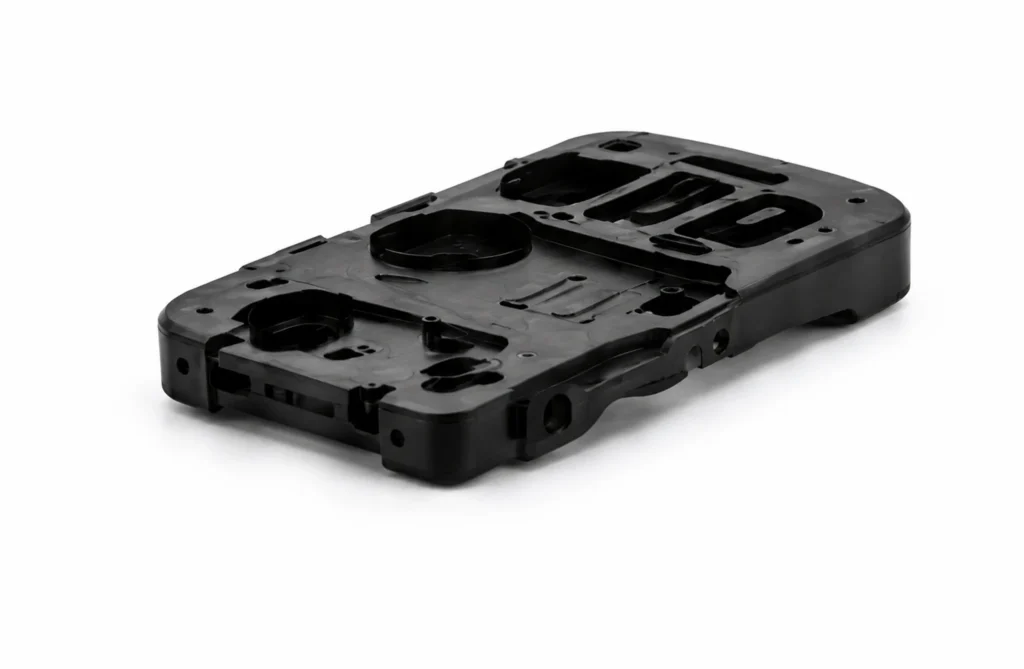
TPE Injection Molding
TPE injection molding is suitable for producing flexible and rubber-like components at medium to high volumes.
- Flexible seals
- Gaskets
- Grips
- Buttons
- Protective covers
- Flexible housings
- Consumer products
- Automotive components
- Rubber-like flexibility
- Wide hardness options
- Complex molded geometries
- High production efficiency
- Good repeatability
- Custom color options
- Suitable for high-volume manufacturing
Unlike conventional thermoset rubber, thermoplastic elastomers can be processed using thermoplastic molding techniques, providing efficient manufacturing for suitable applications.
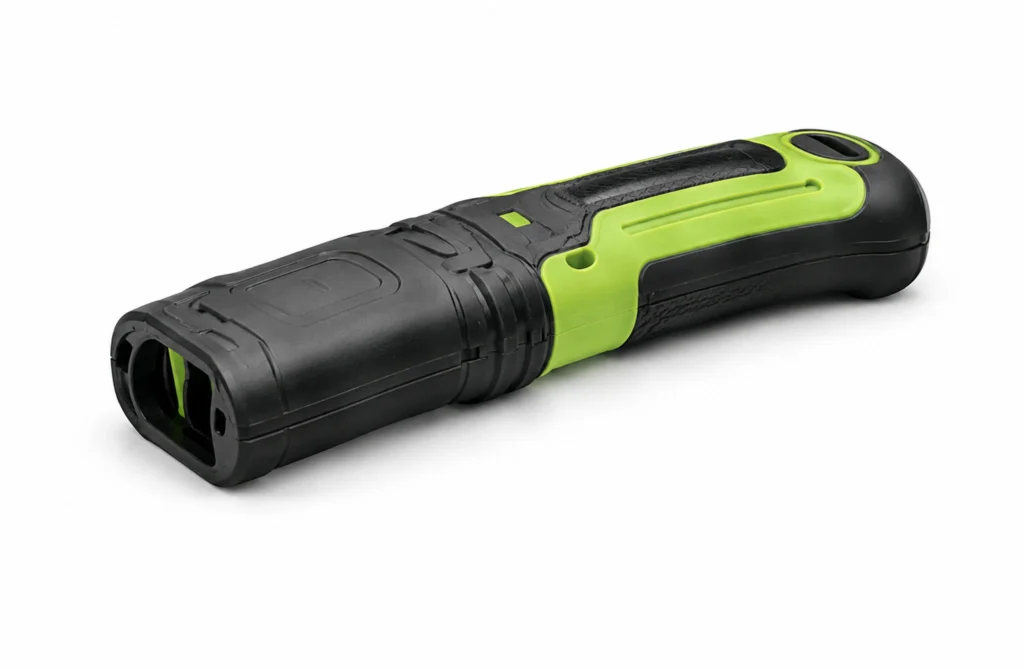
TPU Injection Molding
TPU injection molding is particularly useful for flexible parts requiring higher wear resistance, toughness, and mechanical durability.
- Wheels
- Rollers
- Flexible gears
- Protective covers
- Gaskets
- Tubing components
- Footwear components
- Industrial flexible parts
- Excellent abrasion resistance
- High tear strength
- Good elasticity
- Strong impact performance
- Excellent durability
- Wide hardness options
TPU molding requires appropriate material drying, temperature control, mold design, and processing conditions to achieve consistent part quality.
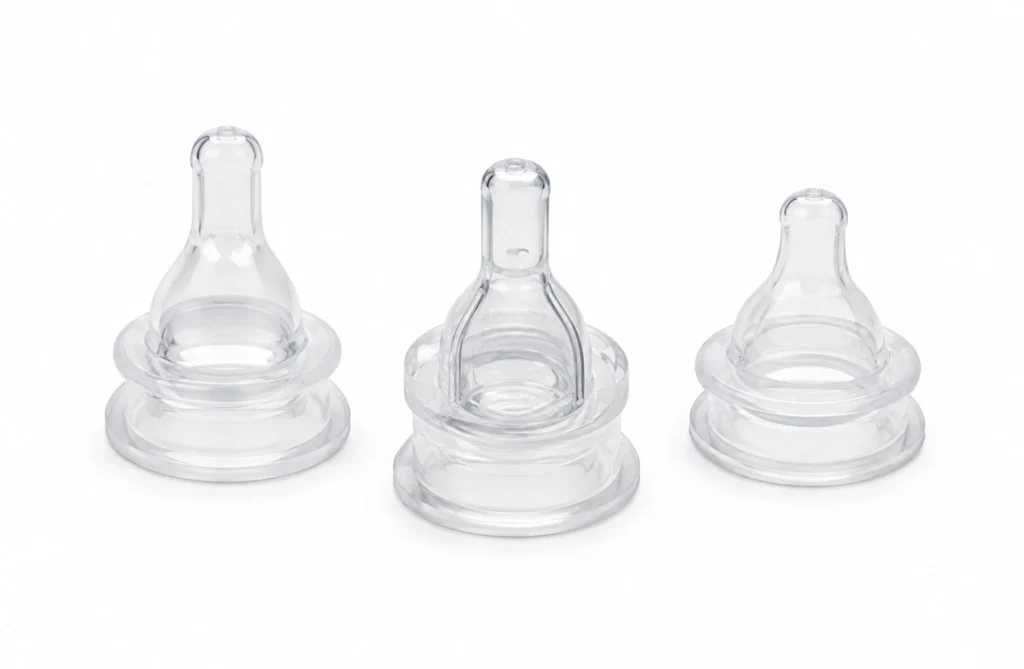
TPU 3D Printing
TPU is one of the most useful flexible materials for functional 3D printing.It allows engineers to manufacture rubber-like prototypes without investing in injection molding tooling.
- Flexible prototypes
- Protective covers
- Bellows
- Grips
- Seals
- Flexible housings
- Footwear prototypes
- Functional testing parts
- Low-volume components
- No tooling required
- Flexible functional parts
- Complex geometries
- Fast design iteration
- Good durability
- Suitable for functional testing
TPE / TPU Overmolding
Overmolding is one of the most valuable manufacturing processes for TPE and TPU. A flexible elastomer is molded over or around a rigid plastic substrate to create a single integrated component combining different material properties.
- Rigid Plastic + Soft TPE
- Rigid Plastic + TPU
- Power tool handles
- Toothbrush handles
- Electronic device grips
- Protective housings
- Buttons
- Automotive controls
- Medical device handles
- Consumer product grips
From Flexible Prototype to Molded Production Part
Flexible products can be difficult to evaluate using rigid prototype materials.
- Flexibility
- Geometry
- Fit
- Grip
- Assembly
- Ergonomics
- Basic functional behavior
before investing in production tooling.
- TPU 3D Printed Prototype →
- Material Selection →
- DFM →
- Mold Development →
- TPE / TPU Injection Molding
- Prototype →
- Substrate Validation →
- Overmolding DFM →
- Mold Development →
- Overmolded Production
Common Applications of TPE / TPU
Consumer Products
TPE and TPU are commonly used for:
- Soft-touch grips
- Handles
- Buttons
- Protective covers
- Flexible housings
- Wearable components
Automotive Components
Applications include:
- Seals
- Gaskets
- Interior soft-touch components
- Protective covers
- Flexible connectors
- Vibration-damping components
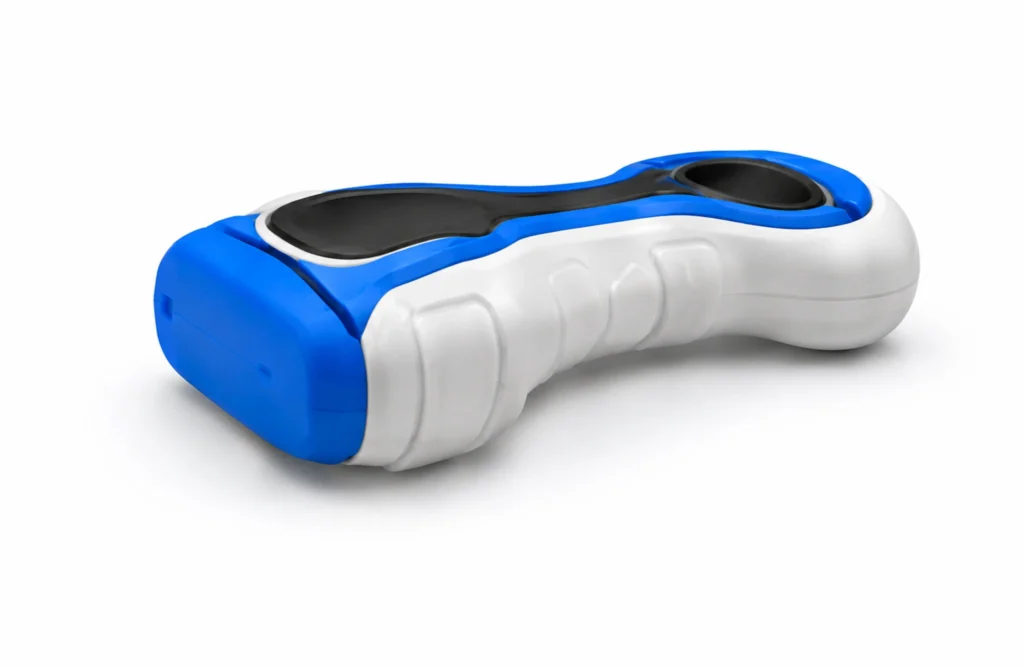
Industrial Equipment
TPU is particularly useful for:
- Wheels
- Rollers
- Flexible guards
- Protective components
- Sealing parts
- Wear-resistant components
Electronics
Applications can include:
- Protective device covers
- Cable strain reliefs
- Flexible buttons
- Soft-touch grips
- Shock-absorbing components
Medical & Healthcare Products
Suitable grades may be used for:
- Flexible device components
- Grips
- Tubing-related components
- Seals
- Protective components
TPE / TPU vs Silicone Rubber
TPE, TPU, and silicone can all provide flexible or rubber-like behavior, but they have different characteristics and manufacturing requirements.
- Thermoplastic processing is preferred
- Overmolding is required
- Wear resistance is important
- Fast production cycles are needed
- TPU 3D printed prototypes are useful
- Higher temperature resistance is required
- Very soft elastic behavior is needed
- Application-specific silicone properties are required
FAQs
What is TPE material?
TPE stands for Thermoplastic Elastomer, a family of materials combining rubber-like elasticity with thermoplastic processing characteristics.
What is TPU material?
TPU stands for Thermoplastic Polyurethane. It is a type of thermoplastic elastomer known for flexibility, toughness, abrasion resistance, and tear resistance.
Is TPU the same as TPE?
No. TPE is a broad family of thermoplastic elastomers, while TPU is one specific type within that family.
What is the difference between TPE and TPU?
TPE materials generally offer a broad range of softness and flexibility, while TPU is often selected when higher abrasion resistance, toughness, and mechanical durability are required.
Can TPE be injection molded?
Yes. Many TPE grades are designed for injection molding and are commonly used for flexible seals, grips, gaskets, covers, and overmolded components.
Can TPU be injection molded?
Yes. TPU is widely injection molded for flexible and durable components such as wheels, gaskets, protective covers, tubing components, and industrial parts.
Is TPE good for overmolding?
Yes. Certain TPE grades are specifically designed for overmolding onto rigid thermoplastics. Material compatibility must be verified for the selected TPE and substrate combination.
Can TPU be 3D printed?
Yes. TPU is widely used for flexible functional 3D printing and is suitable for prototypes, protective components, flexible housings, and low-volume parts.
What Shore hardness should I choose for TPE or TPU?
The correct hardness depends on the required flexibility, compression, grip, durability, and product feel. The final grade should be selected according to actual functional requirements.
Is TPU wear resistant?
Yes. Abrasion resistance is one of TPU’s major advantages, making it suitable for wheels, rollers, footwear components, and other parts exposed to repeated surface contact.
Can TPE or TPU replace rubber?
In many applications, yes. TPE and TPU can provide rubber-like flexibility while allowing thermoplastic processing. However, conventional rubber or silicone may still be more suitable for certain temperature, compression, chemical, or regulatory requirements.
Contact Us
Have a product idea or manufacturing requirement? Our engineering team supports you from product development and rapid prototyping to custom injection molds, injection molding and mass production. Share your CAD files, drawings or project details, and we’ll help define the right solution.