
Secondary Processing Services for Production-Ready Parts
Complete your manufactured parts with the additional operations required for function, assembly, identification, and final product integration.
Maidder provides secondary processing services for injection-molded plastic parts, CNC-machined components, prototypes, and production parts.
Secondary Processing Capabilities
A molded or machined component may still require additional features or operations before it is ready for assembly or final use. Secondary processing allows these requirements to be added after the primary manufacturing process.
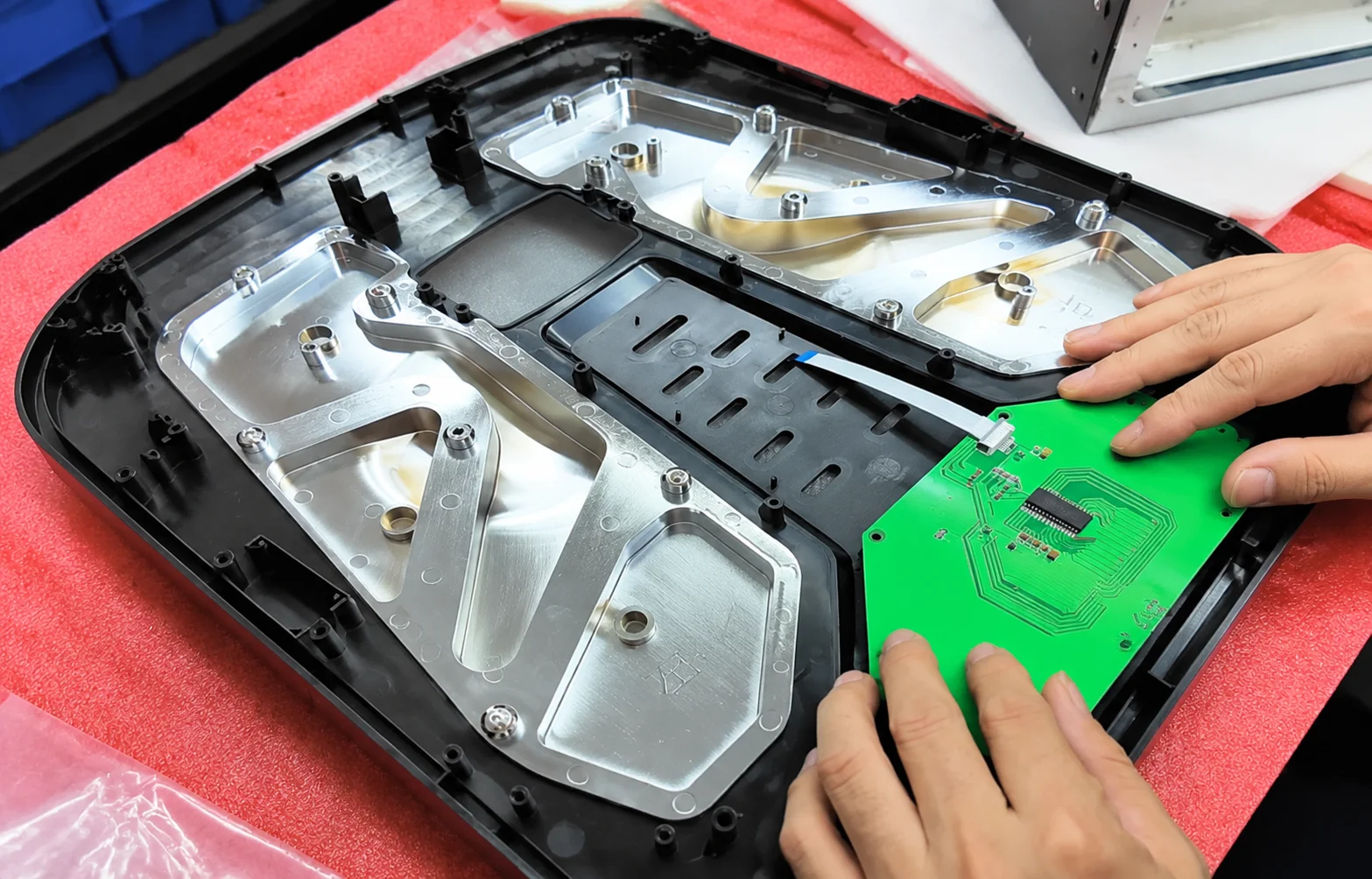
Our secondary processes can include post-machining, drilling and tapping, threaded inserts, heat staking, welding, bonding, marking, cleaning, and other value-added operations depending on your product requirements. By coordinating primary manufacturing and secondary processing within one workflow, we help reduce supplier handoffs and move parts more efficiently toward assembly and finished production.
01
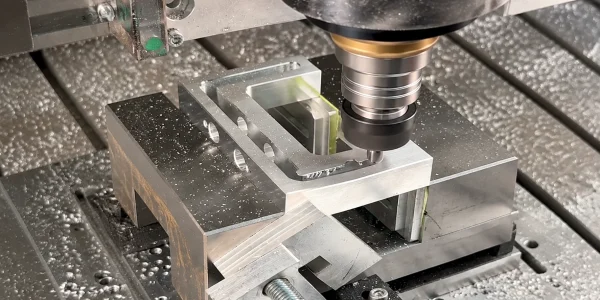
Post-Mold Machining
CNC machining adds features that are difficult or uneconomical to produce directly in an injection mold, including precision holes, pockets, slots, counterbores, and critical surfaces.
This is useful when selected areas require tighter tolerances or additional geometry.
02
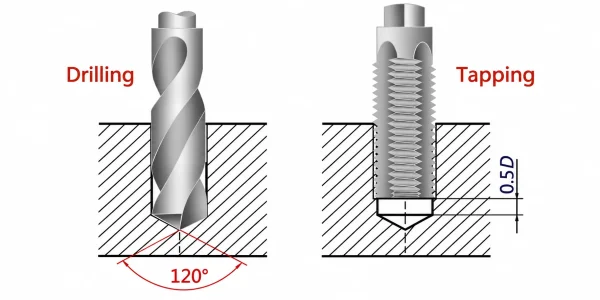
Drilling & Tapping
Drilling and tapping can add holes and threads after molding or machining.
Post-process drilling may be useful when hole location, tolerance, geometry, or production requirements make secondary machining more practical than incorporating the complete feature into the mold.
Threaded holes can also support mechanical assembly and removable fastening.
03
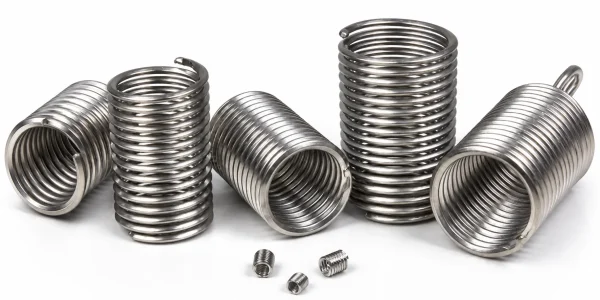
Threaded Insert Installation
Metal threaded inserts can provide stronger and more durable fastening points in plastic parts.
Depending on the product and insert type, installation methods may include:
- Heat staking
- Ultrasonic insertion
- Press fitting
- Other controlled insertion processes
Threaded inserts are especially useful where products require repeated assembly and disassembly.
04
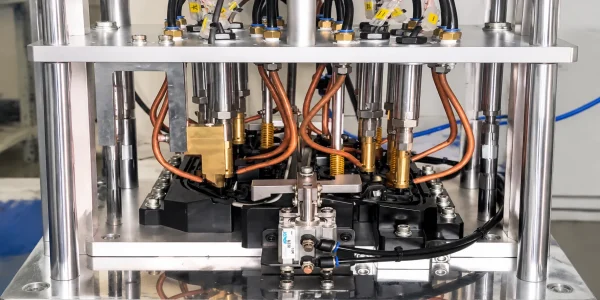
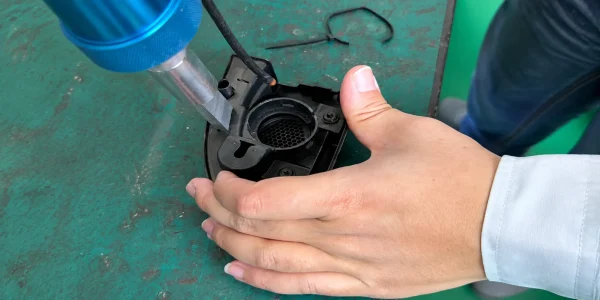
Heat Staking
Heat staking uses controlled heat to form or secure thermoplastic features.
It can be used to install inserts or permanently join compatible components without separate screws or adhesives.
The part geometry, plastic material, joint design, and required strength should be considered when selecting the staking process.
05
Welding & Bonding
Plastic or multi-material components can be joined using methods such as ultrasonic welding or adhesive bonding.
The appropriate method depends on materials, joint geometry, sealing requirements, appearance, strength, and whether the final assembly needs to remain permanent.
Secondary Operations for Injection Molded Parts
Injection molded parts often require additional operations before they become complete production components.
Planning these processes together with injection molding helps ensure that molded geometry, fixtures, tolerances, and secondary features work together.
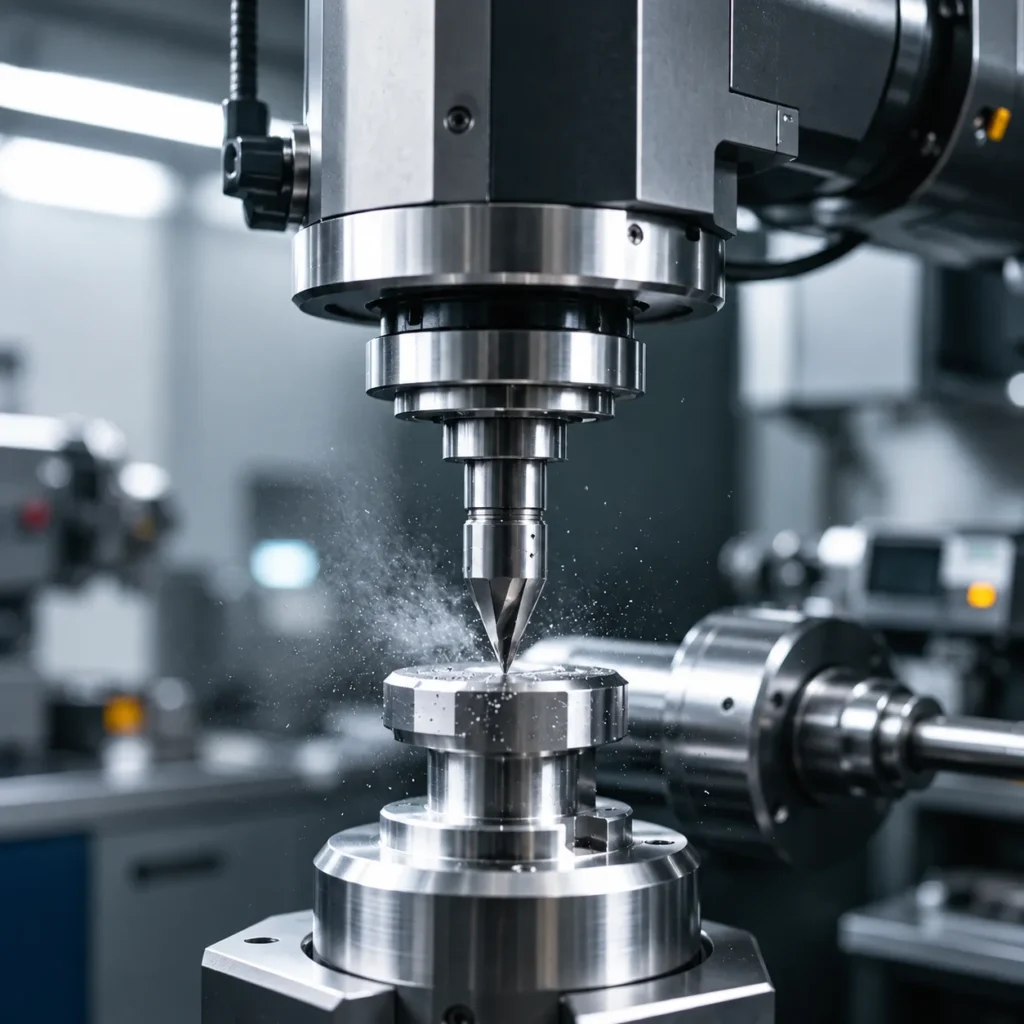
Machining After Injection Molding
Post-mold machining can be used where molding alone cannot efficiently achieve a specific feature or dimensional requirement.
Rather than increasing mold complexity, certain holes, threads, slots, or precision areas can sometimes be created after molding.
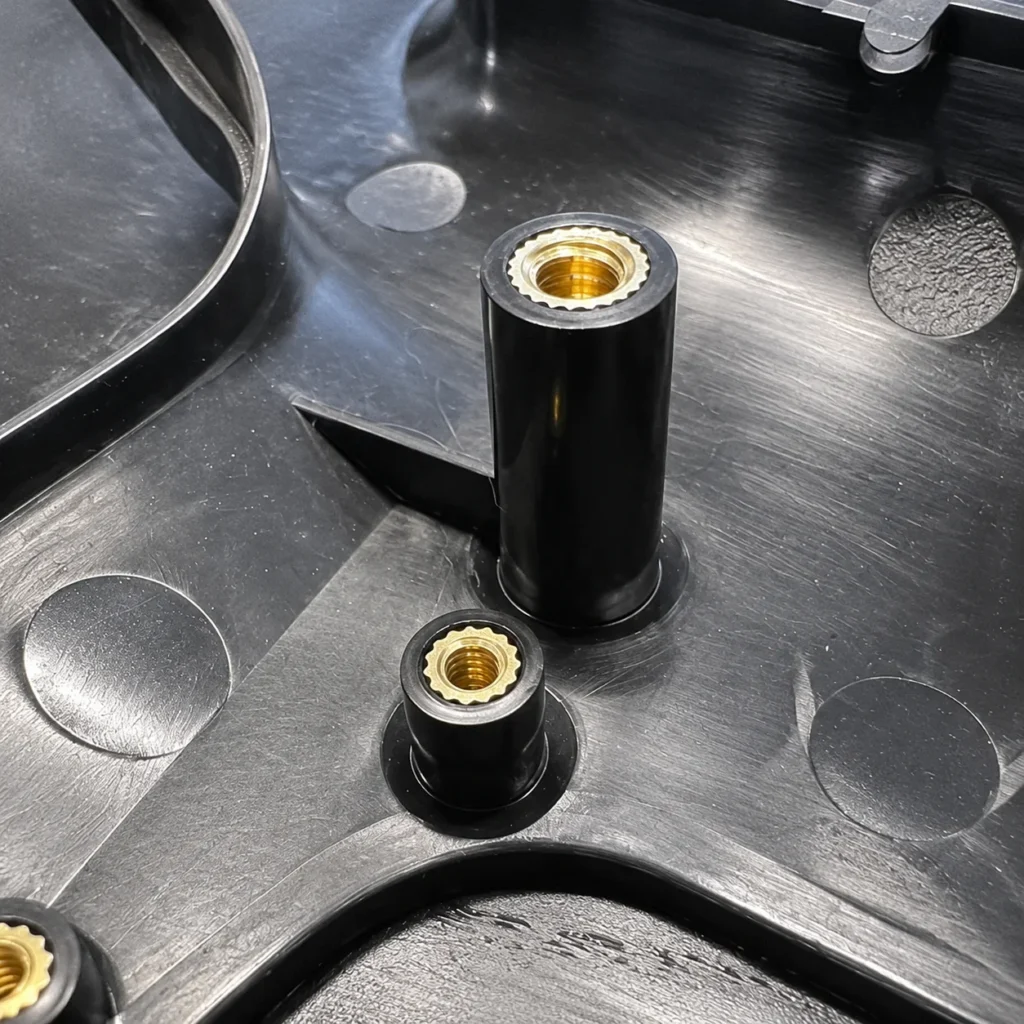
Inserts & Fastening Features
Post-mold machining can achieve features or tolerances that are difficult to produce through molding alone.
Holes, threads, slots, and other precision features can be machined after molding to reduce mold complexity.
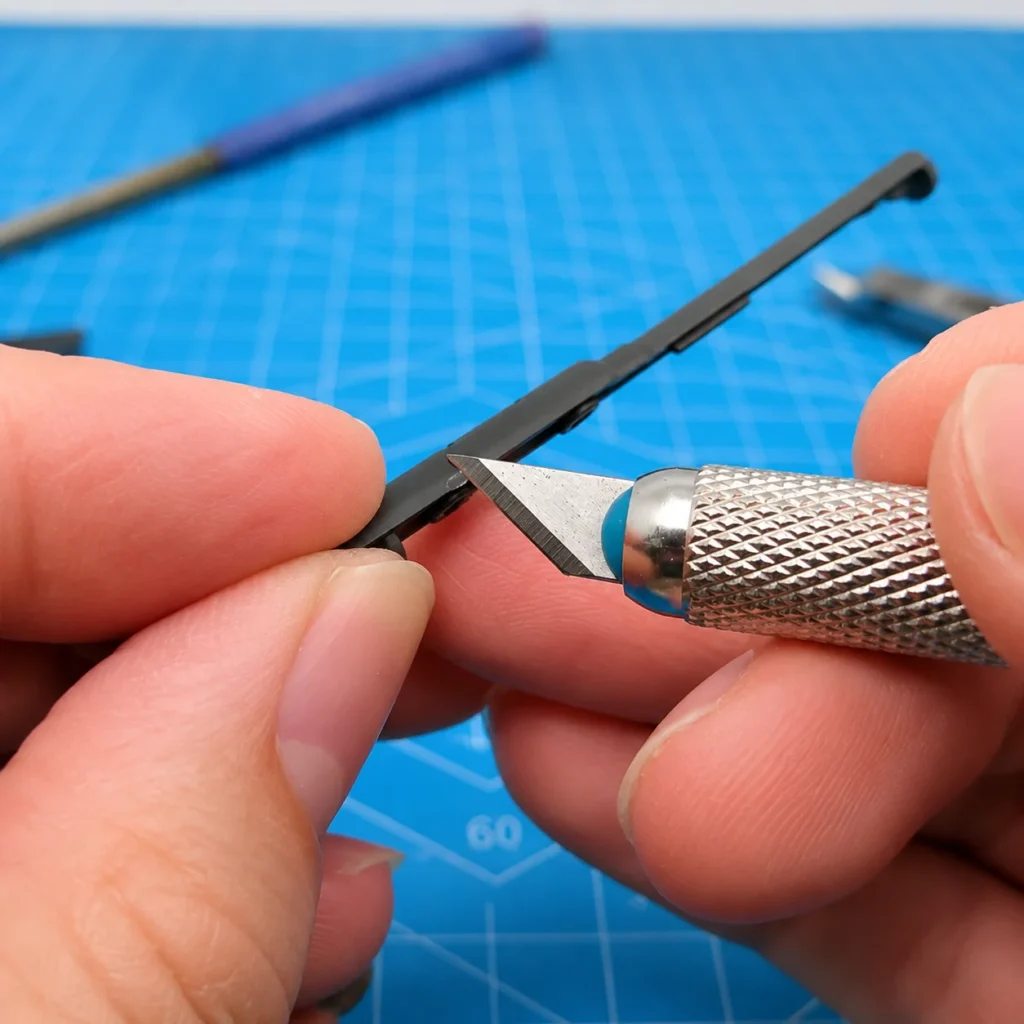
Trimming & Part Preparation
Some molded or manufactured components may require trimming, cleaning, edge preparation, or removal of manufacturing residue before the next process.
Part preparation can also help create more consistent conditions for bonding, welding, finishing, or assembly.
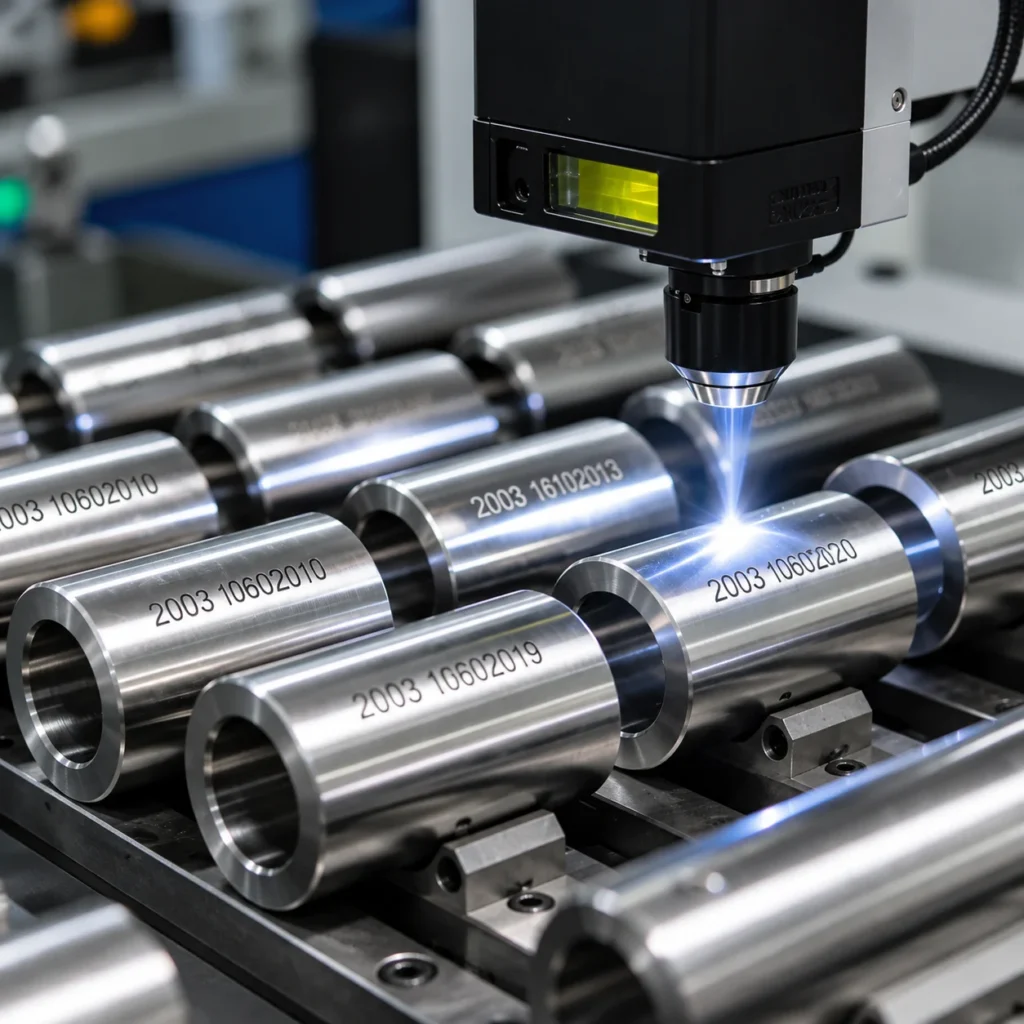
Marking & Identification
Parts may require permanent or decorative identification after manufacturing.
Options include laser marking, engraving, pad printing, and screen printing for logos, serial numbers, and traceability marks. Additional cosmetic treatments can be coordinated through Maidder’s surface finishing services.
Need More Than a Molded or Machined Part?
If your components require drilling, tapping, inserts, welding, bonding, marking, machining, or other operations after manufacturing, Maidder can help coordinate the complete production sequence.
Send us your CAD files, drawings, materials, quantities, secondary process requirements, and assembly specifications.
Our manufacturing team can review which operations are required and how they should be integrated with injection molding, CNC machining, finishing, assembly, and production.
Our Secondary Manufacturing Process
Secondary operations should be defined together with the original part design and manufacturing process whenever possible.
01
Part & Requirement Review
Provide available information including:
- 3D CAD files
- 2D drawings
- Part material
- Production quantity
- Secondary operation requirements
- Critical dimensions
- Assembly requirements
- Cosmetic specifications
Our team reviews the product structure and assembly sequence befavore production.
02
Process Selection
The secondary operation is selected according to part geometry, material, function, tolerance, appearance, production volume, and cost requirements.
Where multiple operations are required, the manufacturing sequence is also considered.
03
Fixtures & Process Preparation
Some operations require dedicated fixtures to hold and position parts consistently.
Fixtures may be used for machining, drilling, insert installation, welding, marking, or other repeat production processes.
04
Secondary Processing
The required machining, joining, marking, insert installation, or other operation is completed according to the approved product specifications.
05
Inspection & Next-Stage Handoff
Processed parts can be inspected for specified dimensional, functional, or appearance requirements before moving into surface finishing, assembly, packaging, or final production.
Integrating Secondary Processes with Manufacturing
Secondary operations are most effective when they are considered as part of the complete manufacturing workflow rather than sent to multiple unrelated suppliers after production.
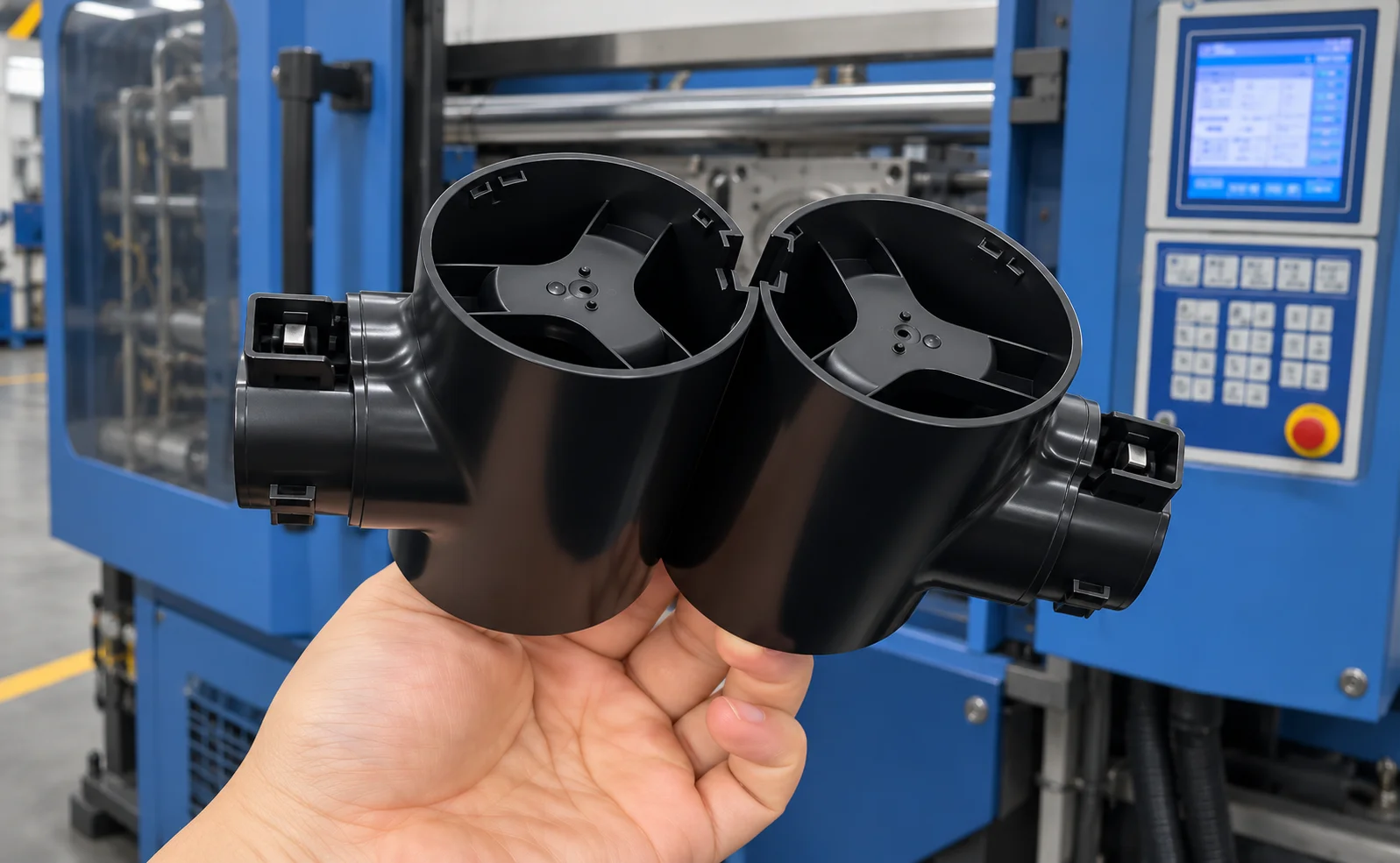
Injection Molding + Secondary Processing
Injection molded parts can move directly from molding into post-machining, insert installation, welding, marking, or other required operations.
This helps reduce additional transportation and handling between separate suppliers.
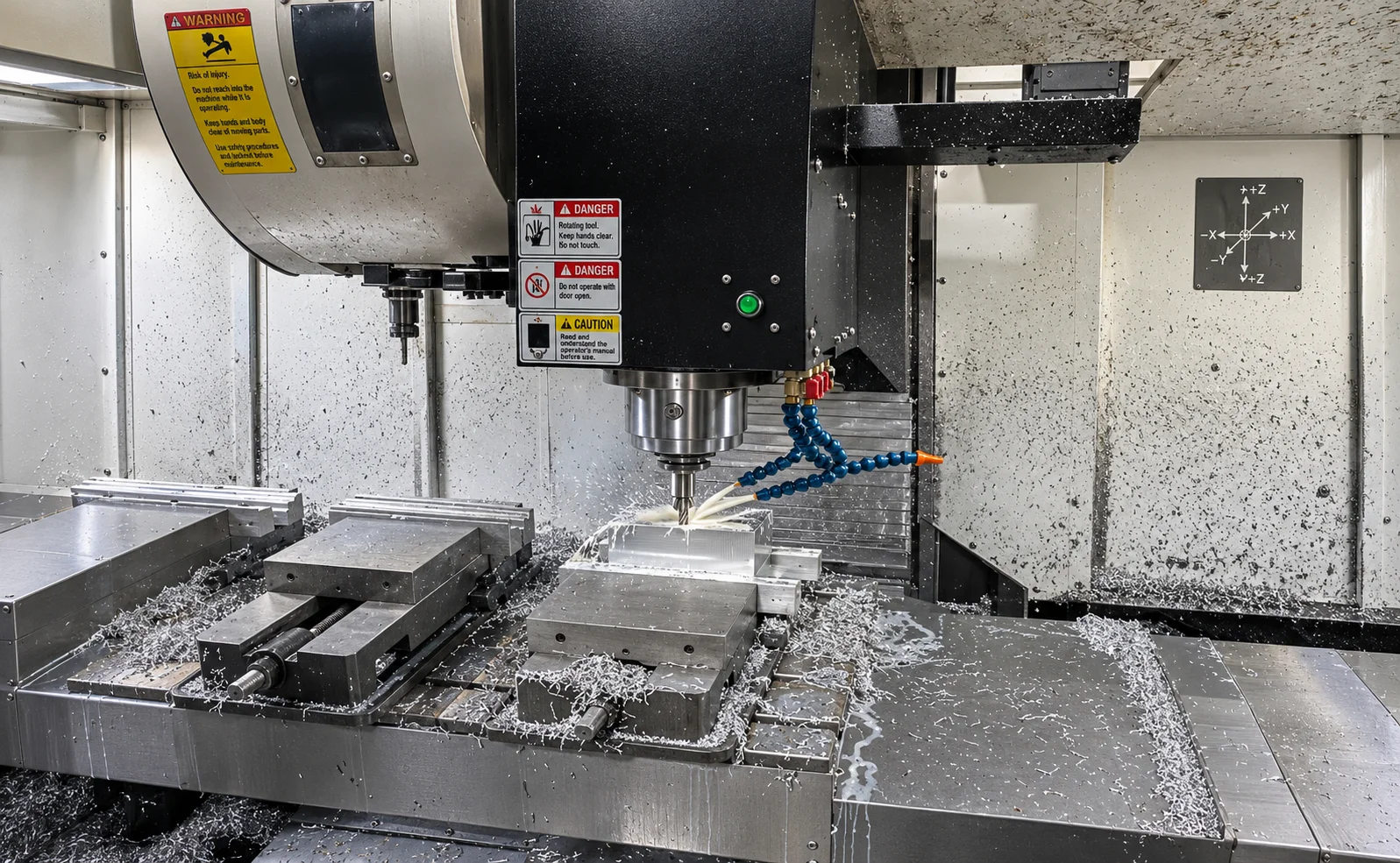
CNC Machining + Secondary Processing
CNC components may require additional marking, inserts, finishing, joining, or assembly after primary machining.
These operations can be coordinated according to the final part and product requirements.
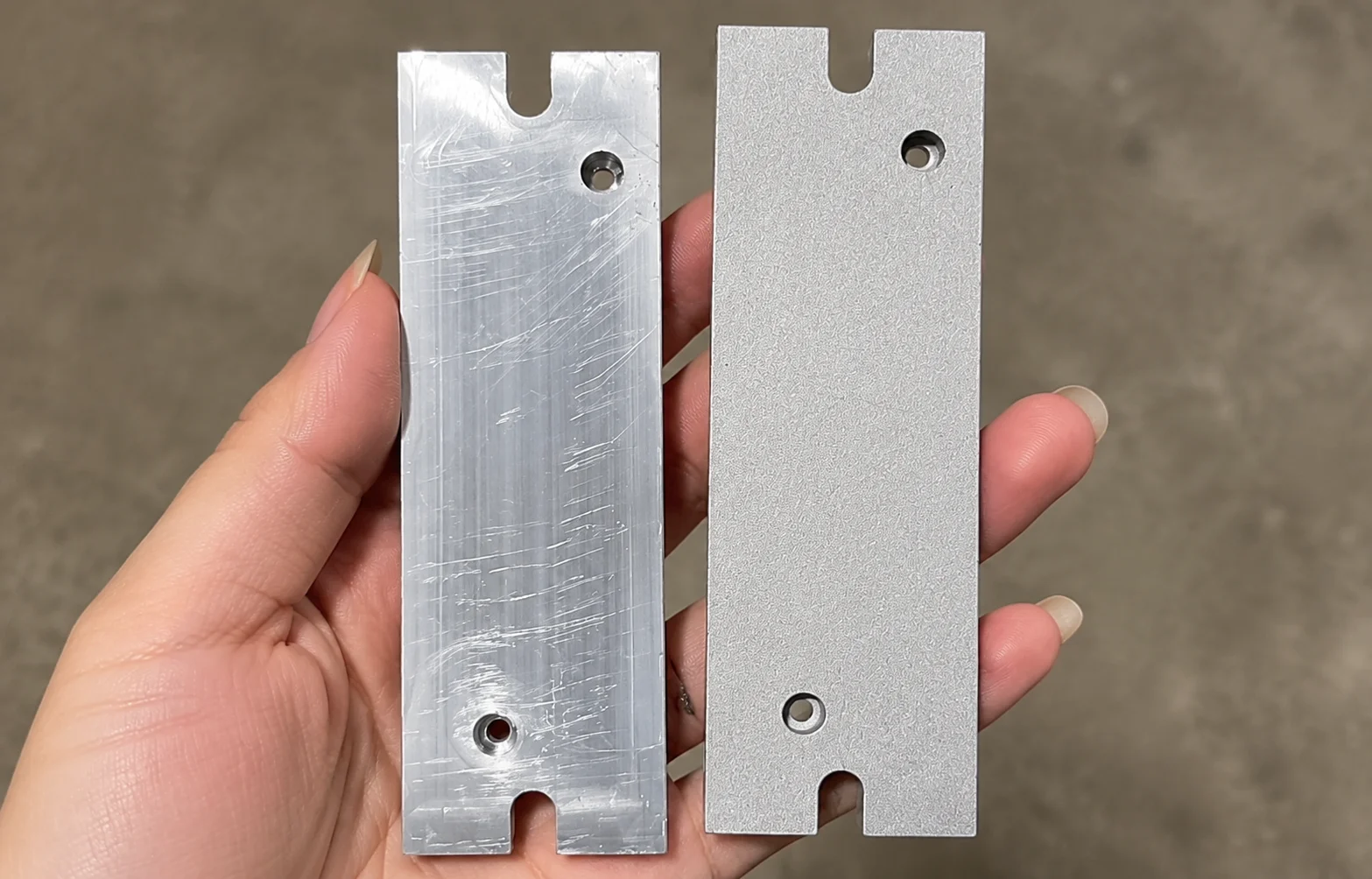
Surface Finishing + Secondary Operations
Painting, coatings, printing, laser marking, polishing, and other surface treatments can be integrated into the manufacturing sequence.
The correct order is important because certain secondary processes should be completed before cosmetic finishing, while others may need to occur afterward.
Secondary Processing + Assembly
Processed parts can continue directly into product assembly once required features, inserts, joints, finishes, and markings are complete.
A typical Maidder workflow may include:
Part Manufacturing → Post-Machining → Insert Installation / Joining → Surface Finishing → Marking → Inspection → Assembly → Packaging → Mass Production
This creates a more continuous path from manufactured component to finished product.
Secondary Manufacturing Services FAQs
What are secondary manufacturing processes?
Secondary manufacturing processes are operations performed after the primary part manufacturing process.
For injection molded or CNC machined parts, these may include drilling, tapping, machining, threaded insert installation, heat staking, welding, bonding, marking, cleaning, finishing, and assembly.
They are used to add features, improve functionality, prepare parts for assembly, or complete production requirements that are not achieved during the primary manufacturing process.
What secondary operations can be performed on injection molded parts?
Depending on the plastic material and part design, molded parts may receive post-mold machining, drilling, tapping, threaded inserts, heat staking, ultrasonic welding, adhesive bonding, marking, printing, finishing, or assembly.
The correct process depends on the required function, tolerances, materials, product geometry, and production volume.
Why use post-mold machining instead of adding the feature to the mold?
Some features may increase mold complexity significantly or require tighter tolerances than are practical to maintain through molding alone.
In these situations, molding the basic geometry and machining selected features afterward can be a practical manufacturing strategy.
The best option depends on production volume, tolerance, tooling complexity, cycle time, and total manufacturing cost.
What is the difference between secondary processing and surface finishing?
Secondary processing is a broader category that includes operations used to modify, join, machine, identify, or prepare manufactured parts.
Surface finishing specifically focuses on changing the appearance or surface properties of the component through processes such as painting, coating, polishing, anodizing, or texturing.
Surface finishing can therefore be one part of the overall secondary manufacturing workflow.
Can Maidder combine secondary processing with assembly and production?
Yes. Maidder can coordinate product manufacturing, secondary operations, surface finishing, component assembly, inspection, packaging, and mass production according to project requirements.
This allows parts to move through multiple value-added processes within a more coordinated manufacturing workflow.
Contact Us
Have a product idea or manufacturing requirement? Our engineering team supports you from product development and rapid prototyping to custom injection molds, injection molding and mass production. Share your CAD files, drawings or project details, and we’ll help define the right solution.