
Rapid Tooling Services for Prototype and Low-Volume Production
Move from prototype validation to real injection-molded parts without committing immediately to full production tooling.
Using prototype and bridge tooling strategies based on part design, expected volume, material, and validation requirements, we help product teams produce production-like molded parts faster and with lower initial tooling investment.
Rapid Tooling for Prototype, Bridge and Low-Volume Injection Molding
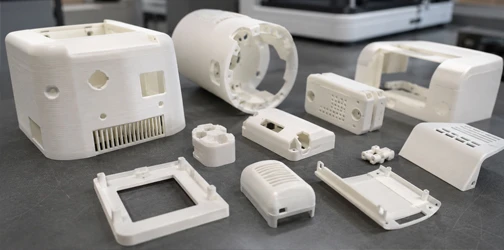
Rapid tooling fills the gap between early prototypes and full production molds. Unlike 3D printing, CNC machining, or urethane casting, rapid tooling allows parts to be manufactured through the actual injection molding process using production-grade thermoplastics.
This makes it useful when material behavior, molded geometry, assembly, surface quality, and manufacturing performance need to be validated. Maidder provides rapid tooling services for prototype injection molding, design validation, pilot production, bridge manufacturing, and low-volume plastic parts.
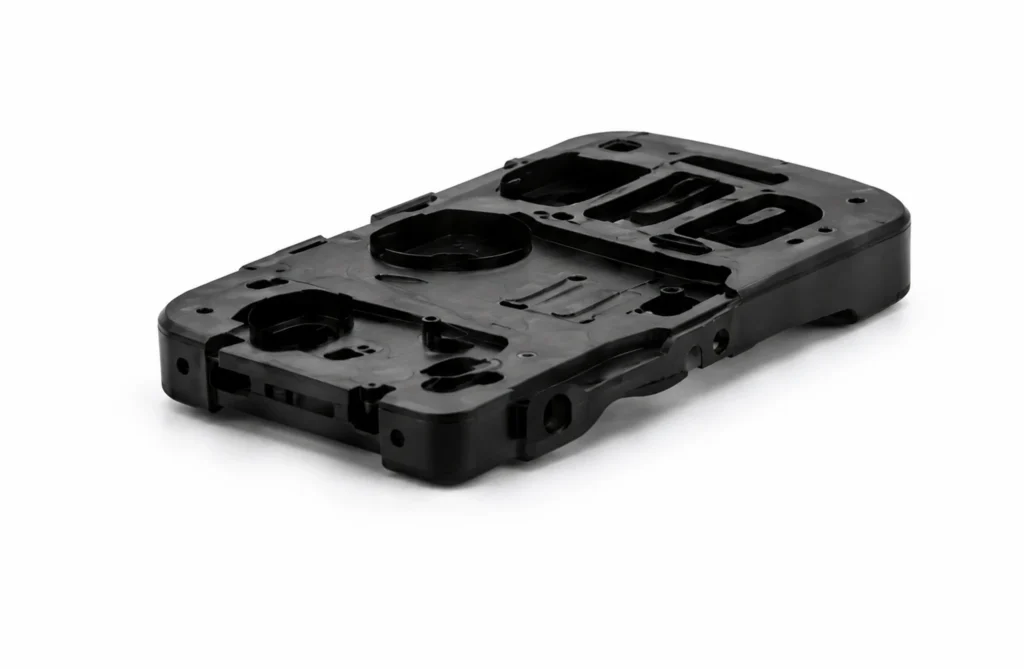
Prototype Tooling
Prototype tooling is designed for product development and early injection-molded parts.
It is suitable for:
- Functional testing
- Material validation
- Fit and assembly testing
- Design verification
- Engineering builds
- Customer samples
- Market evaluation
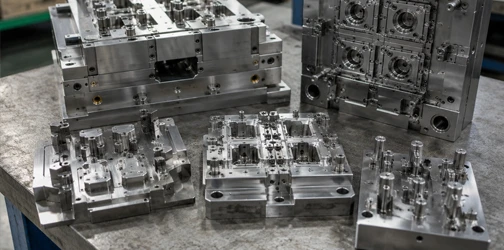
Prototype molds can use aluminum or soft steel depending on part complexity, quantities, materials, and project requirements.
Bridge Tooling
Bridge tooling supports production when a project has moved beyond prototype quantities but does not yet require full production tooling.
It can be used for:
- Pilot production
- Early product launches
- Market validation
- Medium-volume requirements
- Production while final tooling is being prepared
Bridge molds can provide a practical balance between tooling investment, durability, and production flexibility.
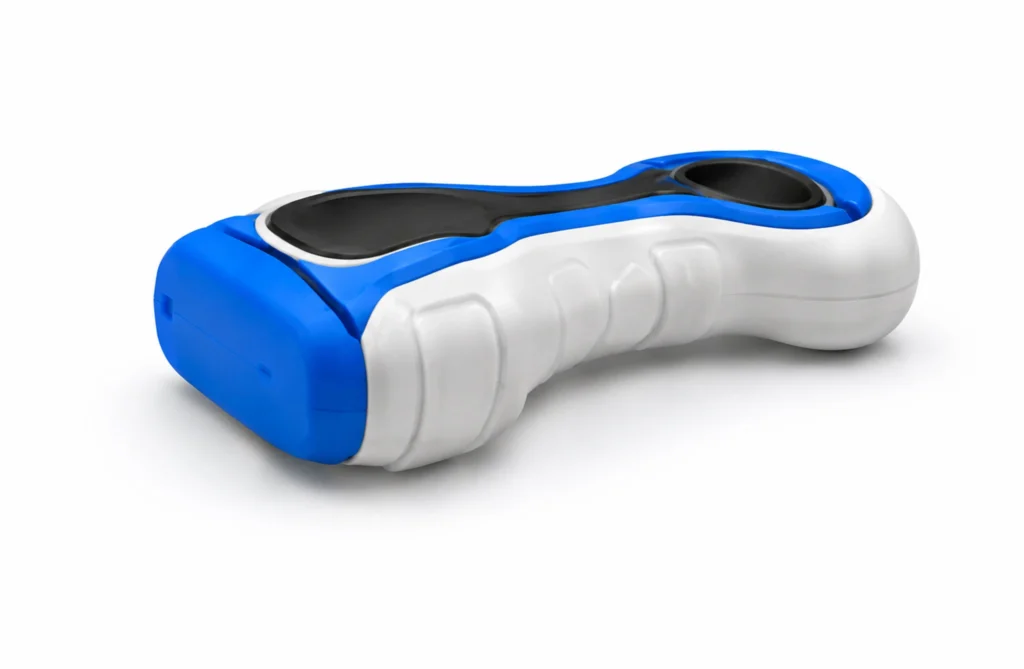
Production-Like Injection Molded Parts
Because rapid tooling uses injection molding, parts can be produced in many of the same thermoplastic materials intended for final production.
This allows product teams to evaluate molded part behavior before making a larger investment in long-life production molds.
Our Rapid Tooling Process
Rapid tooling should be developed around what the molded parts need to validate and how the project may scale afterward.
01
CAD & Project Review
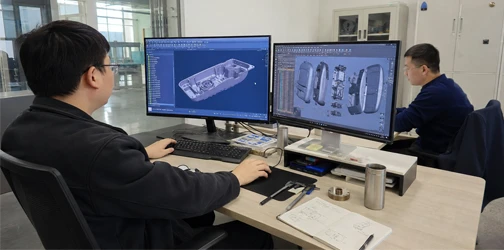
Send your 3D CAD files, drawings, materials, expected quantities, tolerances, surface finishes, and validation requirements. Our engineers review the project and recommend an appropriate tooling strategy.
02
DFM Review
The part is reviewed for injection molding feasibility, including:
- Wall thickness
- Draft angles
- Ribs and bosses
- Undercuts
- Parting lines
- Gates
- Ejection
- Tolerances
- Materials
- Cosmetic requirements
Potential molding or tooling issues can be addressed before mold manufacturing.
03
Rapid Mold Design & Manufacturing
The mold structure is developed according to part complexity, production quantity, material, and validation objectives. Where appropriate, simplified tooling strategies, standard mold components, inserts, or other approaches can help shorten the tooling process.
04
T1 Sampling & Validation
Initial T1 parts are molded and reviewed for:
- Dimensions
- Appearance
- Fit
- Assembly
- Material behavior
- Moldability
- Functional requirements
Tooling adjustments or process optimization can then be completed where required.
05
Low-Volume Production
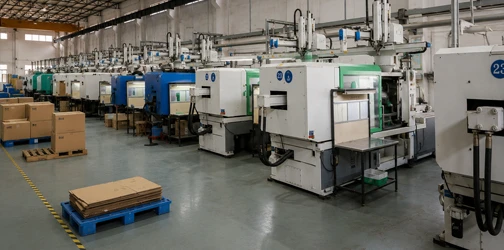
After sample approval, the rapid tool can support prototype quantities, pilot builds, bridge production, or low-volume injection molding according to project requirements.
Rapid Tooling Materials and Tooling Strategies
The right rapid tooling material depends on expected mold life, plastic resin, part complexity, quantity, and future production plans.
Aluminum Prototype Tooling
Aluminum tooling can be suitable for prototype molds and shorter production requirements where faster machining and lower upfront tooling investment are priorities.
Typical applications include design validation, engineering samples, market testing, and early molded parts.
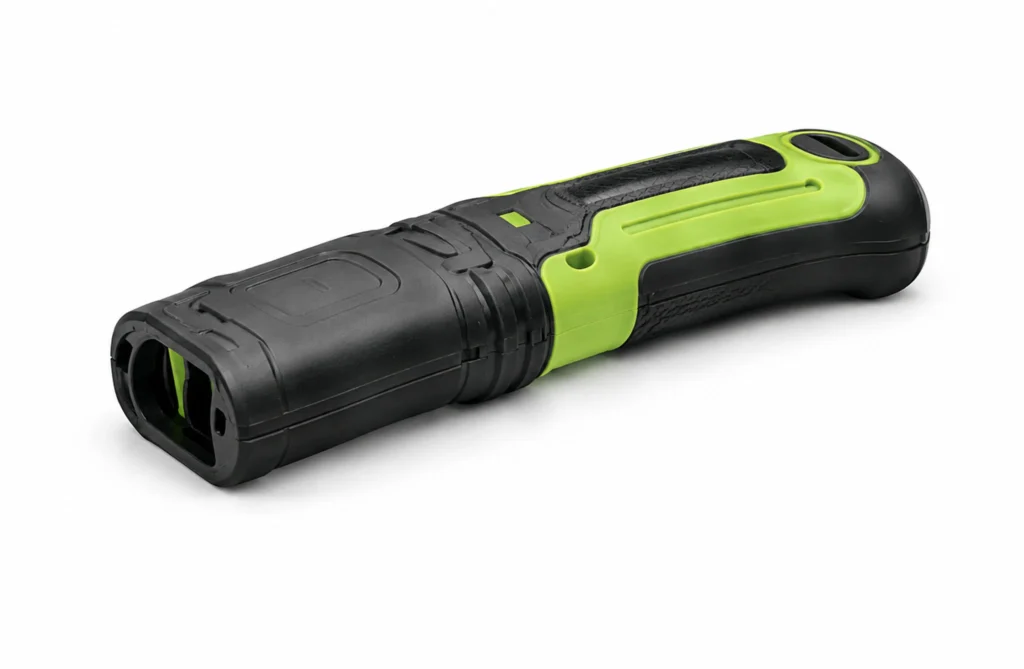
Soft Steel Tooling
Soft or pre-hardened steel can provide greater durability when a project requires more molded parts or more demanding materials and geometry.
It can be used for prototype or bridge tooling where additional mold life and production stability are required.
Bridge Tooling
For projects moving toward medium-volume production, bridge tooling can provide a stronger transition between prototype molds and long-life production tooling.
The tooling strategy can be selected according to projected demand rather than committing to the highest-cost production mold at the beginning of the project.
Injection Molding Materials
Rapid tooling can support many commonly used thermoplastics, including:
- ABS
- PC
- PC/ABS
- PP
- PE
- PA / Nylon
- POM
- PMMA
- TPU / TPE
- PBT
- Other engineering plastics
Material selection should be based on product performance, molding requirements, appearance, dimensional stability, operating conditions, and future production needs.
Need Injection-Molded Parts Before Production Tooling?
When 3D printed or CNC prototypes are no longer enough, rapid tooling provides a practical way to validate your product using real injection molding.
Maidder can review your CAD files, materials, quantities, tolerances, surface requirements, and future production plans to determine whether prototype tooling or bridge tooling is appropriate.
From Rapid Tooling to Production Tooling
Rapid tooling should not be treated as an isolated manufacturing step. The design, molding, and tooling information gained during prototype or bridge production can help prepare the product for long-term manufacturing.
Validate Before Production Tooling
Rapid injection-molded parts can help identify issues with:
- Part geometry
- Materials
- Moldability
- Tolerances
- Fit and assembly
- Surface requirements
- Functional performance
These findings can be incorporated before production tooling is finalized.
Prototype Tooling vs. Production Tooling
Prototype tooling generally prioritizes lower investment, faster validation, and shorter production requirements.
Production tooling prioritizes mold life, repeatability, production efficiency, multi-cavity strategies, cooling performance, and long-term manufacturing stability.
The appropriate choice depends on expected quantities and product lifecycle requirements.
Prototype-to-Production Handoff
Maidder can support the transition through:
Design Validation → DFM → Rapid Tooling → T1 Sampling → Prototype / Bridge Production → Design Confirmation → Production Tooling → Injection Molding → Assembly → Mass Production
This connected workflow helps carry manufacturing feedback from early molded parts into scalable production.
Rapid Tooling FAQs
What is rapid tooling?
Rapid tooling is the process of manufacturing injection molds using tooling strategies optimized for faster development, design validation, and lower-volume production.
It is commonly used for prototype molds, bridge tooling, pilot production, and low-volume injection molding before full production tooling is required.
What is the difference between rapid tooling and rapid prototyping?
Rapid prototyping typically produces individual prototype parts using processes such as 3D printing, CNC machining, or urethane casting.
Rapid tooling produces an actual mold that can manufacture multiple injection-molded parts using production-grade thermoplastics.
Rapid tooling is therefore useful when the product needs to be validated through the injection molding process itself.
What is the difference between prototype tooling and production tooling?
Prototype tooling is generally optimized for faster development, lower initial investment, and limited production requirements.
Production tooling is designed for longer mold life, stable repeat production, higher volumes, and greater manufacturing efficiency.
The appropriate tooling strategy depends on expected volume, material, part complexity, product lifecycle, and production requirements.
What materials are used for rapid tooling?
Rapid tooling can use aluminum, soft steel, pre-hardened steel, or other tooling materials depending on project requirements.
Aluminum may be appropriate for faster prototype tooling, while steel tooling can provide greater durability for bridge or higher-volume requirements.
Tool material should be selected according to part geometry, resin, quantity, mold life, and production objectives.
Can rapid tooling use production-grade plastic materials?
Yes. One of the main benefits of rapid tooling is that molded parts can be produced using many of the same thermoplastics intended for production.
This allows product teams to evaluate material behavior, molded geometry, assembly, appearance, and functional performance before committing to production tooling.
When should I move from rapid tooling to production tooling?
The transition usually depends on product validation, expected demand, mold life requirements, production efficiency, and total manufacturing economics.
Once the product design is stable and production quantities justify a longer-life mold, a production tooling strategy can be developed for scalable manufacturing.
Can Maidder continue from rapid tooling to mass production?
Yes. Maidder can continue from DFM and rapid tooling through T1 validation, production mold design and manufacturing, injection molding, secondary operations, assembly, and mass production.
This provides a continuous transition from early molded parts to scalable production.
Contact Us
Have a product idea or manufacturing requirement? Our engineering team supports you from product development and rapid prototyping to custom injection molds, injection molding and mass production. Share your CAD files, drawings or project details, and we’ll help define the right solution.