
Gas-Assist Injection Molding Services for Lightweight Plastic Parts
Gas-assisted injection molding introduces controlled pressurized nitrogen into the molten plastic during molding, forming hollow internal sections while maintaining the external shape of the part.
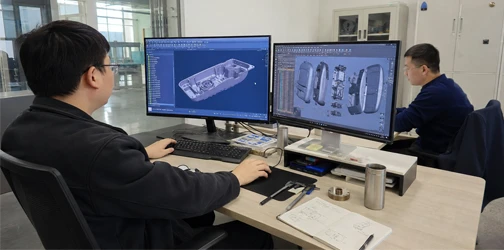
Our engineering and tooling teams coordinate part design, gas channels, material selection, mold construction, and process parameters from DFM through production.
Why Use Gas-Assist Injection Molding?
Produce strong, lightweight plastic components with reduced sink marks, warpage, and material usage. Gas-assist molding is particularly useful for plastic parts with thick sections, large dimensions, structural features, or demanding cosmetic surfaces.
By replacing part of the molten plastic with a controlled hollow section, the process can improve both product performance and manufacturing efficiency. Maidder provides gas-assist injection molding services for large, thick-wall, structural, and cosmetic plastic parts where conventional injection molding may create excessive weight, long cooling times, or visible molding defects.
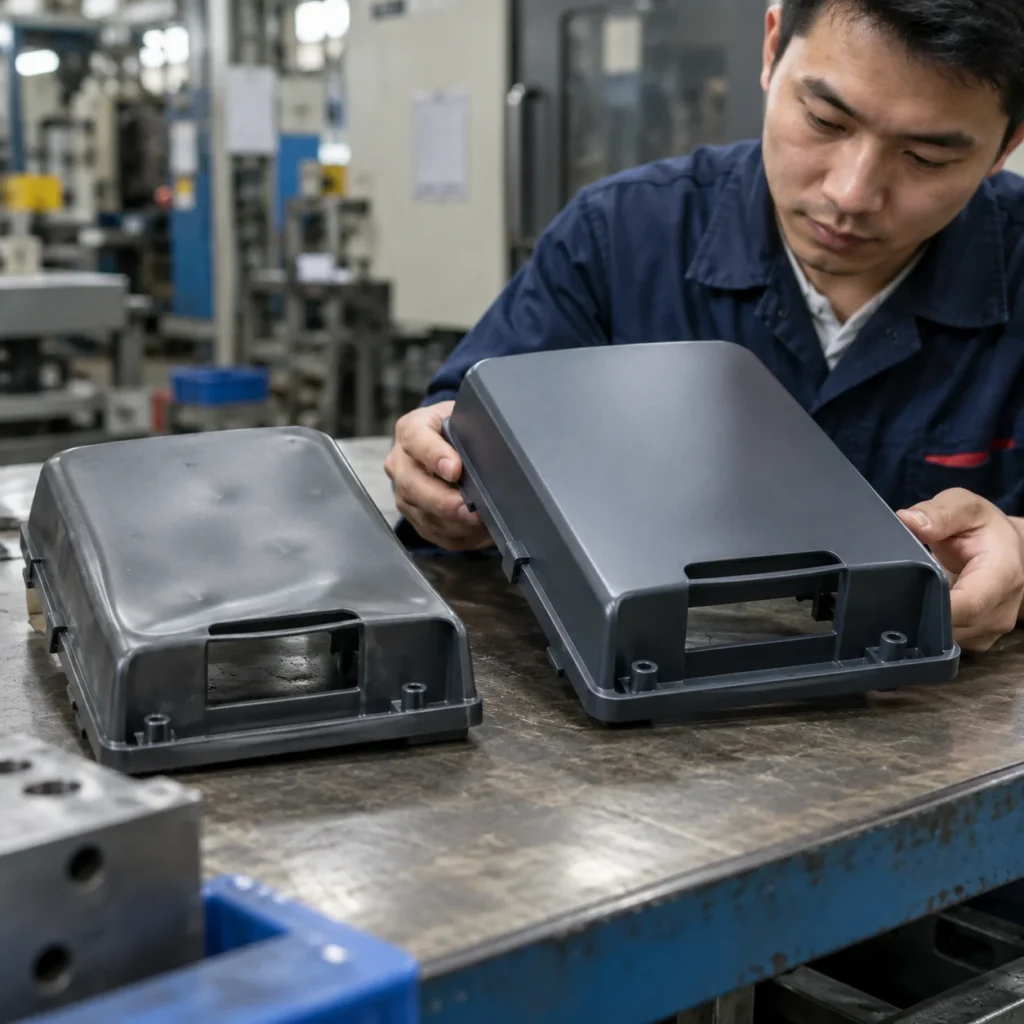
Reduce Sink Marks & Warpage
Thick sections in conventional injection molding can cool unevenly, creating sink marks, internal stress, and warpage.
Gas pressure helps pack the plastic against the mold surface while the part cools, improving dimensional stability and reducing visible defects.
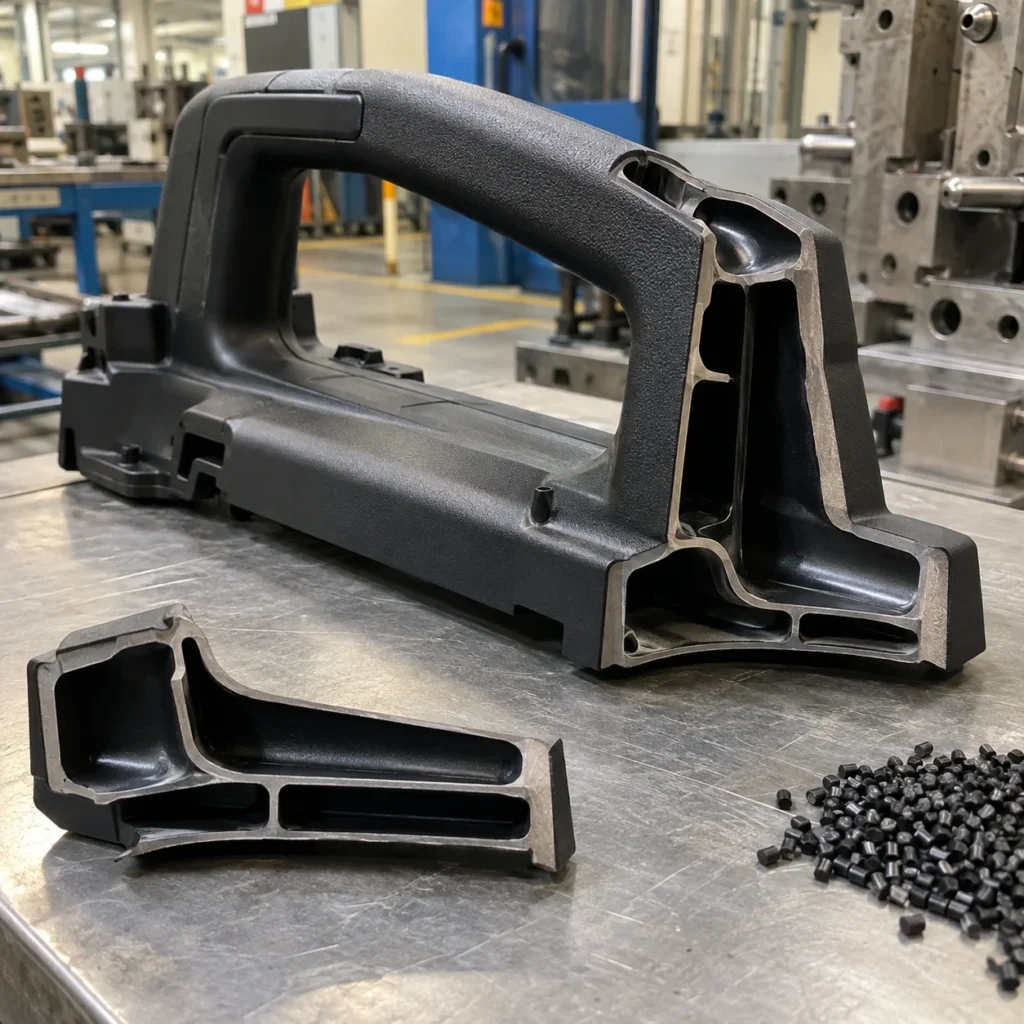
Reduce Part Weight & Material Usage
Gas-assisted molding creates hollow internal channels in selected areas of the part.
This reduces the amount of plastic required while maintaining a rigid external structure, making the process useful for larger components where weight and resin consumption are important.
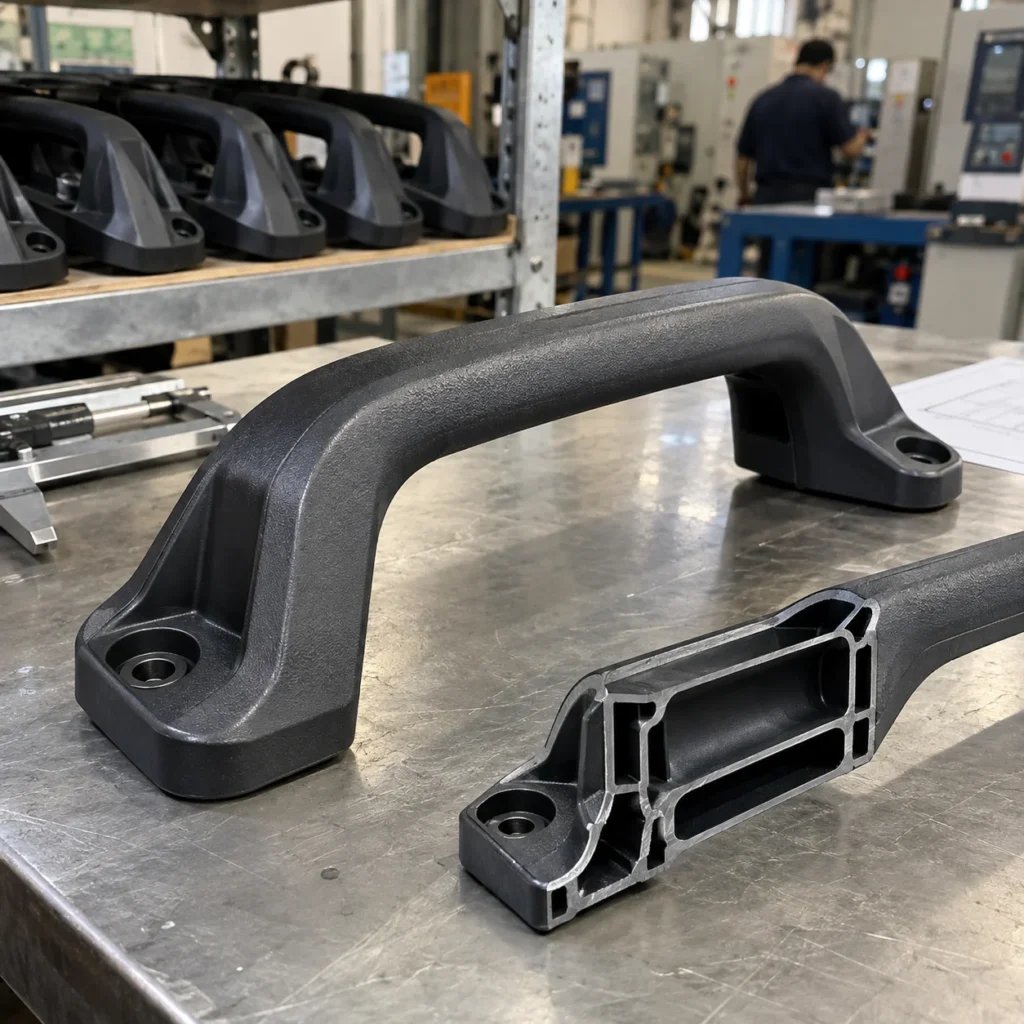
Improve Structural Design
Gas channels can act as hollow structural sections within handles, frames, supports, and other components.
This allows designers to create thicker-looking or more rigid structures without molding the entire cross-section as solid plastic.
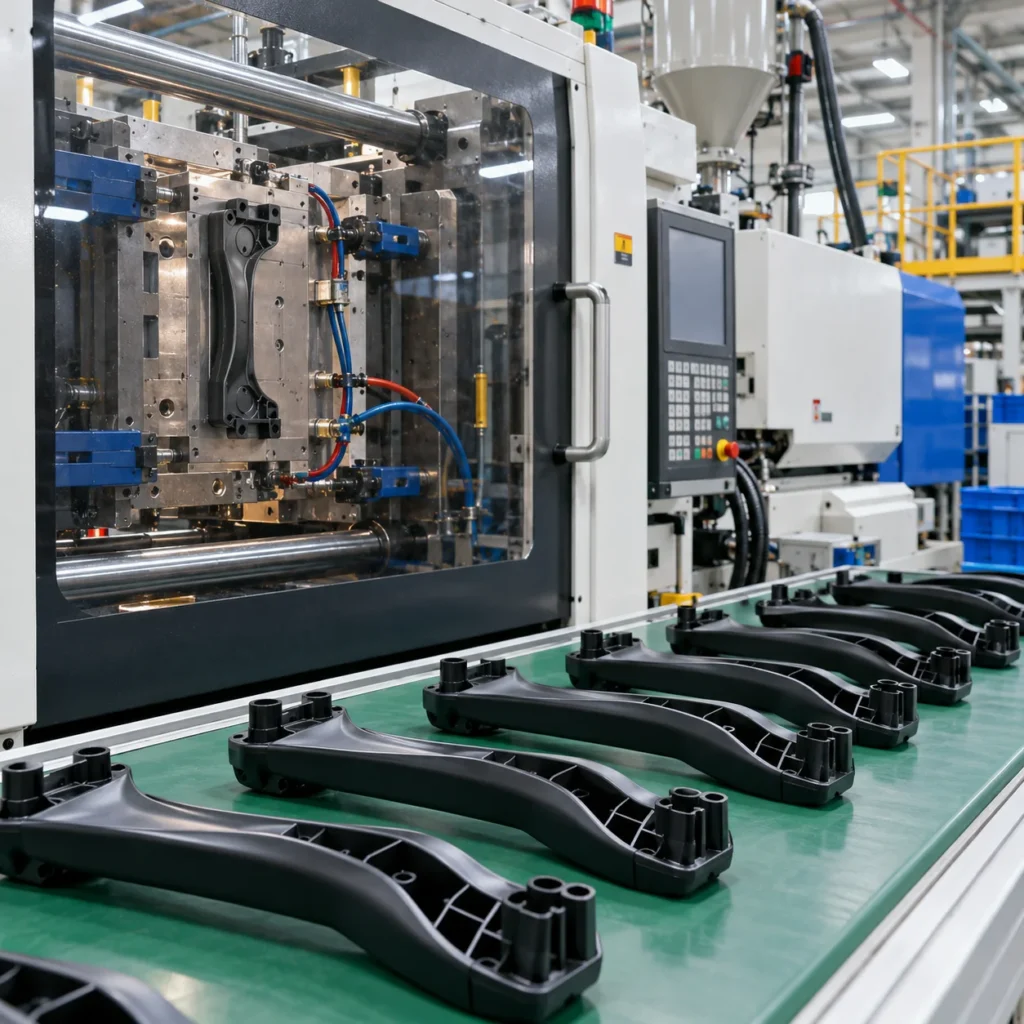
Improve Cycle Efficiency
Removing the solid plastic core from thick sections reduces the amount of material that must cool.
Depending on the part design and material, this can help reduce cooling requirements and improve injection molding cycle efficiency.
Gas-Assist Part Design & DFM Considerations
Gas-assisted injection molding requires careful coordination between part geometry, gas channel design, material flow, tooling, and processing conditions.
A part that appears suitable for conventional injection molding may need additional design optimization before gas assist can be applied successfully.
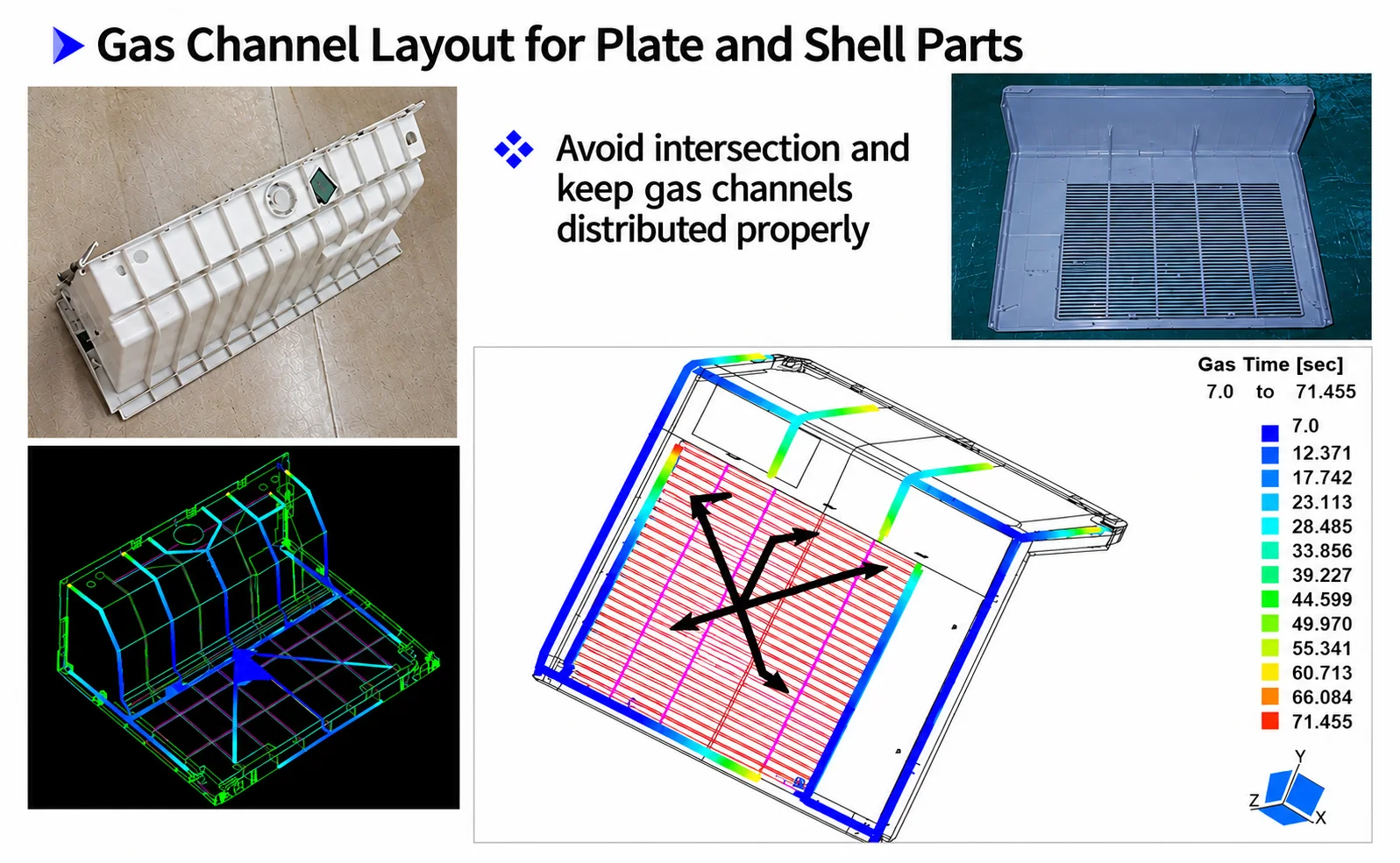
Gas Channel Design
Gas channels control nitrogen flow and determine where hollow sections form inside the molded part.
Our engineering review considers channel location and size, flow direction, part geometry, wall transitions, gate position, gas injection point, and end-of-fill conditions.
Proper gas channel design helps control gas penetration and prevent unwanted flow into thin-wall areas.
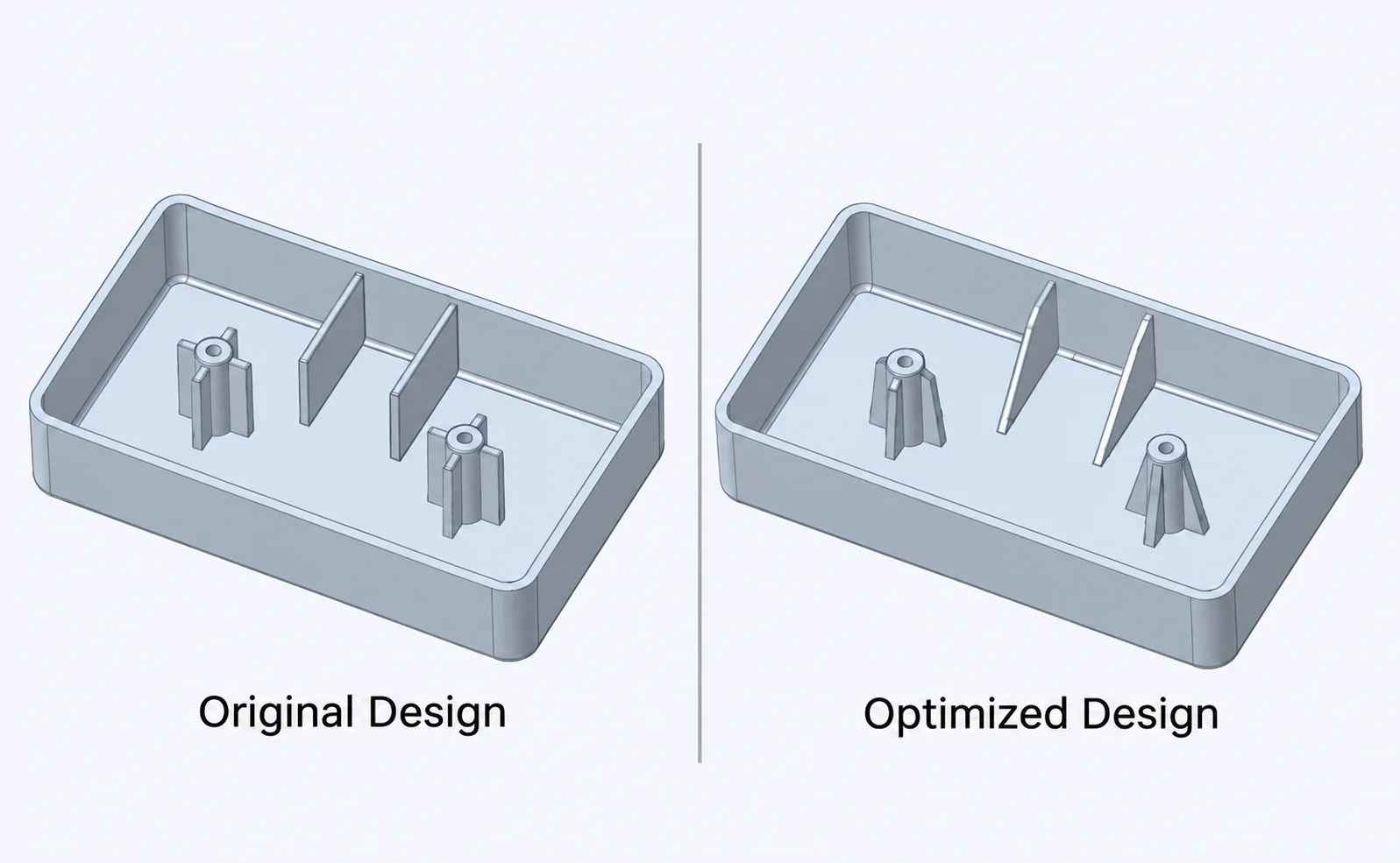
Wall Thickness & Rib Design
Gas-assist molding is useful for thick walls and structural ribs that may otherwise cause sink marks or long cooling times.
Part geometry should guide gas through intended sections while maintaining stable outer walls and consistent part quality.
Material Selection
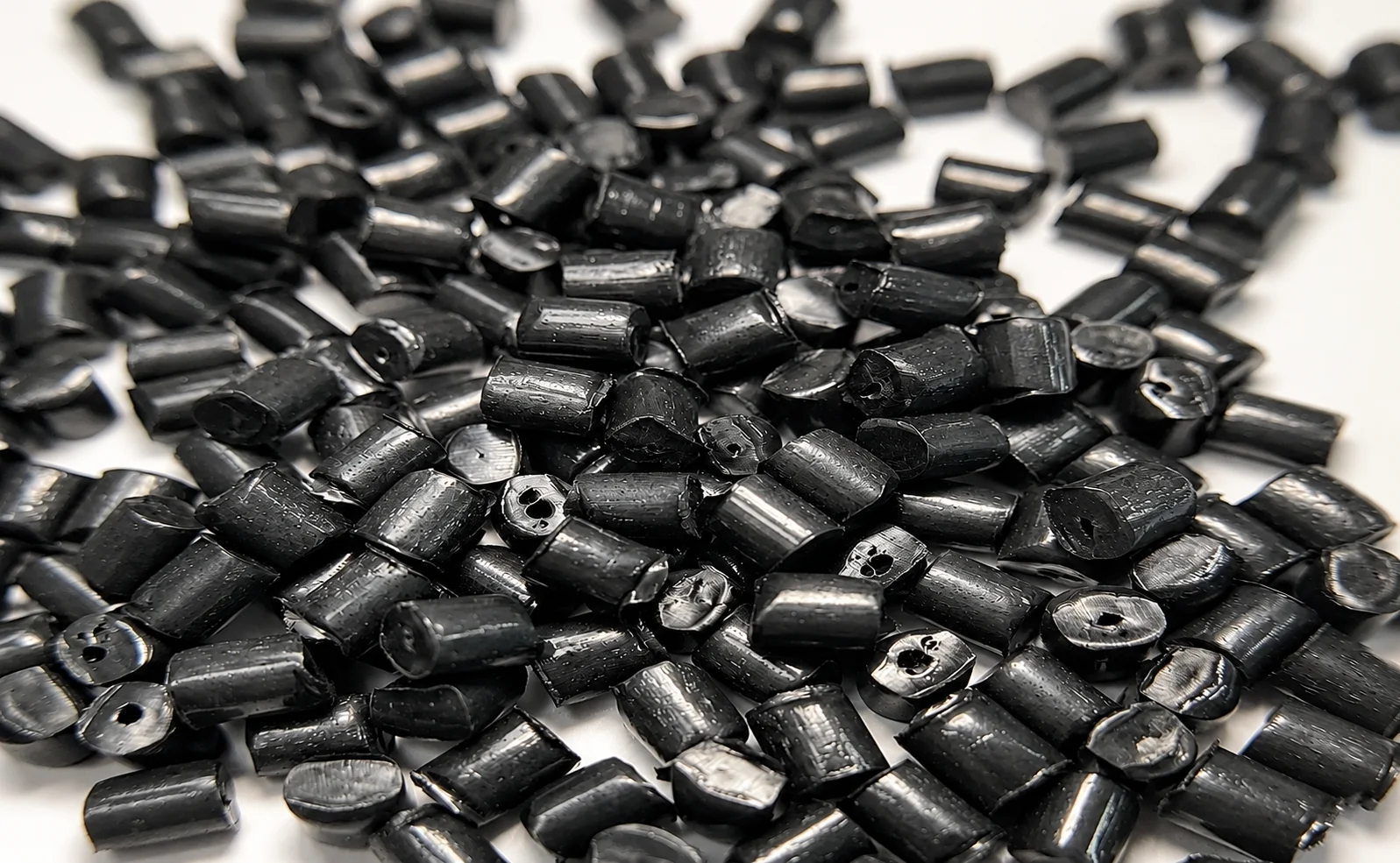
Gas-assist molding is compatible with many thermoplastics used in conventional injection molding.
Material selection should consider melt flow, shrinkage, stiffness, impact strength, surface appearance, temperature requirements, and gas channel stability.
The final resin should balance product performance with molding behavior.
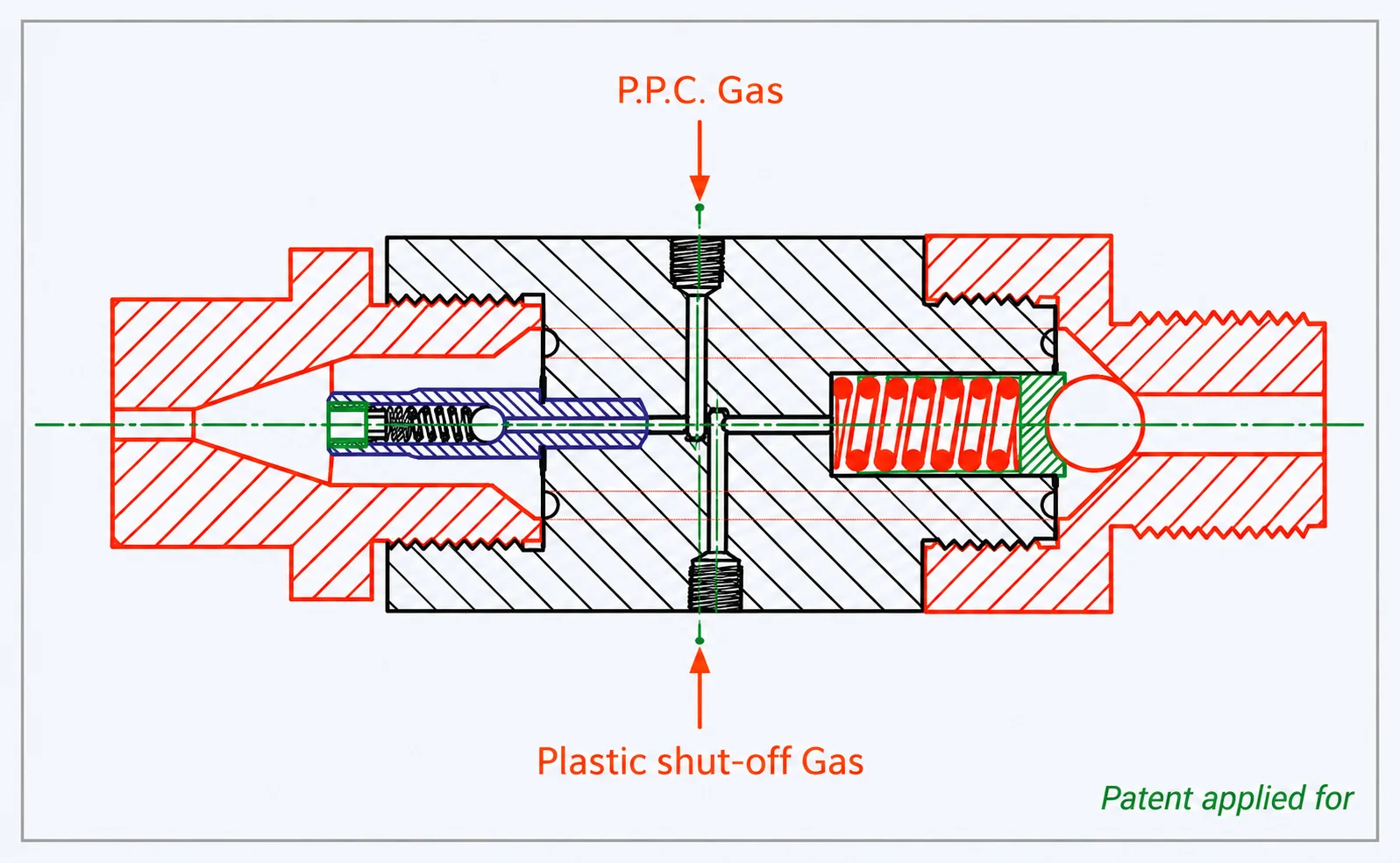
Tooling & Gas Injection Strategy
Gas may be introduced through the machine nozzle, runner system, or dedicated gas pins depending on the part and mold design.
Our DFM and mold engineering review covers gas entry, gates, cooling, venting, parting lines, and ejection to support stable gas-assist injection molding production.
Our Gas-Assist Injection Molding Process
Maidder connects insert design, tooling, injection molding, and validation to support consistent production of custom insert molded parts.
01
CAD & Application Review
Provide your 3D CAD files, material requirements, expected quantities, tolerances, surface requirements, and functional goals. Our engineers evaluate whether gas-assist molding is appropriate for the part.
02
Gas-Assist DFM
We review wall thickness, structural sections, gas channels, gates, gas entry points, flow behavior, materials, parting lines, cooling, and ejection requirements. Potential risks are identified before mold manufacturing begins.
03
Mold Design & Manufacturing
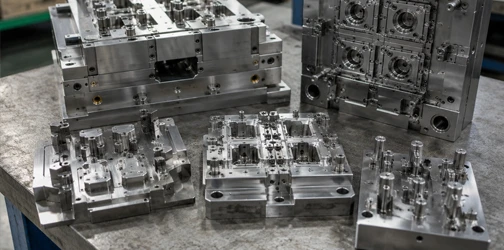
The mold is designed to support both plastic injection and controlled gas delivery. Tooling details such as gas pins, runner systems, cooling, venting, and critical dimensions are coordinated with the part design.
04
T1 Sampling & Process Development
Initial molded samples are evaluated for:
- Gas penetration
- Hollow channel formation
- Dimensions
- Surface quality
- Sink marks
- Warpage
- Weight
- Structural performance
Gas timing, pressure, resin fill, cooling, and other molding parameters can be adjusted as required.
05
Process Validation & Production
Once part quality and gas channel behavior are validated, stable molding parameters are established for repeat production. Inspection and process monitoring help maintain consistent dimensions, appearance, weight, and internal channel formation.
Need to Reduce Weight, Sink Marks or Warpage?
Maidder can review your part geometry, material, structural requirements, gas channel opportunities, tooling strategy, and production quantities to determine whether gas-assist injection molding is appropriate for your project.
From DFM and mold manufacturing to T1 trials, process validation, and stable production, our teams support the complete gas-assist molding process.
Applications of Gas-Assist Injection Molding
Gas-assist molding is particularly suitable for products that require structural strength, lower weight, larger dimensions, or improved surface quality.
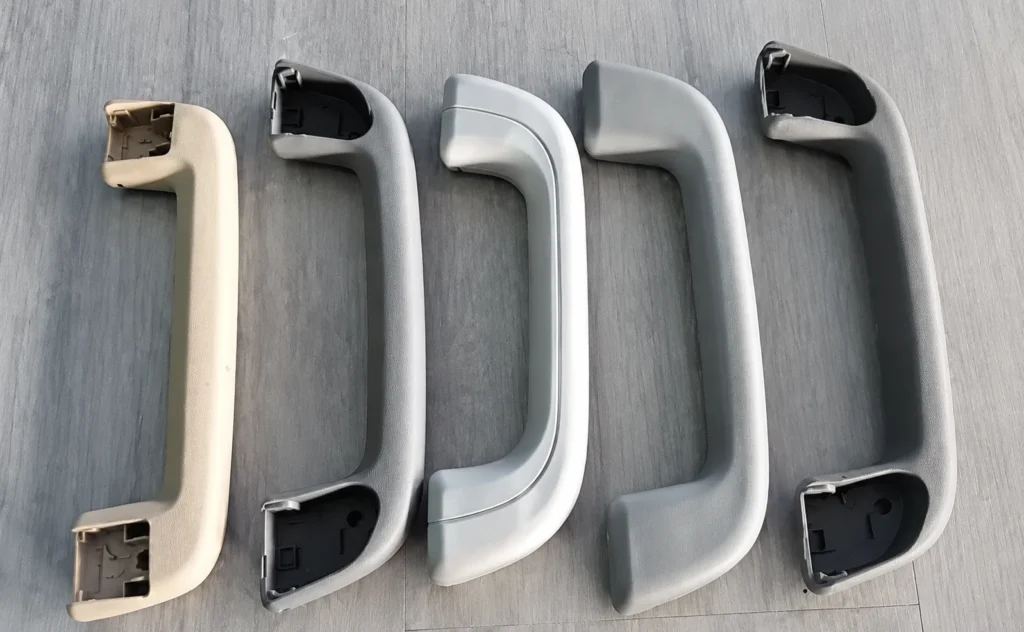
Handles & Grips
Hollow internal channels allow thick ergonomic handles and grips to be molded with less material while maintaining structural rigidity.
Applications may include:
- Tool handles
- Appliance handles
- Equipment grips
- Furniture components
- Large control handles
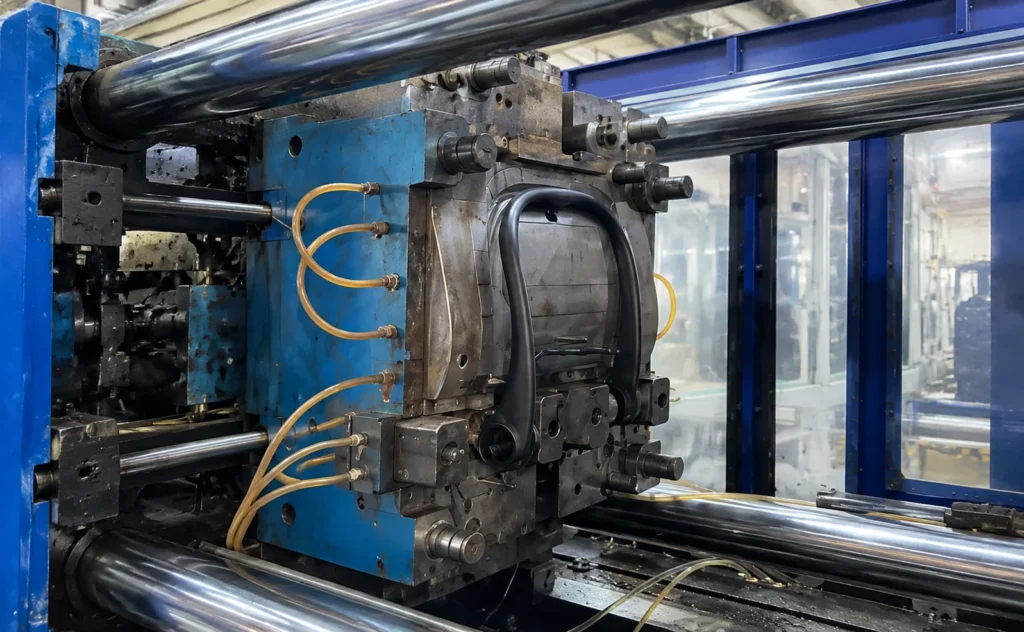
Frames & Structural Components
Gas-assisted molding can help create rigid plastic frames and structural sections without making the entire part solid.
Typical applications include:
- Equipment frames
- Structural supports
- Chassis components
- Furniture parts
- Large plastic structures
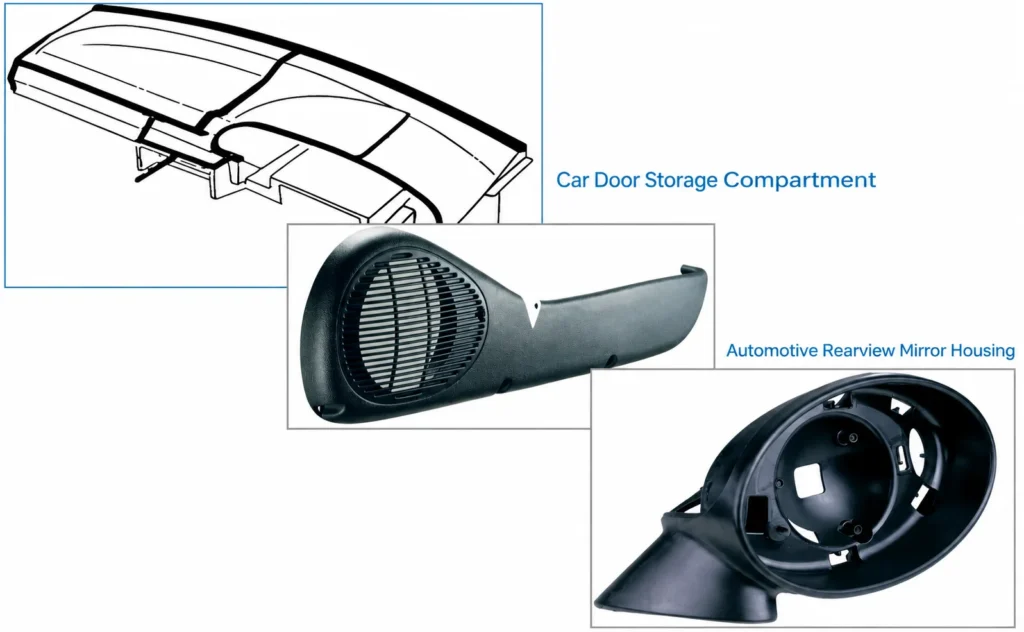
Large Cosmetic Parts
Large surfaces and varying wall thickness can increase the risk of sink marks and warpage in conventional molding.
Gas pressure can help maintain contact between the plastic and mold surface during cooling, supporting improved surface appearance.
Applications may include
- Appliance housings
- Equipment covers
- Automotive interior components
- Panels
- Large enclosures
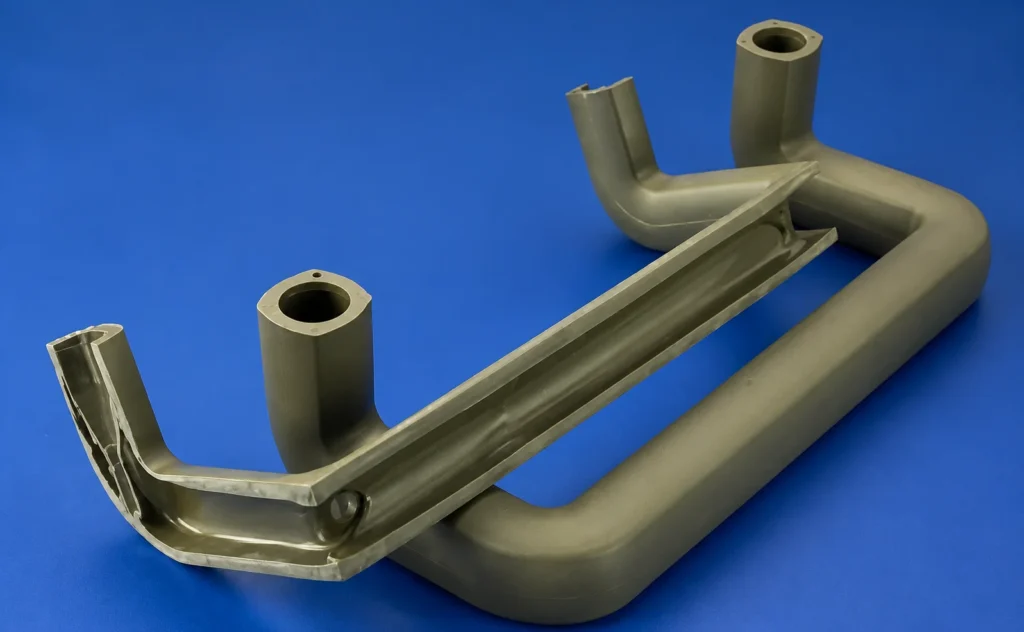
Thick-Wall Plastic Components
Gas-assist molding can be considered when product design requires thick structural features that would otherwise lead to excessive plastic usage, cooling time, or molding defects.
The suitability of the process should be confirmed through part-specific DFM and tooling analysis.
From Gas-Assist DFM to Stable Production
Successful gas-assist molding depends on controlling both material flow and gas behavior.
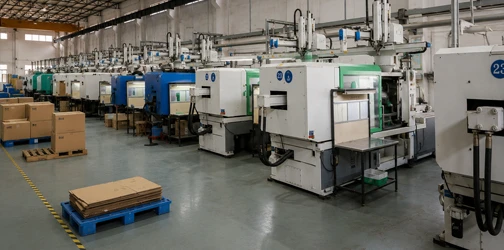
Maidder connects engineering, tooling, mold trials, process validation, and injection molding within one manufacturing workflow.
A typical production path may include:
Product Design → Gas-Assist DFM → Mold Design → Mold Manufacturing → T1 Sampling → Gas Channel Validation → Process Optimization → Gas-Assist Injection Molding → Assembly → Mass Production
This coordinated approach helps carry engineering decisions from initial part design into repeat production.
Gas-Assist Injection Molding FAQs
What is gas-assist injection molding?
Gas-assist injection molding is a plastic molding process that introduces pressurized gas, typically nitrogen, into molten plastic during the injection molding cycle.
The gas displaces plastic from selected thick sections and forms hollow internal channels while helping push the remaining material against the mold surface.
This can reduce part weight, material usage, sink marks, warpage, and cooling requirements.
What types of parts are suitable for gas-assist molding?
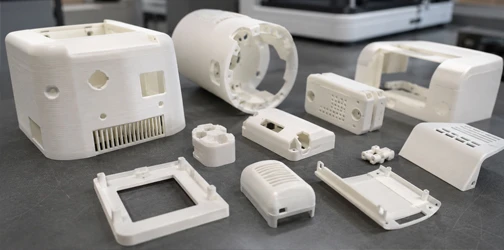
Gas-assist molding is often suitable for large or thick-wall plastic parts, handles, frames, structural components, housings, panels, and other products where hollow sections can reduce material without compromising the required outer geometry.
The actual suitability depends on part geometry, gas channel design, materials, appearance requirements, and tooling strategy.
What materials can be used for gas-assist injection molding?
Many thermoplastics used in conventional injection molding can also be considered for gas-assist molding.
Possible materials include ABS, PC, PC/ABS, PP, PA/Nylon, PBT, and other engineering plastics depending on part performance and processing requirements.
Material flow, shrinkage, stiffness, appearance, and gas channel behavior should be reviewed before final selection.
What is the difference between gas-assist molding and conventional injection molding?
Conventional injection molding normally fills the required part geometry with solid plastic.
Gas-assist molding introduces controlled gas into selected sections of the molten plastic to create internal hollow channels.
This can reduce material usage and weight while helping address sink marks, warpage, internal stress, and cooling time in suitable part designs.
Can Maidder support gas-assist molding from DFM through mass production?
Yes. Maidder can support gas-assist DFM, material review, mold design and manufacturing, T1 sampling, gas channel validation, process optimization, injection molding, secondary operations, assembly, and mass production.
This allows part design, tooling, and molding parameters to be coordinated throughout the manufacturing process.
Contact Us
Have a product idea or manufacturing requirement? Our engineering team supports you from product development and rapid prototyping to custom injection molds, injection molding and mass production. Share your CAD files, drawings or project details, and we’ll help define the right solution.