
Insert Molding Services for Metal and Plastic Parts
Integrate metal inserts and plastic components into durable, functional molded parts
with fewer assembly steps.
Maidder provides custom insert molding services for plastic products requiring reinforced
threads, metal bushings, electrical contacts, mounting features, and other integrated components.
Why Choose Insert Molding?
Insert molding combines preformed components with injection-molded plastic in a single molding operation.By positioning inserts inside the mold before plastic injection, the process can integrate functional features without requiring separate installation after molding.
Our insert injection molding solutions combine preformed metal or other compatible inserts with thermoplastics during the molding process, creating integrated parts with reliable mechanical retention and precise component positioning.From insert molding DFM and mold manufacturing to T1 sampling, process validation, and mass production, Maidder helps simplify manufacturing while improving product functionality and assembly efficiency.
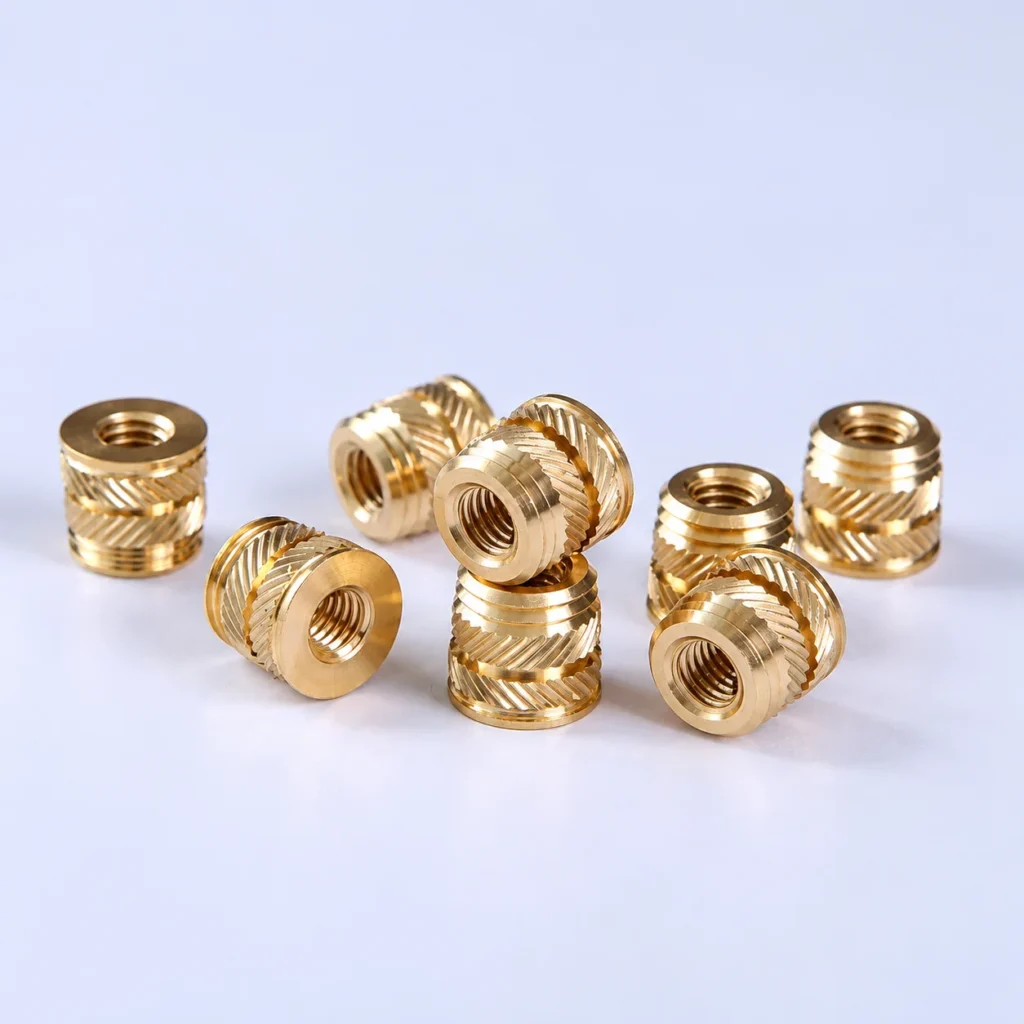
Stronger Fastening & Durability
Molded-in metal inserts can provide durable threads, reinforced mounting points, and wear-resistant interfaces.
They are particularly useful for plastic components requiring repeated fastening, mechanical loads, or reliable connections.
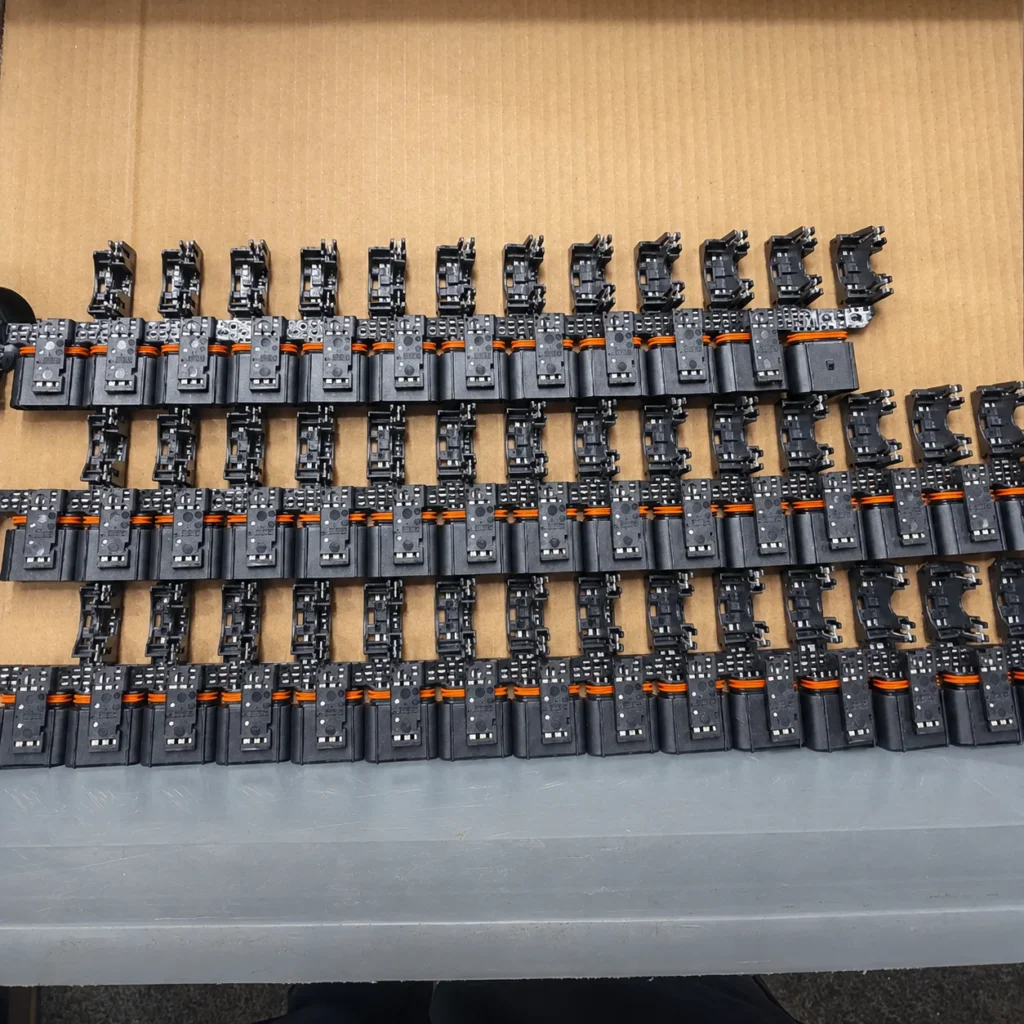
Reduce Secondary Assembly
Insert molding can eliminate separate insert installation steps, reducing component handling and downstream assembly operations.
For suitable production volumes, this can improve manufacturing efficiency and reduce overall assembly costs.
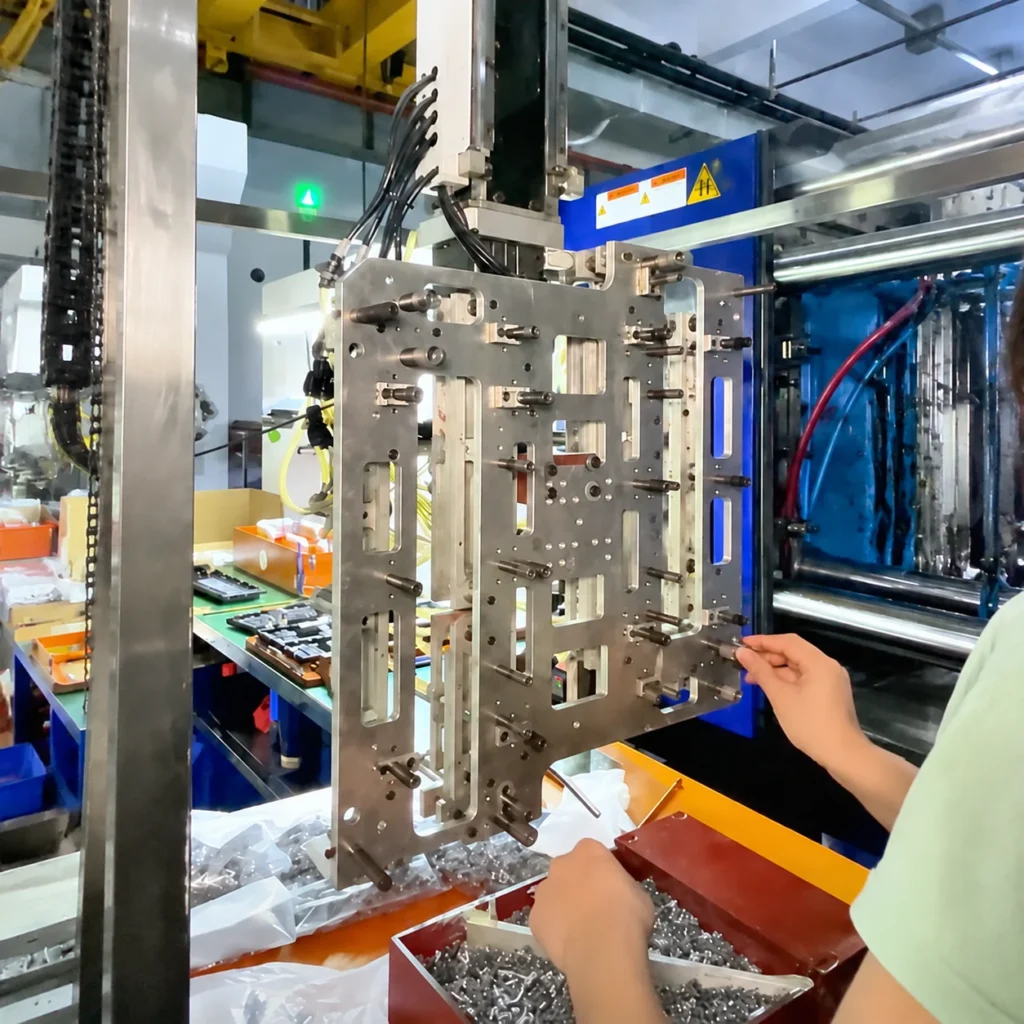
Precise Component Integration
Inserts are positioned inside the mold before injection, allowing metal and plastic features to be integrated into a single component.
With appropriate tooling and process control, insert molding supports consistent alignment of threads, bushings, pins, and other embedded components.
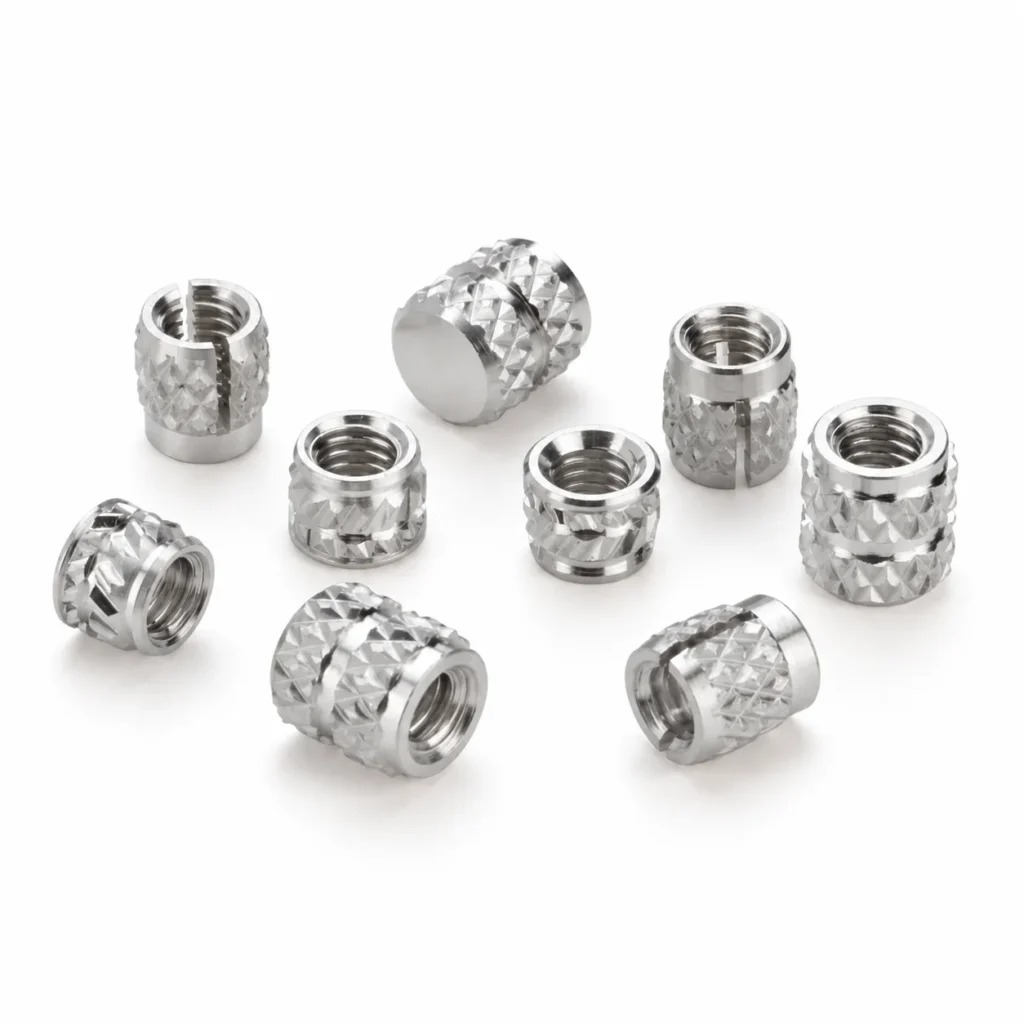
Improve Product Functionality
Metal inserts can add mechanical strength, electrical conductivity, wear resistance, or connection features that may be difficult to achieve using plastic alone.
This makes insert molding useful for consumer electronics, industrial equipment, tools, and other multi-material products.
Insert Molding Materials and DFM Considerations
Successful insert molding depends on the insert material, plastic resin, retention geometry, tooling design, and molding conditions. Our engineering team reviews these factors before tooling to help reduce insert movement, plastic cracking, dimensional variation, and other manufacturing risks.
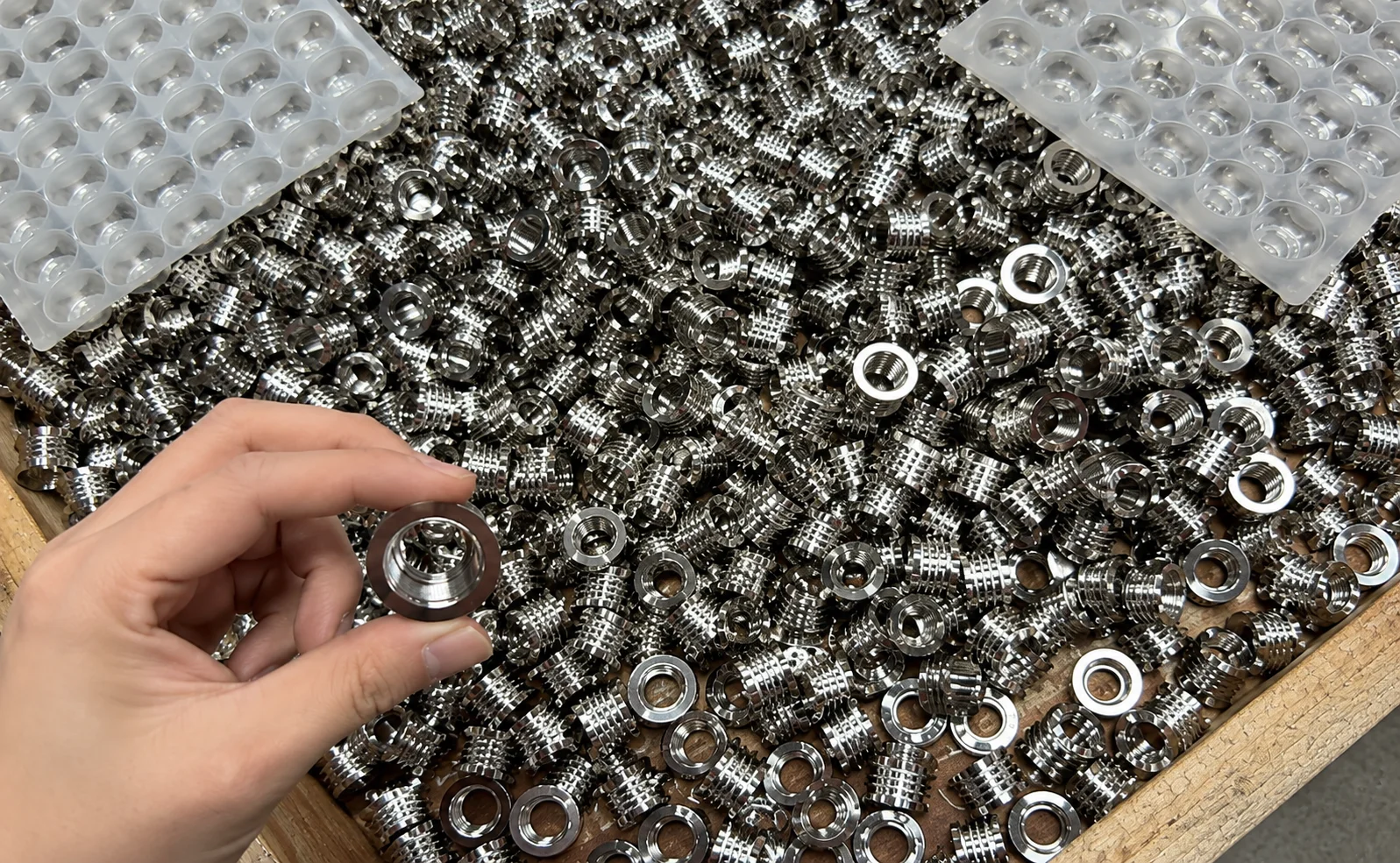
Metal Inserts & Embedded Components
Common insert options may include:
- Brass threaded inserts
- Stainless steel inserts
- Steel bushings and sleeves
- Metal pins and studs
- Electrical contacts and terminals
- Custom machined metal inserts
The appropriate insert is selected according to fastening requirements, mechanical loads, corrosion resistance, electrical properties, and product design.
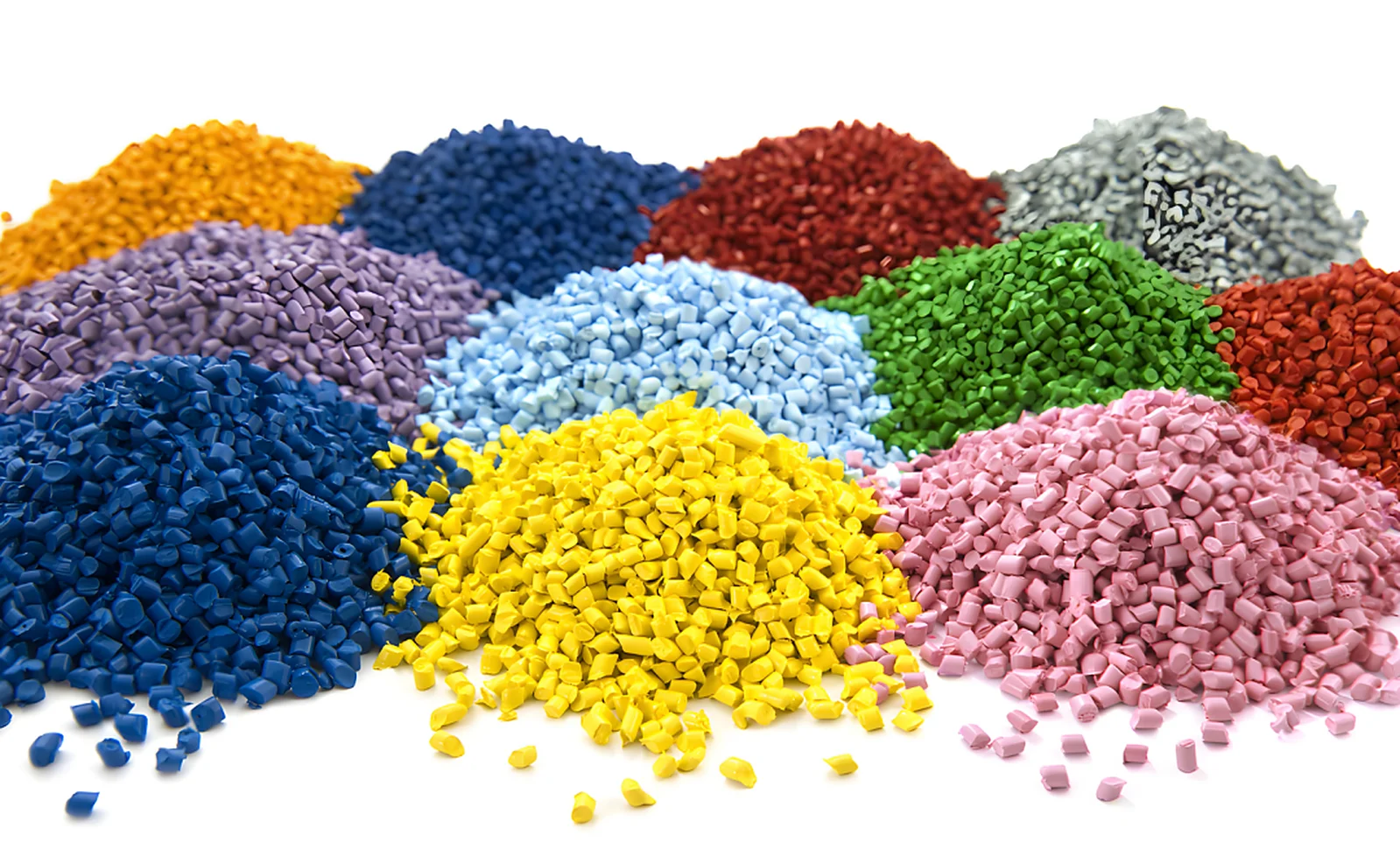
Plastic Material Selection
Insert molding can use various engineering and general-purpose thermoplastics, depending on the application.
Possible materials include:
- ABS
- PC
- PC/ABS
- PP
- PA / Nylon
- PBT
- POM
- Other compatible thermoplastics
Material selection should consider molding temperature, shrinkage, strength, dimensional stability, insert retention, and operating conditions.
Insert Retention & Part Design
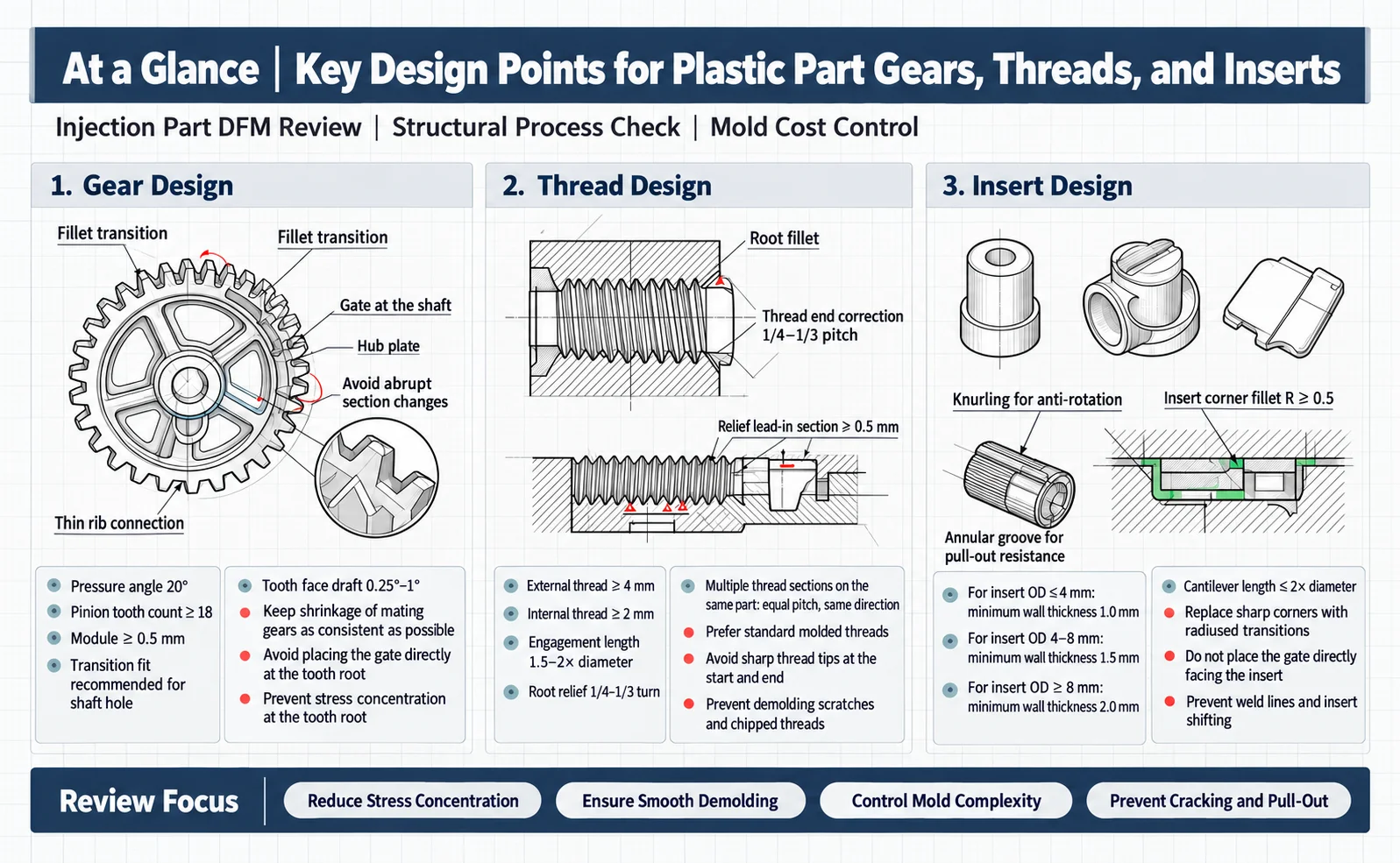
Secure insert retention is essential for consistent product performance. Our insert molding DFM review considers:
- Insert geometry and dimensions
- Knurls, grooves, and locking features
- Plastic wall thickness
- Insert positioning
- Boss and surrounding geometry
- Shrinkage and thermal expansion
- Material flow
- Gate locations
- Parting lines and shut-offs
- Insert pull-out and torque requirements
Mechanical retention features can help improve the connection between the insert and surrounding plastic.
Insert Positioning & Mold Tooling
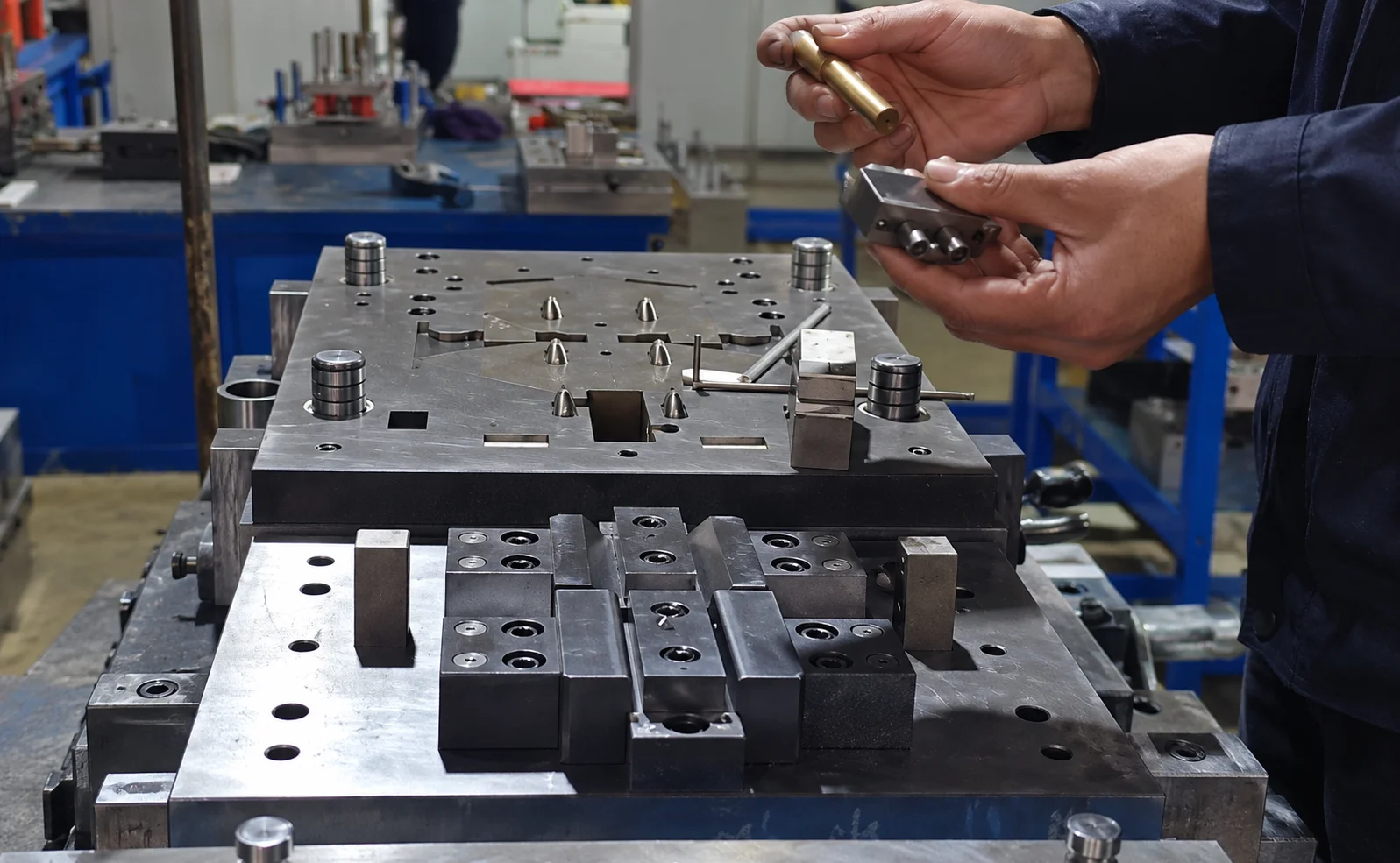
Inserts must remain accurately positioned during injection molding.
Mold design may include locating pins, cores, fixtures, or other features to secure inserts and prevent movement during filling.
Tooling should also protect threaded holes, contact surfaces, and other critical insert features from unwanted plastic flow or damage.
Need Custom Insert Molded Parts?
Whether your product requires metal threaded inserts, reinforced mounting points, electrical contacts, or integrated metal and plastic components, Maidder can help evaluate the appropriate insert molding solution.
Send us your CAD files, insert specifications, plastic materials, expected quantities, and functional requirements for a DFM and tooling review.
From custom insert mold design to T1 validation and injection molding production, our engineering team can support your project through the complete manufacturing process.
Our Insert Molding Process
Maidder connects insert design, tooling, injection molding, and validation to support consistent production of custom insert molded parts.
01
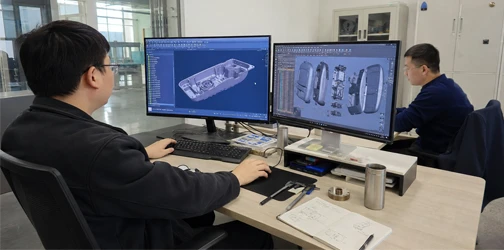
CAD & Insert Requirements Review
Provide your 3D CAD files, insert specifications, plastic materials, quantities, tolerances, and functional requirements. Our engineers review the insert geometry, positioning, retention requirements, and overall part design.
02
Insert Molding DFM
We evaluate part geometry, plastic wall thickness, material shrinkage, insert retention, gate locations, tooling requirements, and potential manufacturing risks. Recommended changes can be addressed before mold manufacturing.
03
Mold Design & Manufacturing
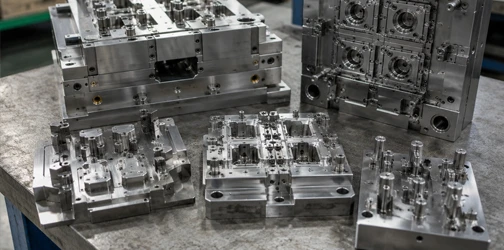
The mold is designed to securely position the inserts and allow plastic to flow around the required features. Core and cavity design, insert locating features, runners, gates, cooling, and ejection are coordinated according to part and production requirements.
04
T1 Sampling & Validation
Initial insert molded parts are evaluated for:
- Insert positioning
- Dimensional accuracy
- Plastic coverage
- Thread integrity
- Surface appearance
- Fit and assembly
- Insert retention
- Functional performance
Where specified, pull-out or torque resistance testing can help validate the insert-to-plastic connection.
05
Process Validation & Production
After sample approval, molding conditions and insert handling procedures are refined for repeat production. Inspection and process controls help maintain consistent insert positioning, dimensions, retention, and molded part quality.
Insert Molding Applications
Insert molding is particularly useful for products requiring metal features integrated into plastic structures. Maidder can coordinate insert molding with engineering, tooling, secondary operations, assembly, and production requirements.
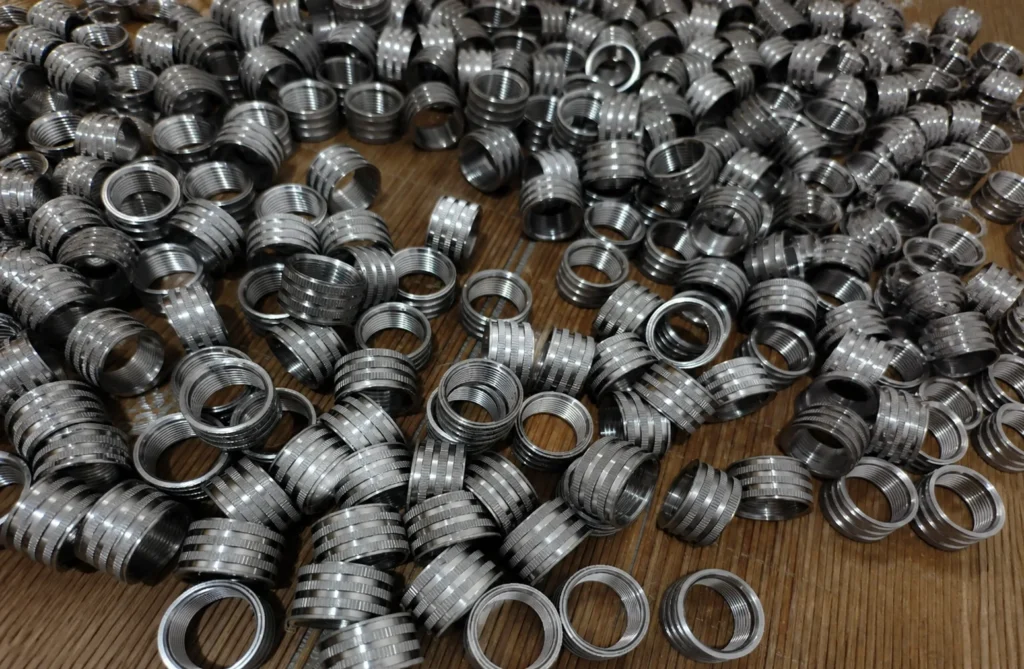
Threaded Inserts & Fastening Components
Metal threaded inserts create durable fastening points in plastic housings and structural components. Typical applications include:
- Electronic enclosures
- Equipment housings
- Plastic mounting brackets
- Tool components
- Industrial assemblies
- Products requiring repeated fastening
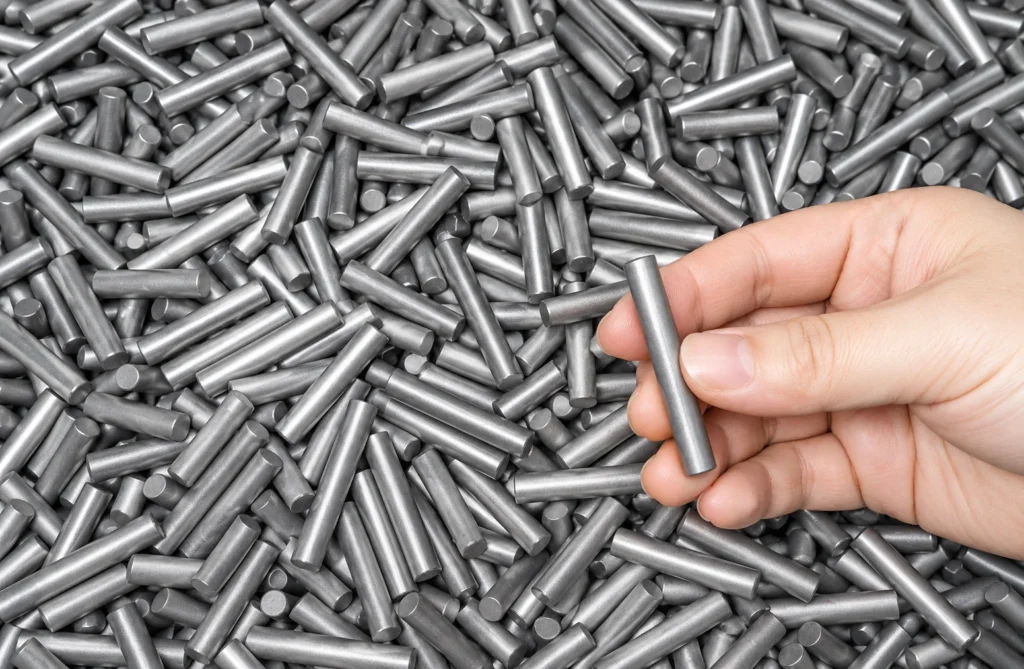
Bushings, Pins & Structural Inserts
Metal bushings, sleeves, and pins can be molded into plastic components to improve wear resistance, alignment, mechanical support, or connection strength. These features are useful where plastic components interact with shafts, moving parts, fasteners, or other mechanical assemblies.
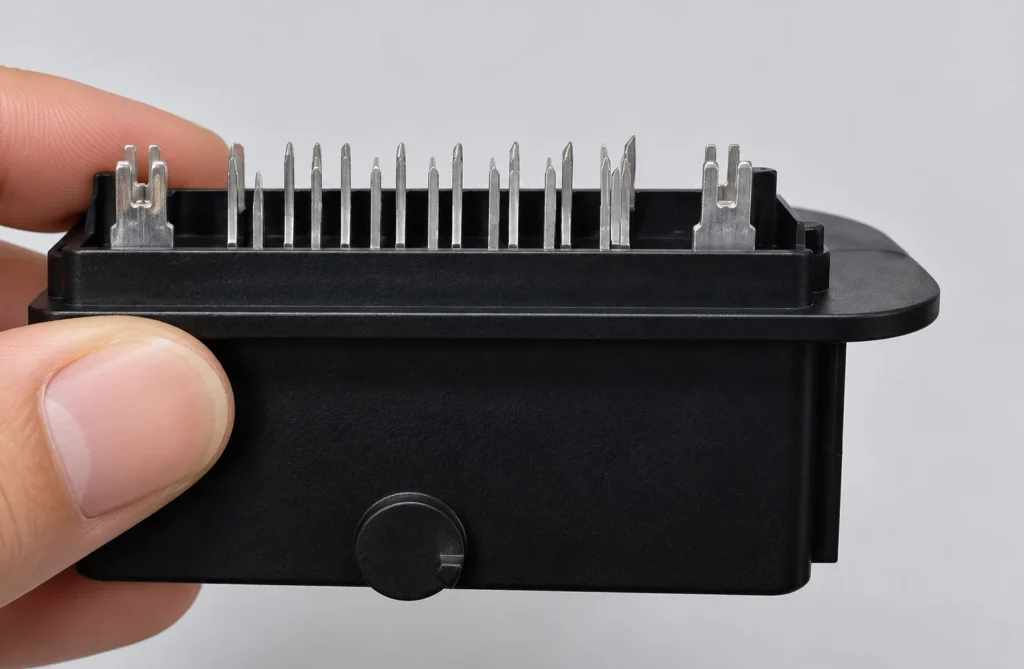
Electrical Components & Connectors
Insert molding can integrate conductive metal components with insulating plastic structures. Applications may include electrical contacts, connector components, terminals, and other parts requiring controlled positioning between metal and plastic features.
Insert Molding FAQs
What is insert molding?
Insert molding is an injection molding process in which a preformed component, typically metal, is placed inside a mold before molten plastic is injected around it.
Once the plastic cools and solidifies, the insert becomes mechanically retained within the molded part.
The process is commonly used to integrate threaded inserts, bushings, pins, electrical contacts, and other functional components into plastic products.
What types of inserts can be used in insert molding?
Common inserts include brass threaded inserts, stainless steel inserts, metal bushings, sleeves, pins, studs, and electrical contacts.
Custom machined inserts can also be used depending on the part geometry and functional requirements.
Insert selection should consider material compatibility, retention strength, dimensions, mechanical loads, and molding conditions.
What is the difference between insert molding and overmolding?
Both processes involve molding plastic around an existing component, but their typical applications differ.
Insert molding generally integrates preformed metal or other functional components into plastic parts to create reinforced threads, mounting features, electrical contacts, or mechanical connections.
Overmolding commonly adds a second plastic or elastomer material over an existing substrate to provide soft-touch surfaces, grip, sealing, or protection.
The processes overlap technically, but they serve different product design and manufacturing requirements.
Is insert molding better than heat staking?
The better method depends on the part design, production volume, and fastening requirements.
Insert molding places inserts into the mold before plastic injection, integrating them during the molding cycle and potentially eliminating secondary installation.
Heat staking installs inserts after the plastic part has already been molded.
Insert molding may provide stronger retention for suitable designs and inserts, while heat staking can offer simpler tooling or greater flexibility for certain projects.
The appropriate process should be evaluated through DFM and production cost analysis.
Can Maidder support insert molding from tooling to mass production?
Yes. Maidder can coordinate insert molding DFM, material and insert selection, mold design and manufacturing, T1 sampling, retention validation, process optimization, injection molding, and downstream assembly.
This provides a continuous manufacturing workflow from insert molded part development to repeat production.
Contact Us
Have a product idea or manufacturing requirement? Our engineering team supports you from product development and rapid prototyping to custom injection molds, injection molding and mass production. Share your CAD files, drawings or project details, and we’ll help define the right solution.