
Overmolding Services for Multi-Material Plastic Parts
Combine rigid structures with soft-touch, flexible, or protective materials in a single finished component.
Whether you are developing handheld products, electronic enclosures, tools, controls, or other multi-material components, we help prepare overmolded parts for reliable manufacturing.
Why Use Overmolding?
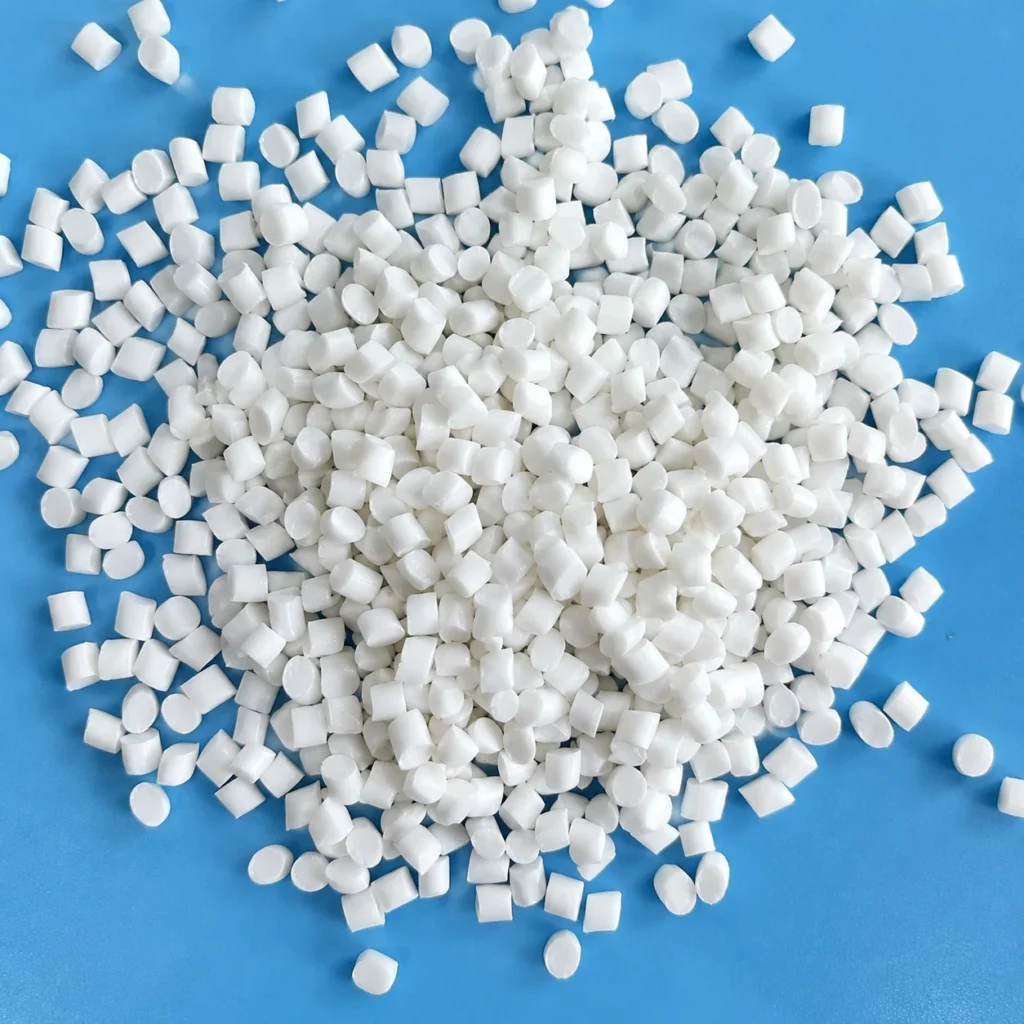
Overmolding combines a substrate with a second molded material to create one integrated component. It can reduce separate assembly operations while improving how the product feels, performs, and interacts with the user.
Maidder provides custom overmolding services for plastic products requiring improved grip, ergonomics, sealing, impact protection, appearance, or integrated functionality. Our engineering and tooling teams coordinate substrate design, overmold materials, bonding, part geometry, mold construction, and injection molding parameters from DFM through production.
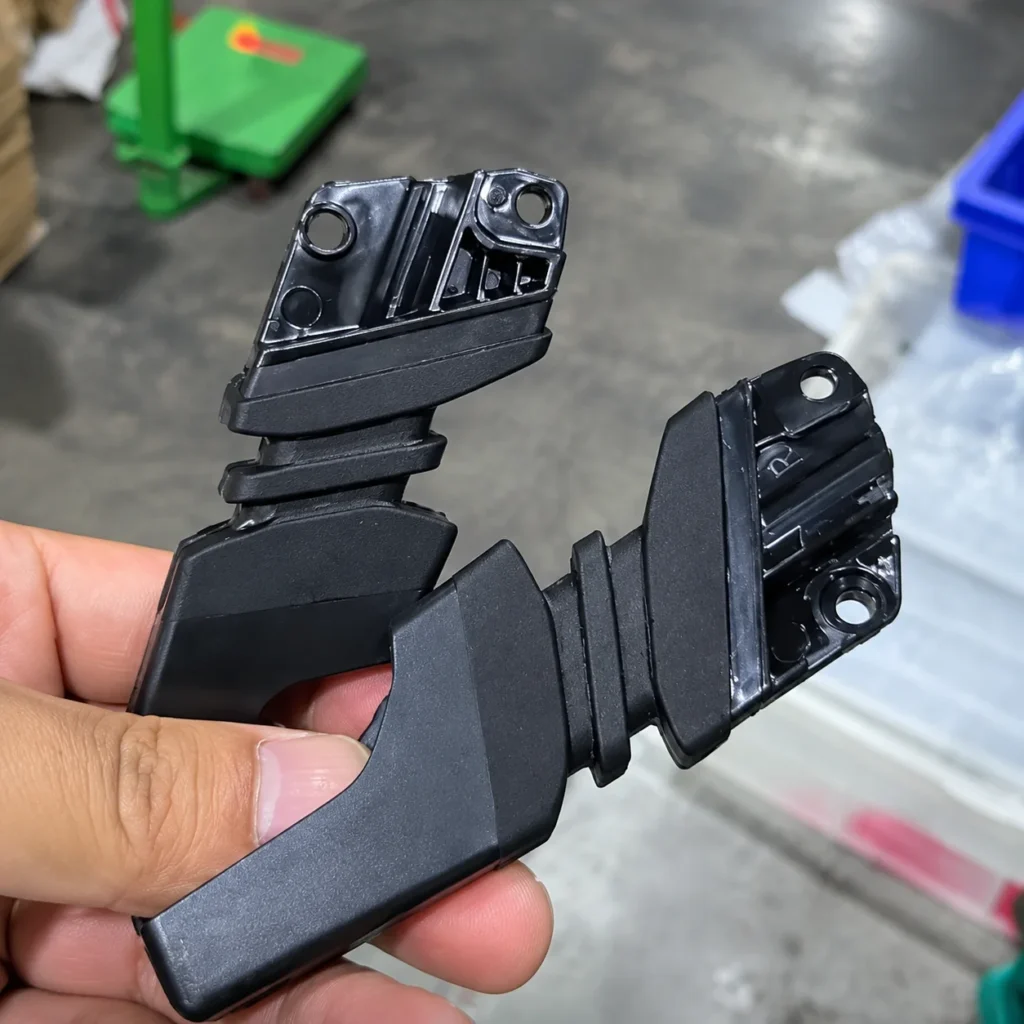
Soft-Touch Grip & Ergonomics
TPE or TPU overmolding can add softer contact surfaces to rigid plastic components.
This is commonly used for handles, grips, buttons, controls, and handheld products where comfort, slip resistance, or tactile feel is important.
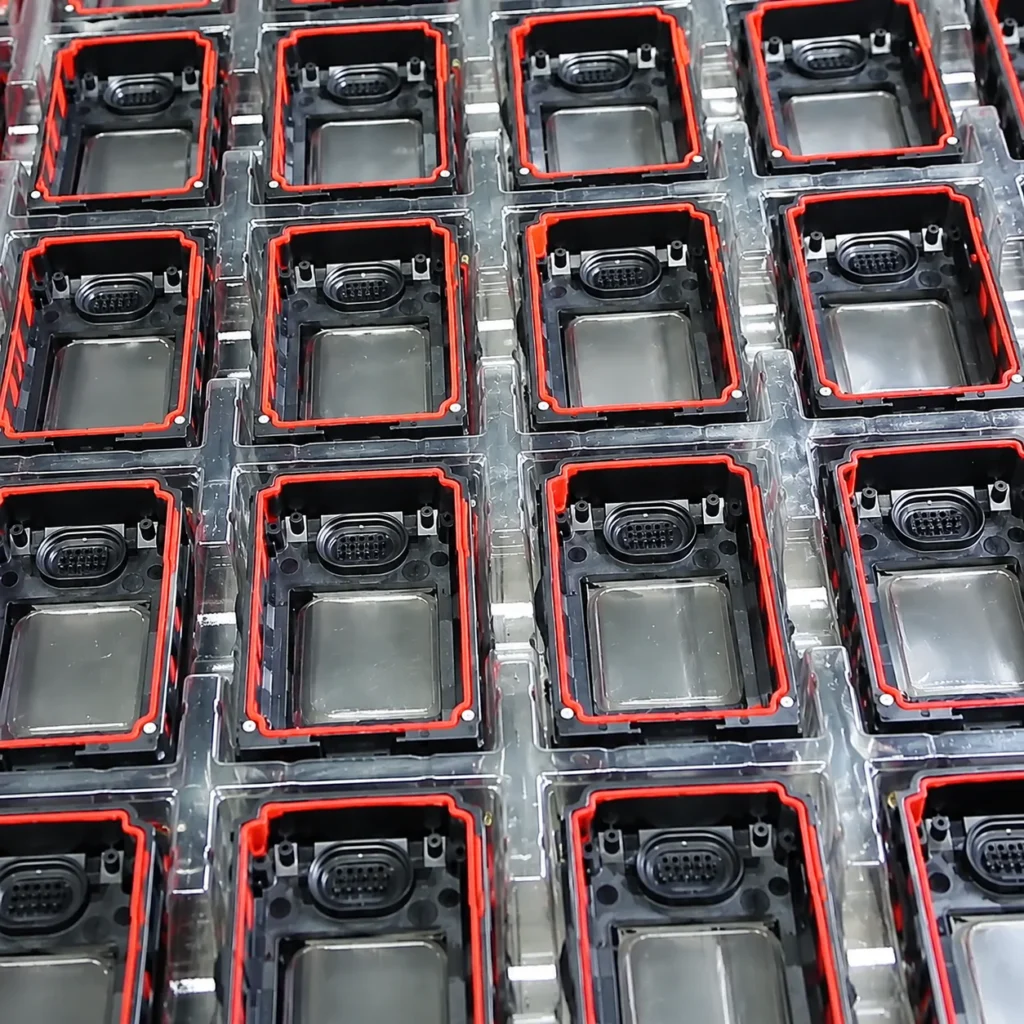
Sealing & Protection
Flexible overmold materials can provide protective features around product interfaces, housings, edges, or sensitive components.
Depending on the design, overmolding can support sealing, cushioning, vibration reduction, impact protection, and surface protection.
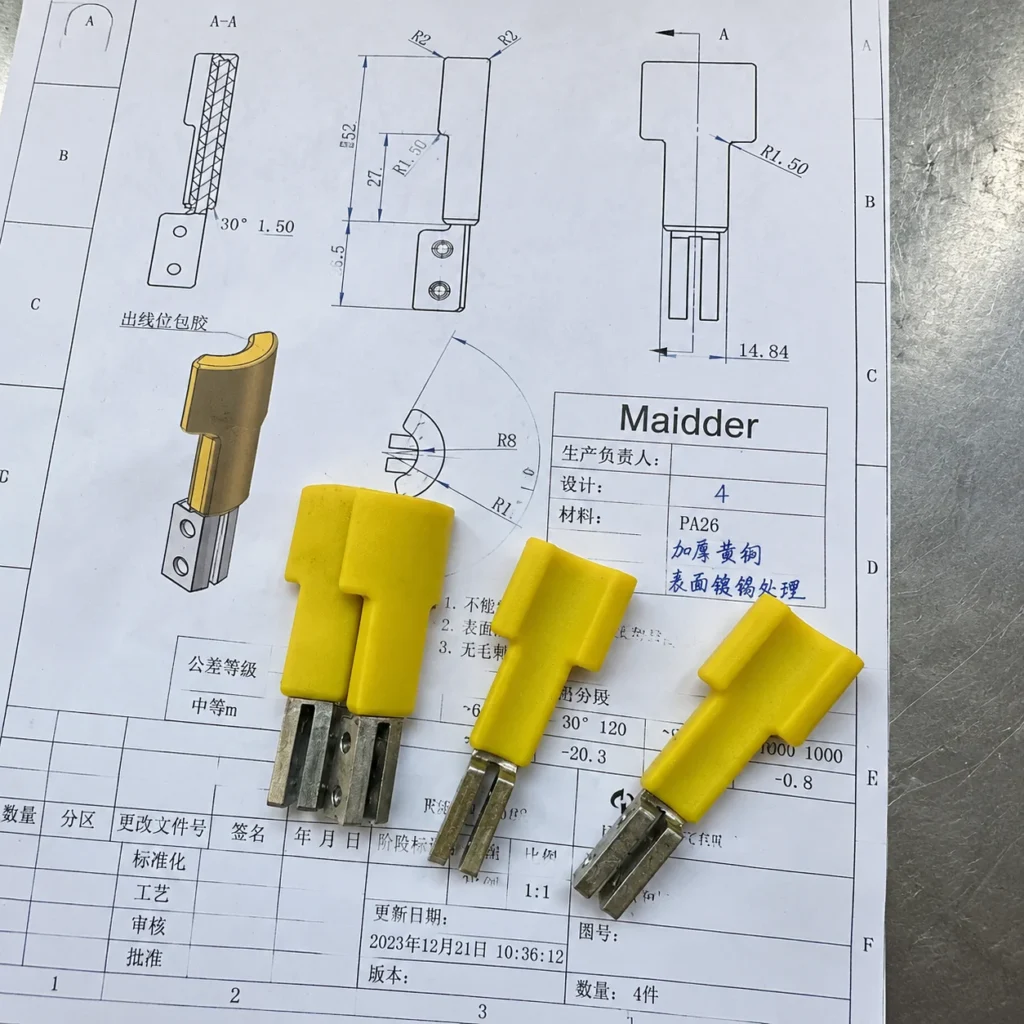
Integrated Product Features
Features that would otherwise require separate components or assembly operations can sometimes be incorporated directly into an overmolded part.
This can simplify product architecture while creating a cleaner and more integrated appearance.
Functional & Aesthetic Design
Overmolding can also introduce contrasting colors, textures, and surface characteristics while maintaining the structural properties of the underlying substrate.
This makes the process useful for products where appearance and functional performance must work together.
Overmolding Materials and Design Considerations
Successful overmolding depends on more than selecting a soft material. The substrate, overmold material, interface geometry, and molding process must work together.
Substrate & Overmold Materials
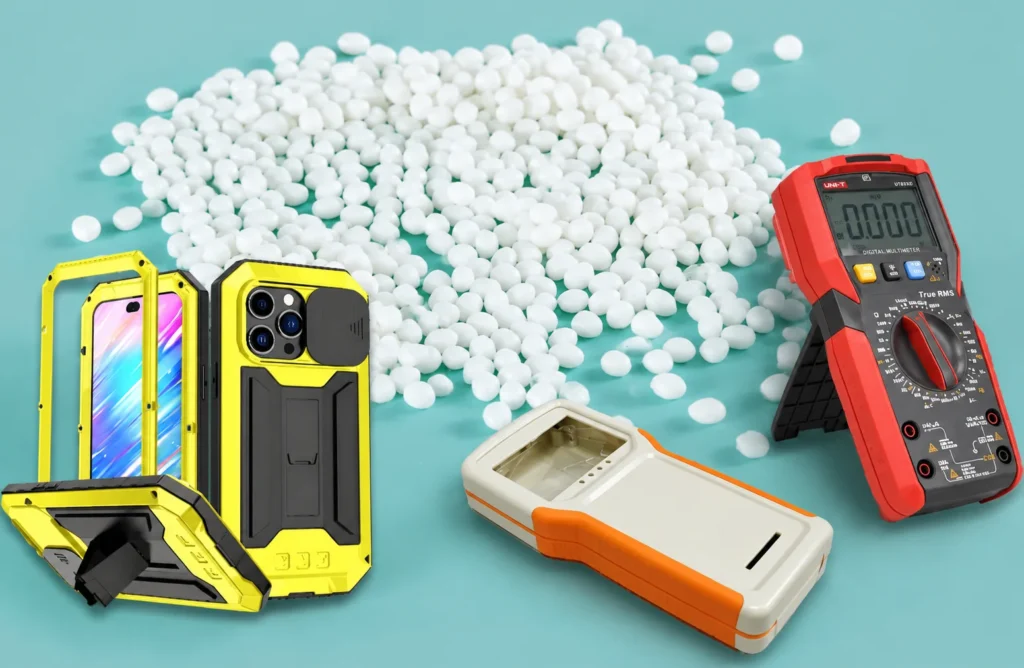
Common substrate materials include ABS, PC, PC/ABS, PA/Nylon, PP, and PBT.
Flexible overmolding materials may include TPE, TPU, TPV, and other compatible elastomers.
Material selection depends on hardness, flexibility, adhesion, chemical and temperature resistance, appearance, and product performance.
Material Compatibility & Bonding
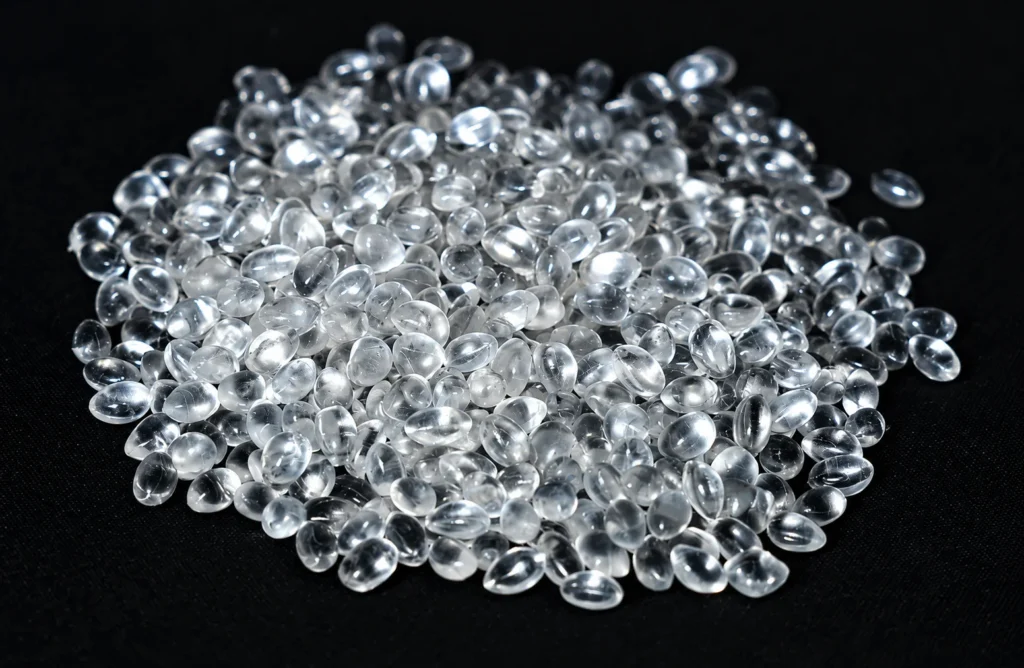
Material compatibility is critical in overmolding because not all plastics bond naturally.
Bonding may rely on chemical adhesion, mechanical retention, or both.
Features such as holes, grooves, undercuts, or interlocking geometry can improve mechanical bonding when needed.
Overmolding Part Design
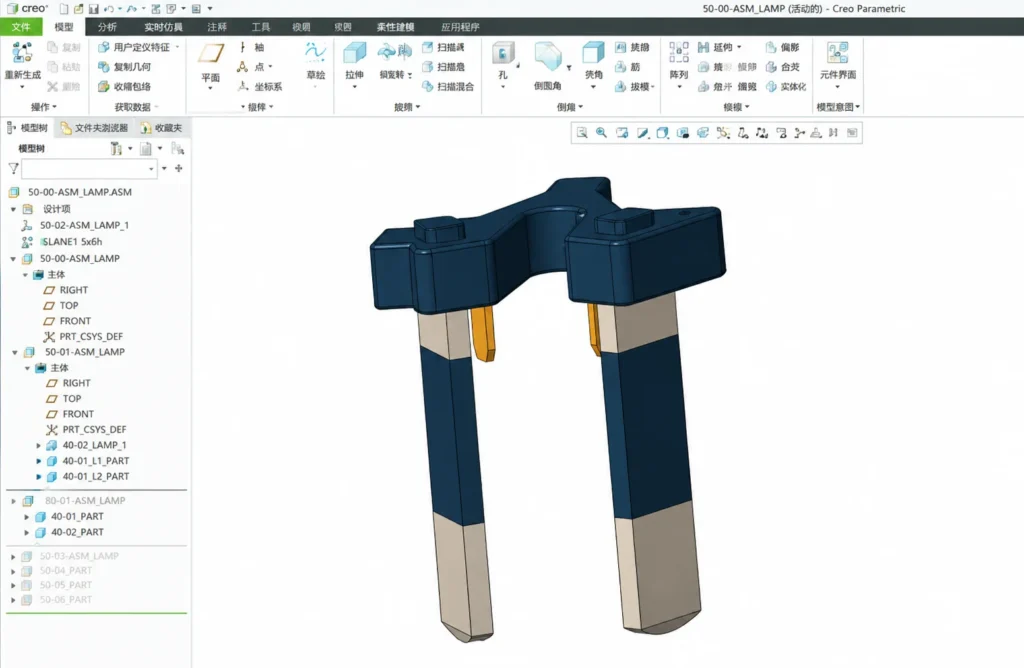
Our DFM review evaluates key overmolding design factors including wall thickness, draft, material flow, shut-offs, parting lines, substrate positioning, locking features, surface requirements, warpage, and ejection.
Reviewing these details before tooling helps improve moldability, bonding, appearance, and production consistency.
From Prototype to Low-Volume Production
01
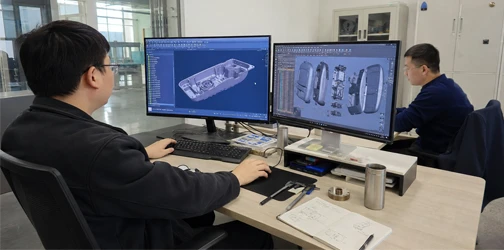
CAD & Project Review
Provide your 3D CAD files, materials, quantities, colors, surface requirements, tolerances, and functional requirements. Our engineering team reviews the product and overmolding objectives.
02
Material & Bonding Review
The substrate and overmold materials are evaluated for performance and compatibility. Chemical adhesion and mechanical bonding requirements are considered according to the selected materials and product application.
03
Overmolding DFM
We review part geometry, wall thickness, draft, shut-offs, material flow, substrate retention, parting lines, tooling requirements, and cosmetic surfaces. Potential manufacturing risks can then be addressed before mold manufacturing.
04
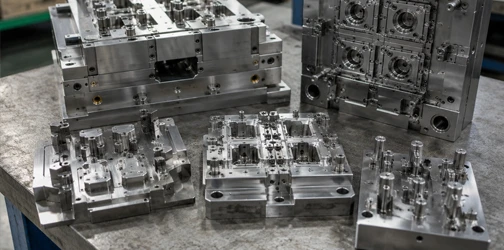
Mold Manufacturing & T1 Samples
After design approval, tooling is manufactured and initial samples are molded. T1 parts can be evaluated for dimensions, fit, appearance, bonding, overmold coverage, and other specified requirements.
05
Process Validation & Production
Once the tooling and samples are approved, molding parameters are refined for stable production. Quality inspection helps maintain consistent substrate positioning, material coverage, dimensions, appearance, and bonding throughout the production run.
Need Help Designing an Overmolded Part?
Send Maidder your CAD files, substrate and overmold requirements, expected quantities, surface specifications, and product application. Our engineers can review the design and identify potential material, bonding, and manufacturing risks before tooling.
From DFM and mold manufacturing to T1 validation and injection molding production, we can support the complete overmolding process.
From Overmold Tooling to Stable Production
Reliable overmolding requires consistent control of both the substrate and the second molding operation. Variations in substrate dimensions, positioning, material conditions, temperature, or injection parameters can affect bonding, appearance, and final part quality.
Substrate Control
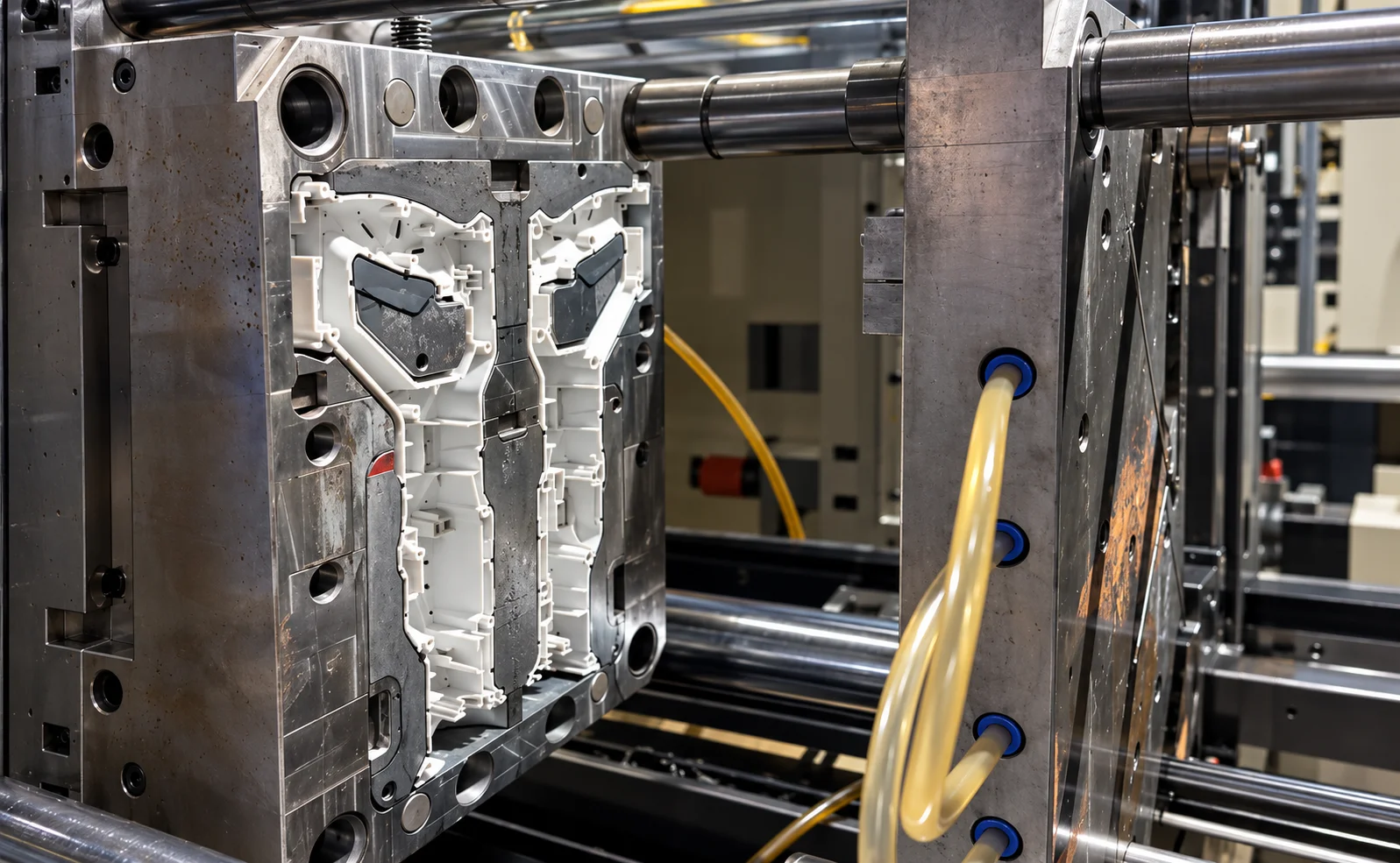
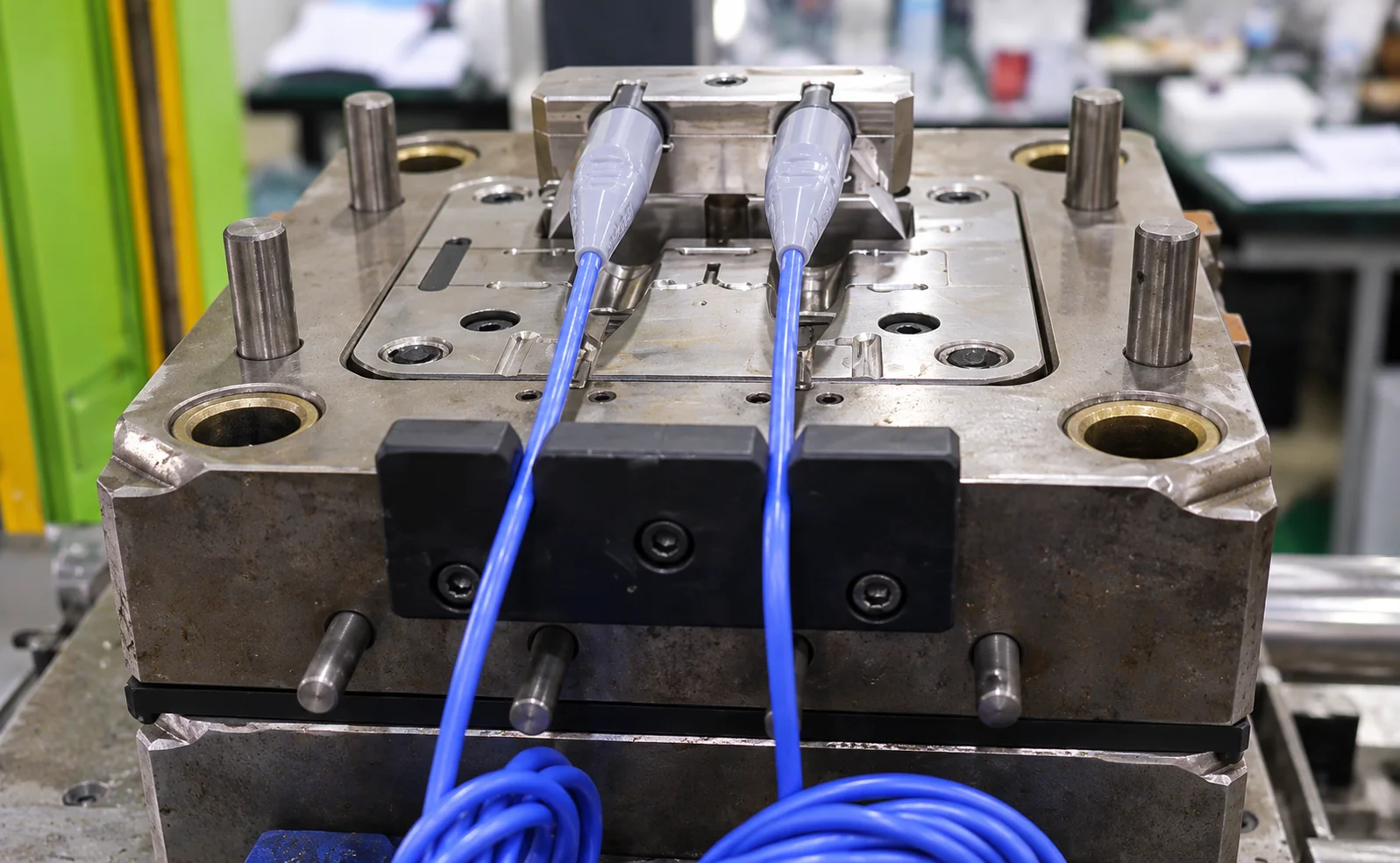
The substrate must fit consistently within the overmold tooling and remain properly positioned during molding.
Critical dimensions, locating features, and shut-off areas are reviewed to support reliable production.
Bonding & Interface Validation
Initial samples can be evaluated to confirm whether the selected material combination and interface design provide the required performance.
Where necessary, mechanical retention features or design details can be refined before production approval.
Appearance & Dimensional Inspection
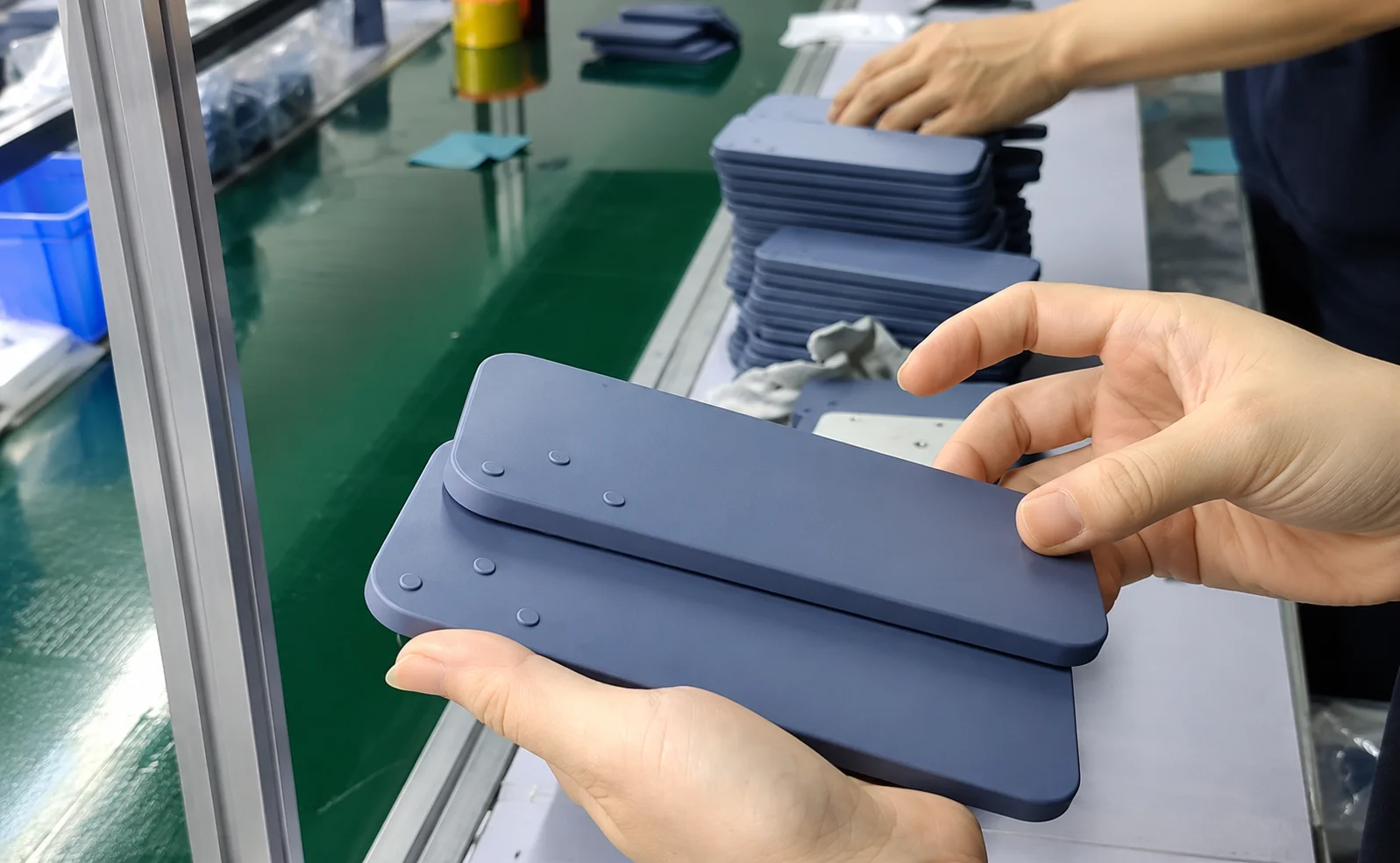
Overmold boundaries, flash, surface appearance, coverage, critical dimensions, and assembly interfaces can be checked during mold trials and production.
Production Scale-Up
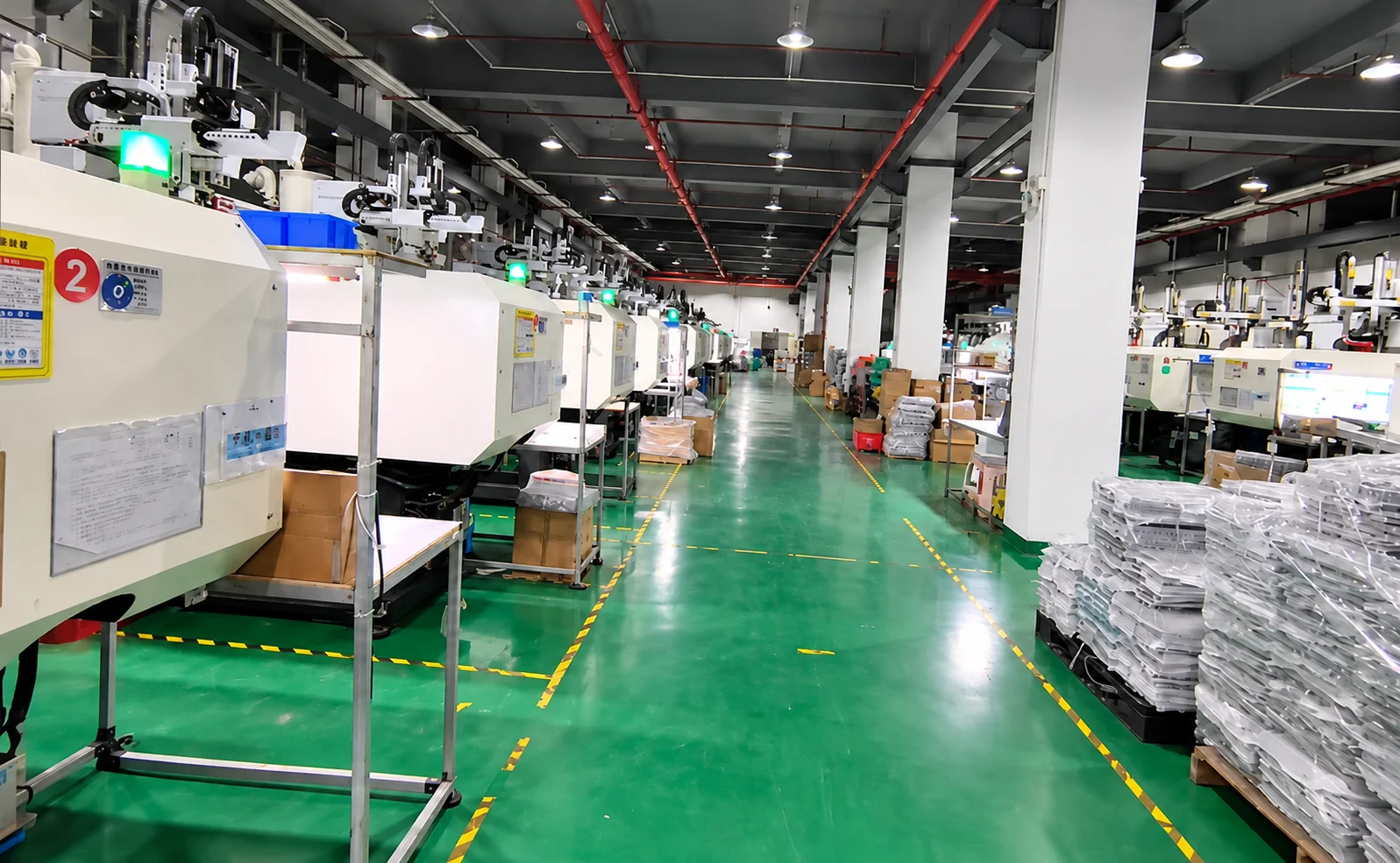
After the product and process are validated, Maidder can continue with repeat overmolding production, secondary operations, assembly, and mass production.
A typical workflow may include:
Product Design → Overmolding DFM → Mold Manufacturing → T1 Sampling → Bonding & Fit Validation → Process Validation → Overmolding Production → Assembly → Mass Production.
Low-Volume Manufacturing FAQs
What is overmolding?
Overmolding is an injection molding process in which an additional material is molded over an existing substrate to create one integrated component.
A common example is molding a flexible TPE or TPU material over a rigid plastic structure to add grip, cushioning, sealing, protection, or a soft-touch surface.
What materials can be used for overmolding?
Overmolding commonly combines a rigid thermoplastic substrate such as ABS, PC, PC/ABS, PA, PP, or PBT with a flexible material such as TPE or TPU.
However, material compatibility varies significantly between specific resin families and grades. The material pair should therefore be evaluated according to bonding, operating conditions, hardness, temperature, chemical resistance, and product requirements.
How do overmolded materials stay bonded together?
Overmolded materials can be joined through chemical adhesion, mechanical bonding, or both.
When the materials are chemically compatible, the second material may bond directly to the substrate during molding.
When chemical bonding is limited or additional retention is required, features such as holes, grooves, undercuts, or interlocking geometry can help mechanically secure the materials together.
What is the difference between overmolding and two-shot molding?
Both processes can combine multiple materials in one finished part, but the manufacturing approach is different.
Traditional overmolding commonly produces the substrate first and then places it into another mold for the second molding operation.
Two-shot molding typically uses specialized tooling and equipment to mold two materials or colors sequentially within a highly integrated production cycle.
The appropriate process depends on part design, production volume, materials, automation requirements, and tooling strategy.
Can Maidder support overmolding from DFM through mass production?
Yes. Maidder can coordinate overmolding DFM, material review, mold design and manufacturing, T1 sampling, process validation, injection molding, secondary operations, assembly, and mass production.
This allows product design, material bonding, tooling, and production requirements to be addressed within a coordinated manufacturing workflow.
Contact Us
Have a product idea or manufacturing requirement? Our engineering team supports you from product development and rapid prototyping to custom injection molds, injection molding and mass production. Share your CAD files, drawings or project details, and we’ll help define the right solution.