
Plastic Injection Molding Services for Custom Parts
From DFM and mold making to stable production, Maidder provides plastic injection molding services for high-quality custom plastic parts across low-, medium-, and high-volume manufacturing.
Our engineering, tooling, and molding teams work together to manage moldability, materials, tooling, T1 samples, process validation, quality control, and production within one coordinated workflow.
Custom Plastic Injection Molding for Production Parts
Custom Plastic Injection Molding for Production Parts
Plastic injection molding is an efficient manufacturing process for producing consistent, high-quality plastic components at scale.
Maidder provides custom plastic injection molding for consumer electronics, industrial equipment, tools and hardware, home products, enclosures, and other plastic products.
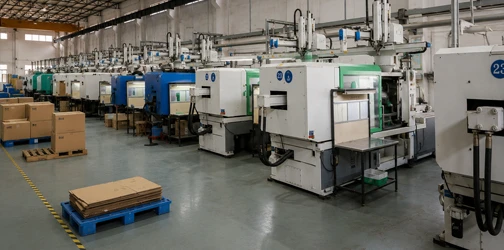
Our plastic injection molding services support projects from initial production runs through long-term manufacturing. With a wide range of thermoplastics, flexible mold configurations, and molding capacity for both small and large parts, we help move validated designs into reliable production.
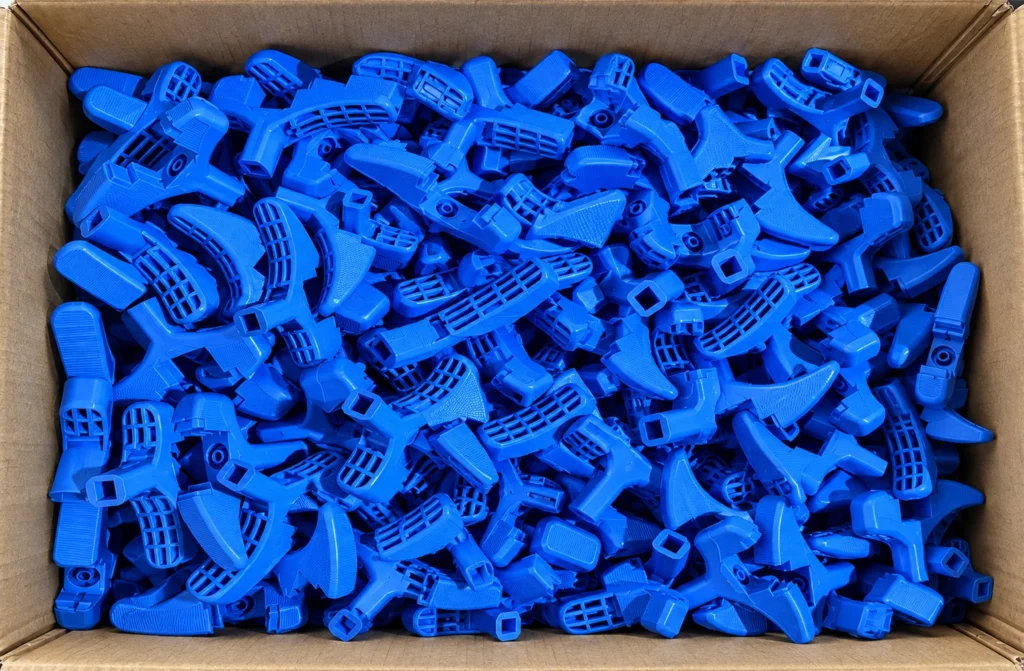
Low- to High-Volume Plastic Injection Molding
Production requirements vary throughout the product lifecycle.
We support low-volume plastic injection molding, bridge production, and scalable mass production using tooling strategies matched to expected volume, part complexity, materials, and product requirements.
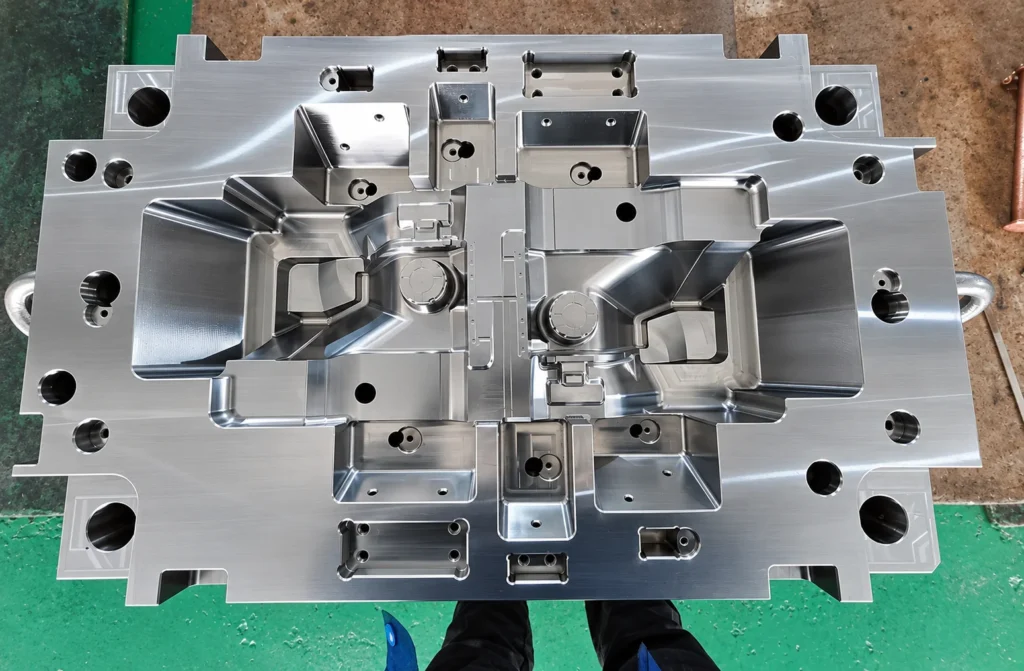
Injection Mold Tooling
Reliable injection molded plastic parts begin with a well-designed mold.
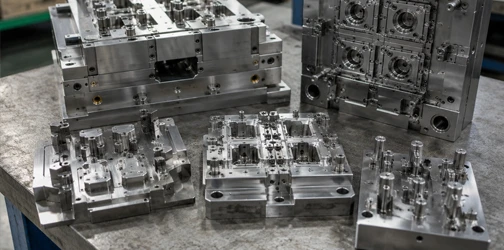
Our tooling and molding teams coordinate mold structure, cavities, runner systems, gates, ejectors, slides, lifters, cooling, and other tooling requirements based on the part design and expected production volume.
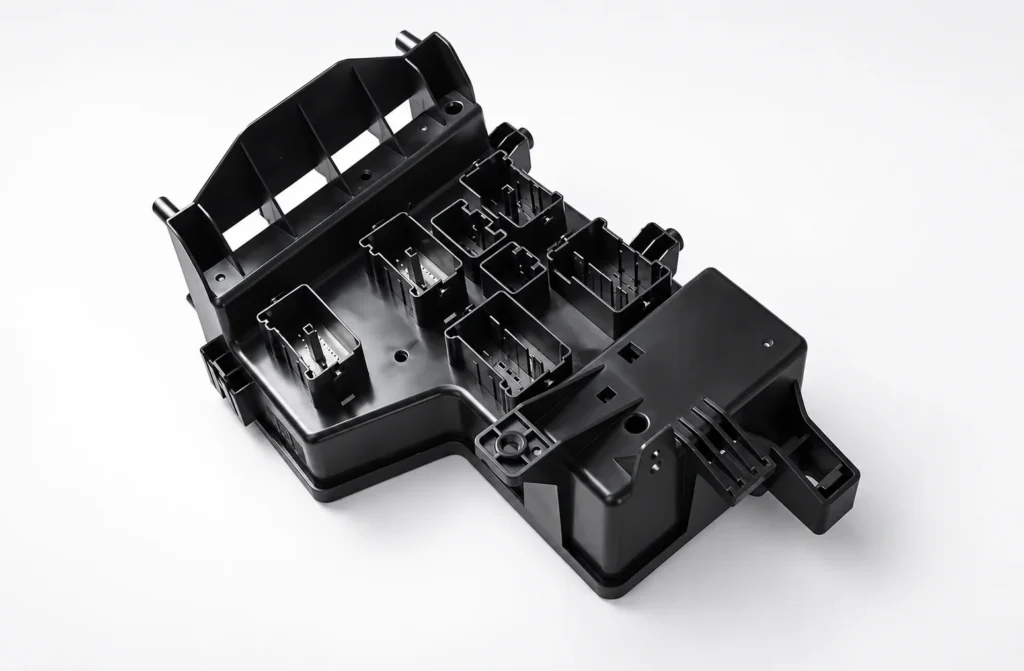
Complex Molded Parts
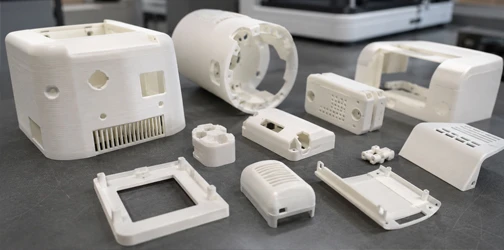
Our plastic injection molding capabilities can support complex geometries, undercuts, snap-fits, threaded inserts, multiple components, cosmetic surfaces, and tight assembly interfaces.
Specialized processes such as overmolding, insert molding, gas-assist molding, and two-shot molding can also be considered where appropriate.
From DFM to Stable Plastic Injection Molding Production
Our plastic injection molding process begins before mold manufacturing.
By reviewing part geometry, mold design, materials, and production requirements together, potential manufacturing risks can be identified before they become expensive tooling or production problems.
01
Project & CAD Review
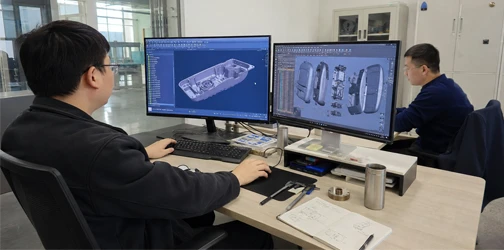
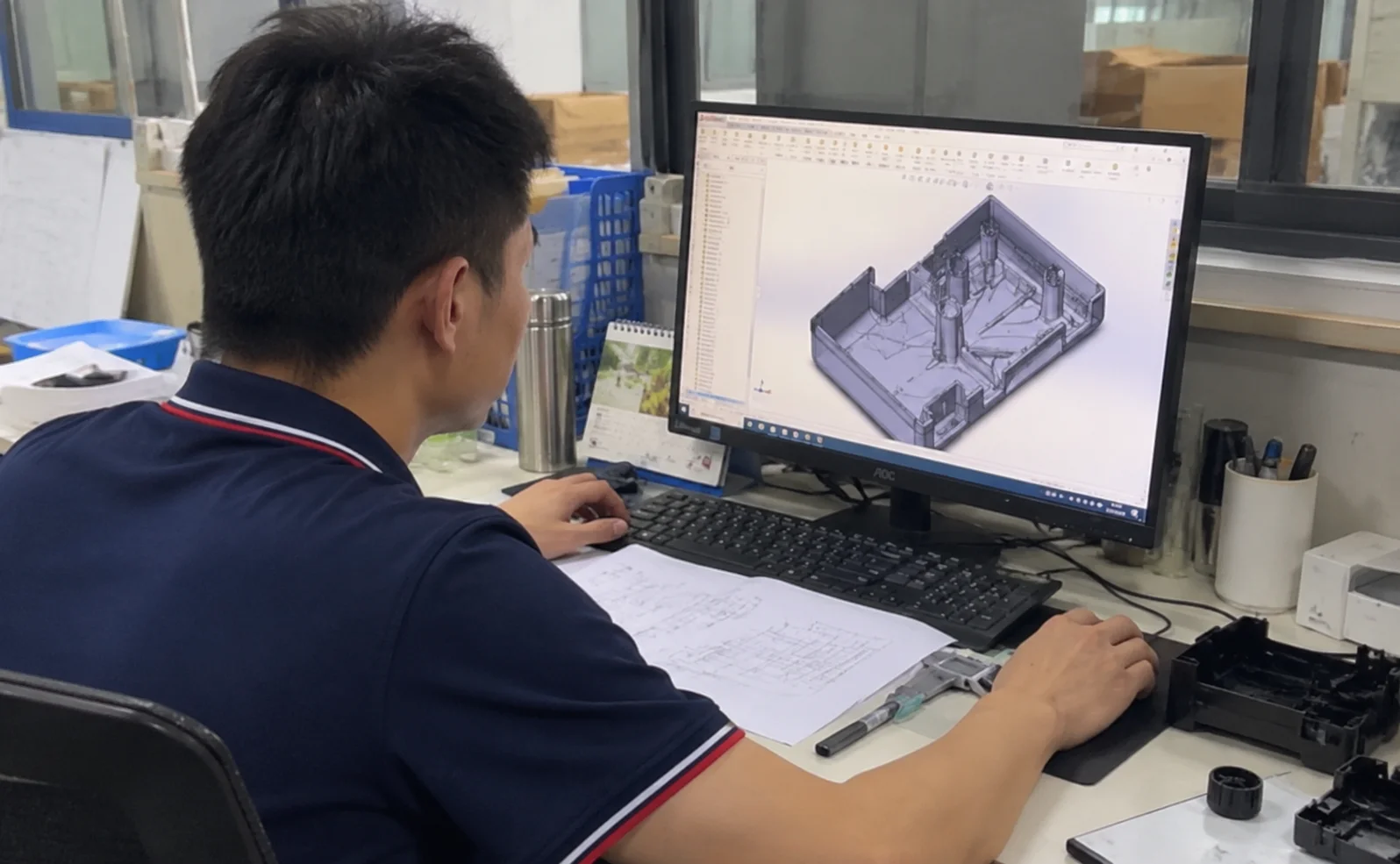
Provide your 3D CAD files, drawings, materials, production quantities, surface requirements, tolerances, and other project specifications. Our engineers review the information and define the appropriate plastic injection molding approach.
02
Injection Molding DFM
The plastic part is reviewed for moldability, including wall thickness, draft, ribs, bosses, undercuts, parting lines, gates, ejectors, tolerances, materials, and cosmetic requirements. Recommended changes can be addressed before mold manufacturing begins.
03
Mold Design & Manufacturing
After DFM approval, the injection mold is designed and manufactured according to the required production strategy. Single-cavity, multi-cavity, and other mold configurations can be selected based on part geometry, production volume, quality, and cost requirements.
04
T1 Samples & Process Validation
Initial T1 injection molded samples are evaluated for dimensions, appearance, fit, assembly, and other specified requirements. Tooling or molding parameters can be adjusted where necessary before production approval.
05
Plastic Injection Molding Production
Once samples and process conditions are approved, the project moves into stable plastic injection molding production. Process controls and quality inspection help maintain consistent molded part quality throughout the production run.
Ready to Start Your Injection Molding Project?
Send Maidder your CAD files, drawings, materials, estimated quantities, tolerances, and surface requirements. Our engineering team can review your project for moldability, tooling strategy, production requirements, and potential manufacturing risks.
Materials, Finishes and Quality Control
Plastic injection molded part performance depends on more than the mold itself. Materials, surface requirements, dimensional control, and secondary operations must also be matched to the product application.
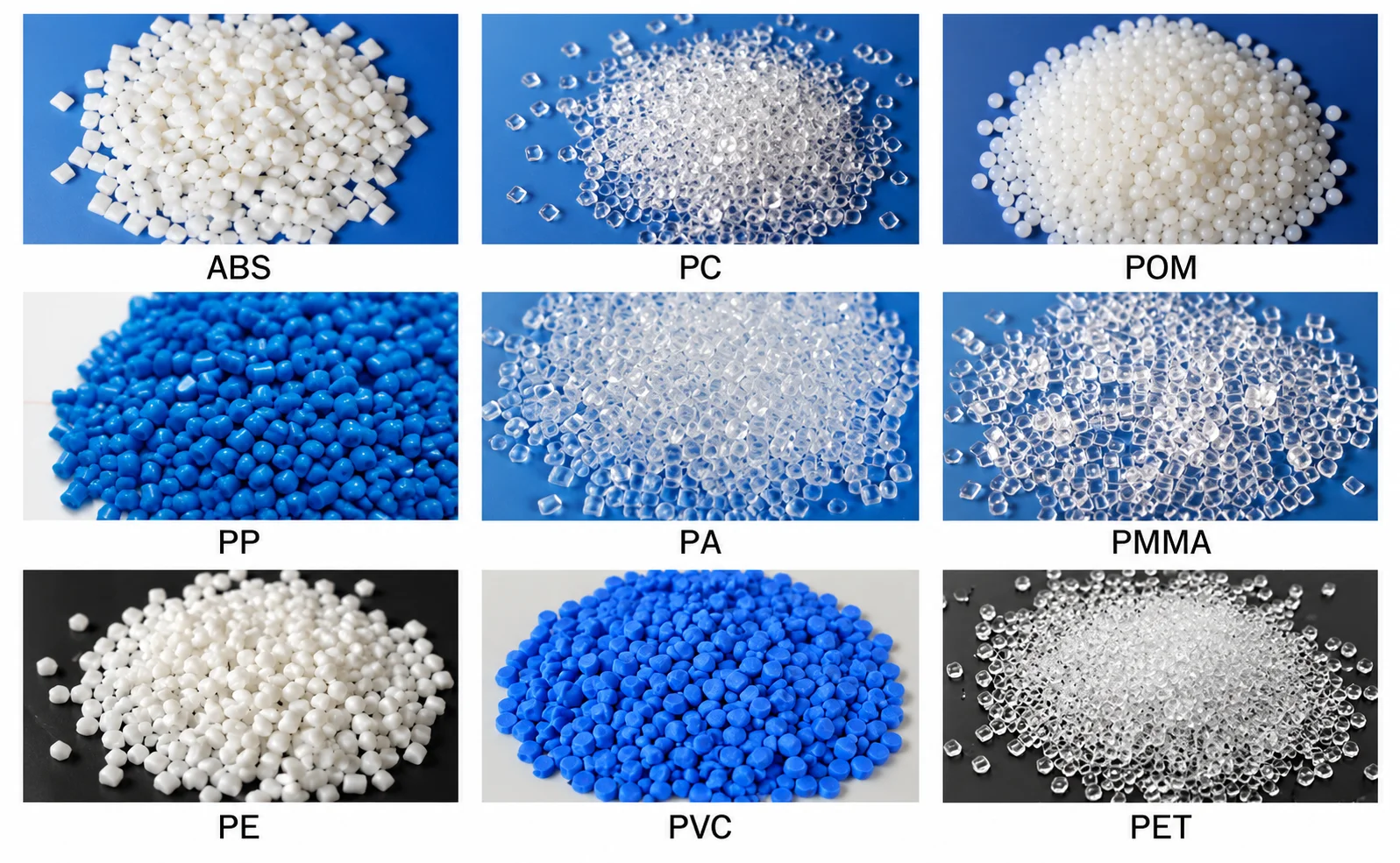
Plastic Injection Molding Materials
Maidder supports production-grade thermoplastics for custom plastic injection molding, including ABS, PC, PC/ABS, PP, PA/Nylon, POM, PMMA, TPU/TPE, PBT, and other engineering plastics.
Material selection depends on strength, flexibility, heat and chemical resistance, appearance, dimensional stability, and product requirements.
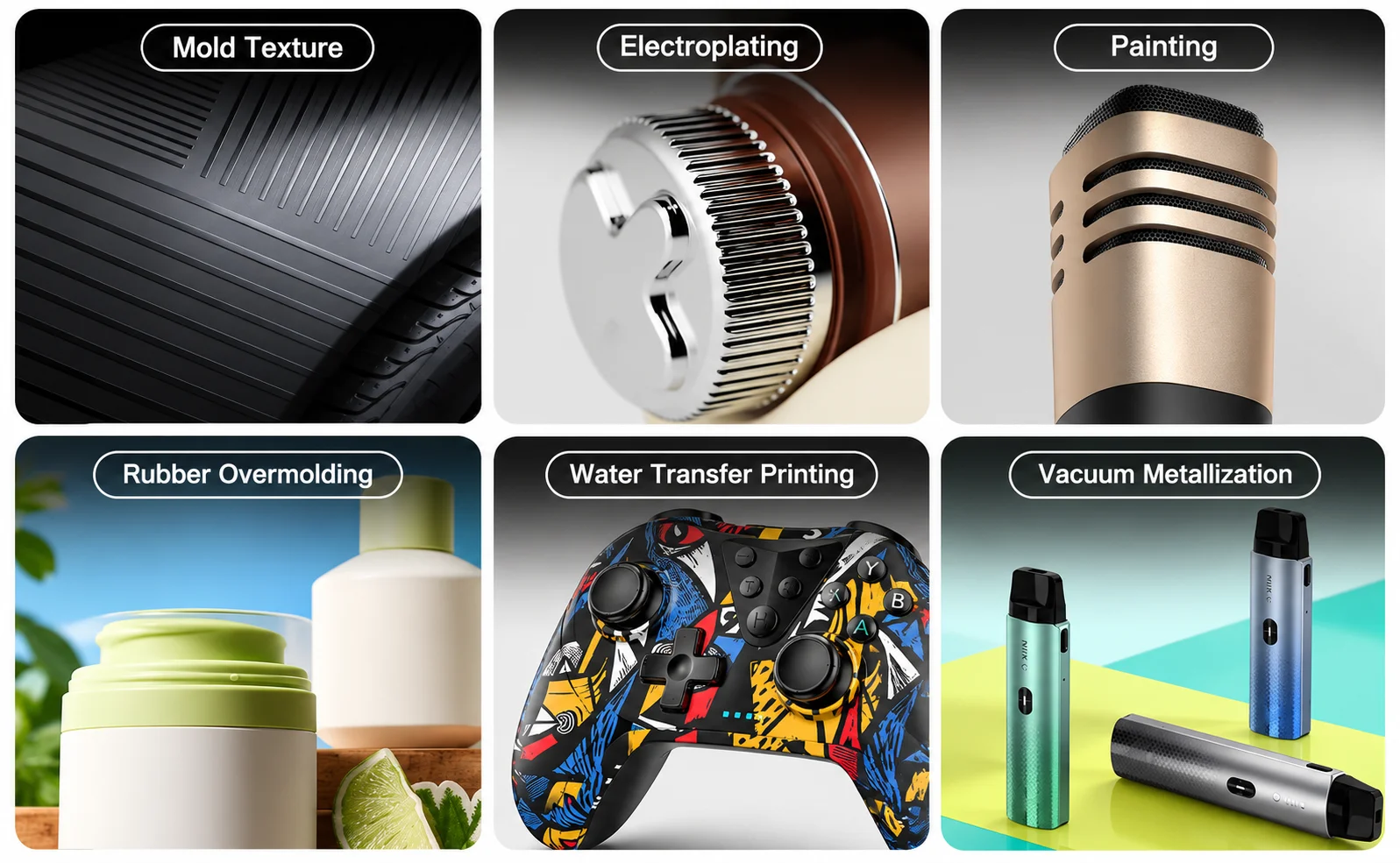
Surface Finishes & Secondary Operations
Plastic injection molded parts can receive additional processes to improve appearance, branding, function, or assembly.
Available options may include:
- Mold texturing
- Painting
- Pad printing
- Laser engraving
- Ultrasonic welding
- Component assembly
- Packaging
Plastic Injection Molding Quality Control
Quality control can be integrated throughout mold manufacturing and plastic injection molding production.
Depending on project requirements, this may include incoming material inspection, first-article validation, dimensional inspection, CMM measurement, in-process monitoring, and production traceability.
This helps maintain critical dimensions and consistent part quality from mold trial through repeat production.
Plastic Injection Molding FAQs
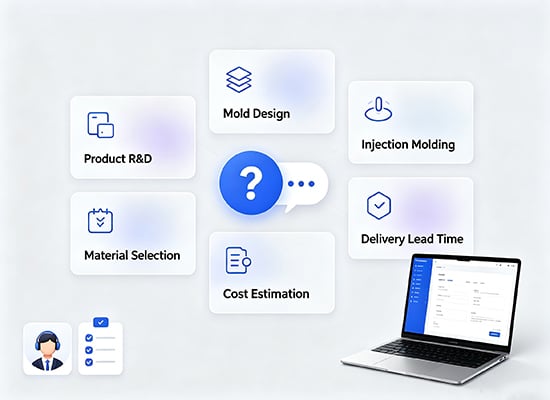
What information do you need for a plastic injection molding quote?
A 3D CAD model is the primary file required for project review.
We recommend also providing 2D drawings, plastic material requirements, expected production quantities, surface finishes, colors, critical tolerances, assembly requirements, and other relevant product specifications.
This information helps our engineers evaluate DFM, mold structure, tooling cost, and plastic injection molding requirements.
What plastic materials can you use for injection molding?
Maidder supports a wide range of general-purpose and engineering thermoplastics, including ABS, PC, PC/ABS, PP, PA/Nylon, POM, PMMA, TPU/TPE, PBT, and other materials.
The appropriate resin depends on mechanical properties, appearance, operating temperature, chemical exposure, flexibility, dimensional stability, cost, and product application.
Do you support both low-volume and high-volume plastic injection molding?
Yes.
Maidder supports low-volume plastic injection molding, bridge manufacturing, and scalable mass production.
The mold material, cavity configuration, runner system, automation level, and production strategy can be selected according to expected volumes, part complexity, quality requirements, and project economics.
Do you provide T1 samples before plastic injection molding production?
Yes.
After mold manufacturing, initial T1 samples are produced for review and validation.
The samples can be evaluated for dimensions, appearance, fit, assembly, and other specified requirements. Mold adjustments or process optimization can then be completed where necessary before production approval.
Can Maidder provide plastic injection molding, finishing and assembly together?
Yes.
Maidder combines plastic injection molding with secondary operations such as texturing, painting, printing, laser engraving, ultrasonic welding, component assembly, and packaging depending on project requirements.
This allows injection molded plastic parts to continue through downstream manufacturing within a coordinated production workflow.
Contact Us
Have a product idea or manufacturing requirement? Our engineering team supports you from product development and rapid prototyping to custom injection molds, injection molding and mass production. Share your CAD files, drawings or project details, and we’ll help define the right solution.