
Rapid CNC Machining Services for Precision Prototypes
CNC machining produces parts directly from solid material, making it ideal when your prototype requires tight tolerances, accurate dimensions, good surface quality, or material properties close to the final production part.
From one-off engineering prototypes to small batches of custom CNC machined parts, we help product teams validate designs before tooling and mass production.
Rapid CNC Machining for Functional Prototype Validation
Rapid CNC prototyping is particularly valuable when dimensional accuracy and real material performance matter.
Unlike many additive prototype processes, CNC machining uses solid engineering plastics and metals, allowing parts to more closely represent the mechanical characteristics of final components.
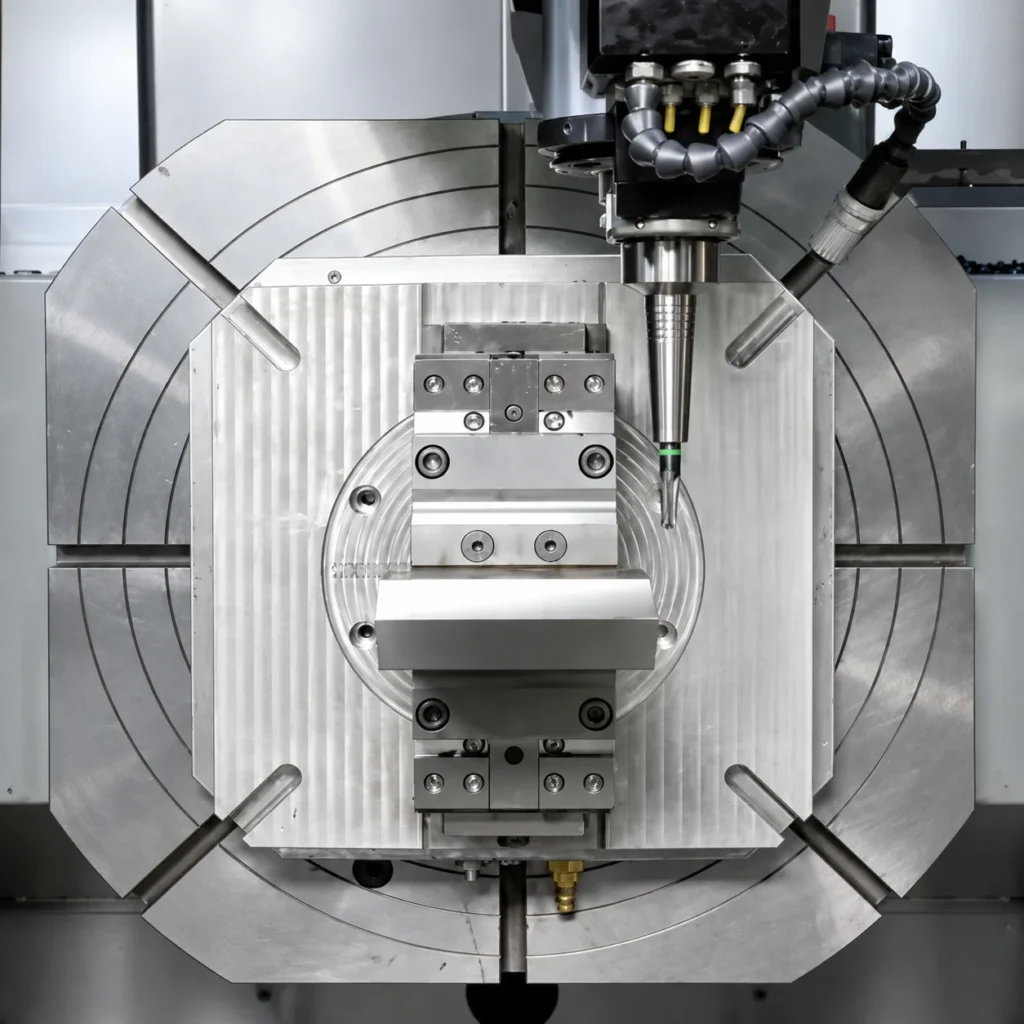
Functional Prototypes
CNC machined prototypes can be used to evaluate strength, stiffness, fit, mechanisms, mounting features, threads, interfaces, and other functional requirements.
This makes CNC machining suitable for engineering tests where prototype performance needs to closely reflect the intended product.
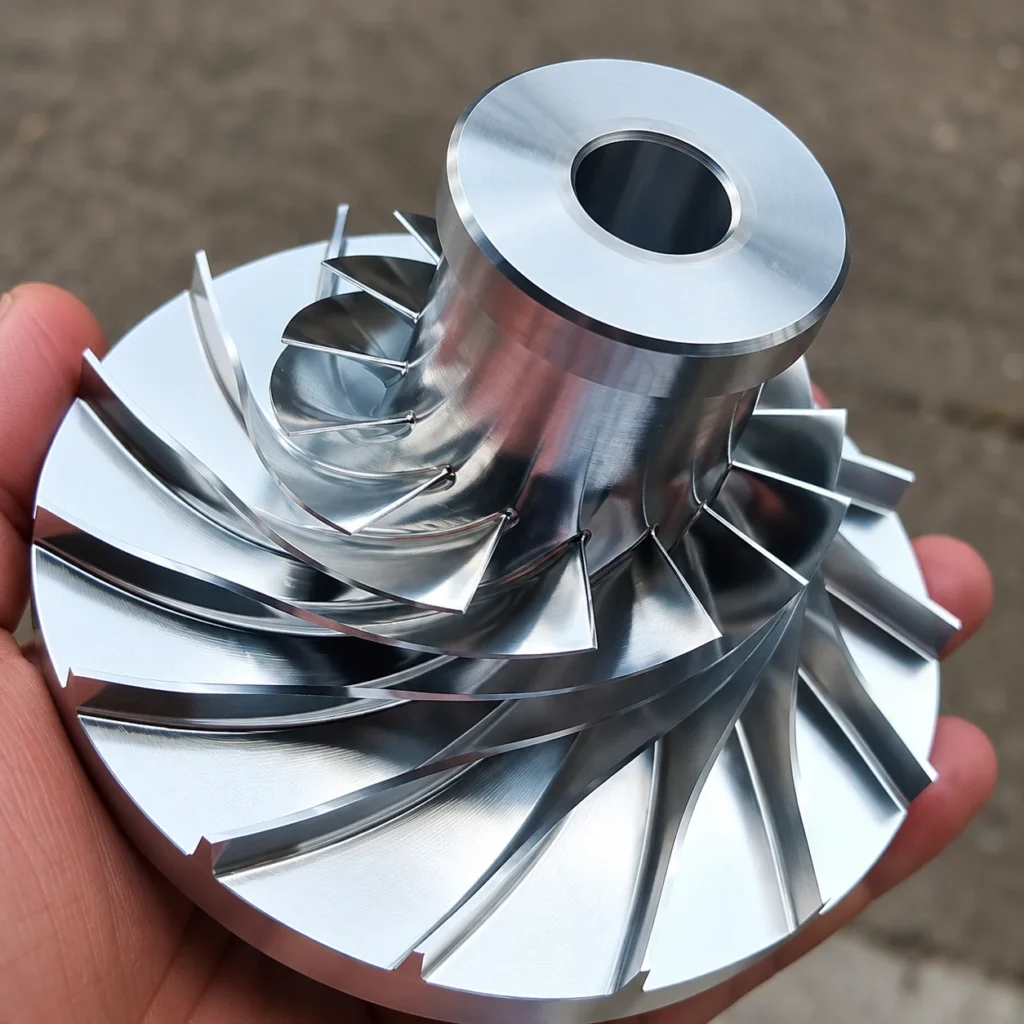
Fit & Assembly Testing
Accurate machined parts help verify critical dimensions, mating components, clearances, fastening features, and product assembly.
Potential fit and tolerance issues can be identified before the design moves into tooling.
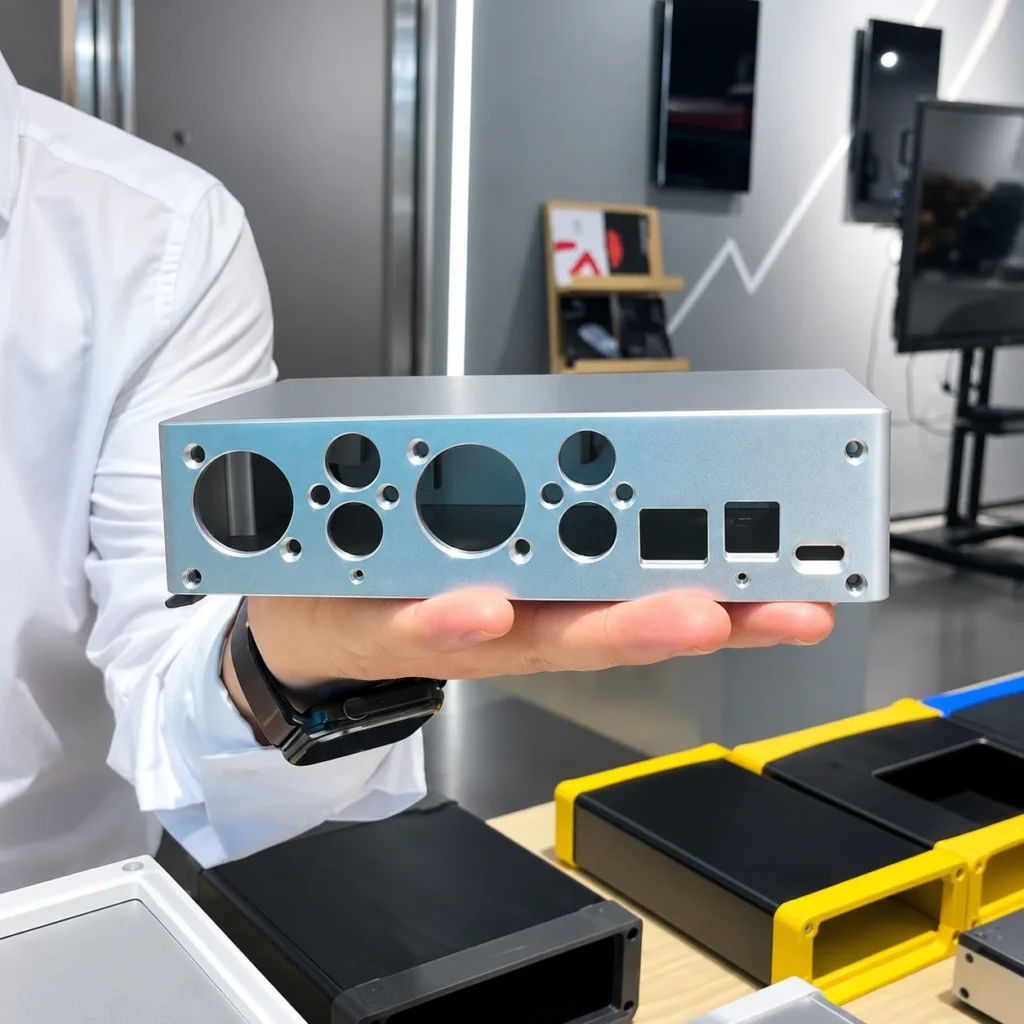
Appearance & Engineering Samples
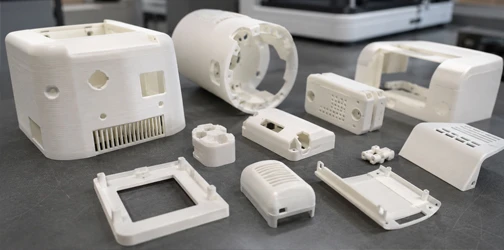
CNC machining can also provide high-quality surfaces for product enclosures, presentation parts, engineering samples, and customer evaluation.
Additional finishing processes can be applied when appearance or surface performance needs to be evaluated.
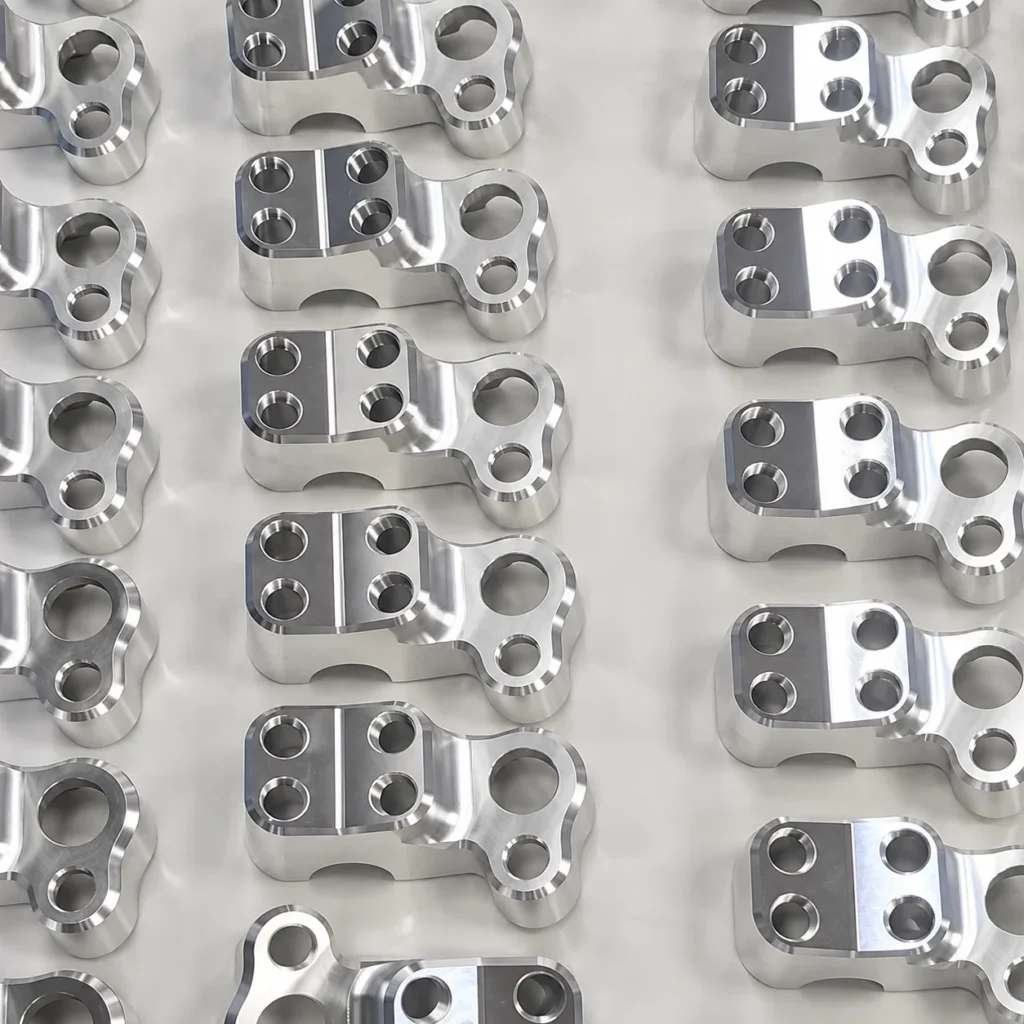
Low-Volume CNC Parts
Because CNC machining requires no dedicated mold, it can also support small batches of custom parts for engineering builds, pilot projects, functional testing, validation, or low-volume production. This makes it a flexible option for projects that need production-quality parts without the upfront cost and lead time of tooling.
CNC Machining Materials and Applications
Material selection is one of the main advantages of CNC prototyping. Maidder supports a range of production-grade plastics and metals so prototype parts can be selected according to mechanical, thermal, chemical, appearance, and dimensional requirements.
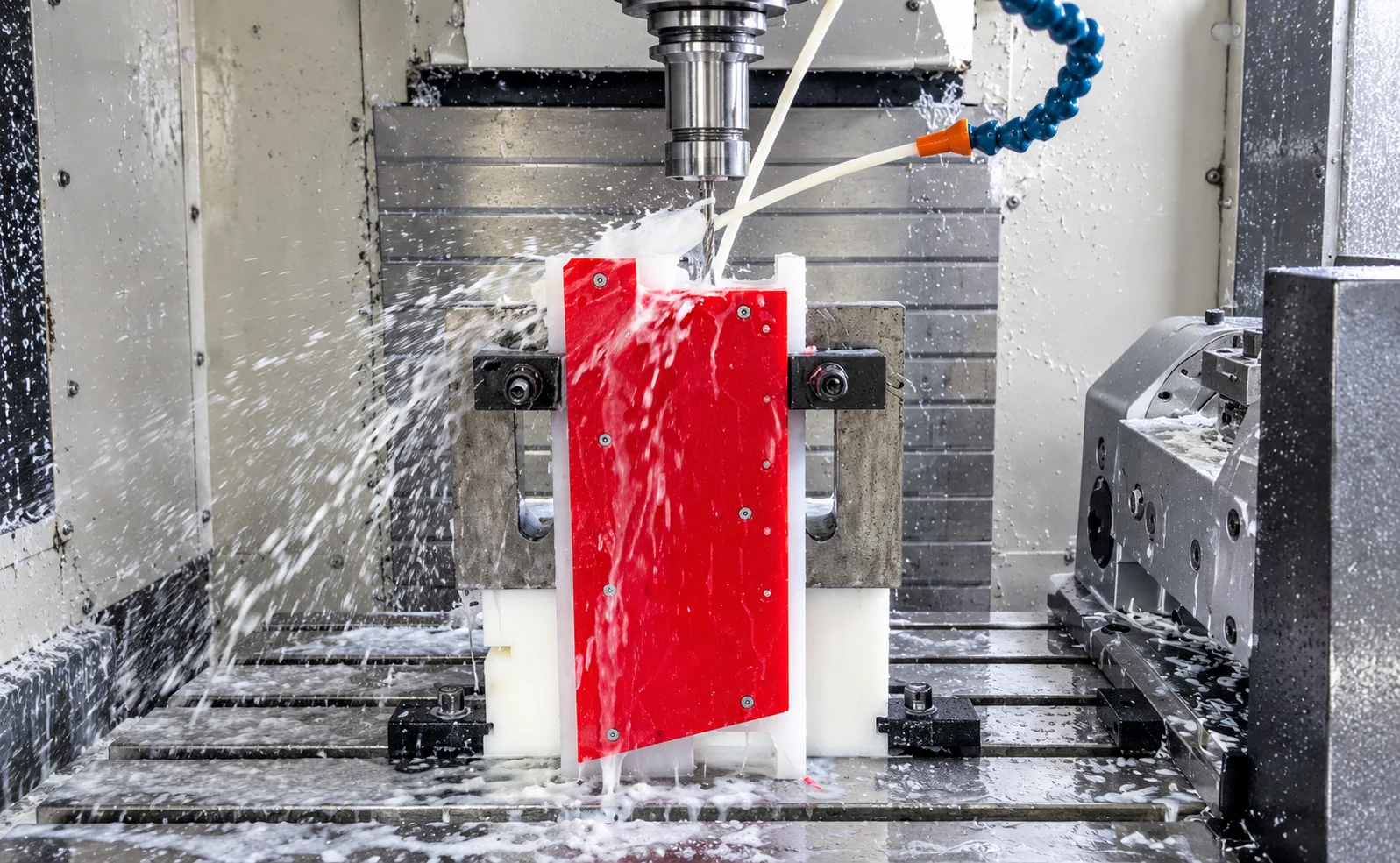
CNC Machining Plastics
Common plastic options may include:
- ABS
- PC
- PC/ABS
- POM
- PA / Nylon
- PMMA
- PEEK
Plastic CNC machining is suitable for housings, structural parts, mechanical components, fixtures, transparent components, and functional prototypes.
CNC Machining Metals
Available metal options may include:
- Aluminum
- Stainless steel
- Brass
- Titanium
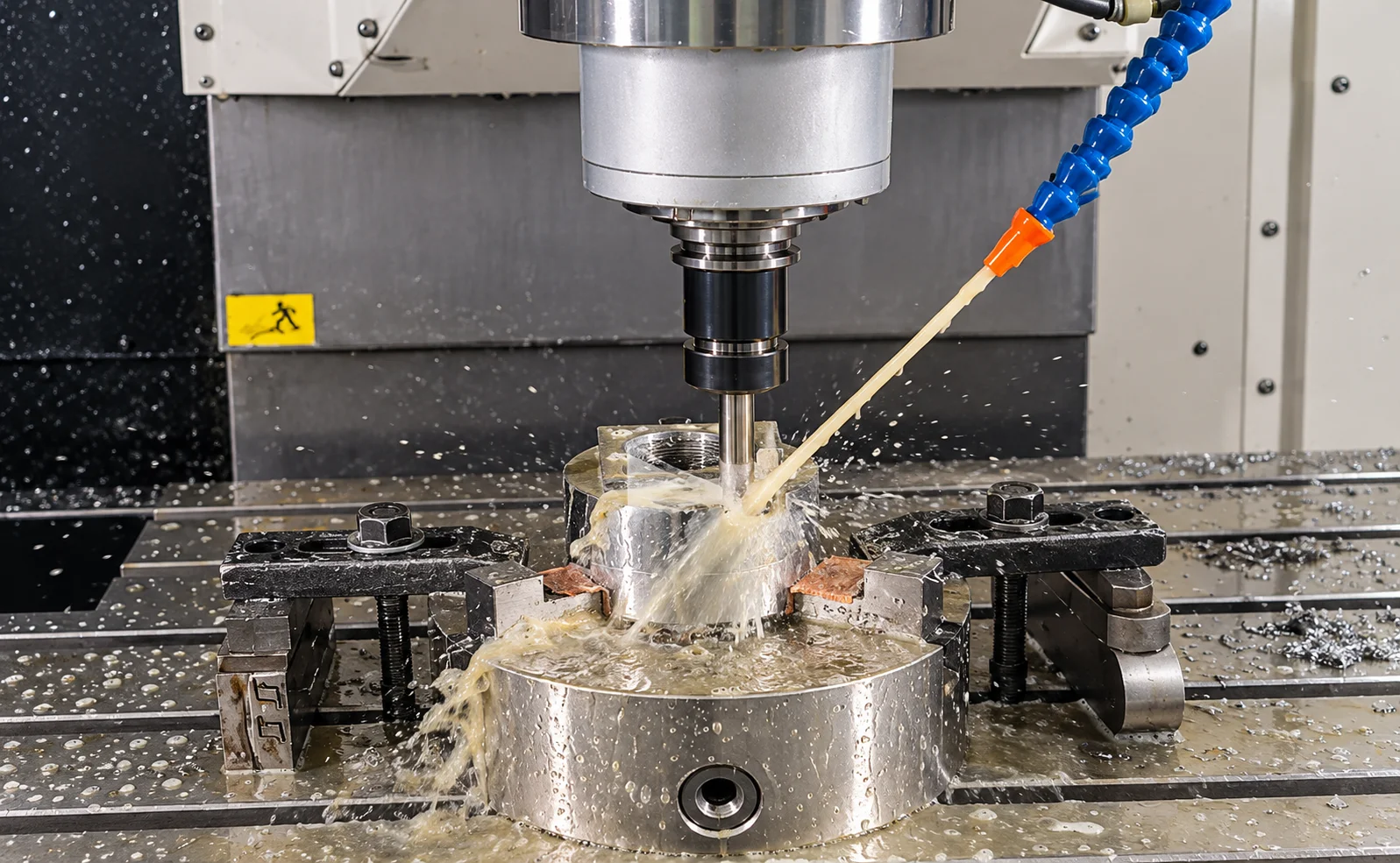
Metal CNC prototypes are commonly used for structural components, mechanisms, brackets, housings, heat-related applications, and parts requiring greater strength or rigidity.
Surface Finishing
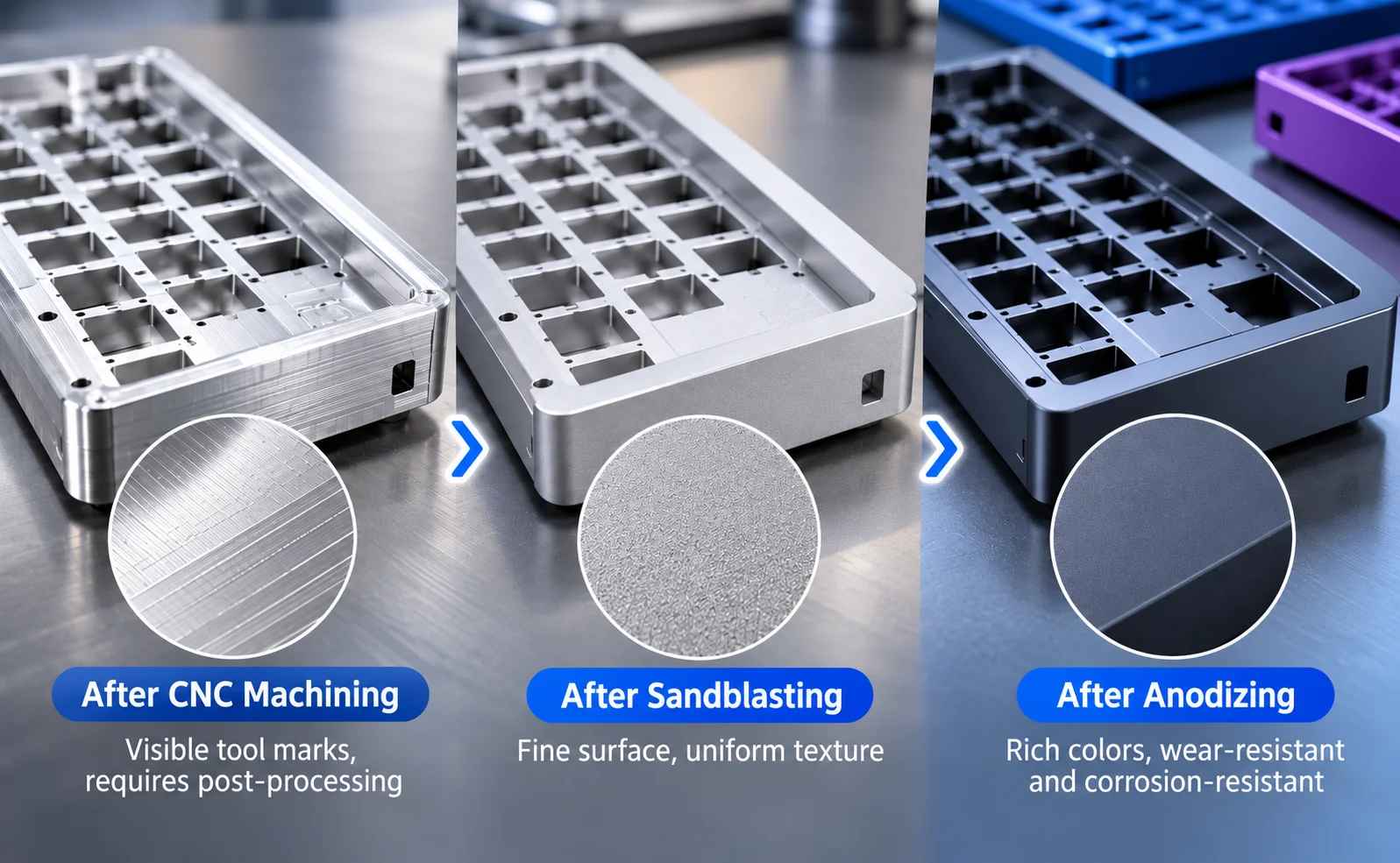
Depending on material and project requirements, CNC machined parts can receive additional surface finishing for appearance, protection, or product validation.
The required finish should be selected according to the prototype’s intended use and the characteristics that need to be evaluated.
Need Precision CNC Prototypes for Your Next Design?
Send Maidder your files, materials, quantities, tolerances, and finishing requirements. Our engineers can review your project and recommend an appropriate CNC machining approach for prototype validation or low-volume parts.
Our Rapid CNC Machining Process
01
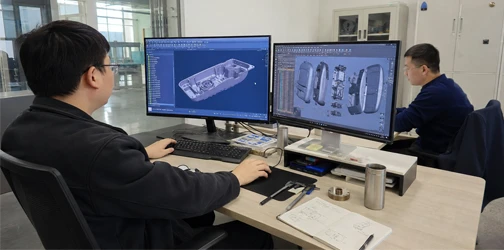
Submit CAD Files & Requirements
Send your 3D CAD model along with material, quantity, tolerances, surface finish, critical dimensions, and testing requirements.
02
Engineering & Manufacturability Review
Our engineers review part geometry, tolerances, material requirements, machining access, critical features, and other manufacturing considerations. Where appropriate, recommendations can be made to improve machinability and reduce unnecessary complexity or cost.
03
Material & Machining Planning
The appropriate material and CNC machining approach are selected based on geometry, dimensional requirements, mechanical performance, quantity, and project objectives.
04
CNC Machining & Finishing
Parts are machined according to the approved specifications and receive required secondary or surface finishing where applicable.
05
Inspection & Validation
Critical dimensions and specified requirements are inspected before delivery. The completed parts can then be used for fit, assembly, functional testing, or the next stage of product development.
From CNC Prototype to Production
Rapid CNC machining can support several stages of product development, from early functional prototypes to low-volume engineering parts.
Prototype results can help identify issues with materials, dimensions, tolerances, assembly, mechanisms, and product performance before committing to production tooling.
As the project develops, Maidder can support the transition through:
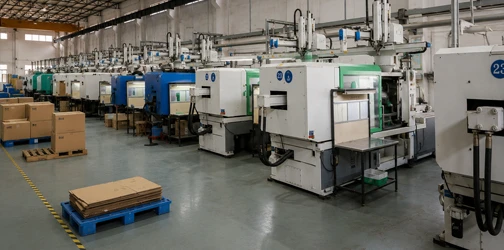
For plastic products ultimately intended for injection molding, CNC machining can validate design and material requirements before molded parts are required.
Rapid CNC Machining FAQs
What is rapid CNC machining?
Rapid CNC machining is a manufacturing process used to produce precision prototype or low-volume parts directly from solid plastic or metal materials using computer-controlled machining equipment.
It is commonly used during product development when dimensional accuracy, functional performance, surface quality, or production-grade material properties are important.
Why use CNC machining for prototypes?
CNC machining allows prototypes to be produced from many of the same engineering plastics and metals used in final products.
This makes it particularly useful for evaluating fit, assembly, tolerances, mechanisms, structural performance, material behavior, and other functional requirements.
What is the difference between CNC machining and 3D printing for prototypes?
3D printing is often better suited for very fast design iterations, complex geometries, and early concept prototypes.
CNC machining is generally preferred when the prototype requires production-grade materials, tighter dimensional control, machined surface quality, or more representative mechanical properties.
The right process depends on what the prototype needs to validate.
Can CNC machining be used for low-volume production?
Yes. Because CNC machining does not require dedicated production tooling, it can be suitable for small batches of custom parts, engineering builds, pilot projects, replacement parts, and other low-volume requirements.
For larger volumes of plastic parts, injection molding may become more economical.
What files do you need for CNC machining?
A 3D CAD model is typically required for machining review.
Common formats may include STEP, STP, IGES, or other compatible CAD files. A 2D engineering drawing is also recommended when critical dimensions, tolerances, threads, surface finishes, or inspection requirements need to be controlled.
Can Maidder continue from CNC prototypes to injection molding?
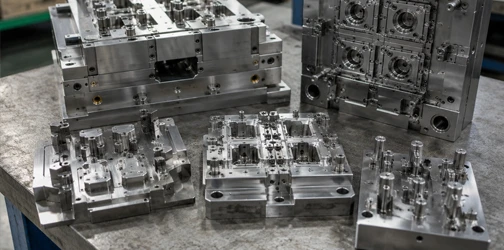
Yes. Once CNC prototypes have been tested and the design is validated, Maidder can continue with design refinement, DFM, mold design, mold manufacturing, T1 sampling, injection molding, assembly, and mass production.
This provides a continuous path from functional prototype validation to scalable manufacturing.
Contact Us
Have a product idea or manufacturing requirement? Our engineering team supports you from product development and rapid prototyping to custom injection molds, injection molding and mass production. Share your CAD files, drawings or project details, and we’ll help define the right solution.