
Urethane Casting Services for High-Fidelity Prototypes
Produce production-like plastic parts without investing in hard tooling.
With rigid, flexible, transparent, heat-resistant, and color-matched urethane options, we help product teams create realistic parts before moving into injection molding and mass production.
Urethane Casting for Prototypes and Low-Volume Parts
Urethane casting bridges the gap between one-off prototypes and injection molding. Compared with producing every part individually through 3D printing or CNC machining, silicone molds allow multiple consistent copies of a validated master pattern to be produced efficiently.
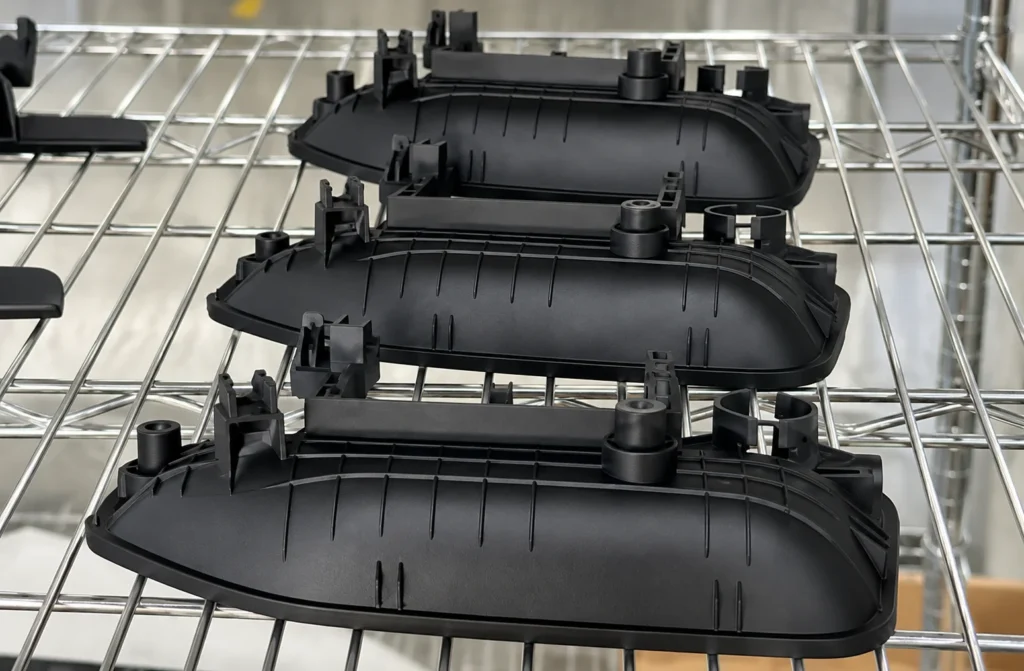
High-Fidelity Prototypes
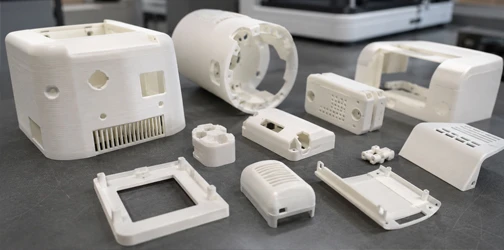
Urethane prototypes can closely reproduce the surface details, geometry, color, and texture of the master model.
They are well suited for:
- Appearance prototypes
- Engineering samples
- Product demonstrations
- User evaluation
- Market testing
- Trade show samples
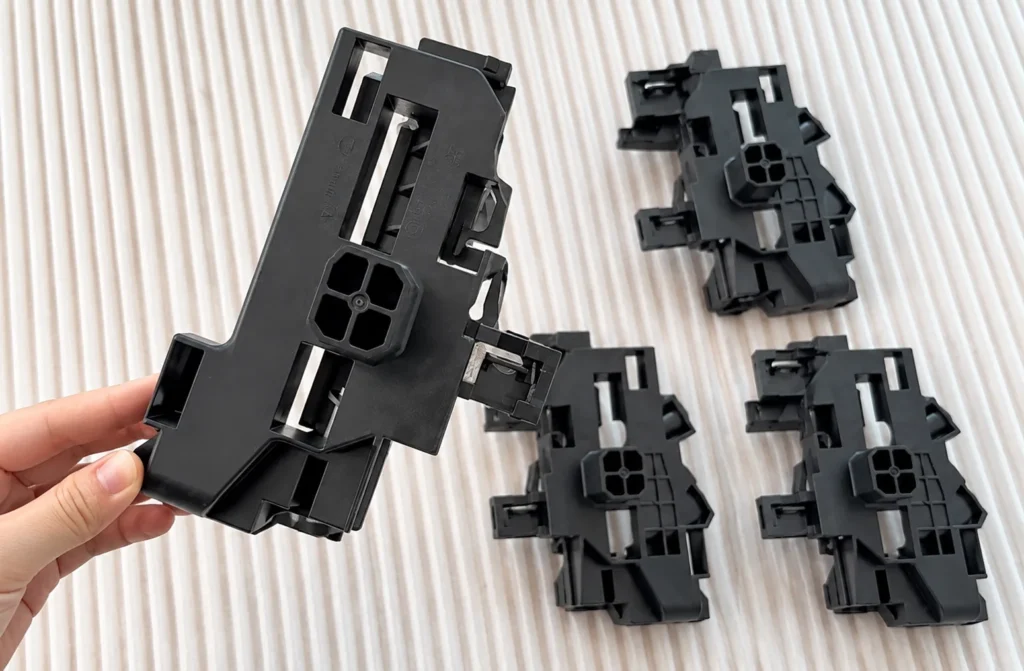
Functional Prototypes
Rigid and flexible urethane materials can simulate different plastic and elastomer characteristics for functional evaluation.
Parts can be used to review fit, assembly, ergonomics, housings, buttons, seals, and other product features before production tooling.
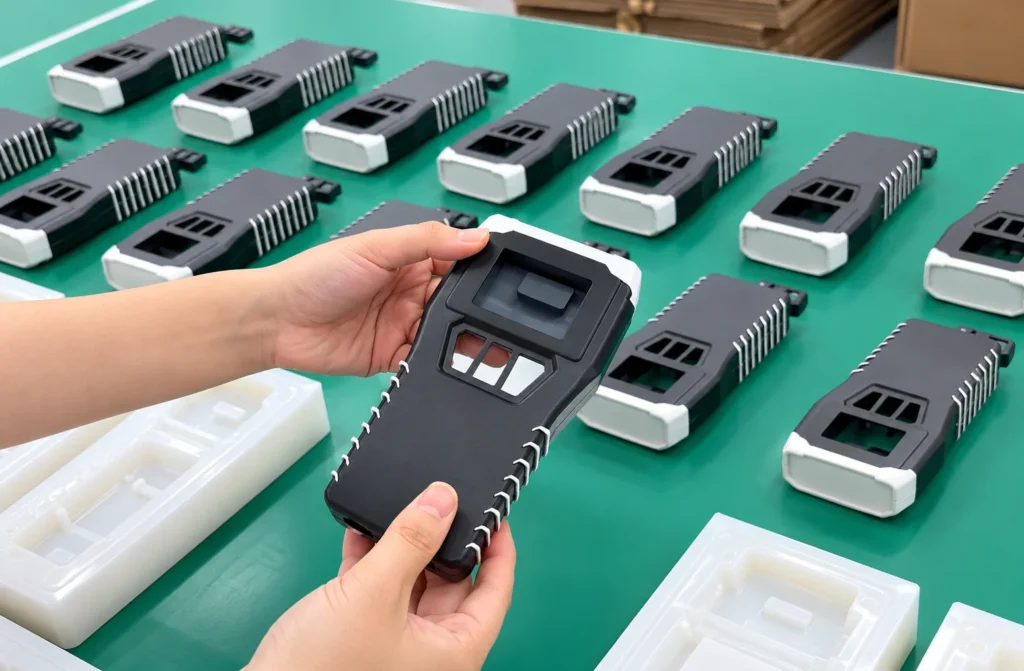
Low-Volume & Bridge Production
Silicone molding is also suitable when you need more parts than conventional prototyping but are not ready to invest in an injection mold.
It can support pilot builds, customer samples, early product launches, and bridge production while the final design or production tooling is being prepared.
Our Urethane Casting Process
Maidder integrates DFMEA into product development so that risk analysis supports real engineering decisions rather than becoming a stand-alone documentation exercise.
01
CAD & Project Review
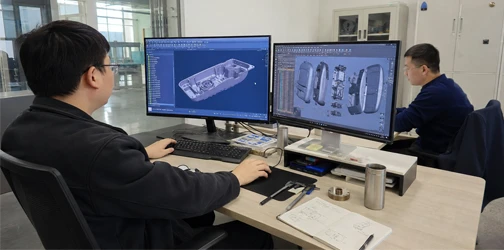
Send your 3D CAD files, quantity, material requirements, colors, surface finishes, and prototype objectives. Our engineers review the design and determine whether urethane casting is appropriate for the project.
02
Master Pattern Manufacturing
A high-quality master pattern is produced, typically using SLA 3D printing or CNC machining. The master defines the geometry and surface quality that will be reproduced in the cast parts.
03
Silicone Mold Making
Liquid silicone is formed around the master pattern to create a flexible mold. Once cured, the mold is opened and the master is removed, leaving a cavity ready for urethane casting.
04
Vacuum Casting
Liquid polyurethane resin is introduced into the silicone mold under controlled conditions to reproduce the original part. Color, transparency, flexibility, and other material characteristics can be selected according to project requirements.
05
Finishing & Inspection
Cast parts are removed, trimmed, finished, and inspected. Additional painting, texture, graphics, or other finishing processes can be applied when required.
Need Production-Like Parts Without Production Tooling?
Send us your CAD files, quantities, colors, finishes, and functional requirements. Our engineers can review your project and recommend an appropriate material and casting approach.
Urethane Materials, Colors and Surface Finishes
Material and appearance flexibility is one of the main advantages of urethane casting.
Maidder can support different material characteristics depending on what the prototype needs to simulate.
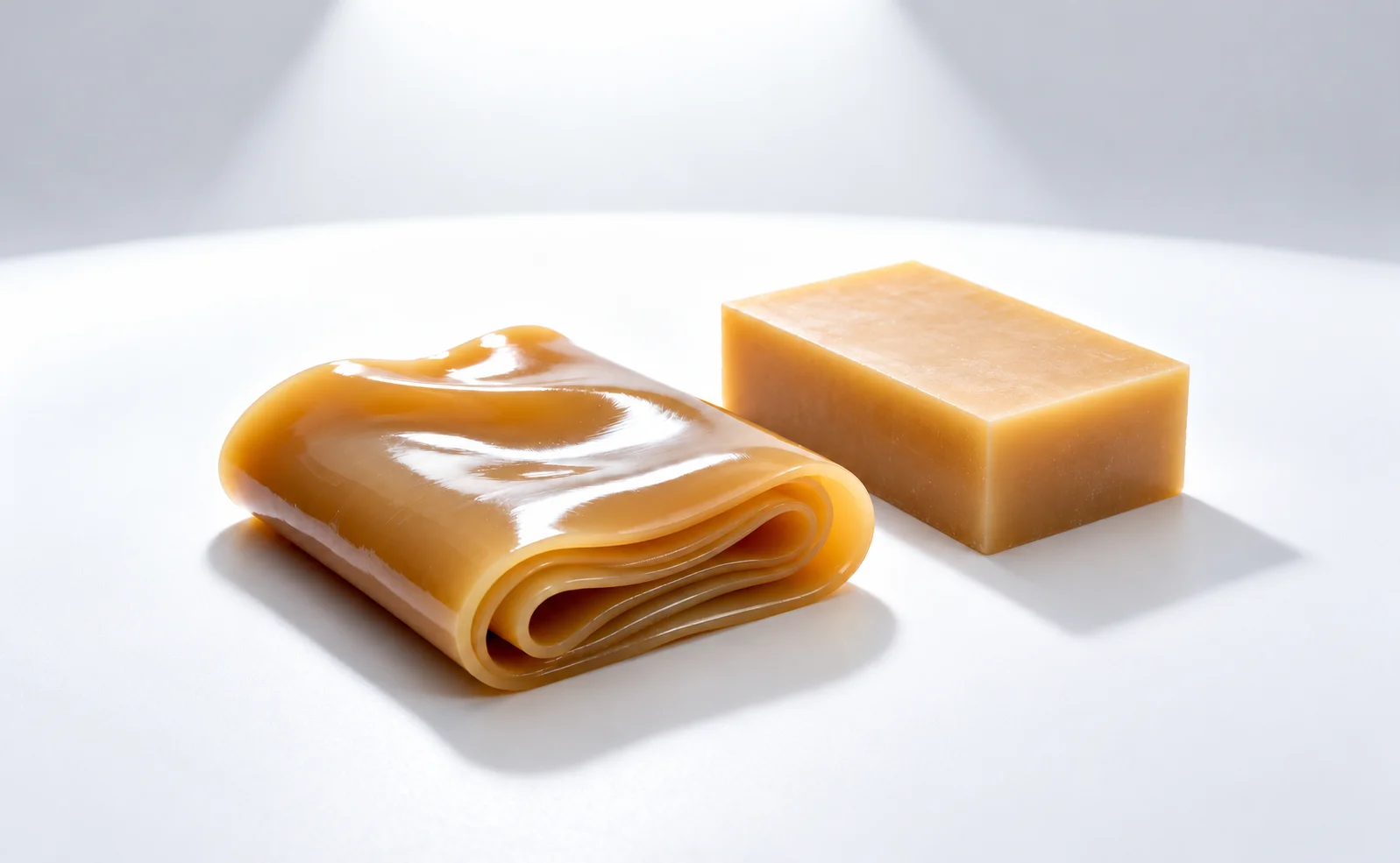
Urethane Material Options
Available options may include:
- ABS-like urethane
- PC-like urethane
- PP-like urethane
- Clear urethane
- Flexible urethane
- Heat-resistant urethane
- Color-matched urethane
These materials can be selected according to appearance, rigidity, flexibility, transparency, temperature requirements, and functional testing needs.
Color & Texture Matching
Color pigments and surface treatments can be used to produce prototypes that more closely represent the intended final product.
The surface finish of the master pattern can also be transferred through the silicone mold, making urethane casting suitable for cosmetic prototypes and presentation-quality parts.
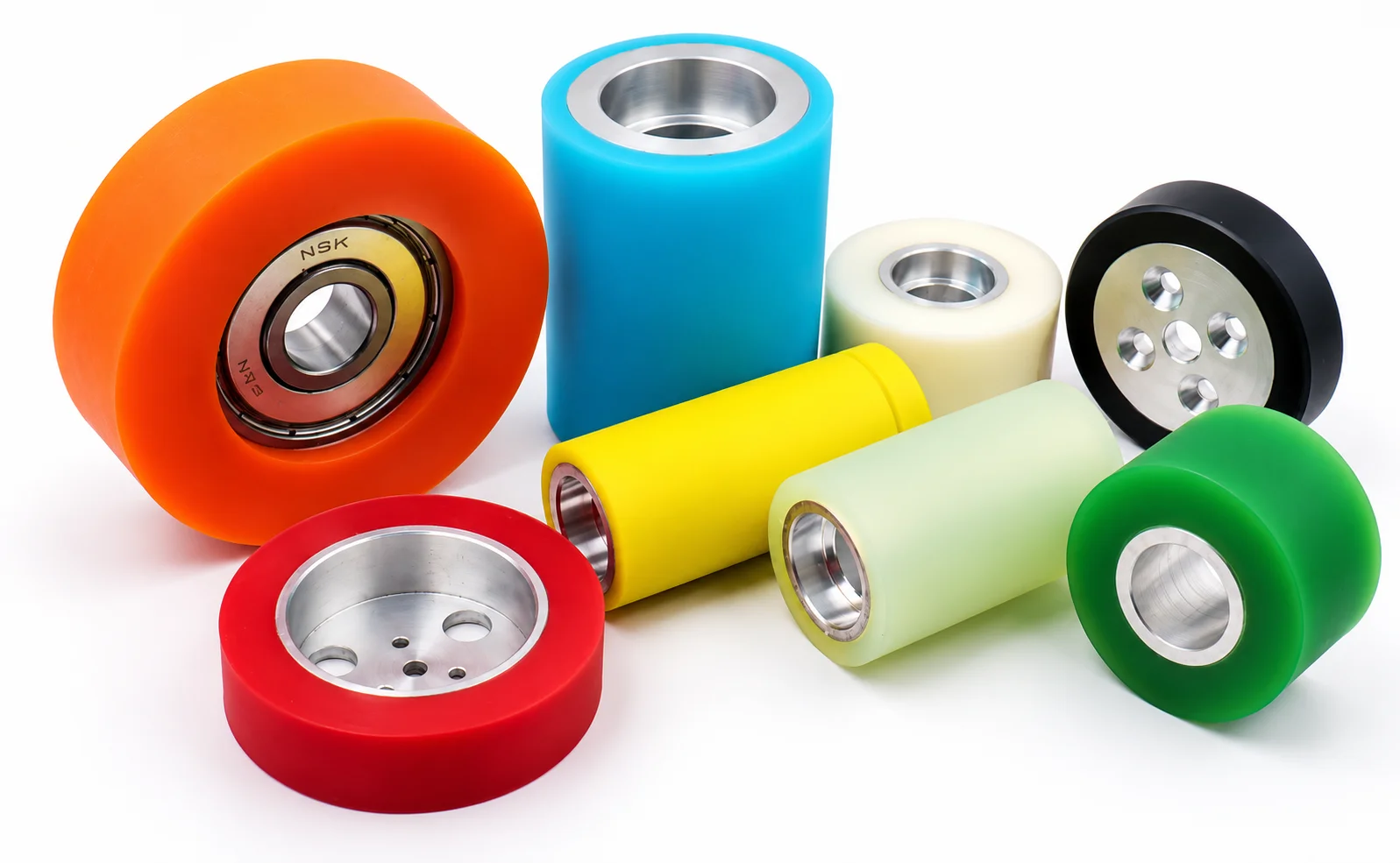
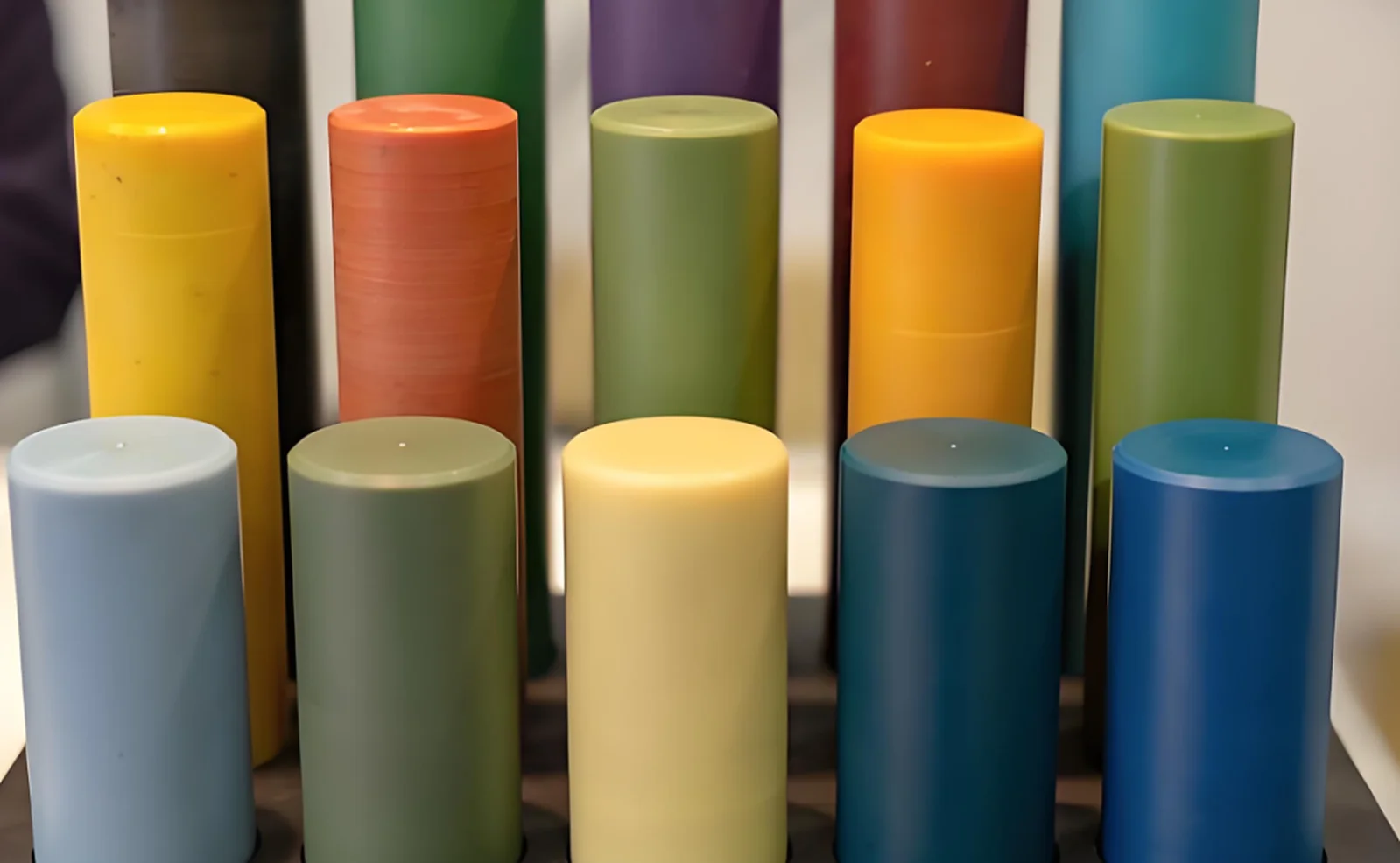
Rigid, Flexible & Clear Parts
Urethane casting can reproduce a wide range of product characteristics.
Rigid materials are useful for housings and structural prototypes, flexible materials can simulate rubber-like components, and clear urethane can support transparent covers, lenses, light guides, and other visual applications.
From Urethane Casting to Injection Molding
Urethane casting is particularly valuable during the stage between early prototyping and production tooling. It allows product teams to produce multiple realistic parts for design verification and market evaluation while keeping design changes relatively flexible.
Validate Before Tooling
Urethane cast parts can help evaluate:
- Appearance and surface quality
- Product color and texture
- Fit and assembly
- Ergonomics
- Flexible components
- Transparent features
- Functional performance
- Customer and market feedback
Findings from these parts can be incorporated into the final product design before injection mold manufacturing.
When to Move to Injection Molding
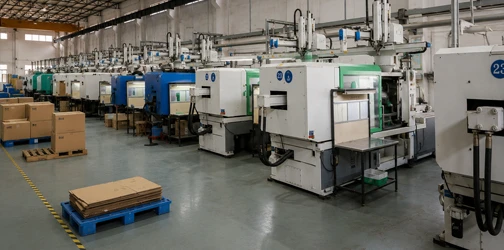
Urethane casting is ideal for prototypes and low-volume requirements, but injection molding becomes more appropriate as quantities increase or actual production thermoplastics and molded-part behavior need to be validated.
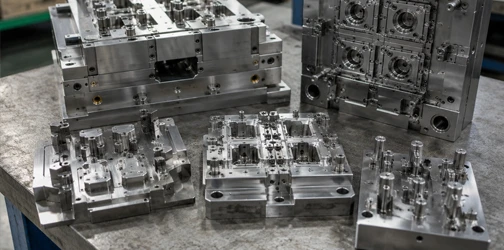
Depending on the development stage, the next step may be rapid injection molding or full production tooling.
Prototype-to-Production Support
Maidder can support the transition through:
Urethane Casting → Design Validation → Design Refinement → DFM → Tooling (Rapid or Production) → T1 Sampling → Tool Validation → Production Injection Molding → Assembly → Mass Production
This connected workflow helps carry design and testing feedback from prototype parts into scalable manufacturing.
Urethane Casting FAQs
What is urethane casting?
Urethane casting is a prototype and low-volume manufacturing process that uses a master pattern and flexible silicone mold to produce polyurethane plastic parts.
The process is commonly used for high-fidelity prototypes, functional testing, product demonstrations, market testing, and low-volume production.
Is urethane casting the same as vacuum casting?
The terms urethane casting and vacuum casting are often used for closely related processes.
Vacuum casting refers to using vacuum during the casting process to help polyurethane resin fill the silicone mold and reduce trapped air, while urethane casting describes the broader process of creating polyurethane parts using silicone tooling.
What materials are available for urethane casting?
Maidder can support urethane materials with different characteristics, including ABS-like, PC-like, PP-like, clear, flexible, heat-resistant, and color-matched formulations.
The appropriate material depends on the required appearance, rigidity, flexibility, transparency, temperature resistance, and functional requirements.
Can urethane casting produce clear or flexible parts?
Yes. Clear urethane can be used for transparent prototype components, while flexible polyurethane formulations can simulate rubber-like parts and soft components.
Material selection should be based on the specific performance and appearance requirements of the prototype.
Is urethane casting suitable for low-volume production?
Yes. Urethane casting is commonly used for small production runs, pilot builds, market testing, customized products, and bridge production where injection molding tooling is not yet economical or the product design may still change.
For larger and recurring production quantities, injection molding generally becomes the more suitable manufacturing process.
Can Maidder move from urethane casting to injection molding?
Yes. After urethane cast prototypes are validated, Maidder can continue with DFM, rapid injection molding, mold design and manufacturing, T1 sampling, injection molding, assembly, and mass production.
This provides a continuous path from high-fidelity prototype parts to scalable production.
Contact Us
Have a product idea or manufacturing requirement? Our engineering team supports you from product development and rapid prototyping to custom injection molds, injection molding and mass production. Share your CAD files, drawings or project details, and we’ll help define the right solution.