
Rapid 3D Printing Services for Fast Product Development
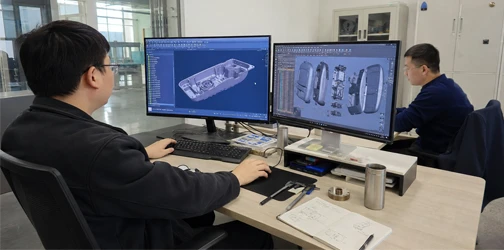
Turn your CAD designs into physical parts quickly without investing in tooling.
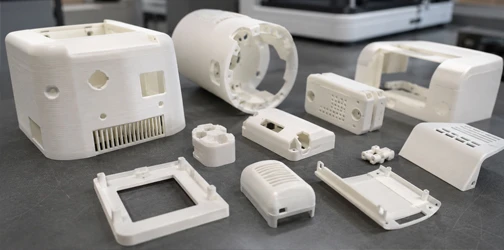
With SLA, SLS, and FDM technologies, we manufacture 3D printed prototypes for evaluating appearance, fit, assembly, ergonomics, and product function before moving into more advanced prototyping or production.
Rapid 3D Printing for Prototypes and Product Validation
Rapid 3D printing allows product teams to move quickly from digital CAD to physical parts, making it easier to identify design issues and test new iterations during development. It can support different stages of product validation.
Concept & Appearance Models
3D printed parts help evaluate product size, proportions, ergonomics, visual details, and overall design direction. SLA is particularly useful for prototypes where fine details and smooth surfaces are important.
Fit & Assembly Testing
Rapid 3D printed prototypes can be used to check enclosures, mating parts, mounting features, clearances, connectors, snap-fits, and assembly. Design changes can then be incorporated into CAD before tooling.
Functional Prototypes
SLS, FDM, and selected engineering resins can support functional testing of housings, structural parts, assemblies, fixtures, and other components. The appropriate technology depends on strength, flexibility, temperature resistance, accuracy, and testing requirements.
Low-Volume Custom Parts
Because no mold is required, 3D printing can also be practical for short runs of custom parts, engineering samples, fixtures, test components, and early product builds.
SLA, SLS and FDM 3D Printing
Different additive manufacturing technologies provide different combinations of surface quality, strength, geometry, material properties, and cost.
Maidder offers SLA, SLS, and FDM to support a wide range of rapid prototyping requirements.
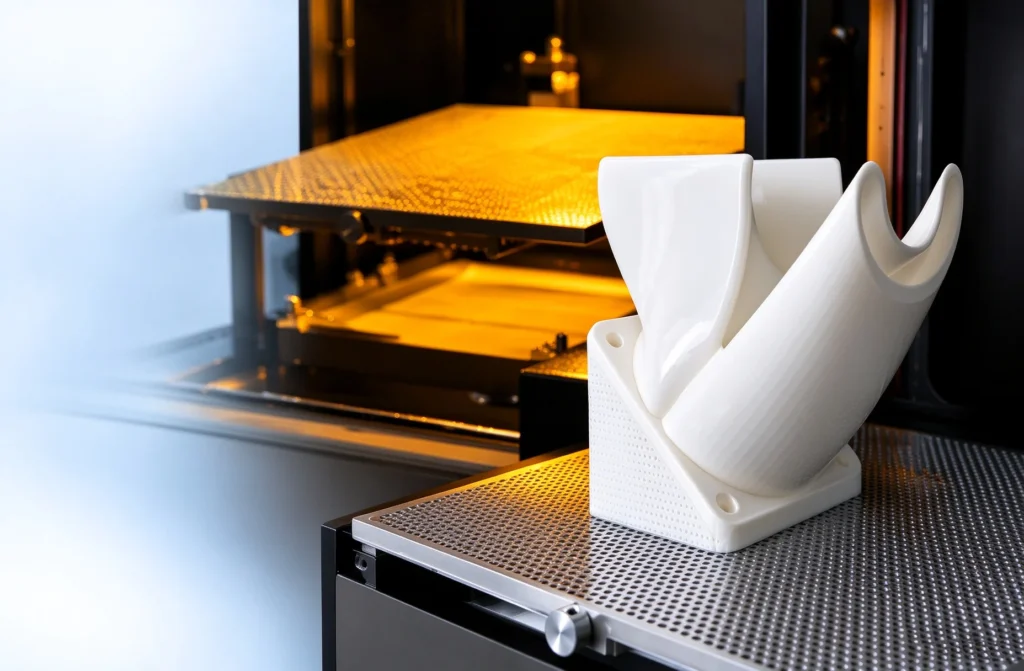
SLA 3D Printing
SLA produces detailed resin parts with smooth surfaces and fine features.
Typical applications include:
- Appearance prototypes
- Product enclosures
- High-detail models
- Clear or transparent parts
- Form and fit testing
- Presentation samples
Material options can include standard resin, tough resin, clear resin, and heat-resistant resin depending on project requirements.
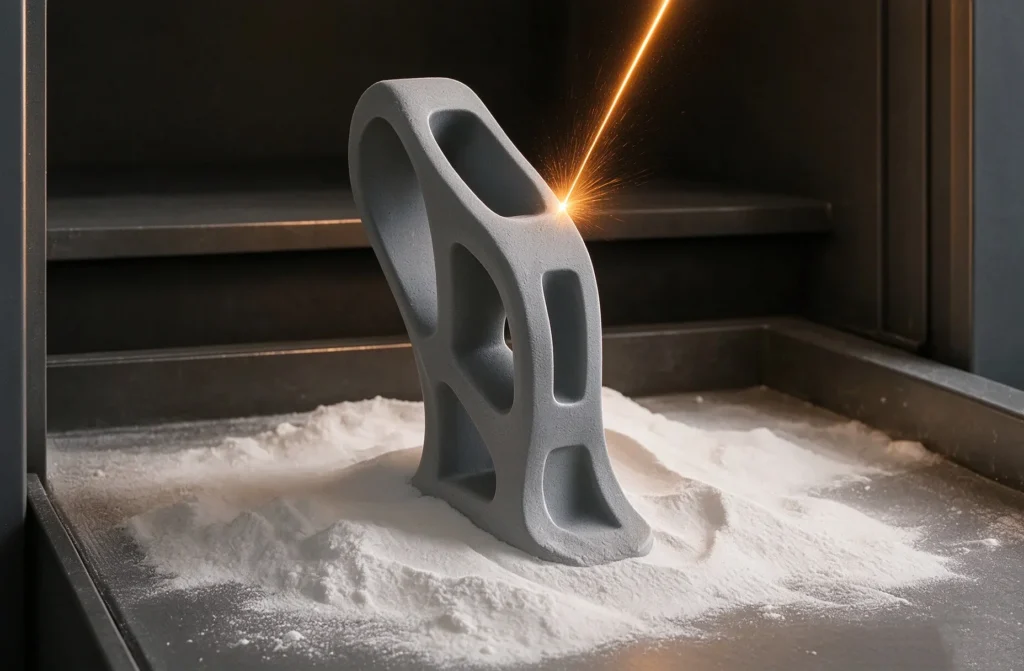
SLS 3D Printing
SLS produces durable polymer parts and allows complex geometries without conventional support structures.
Typical applications include:
- Functional prototypes
- Snap-fit components
- Complex housings
- Moving assemblies
- Engineering test parts
- Low-volume components
Material options can include nylon, glass-filled nylon, and TPU.
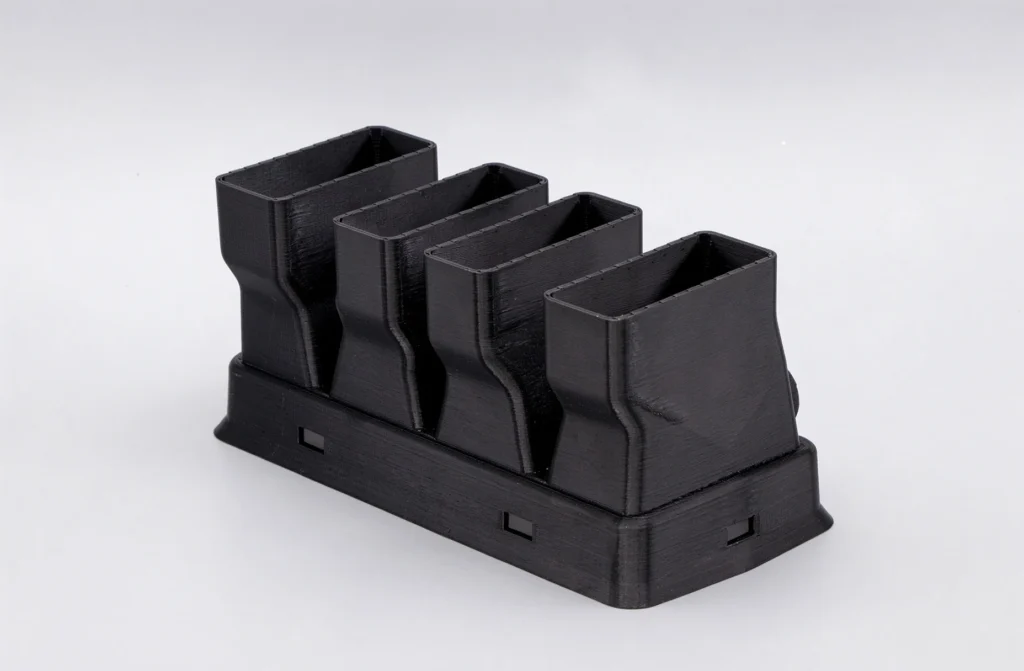
FDM 3D Printing
FDM provides a cost-effective solution for fast engineering models and larger prototype parts.
Typical applications include:
- Early design iterations
- Form and fit models
- Large prototypes
- Structural components
- Fixtures and test parts
- Functional development models
Material options can include engineering thermoplastics such as ABS and PC.
Our Rapid 3D Printing Process
Send us your 3D CAD model along with quantity, material, finish, dimensions, and prototype requirements.
Our engineers review part geometry and determine what the prototype needs to validate, including appearance, fit, assembly, or function.
We recommend SLA, SLS, or FDM based on geometry, surface quality, mechanical properties, accuracy, quantity, and project goals.
Parts are manufactured using the selected process and can receive appropriate post-processing or finishing where required.
Completed parts can be evaluated for appearance, dimensions, fit, assembly, and function.The design can then be revised for another rapid iteration or prepared for the next manufacturing stage.
Need 3D Printed Parts for Your Next Design Iteration?
From appearance models to functional engineering prototypes, Maidder helps you choose the right 3D printing technology and material for faster product validation.
Send us your CAD files and requirements for an engineering review and rapid 3D printing quotation.
From Rapid 3D Printing to Production
Rapid 3D printing is often the fastest way to validate an early product design, but different development stages may require different manufacturing processes. Once the 3D printed prototype has been evaluated, Maidder can help determine the appropriate next step.
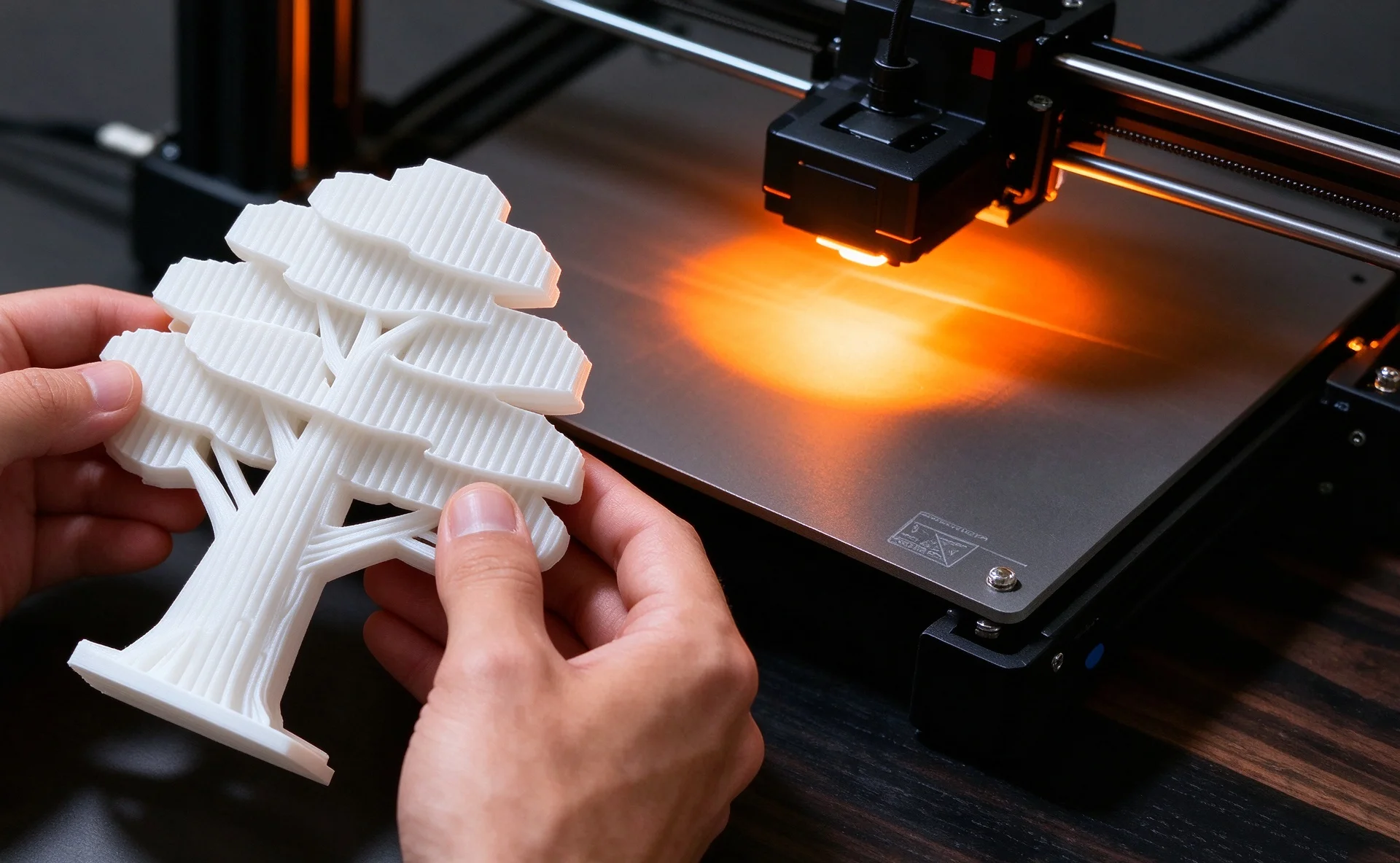
When to Move Beyond 3D Printing
Depending on your validation requirements, the next process may include:
- CNC machining for tighter tolerances and production-grade materials
- Urethane casting for high-fidelity small-batch plastic parts
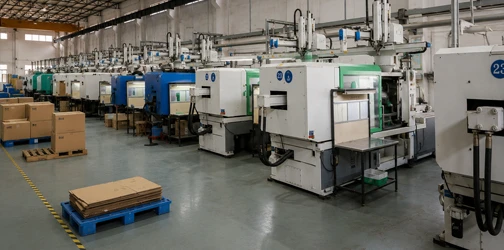
- Rapid injection molding for actual thermoplastics and molded-part validation
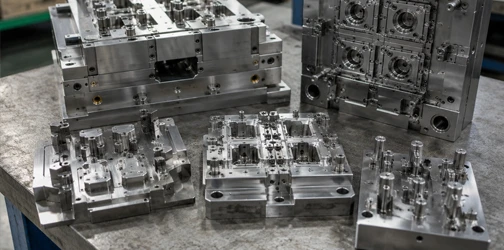
- Production tooling for scalable injection molding
This allows the manufacturing process to evolve as the product moves closer to production.
Prototype-to-Production Support
Maidder can support the complete transition:
Rapid 3D Printing → Design Iteration → Prototype Validation → DFM → Rapid Tooling / Production Tooling → Injection Molding → Assembly → Mass Production
Keeping prototyping and production engineering connected helps carry lessons from early 3D printed parts into the final manufactured product.
Rapid 3D Printing FAQs
What is rapid 3D printing?
Rapid 3D printing is an additive manufacturing process that converts digital 3D CAD data directly into physical parts without requiring molds or production tooling.
It is widely used for fast design iteration, concept models, fit checks, functional prototypes, and low-volume custom parts during product development.
What is the difference between SLA, SLS and FDM 3D printing?
SLA uses photopolymer resin and is well suited for detailed parts and smooth surfaces.
SLS uses polymer powder and is commonly selected for strong functional prototypes and complex geometries.
FDM builds parts from thermoplastic filament and provides an economical option for engineering models, larger prototypes, and early design iterations.
Which 3D printing process is best for my prototype?
The right process depends on what the prototype needs to validate.
SLA is often selected for appearance and detailed surfaces, SLS for durable functional parts and complex geometry, and FDM for economical engineering prototypes and larger components.
Our engineers can recommend a process after reviewing your CAD files and project requirements.
Can rapid 3D printing be used for functional prototypes?
Yes. SLS, FDM, and selected SLA engineering materials can be used for functional prototypes depending on the required strength, flexibility, heat resistance, geometry, and testing conditions.
For tests that require exact production material behavior, CNC machining or rapid injection molding may be more appropriate.
What materials are available for rapid 3D printing?
Available materials depend on the printing technology.
Options may include SLA standard, tough, clear, and heat-resistant resins; SLS nylon, glass-filled nylon, and TPU; and FDM engineering thermoplastics such as ABS and PC.
Material selection should be based on the properties the prototype needs to evaluate.
What files do you need for rapid 3D printing?
A 3D CAD model is typically required.
Common formats may include STEP, STP, STL, IGES, or other compatible 3D files. Engineering drawings can also be provided when critical dimensions, tolerances, surface finishes, or other specifications need to be controlled.
Can Maidder move from 3D printing to injection molding?
Yes. After prototype validation, Maidder can continue with design refinement, DFM, rapid injection molding, mold design and manufacturing, injection molding, assembly, and mass production.
This provides a continuous path from early rapid 3D printing to production manufacturing.
Contact Us
Have a product idea or manufacturing requirement? Our engineering team supports you from product development and rapid prototyping to custom injection molds, injection molding and mass production. Share your CAD files, drawings or project details, and we’ll help define the right solution.