
Rapid Prototyping Services for Product Development
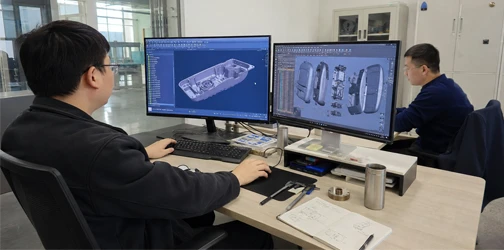
Our rapid prototype manufacturing capabilities include 3D printing, CNC machining, urethane casting, and rapid injection molding, allowing you to select the right process for appearance, fit, function, material, and manufacturing validation.
From early concept models to functional and pre-production prototypes, we help identify design issues earlier and prepare products for tooling and mass production.
Rapid Prototyping for Design and Product Validation
Prototypes provide physical feedback that CAD models and renderings alone cannot provide.
Our product prototyping services help engineering teams evaluate critical design requirements before committing to production tooling.
Concept & Appearance Prototypes
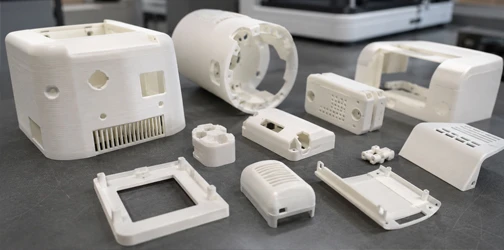
Early prototypes help evaluate product size, shape, ergonomics, visual proportions, surface details, and overall design direction. 3D printing and other rapid processes allow design concepts to be produced and revised quickly during early development.
Fit & Assembly Prototypes
Physical parts can be used to verify component fit, interfaces, mounting points, clearances, fastening methods, and assembly. This helps identify mechanical integration issues before the design moves into tooling.
Functional Prototypes
Functional prototypes allow engineers to evaluate mechanisms, structural performance, materials, moving components, enclosures, and other product functions under more realistic conditions. CNC machining, engineering-grade 3D printing, and other processes can be selected according to the validation requirements.
Pre-Production Prototypes
When production materials and manufacturing behavior need to be evaluated, rapid injection molding can produce parts closer to final production conditions. These prototypes can support functional testing, market validation, pilot builds, and design approval before full-scale manufacturing.
Rapid Prototype Manufacturing Processes
Different prototype goals require different manufacturing processes. Maidder helps select the appropriate process based on design complexity, materials, quantity, accuracy, surface finish, and testing requirements.

Rapid Injection Molding
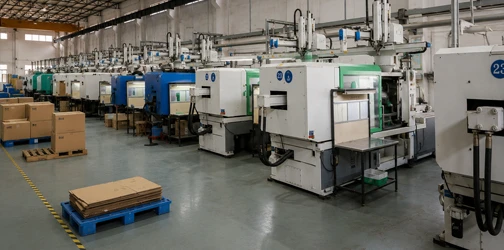
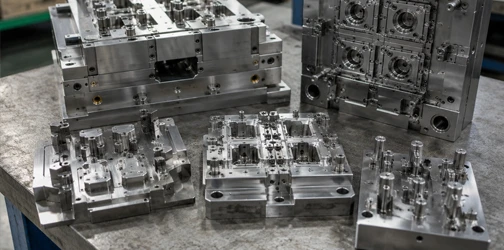
Rapid injection molding uses economical tooling to produce prototypes in production-grade thermoplastics.
It is suitable for validating injection-molded part geometry, materials, assembly, appearance, and performance before full production tooling.
3D Printing Prototypes
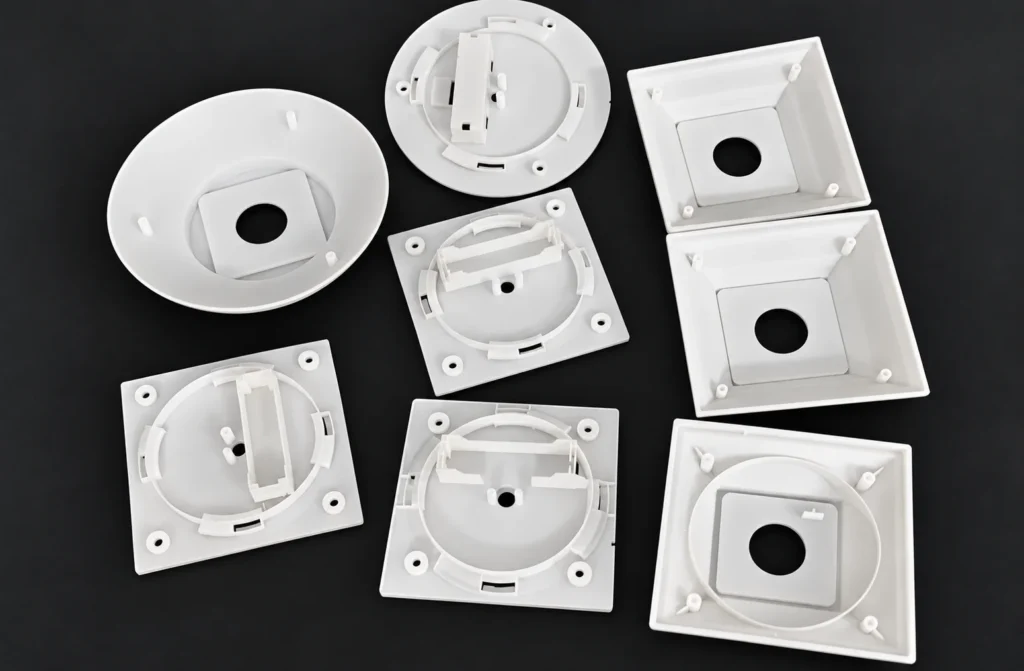
3D printing is well suited for fast design iterations, complex geometries, concept models, and functional prototypes without tooling.
Available technologies can include SLA, SLS, and FDM depending on part requirements.
CNC Prototyping
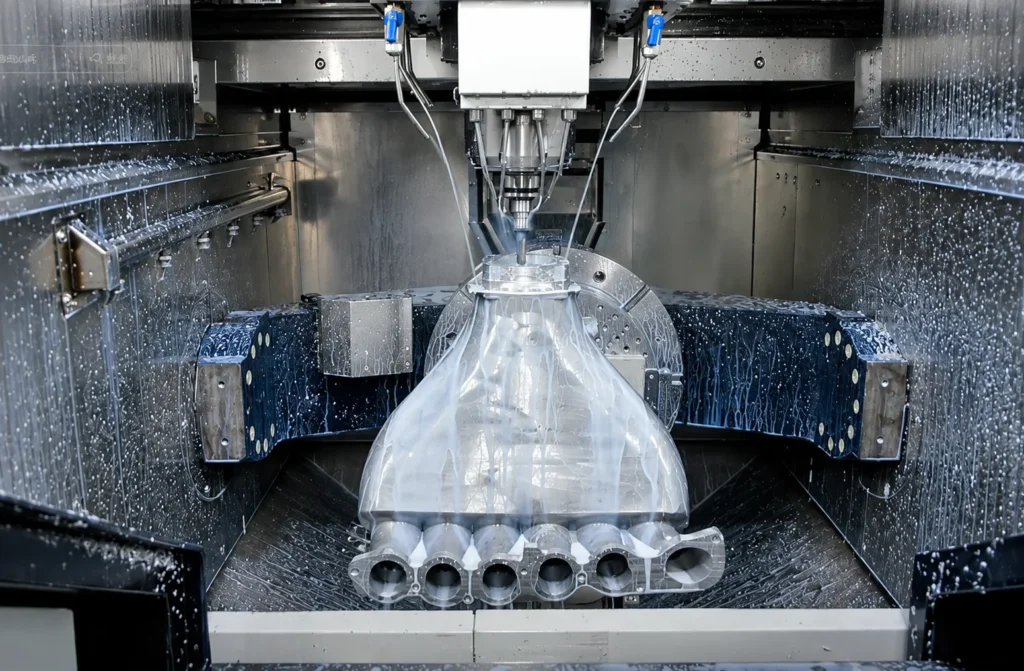
CNC machining produces accurate prototypes directly from solid plastic or metal materials.
It is suitable for functional testing, tighter tolerances, mechanical parts, and applications where production-grade material properties are important.
Urethane Casting
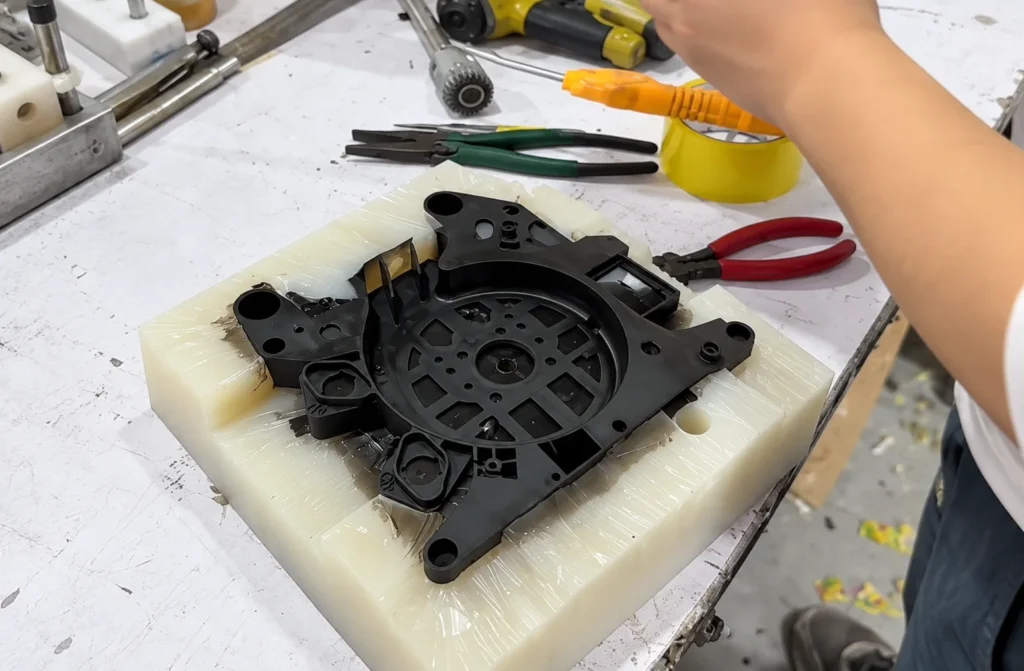
Urethane casting uses silicone molds to produce small batches of high-quality plastic-like prototypes.
It is useful for appearance models, functional testing, market samples, and low-volume parts requiring consistent color, texture, or material properties.
Our Rapid Prototyping Process
Our rapid prototyping process connects engineering review, manufacturing, testing, and design iteration to help you move through development efficiently.
01
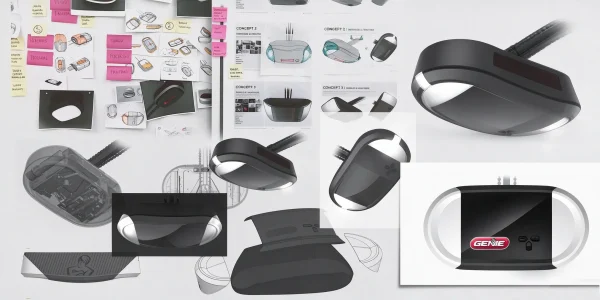
Define the Prototype Goal
We first determine what the prototype needs to validate, such as appearance, dimensions, fit, function, materials, assembly, or manufacturability.
02
Engineering Review
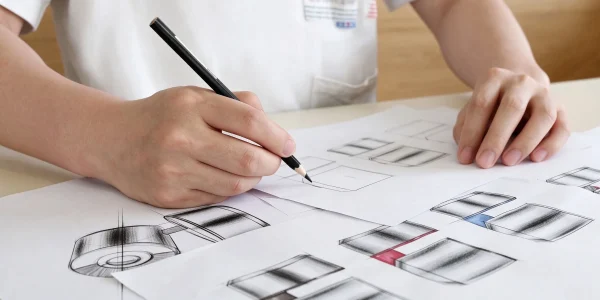
Provide your 3D CAD files, drawings, materials, quantities, finishes, and testing requirements.
03
Process & Material Selection
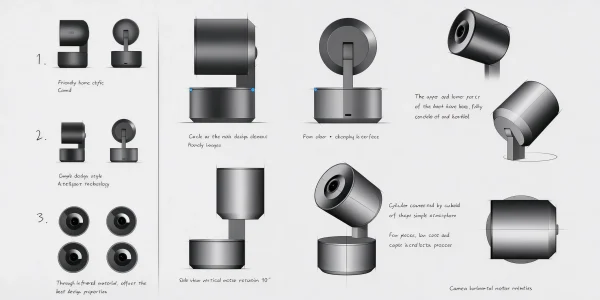
We recommend a prototyping process based on geometry, tolerance, material, quantity, surface finish, budget, and intended testing.
Depending on the project, multiple prototype processes may be used at different development stages.
04
Prototype Manufacturing
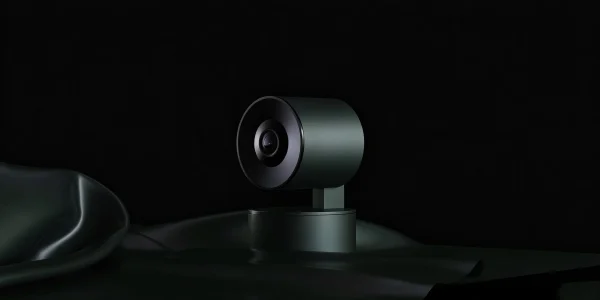
Parts are manufactured using the selected process and inspected according to project requirements.
Critical dimensions, appearance, fit, assembly, and other specified characteristics can be checked before delivery.
05
Test, Refine or Proceed
Prototype results can be used to revise the design, manufacture another iteration, or move forward into DFM, tooling, and production.
Ready to Turn Your CAD into a Physical Prototype?
Whether you need a single concept model, functional engineering prototypes, or a small batch of production-like parts, Maidder can help select the right process for your project.
Send us your CAD files and requirements, and our engineers can review your design, materials, quantities, and validation goals before manufacturing.
From Rapid Prototype to Production
Rapid prototyping is not only about producing parts quickly. The goal is to learn from each prototype and reduce uncertainty before investing in tooling and production.
Maidder connects prototype manufacturing with product engineering, DFM, mold making, injection molding, and assembly to support a smoother transition into manufacturing.
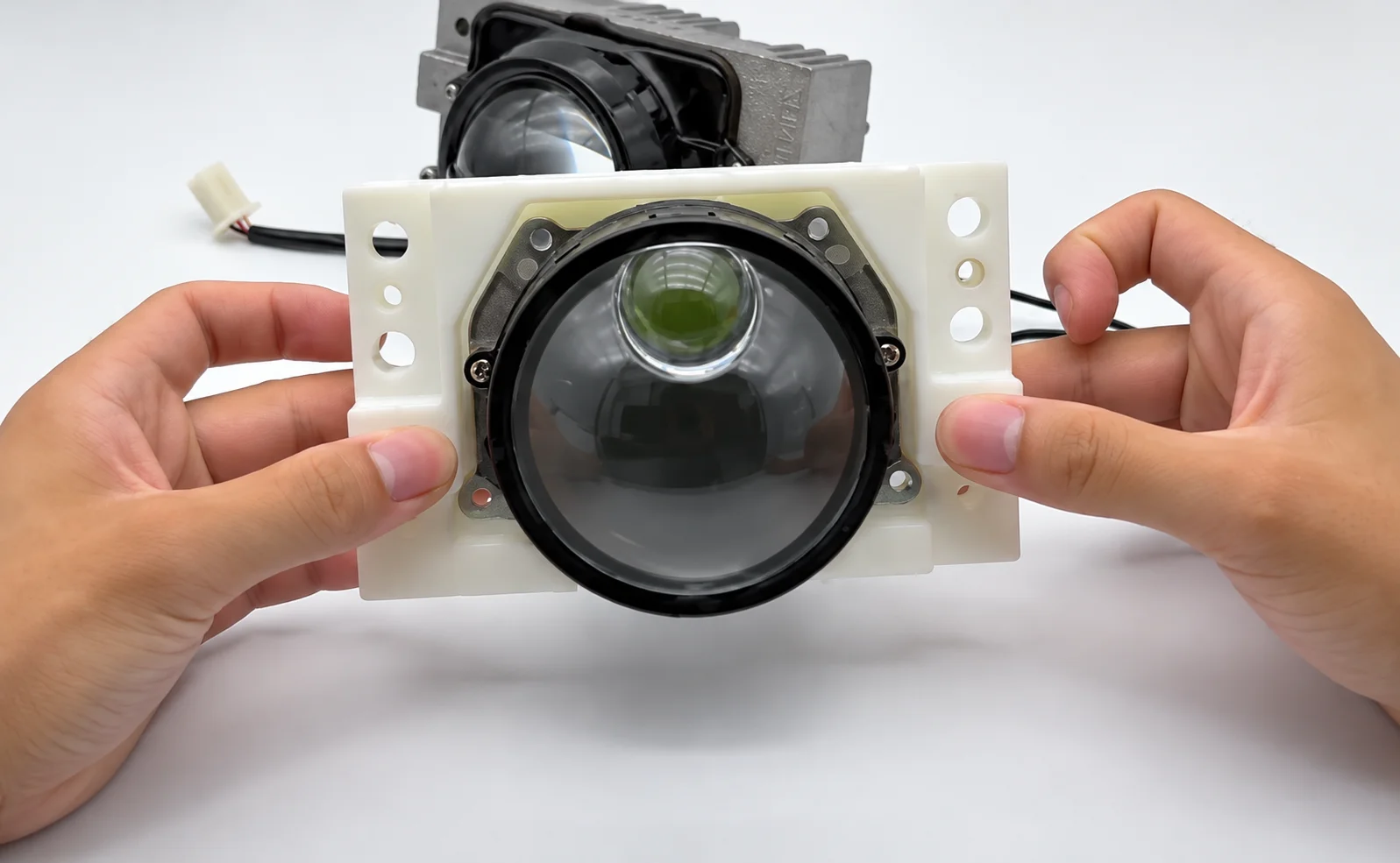
Validate Form, Fit and Function
Prototype testing can help confirm:
- Product dimensions and proportions
- Component fit and clearances
- Assembly
- Mechanisms and moving features
- Ergonomics
- Structural performance
- Material behavior
- Surface appearance
Results can then be incorporated into the next design revision.
Validate Materials & Manufacturing Requirements
Different prototype processes provide different levels of material and manufacturing fidelity.
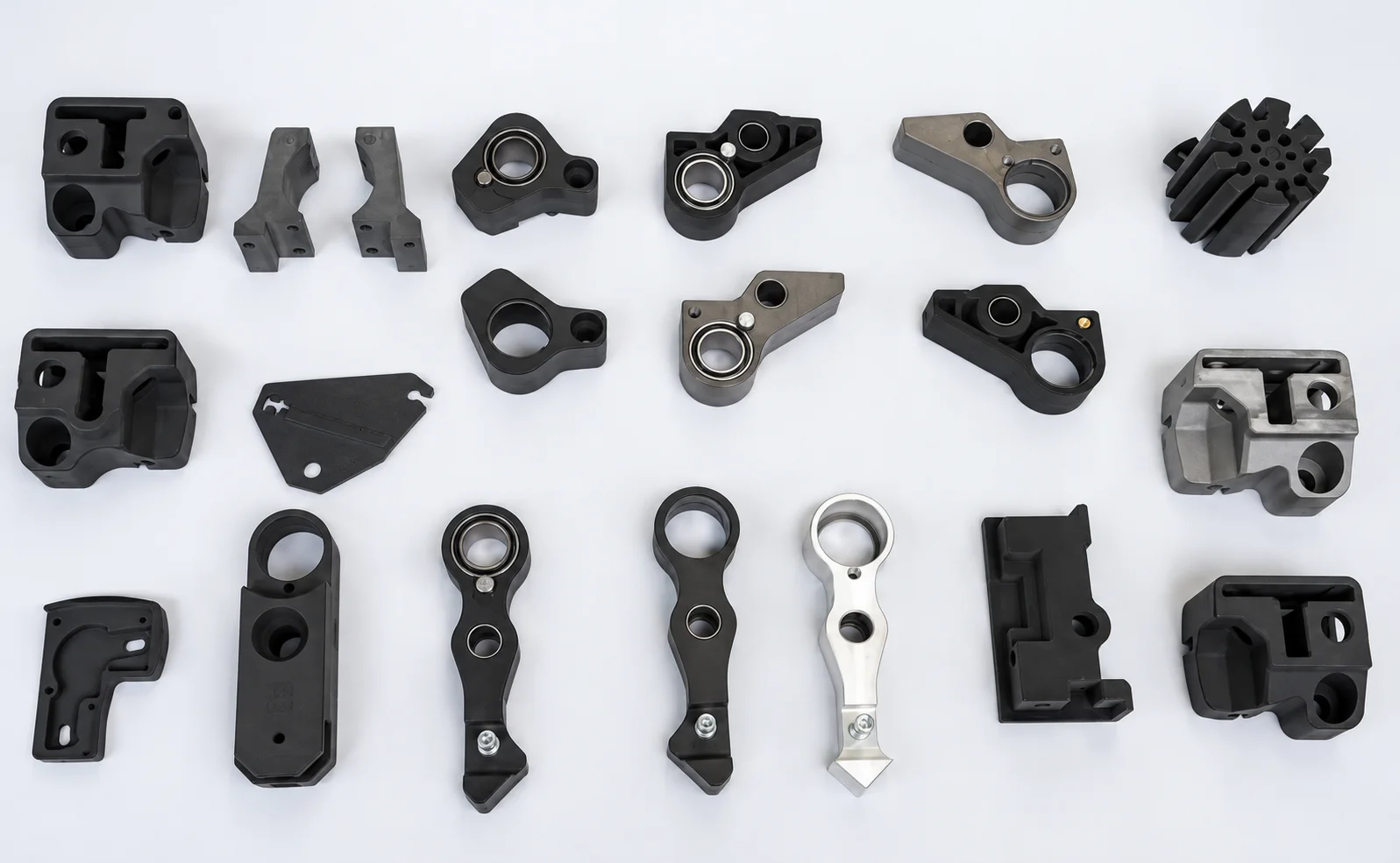
Our engineers help determine whether your project requires representative materials, production-grade materials, production-like surfaces, or actual injection-molded parts based on what needs to be validated.
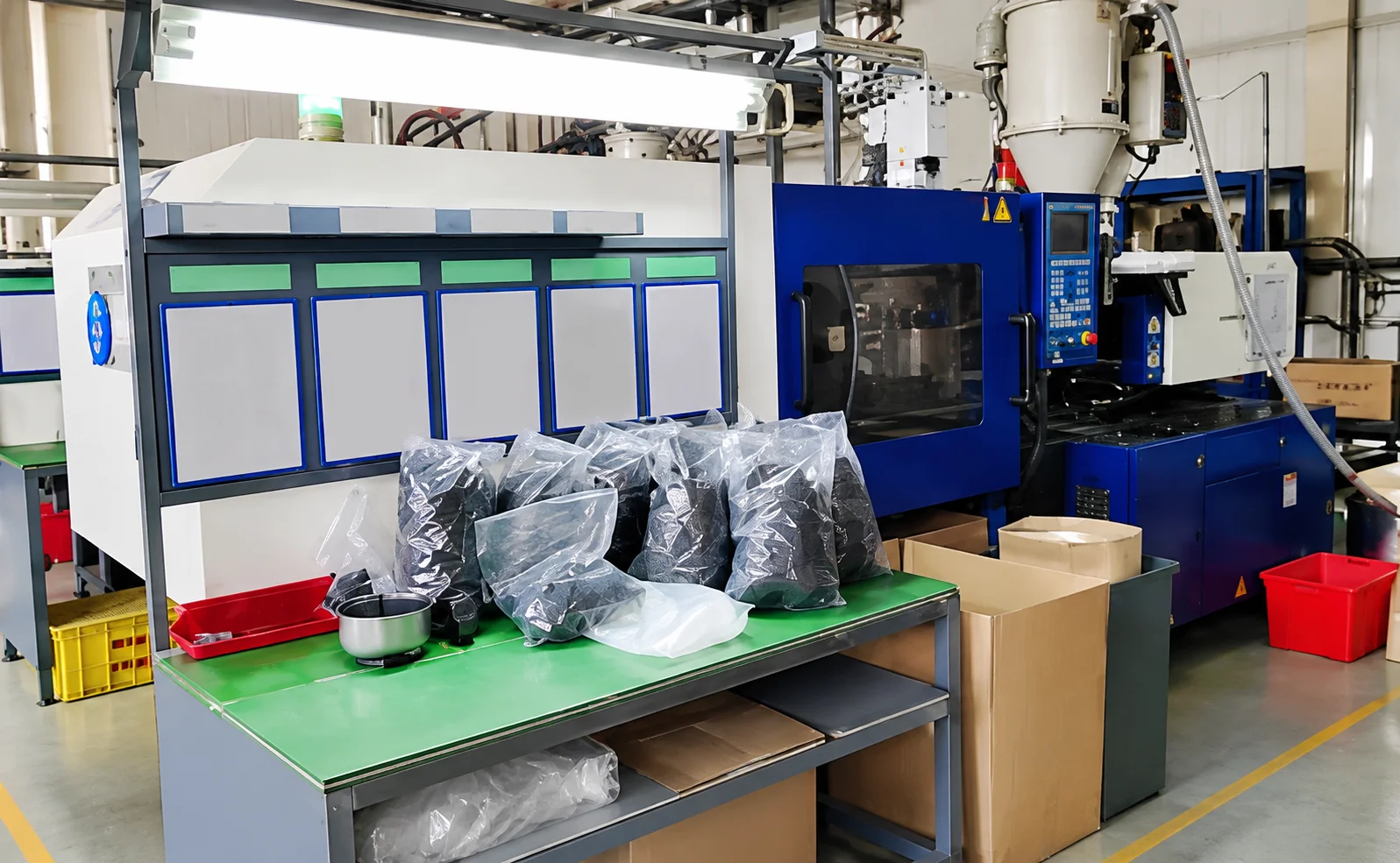
Prototype to Production Handoff
Once the prototype is approved, Maidder can continue supporting:
Design Refinement → DFM → Design Freeze → Tooling (Rapid or Production) → T1 Sampling → Tool Validation → Production Injection Molding → Assembly → Mass Production
This connected workflow helps maintain design intent as the product moves from prototype validation into scalable manufacturing.
Rapid Prototyping Services FAQs
What is rapid prototyping?
Rapid prototyping is the process of quickly manufacturing physical parts or models from 3D CAD data to evaluate a product before full production.
It can be used to validate appearance, dimensions, fit, function, assembly, materials, and manufacturing requirements during product development.
What files do you need for rapid prototyping?
A 3D CAD model is usually the primary file required.
STEP or other common 3D CAD formats are typically useful for manufacturing review. Drawings can also be provided when specific dimensions, tolerances, materials, surface finishes, or other requirements need to be controlled.
Can you manufacture functional prototypes?
Yes. Depending on the product requirements, functional prototypes can be produced using CNC machining, 3D printing, urethane casting, rapid injection molding, or a combination of processes.
The appropriate process depends on required strength, accuracy, material behavior, geometry, and testing conditions.
Can prototypes use production-grade materials?
Yes, depending on the manufacturing process.
CNC machining can use many production-grade plastics and metals, while rapid injection molding can use actual thermoplastics intended for production.
3D printing and urethane casting may use alternative materials that simulate selected properties when exact production materials are not required.
Can Maidder continue from rapid prototyping to mass production?
Yes. After prototype validation, Maidder can continue with design optimization, DFM, mold design, mold manufacturing, T1 sampling, injection molding, assembly, and mass production.
This provides a continuous path from prototype development to scalable manufacturing.
Contact Us
Have a product idea or manufacturing requirement? Our engineering team supports you from product development and rapid prototyping to custom injection molds, injection molding and mass production. Share your CAD files, drawings or project details, and we’ll help define the right solution.