
DFMEA Services for Product Design Risk Reduction
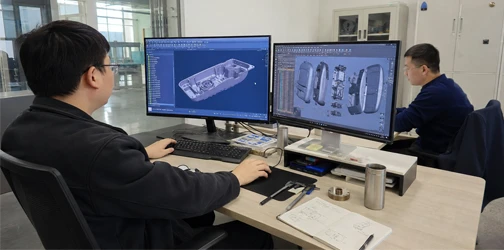
By integrating DFMEA with mechanical engineering, electronics engineering, prototyping, DFM, and manufacturing, potential risks can be addressed while the product design is still flexible.
Our engineering team reviews product functions, potential failure modes, causes, effects, and existing design controls to help prioritize engineering actions before design freeze, tooling, and mass production.
Design Failure Mode and Effects Analysis for Product Development
DFMEA provides a structured approach to identifying how a product could fail before those issues appear during testing, manufacturing, or real-world use.
Our engineers evaluate potential failure modes, their effects and causes, and the level of risk associated with each issue. This helps reveal weaknesses in product design, materials, interfaces, mechanisms, tolerances, and other critical areas.
By identifying and prioritizing design risks early, DFMEA helps guide engineering improvements, support validation planning, reduce late design changes, and improve overall product robustness before production.
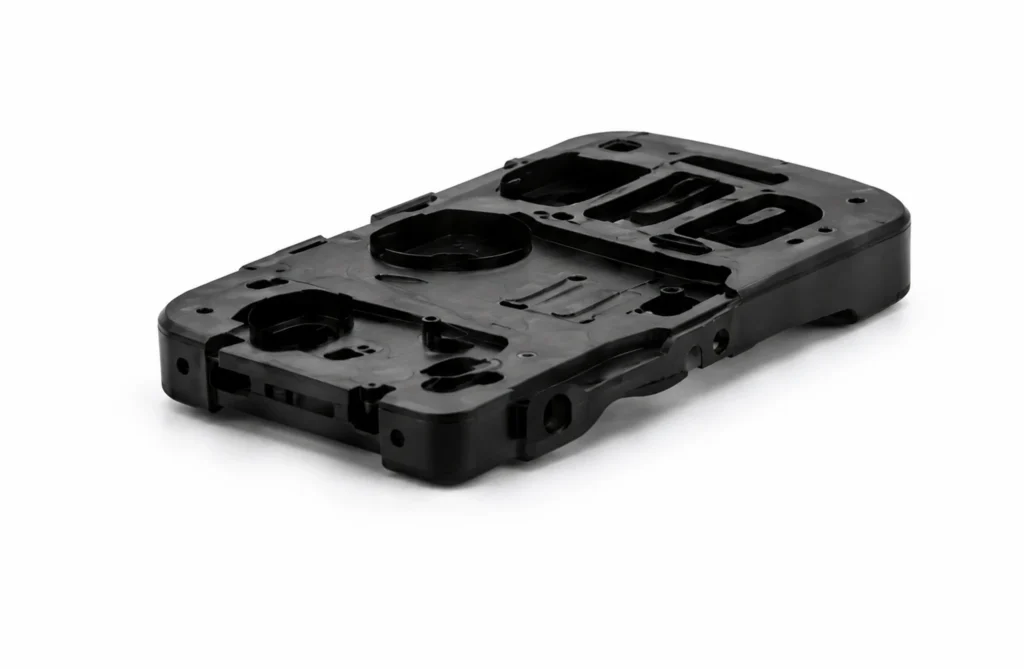
Product Functions & Requirements
DFMEA begins by defining what the product, subsystem, or component is expected to do.
We review functional requirements, operating conditions, interfaces, loads, materials, environmental factors, and other design inputs that may affect product performance.
Clear functions and requirements provide the foundation for meaningful failure mode analysis.
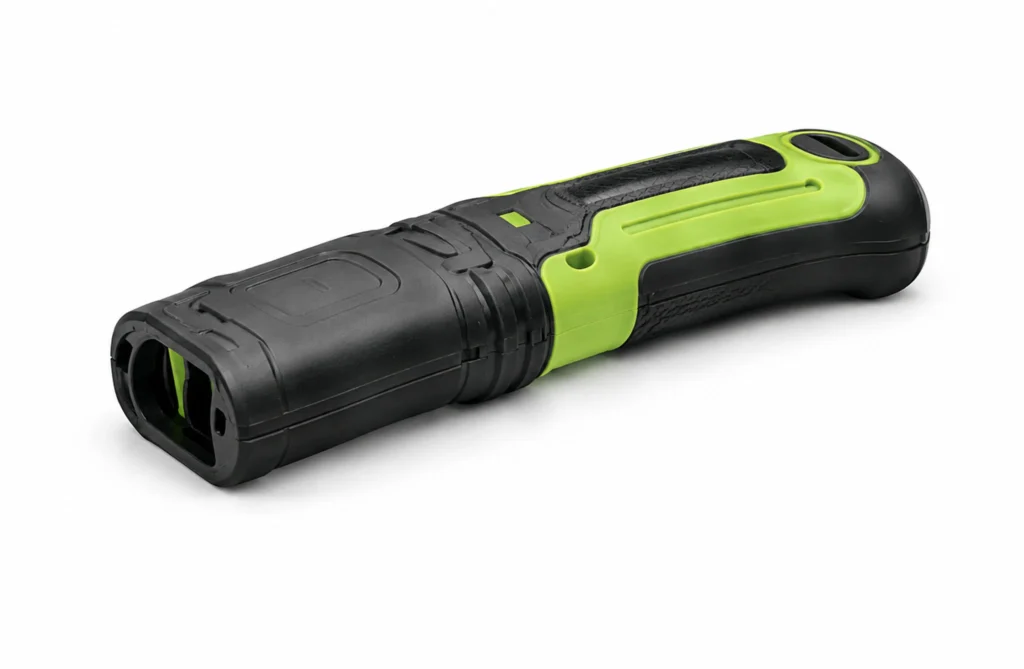
Failure Modes, Effects & Causes
For each critical function, we evaluate:
- How the design could fail
- What happens if the failure occurs
- What may cause the failure
- Which components or users may be affected
- What existing design controls are in place
Potential issues may involve materials, geometry, tolerances, mechanisms, interfaces, electronics, thermal conditions, sealing, fastening, or other product characteristics.
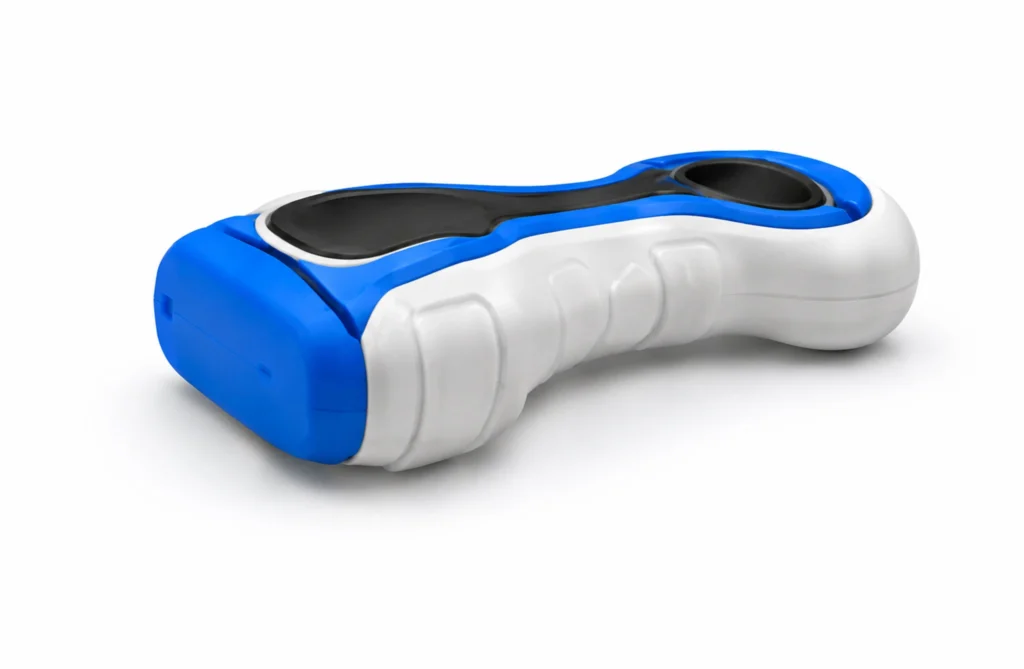
Risk Assessment & Prioritization
Potential failures are assessed based on factors such as severity, likelihood of occurrence, and the ability of existing controls to detect or prevent the problem.
This helps the engineering team prioritize higher-risk design issues instead of treating every potential failure equally.
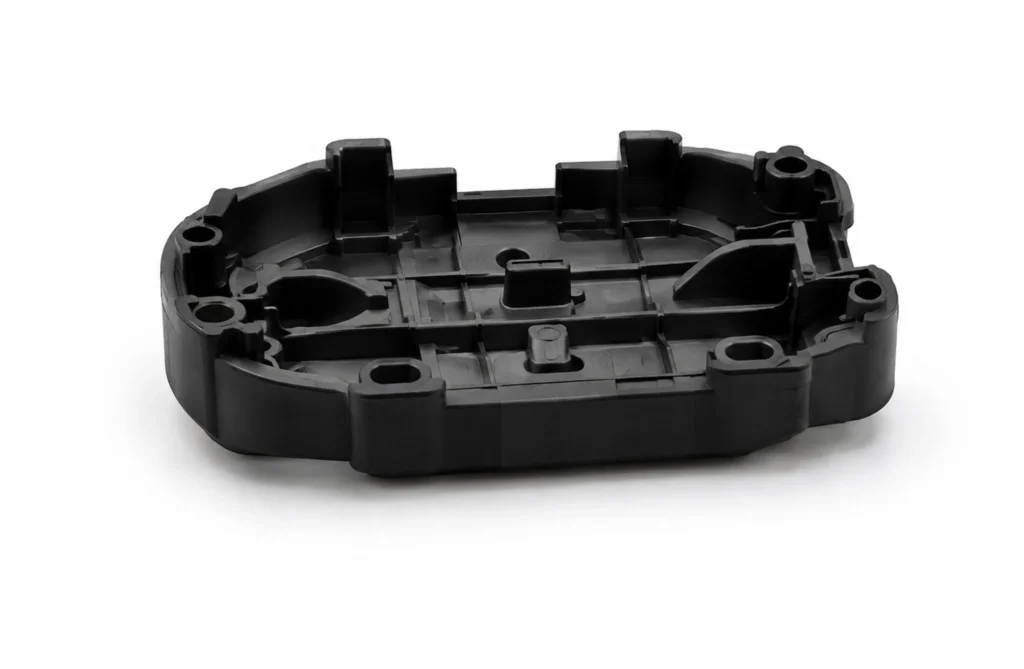
Risk Mitigation & Recommended Actions
Once significant risks are identified, engineering actions are defined to reduce them.
Actions may include changes to product geometry, materials, tolerances, mechanisms, component interfaces, design controls, prototype testing, or verification requirements.
The DFMEA is then updated as actions are completed and the design develops.
Our DFMEA Process
Maidder integrates DFMEA into product development so that risk analysis supports real engineering decisions rather than becoming a stand-alone documentation exercise.
01
Define Scope & Product Functions
We establish the DFMEA scope and review the product architecture, components, interfaces, functional requirements, operating conditions, and available engineering documentation.
02
Identify Failure Modes & Effects
Each relevant function is analyzed to determine potential failure modes and their effects on product performance, assembly, users, or connected systems. Potential causes are then evaluated at the design level.
03
Assess & Prioritize Design Risks
Failure modes are evaluated using an appropriate risk prioritization method based on severity, occurrence, detection, existing controls, and project requirements. Critical risks are identified for further engineering action.
04
Define Actions & Verify Improvements
Recommended actions are assigned to reduce identified risks. These may involve design changes, calculations, prototype testing, engineering reviews, or additional verification. The DFMEA can then be updated to reflect completed actions and remaining design risk.
Reduce Design Risk Before Tooling Begins
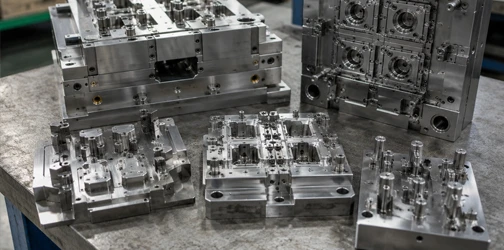
Our cross-functional engineering and manufacturing teams can connect DFMEA findings directly with design changes, prototype validation, DFM, tooling, and production.
DFMEA Integrated with Engineering and Product Validation
DFMEA is most effective when risk findings lead directly to engineering and verification activities.
At Maidder, DFMEA can be coordinated with mechanical engineering, electronics engineering, prototype testing, DFM, and production preparation throughout product development.

Mechanical & Structural Risk Analysis
Mechanical DFMEA can identify risks associated with product structures, mechanisms, joints, fasteners, materials, tolerances, sealing, loads, wear, and component interfaces.
Findings can be used to guide design changes and prototype validation before tooling.
Electronics & Hardware Risk Analysis
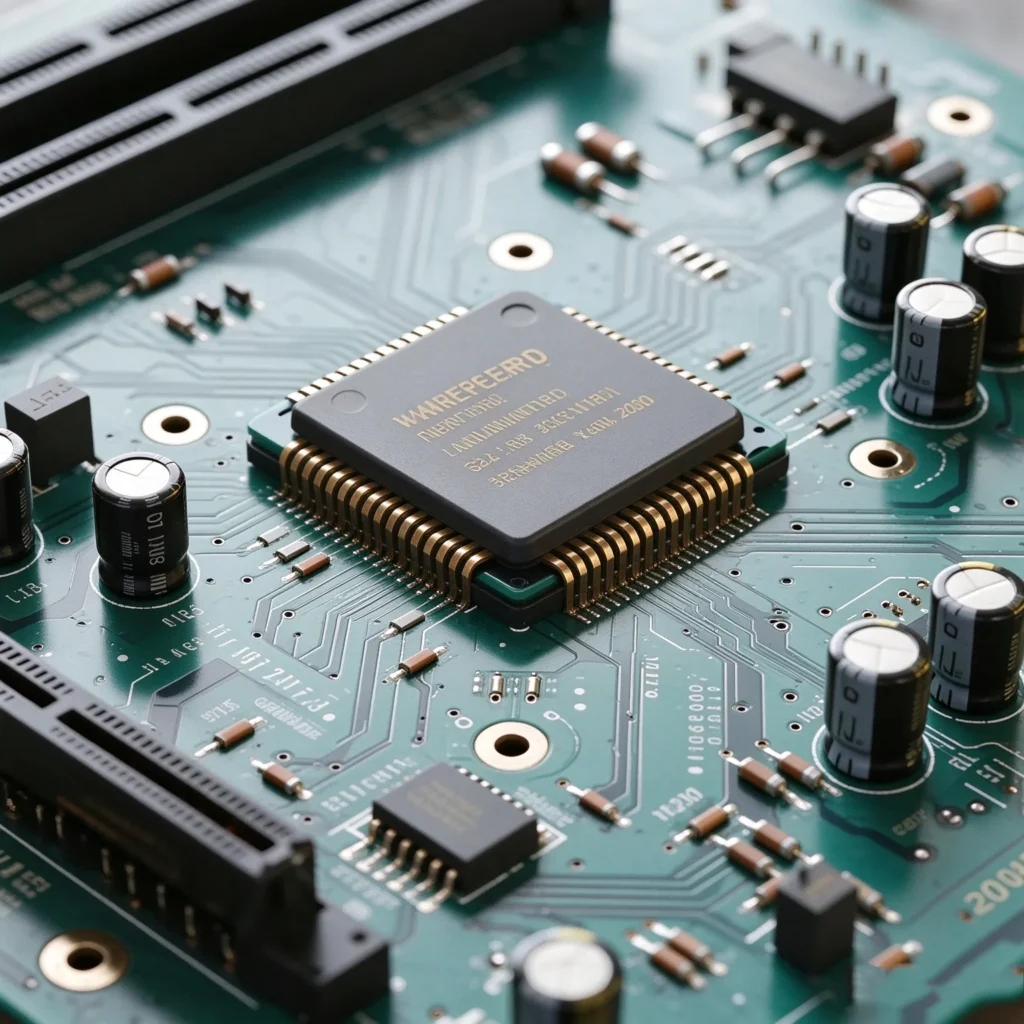
For electronic products, DFMEA can also evaluate PCB integration, power systems, sensors, connectors, batteries, thermal conditions, hardware interfaces, and mechanical-electrical interactions.
This helps identify cross-disciplinary risks that may be missed when electronic and mechanical design are reviewed separately.

DFMEA & Prototype Validation
High-risk failure modes can help define key areas for prototype testing.
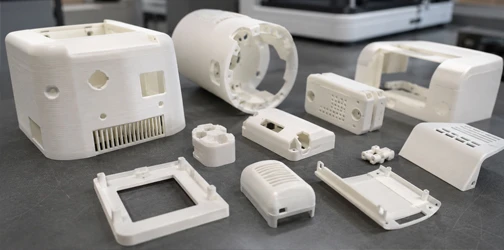
Prototype builds can verify mechanisms, fit, structural performance, component integration, environmental behavior, assembly, and other critical functions identified during risk analysis.
Test results can then guide further design refinement.
DFMEA, DFM & Production Readiness
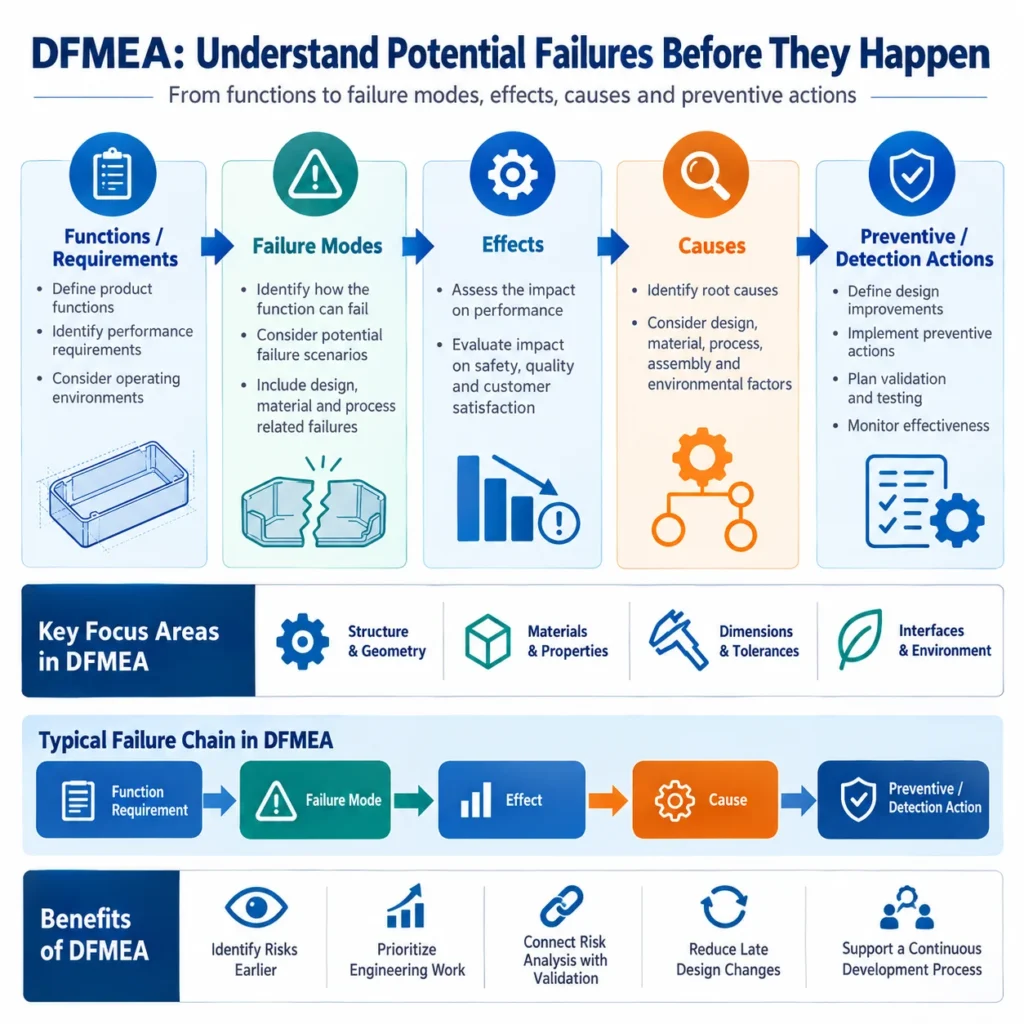
DFMEA and DFM address complementary product development risks.
DFMEA focuses on potential design failures, while DFM evaluates manufacturability, tooling, assembly, and production requirements.
Using both before design freeze helps reduce functional and manufacturing risks before production.
Why Integrate DFMEA into Product Development?
Integrating DFMEA into product development helps identify design risks early, prioritize improvements, reduce costly changes, and improve product reliability before production.

01
Identify Risks Earlier
Potential design weaknesses can be identified while CAD, materials, mechanisms, interfaces, and other product details are still relatively easy to modify.

02
Prioritize Engineering Work
Structured risk assessment helps engineering teams focus attention on issues with greater potential impact instead of making changes without clear priorities.

03
Connect Risk Analysis with Validation
DFMEA findings can guide prototype testing and design verification, ensuring higher-risk functions receive appropriate engineering attention.

04
Reduce Late Design Changes
Addressing potential failure modes before design freeze and tooling helps reduce the likelihood of discovering avoidable design problems later in development.
05
Support a Continuous Development Process
Maidder can connect:
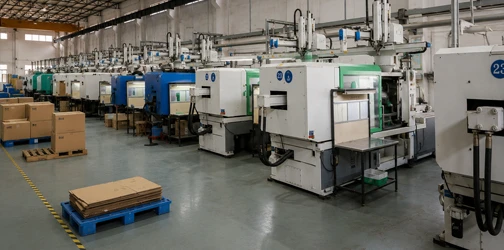
Product Engineering → DFMEA → Prototype Validation → DFM → Design Freeze → Tooling → Injection Molding → Mass Production
This creates a clearer path from product risk identification to engineering action and manufacturing readiness.
DFMEA Services FAQs
What is DFMEA?
DFMEA stands for Design Failure Mode and Effects Analysis.
It is a structured design risk analysis method used to identify how a product, subsystem, or component could fail, understand the effects and causes of those failures, assess their risk, and define actions to reduce potential problems before production.
What information is needed for a DFMEA?
Useful inputs may include:
- Product requirements
- 3D CAD files
- Engineering drawings
- Product architecture
- Materials
- Component specifications
- Operating conditions
- Interface requirements
- Existing prototype or test data
- Previous product failure information
The required information depends on the development stage and DFMEA scope.
What is the difference between DFMEA and DFM?
DFMEA evaluates potential product design failures and their risks.
DFM, or Design for Manufacturing, evaluates whether the product can be manufactured reliably, efficiently, and economically.
For example, DFMEA may identify a risk that a snap-fit could break during use, while DFM may identify that the same feature is difficult to mold or eject from an injection mold.
The two methods complement each other during product development.
What is the difference between DFMEA and PFMEA?
DFMEA focuses on failures caused by the product design itself, such as inappropriate materials, insufficient strength, tolerance issues, or problematic component interfaces.
PFMEA focuses on potential failures within manufacturing and assembly processes.
DFMEA is therefore primarily associated with product design risk, while PFMEA addresses process risk.
Can DFMEA be used to guide prototype testing?
Yes. Potentially significant failure modes identified during DFMEA can help determine which product functions, components, interfaces, and operating conditions require additional prototype testing or design verification.
Testing results can then be used to support further design improvements and risk review.
Can Maidder continue from DFMEA to prototyping and production?
Yes. DFMEA can be integrated with Maidder’s product development and manufacturing workflow, including mechanical engineering, electronics engineering, prototyping, DFM, mold development, injection molding, assembly, and mass production.
This allows identified design risks to be connected directly with engineering changes, validation activities, and manufacturing preparation.
Contact Us
Have a product idea or manufacturing requirement? Our engineering team supports you from product development and rapid prototyping to custom injection molds, injection molding and mass production. Share your CAD files, drawings or project details, and we’ll help define the right solution.